REVIEW · KYOTO
Kyoto Fushimi Inari Night Walking Tour
Book on Viator →Operated by GuideMe Japan · Bookable on Viator
5:00 pm turns Fushimi Inari into a calmer world. This Kyoto Fushimi Inari night walking tour helps you see the shrine’s famous torii gates without the worst of daytime heat, plus you get an English-speaking guide to explain what you’re actually looking at.
I like two things right away: the tour is short and focused (about 1 hour), and it’s priced so you can fit it into almost any itinerary without stressing your budget. I also like that it includes time inside the shrine area with a guide who’s ready with clear answers and practical photo suggestions, including names like Kanami, Mai, Moto, Haruki, and Satsuki Morikawa showing up in recent sessions.
The only real drawback is time. If you’re the type who wants to hike far up every last stair and switchback, one hour may feel too brief to do everything you can see at Fushimi Inari.
In This Review
- Quick Highlights Before You Go
- Evening Timing at Fushimi Inari: Why 5:00 pm Works
- Getting There: The Inari Station and Daily Yamazaki Meetup
- The 1-Hour Walk Inside Fushimi Inari-taisha: What You’ll Actually See
- Shinto Meets Buddhism: The Cultural Thread Your Guide Connects
- Photo Tips That Save Time: Getting Better Torii Shots
- Who’s Leading Your Walk: What the Guide Quality Adds
- Price and Value: Why $35.93 Can Make Sense
- Best Times to Pair This With Your Kyoto Day
- Realistic Expectations: What This Tour Can and Cannot Do
- Should You Book This Fushimi Inari Night Walk?
- FAQ
- What time does the Kyoto Fushimi Inari Night Walking Tour start?
- How long is the tour?
- What is included in the price?
- What is not included?
- Where do I meet the guide?
- Is it necessary to print anything, or can I use a phone ticket?
- How big is the group?
- What if my plans change?
- Is the shrine admission included?
Quick Highlights Before You Go
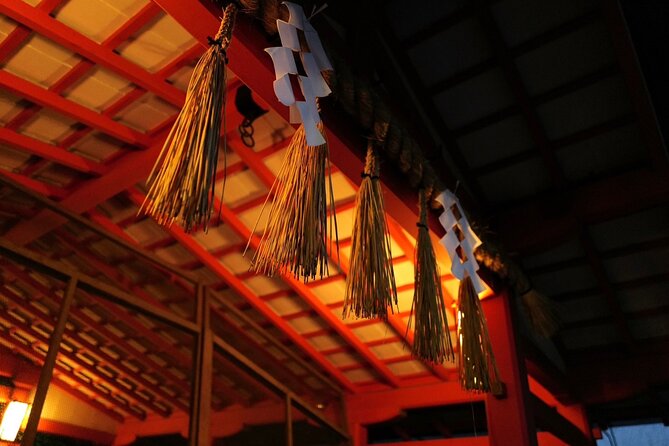
- Evening timing at 5:00 pm helps you experience the shrine with a more comfortable pace
- English-speaking guide with cultural context on Shinto and Buddhism
- In-front-of-Daily-Yamazaki meetup makes the start point easier to locate
- Torii gate photo guidance so you know where to stand and what to frame
- Small group size (up to 15) keeps questions from getting lost
Evening Timing at Fushimi Inari: Why 5:00 pm Works
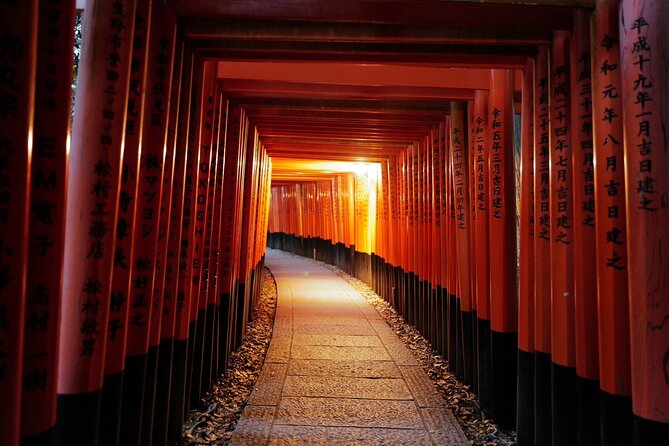
Fushimi Inari is famous for a reason: those rows of torii gates create a strong visual rhythm. But the shrine is also a high-demand stop, so your experience can swing a lot depending on when you arrive. I love the logic of doing this at night because it’s easier to take in the space at a slower speed.
Starting at 5:00 pm also pairs well with the way Kyoto days usually go. You can tour this before dinner plans or after you’ve already had a meal and want something light and meaningful. It’s also a great way to avoid the feeling of getting rushed through a must-see site.
One more thing: a guided night walk changes what the gates mean. Instead of just collecting photos, you get helped seeing the shrine as a place with living tradition. That makes your time feel less like a checklist stop and more like a short cultural lesson you can carry into the rest of the city.
You can also read our reviews of more walking tours in Kyoto


Getting There: The Inari Station and Daily Yamazaki Meetup
The meeting point is one of the most practical parts of the whole experience. You meet at the JR Inari Station exit, then turn left and look for a Daily Yamazaki convenience store. Your guide meets you in front of that store, which is a much simpler landmark than trying to navigate side streets from a train platform without local help.
This matters because the tour is only about an hour. When you have a tight time window, a clear meetup point can save you from arriving flustered. If you’ve ever shown up late to a guided start and spent the first five minutes apologizing, you’ll appreciate that this one uses an obvious reference point.
I’d plan to arrive a bit early so you can settle your bearings. Even if you’re confident with transit, it’s nice to have a minute to check your phone for the mobile ticket and confirm you’re at the right spot before the group starts walking.
The 1-Hour Walk Inside Fushimi Inari-taisha: What You’ll Actually See
This experience focuses on one stop: Fushimi Inari-taisha Shrine. That’s good news if you don’t want a long, multi-area tour. It’s also good for your attention span. With just one destination, you can stay in one mindset and learn what you’re seeing instead of switching gears every few minutes.
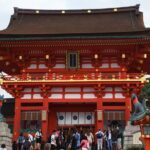
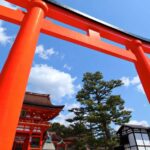
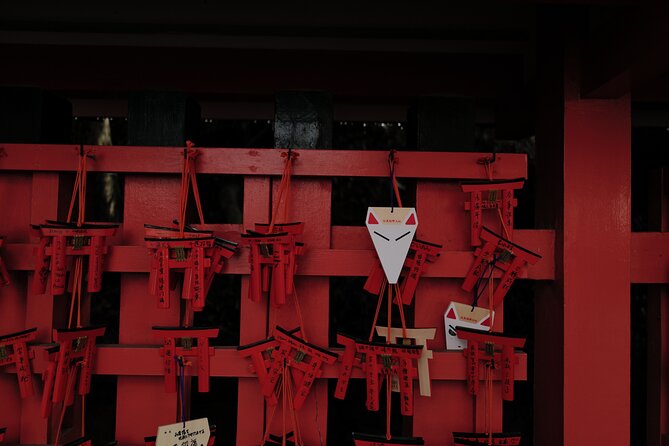
The big draw is, of course, the torii gates. You’ll see the shrine’s signature look and learn why it’s so strongly associated with visitors. The walk also gives you a chance to notice patterns: how the gates repeat, how the paths funnel you forward, and how the shrine setting feels different once the pace slows down.
Because the tour is about 1 hour and includes “in-depth” time at the shrine, you’re aiming for a meaningful introduction rather than an all-day exploration. If you go in expecting a quick, well-guided visit, you’ll get a lot more out of it. If you’re hoping for a full hike to every possible viewpoint, you may want to plan extra time on your own.
Shinto Meets Buddhism: The Cultural Thread Your Guide Connects
One of the best reasons to do this with a guide is that Fushimi Inari isn’t just an architectural photo stop. The tour includes explanations about the shrine’s background and helps you understand differences between Shintoism and Buddhism as they show up in the experience.
This is the part you’ll feel later. After you learn the basics from your guide, your brain starts organizing what you see: which elements suggest one tradition, what you’re looking at, and why people treat this as more than scenery. A good guide doesn’t overload you; they give you enough structure to interpret the place.
In the recent feedback, guides have been praised for answering questions and offering small details that sharpen your understanding. That matters because at Fushimi Inari, you can easily end up staring at gates and missing the meaning behind them. With this tour format, you’re not left to guess.
Photo Tips That Save Time: Getting Better Torii Shots
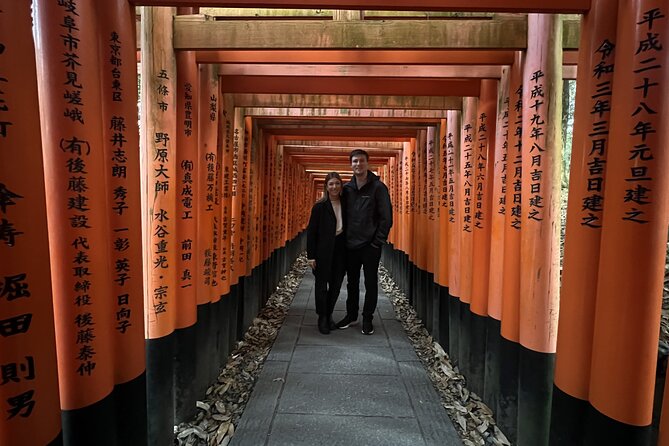
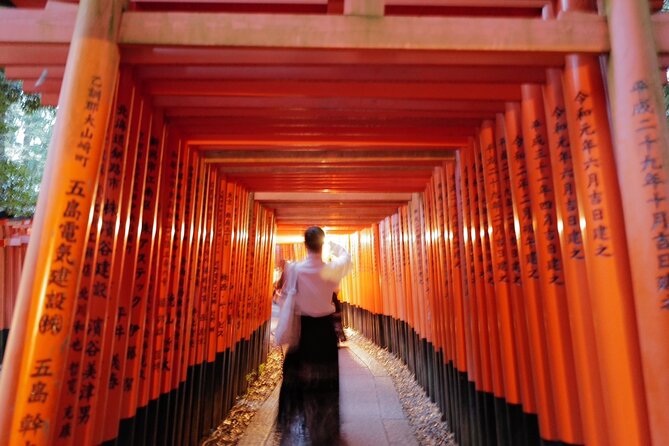
Fushimi Inari photos are tricky because the “perfect” shot depends on where you stand and what line of torii you want to emphasize. The tour includes guidance for photo opportunities, and in recent sessions, people specifically called out that guides helped with photo ops and suggestions for good angles.
That’s worth paying attention to. If you’ve ever tried to take photos while the crowd thickens, you know how quickly it turns into standing in the wrong place, waiting for gaps, and repeating the same composition. A guide-led walk can help you find angles and timing that work.
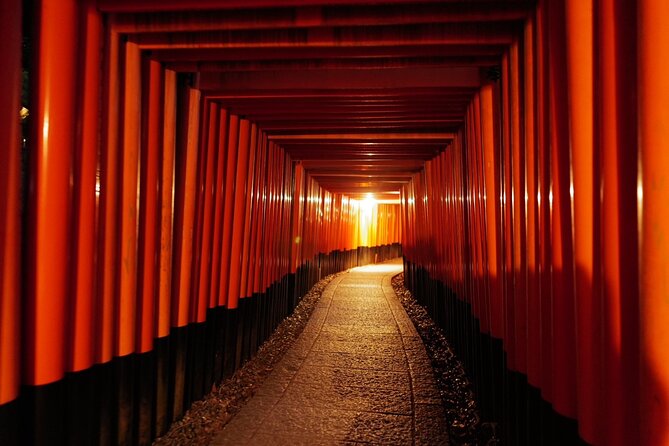
Also, going at night changes how the shrine photos feel. Even without mentioning lighting specifics, the evening pace tends to make it easier to pause and reposition. When you’re not constantly rushing to clear a crowd pocket, you can focus on composing the torii lines and getting a few strong frames.
My practical advice: keep your camera or phone ready during the walk, and don’t be afraid to ask your guide where they’d stand for a particular shot style. The point of the tour is to give you direction, not just information.
You can also read our reviews of more evening experiences in Kyoto






Who’s Leading Your Walk: What the Guide Quality Adds
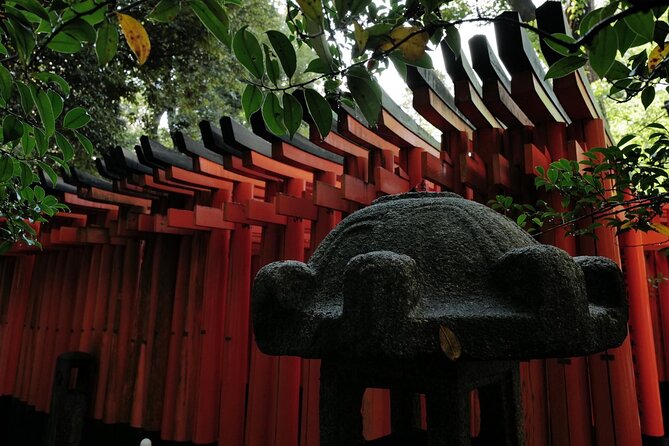
This tour is run by GuideMe Japan, and it’s an English-speaking guided experience. Group size is capped at 15 travelers, which typically helps keep the pace human and questions possible.
The strongest theme in the feedback is how guides combine explanation with real interaction. Names that came up include Kanami, Mai, Satsuki Morikawa, Moto, and Haruki. People praised them for knowledge, clear answers, and the small extras like helping with transport around the area.
That transport piece is underrated. When you’re finishing a shrine walk near a major station, you still need to get back to your dinner plans or your next stop. If your guide can point you toward an easy route or a sensible way to move, it reduces stress and makes the tour feel like part of your travel plan, not just a standalone activity.
If you like learning while you walk, this guide format is a good match. You get cultural context, then you immediately connect it to what you see around you. That makes the lesson stick.
Price and Value: Why $35.93 Can Make Sense
At $35.93 per person, this isn’t the cheapest thing you can do in Kyoto. But it’s also not priced like a high-end private tour. The value comes from what’s included and what you don’t have to organize yourself.
You’re paying for:
- an English-speaking guide
- about 1 hour of focused time at Fushimi Inari
- the shrine visit is free (admission ticket free)
You’re not paying for hotel pickup, and food and drinks aren’t included, so you’re likely to handle meals separately. That can be a good deal for flexible eaters. You can eat where you actually want, instead of being rushed along by a tour schedule.
For most people, the “value math” looks like this: if you were going to spend an hour anyway seeing Fushimi Inari, hiring a guide for that hour can be cheaper than trying to piece together context from apps and random explanations. You also get the group’s structure so you don’t waste time figuring out where to stand and what to pay attention to next.
Best Times to Pair This With Your Kyoto Day
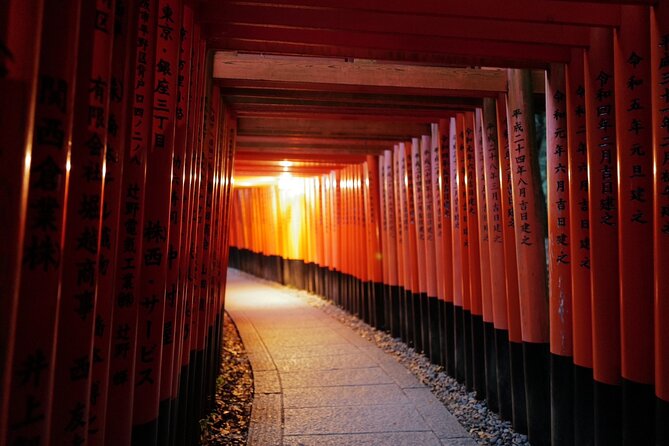
This is a perfect “in-between” experience. The tour starts at 5:00 pm, and it’s roughly 1 hour long. That makes it ideal if you want one anchored activity before dinner or something lighter after a long day of sightseeing.
Here are a few solid pairings that fit the tour’s pace:
- a shrine intro before you head to dinner nearby
- a low-stress evening activity if you already covered other Kyoto highlights earlier
- a short guided cultural stop when you don’t want to commit to a long tour
Because it’s one destination, you also get freedom after. You can choose to continue exploring on your own once the guided portion ends, or use what you learned to spot details more confidently.
Realistic Expectations: What This Tour Can and Cannot Do
This is a short tour. That’s the whole point. It’s designed for a quick, informative evening walk, not an all-day hike program.
So here’s the mindset I’d recommend: think of it as an excellent orientation. You’ll come away with a better sense of what you saw, why it matters, and what to look for on a second pass if you have time. If you’re hoping to complete every possible angle of Fushimi Inari in one go, you may feel limited by the hour-long format.
It’s also worth noting what you do get: explanations, guidance for photo moments, and an English-speaking guide who can answer questions. If those are your priorities, this tour hits the sweet spot.
Should You Book This Fushimi Inari Night Walk?
Book it if you want:
- a guided introduction to Fushimi Inari’s torii gates and cultural context
- a manageable 1-hour plan at 5:00 pm
- an English-speaking guide who’s known for helping with questions and photo ideas
- a small group setup, with up to 15 people
Skip it or add time on your own first if you’re chasing a long, self-paced trek without needing explanations. Also consider booking this sooner rather than later, since it’s commonly reserved about 46 days in advance on average.
If you’re trying to balance value, time, and meaning, this night walk is a strong choice. You’ll leave with better context than a self-guided stroll alone, and you’ll have spent your evening on one of Kyoto’s most iconic places.
FAQ
What time does the Kyoto Fushimi Inari Night Walking Tour start?
The tour starts at 5:00 pm.
How long is the tour?
The tour runs for about 1 hour.
What is included in the price?
You get an English-speaking tour guide and approximately 1 hour of in-depth time at Fushimi Inari-taisha Shrine. Admission ticket is free.
What is not included?
Hotel pickup, and food and drinks are not included.
Where do I meet the guide?
Meet at the exit of JR Inari Station. Turn left and look for the Daily Yamazaki convenience store, and meet the guide in front of it.
Is it necessary to print anything, or can I use a phone ticket?
You use a mobile ticket.
How big is the group?
The tour has a maximum of 15 travelers.
What if my plans change?
There is free cancellation up to 24 hours in advance of the start time for a full refund.
Is the shrine admission included?
Yes. The tour includes a free admission ticket.
![[2.3km / 1.43mi] Kyoto East Early Morning Walking Tour - Small group pace with local guide Akari](https://l.discoveringkyoto.com/wp-content/uploads/2-3km-1-43mi-kyoto-east-early-morning-walking-tour-400x300.jpg)