REVIEW · KYOTO
Let’s make Japanese accessories with Mizuhiki
Book on Viator →Operated by Rakue · Bookable on Viator
Mizuhiki turns paper string into wearable art. In Kyoto, this one-hour class teaches the abalone knot and lets you build a small, cute accessory that feels genuinely Kyoto, right down to the gift-knot details.
I love how fast you get from plain materials to something you can actually wear or gift, especially the way you start with a simple pochi bag and then tie the knot step-by-step. I also like that the class includes a soothing break at the end with matcha and sweets, so you finish feeling calm, not rushed.
One consideration: you’re working within about one hour, so you’ll focus on a specific design (not a huge multi-piece craft project).
In This Review
- Key things you’ll notice right away
- Mizuhiki in One Hour: What You’ll Make at RakueJapan
- Step-by-Step Workshop Flow: From Pochi Bag to the Abalone Knot
- Choosing Your Accessory: Earrings, Hair Ornaments, and Mini Baskets
- Why Mizuhiki Matters: Gift Culture, Ritual Roots, and Color
- Matcha and Sweets at the End: A Smart Way to Finish the Craft
- Location and Logistics: RakueJapan Is Easy to Reach
- Price and Value: Is $19.60 for Materials and Snacks Worth It?
- Who This Workshop Is For (and Who Might Want a Different Activity)
- Should You Book This Mizuhiki Workshop?
- FAQ
- How long is the Mizuhiki accessories class in Kyoto?
- How much does it cost?
- Is the class private?
- What’s included in the price?
- What isn’t included?
- Where do I meet?
- Will I get a mobile ticket?
- Is the location easy to get to using public transportation?
- What is the cancellation policy?
Key things you’ll notice right away
- You learn a foundational knot and practice it before you move on to your chosen accessory
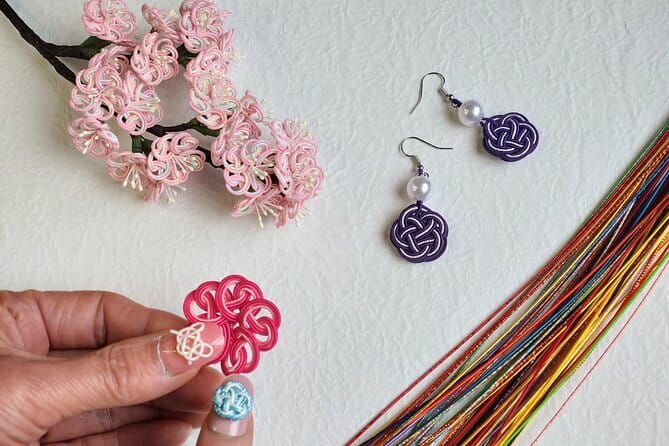
- You pick your own souvenir style from provided sample options (earrings, hair ornaments, mini baskets, and more)
- Private group instruction means you can ask questions as you go
- Matcha and sweets are included as a built-in breather after the making
- Materials are provided, but extra hardware or non-gift materials for home projects aren’t
Mizuhiki in One Hour: What You’ll Make at RakueJapan
If you’ve ever seen Mizuhiki knots wrapped around Japanese gift envelopes, you’ve already seen the power of this craft. This Kyoto workshop takes that same idea—paper cord twisted into neat shapes—and turns it into something personal you can carry. The whole class runs about one hour, which is exactly the right length for beginners who want results without committing to a half-day craft marathon.
You’ll make an accessory that can fit real life: strap-style pieces, small ornaments, and charm-like items that feel like souvenirs but also work as something you’d actually use. Even if you’re not planning to wear the final piece daily, it’s a great “I did something in Kyoto” keepsake.
The vibe is hands-on and quietly satisfying. Once you start tying, your focus narrows in a good way—like you’ve found a calm task to do with your hands while the rest of the day slows down. And because the class includes a break with matcha and sweets, you get a proper landing at the end instead of walking out still wired.
You can also read our reviews of more tours and experiences in Kyoto.

Step-by-Step Workshop Flow: From Pochi Bag to the Abalone Knot
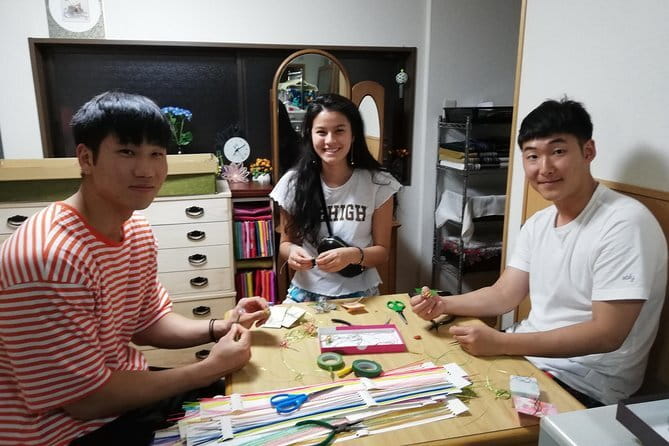
The workshop is structured so you don’t get lost. You start with colored paper and build a mini bag often called a pochi bag—a small pouch that becomes the base for attaching the Mizuhiki knot. This matters because it gives your hands an easy first target before things get more knot-focused.
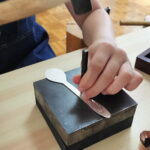
Then you learn the basic Abalone knot, which is the core technique of Mizuhiki gift tying. The class doesn’t assume you already know how paper cord behaves. You’re taught how to hold the material, how to shape the cord, and how to keep the tension consistent enough to get a clean look.
After that, you practice with just a string—essentially a warm-up—so your first “real” knot isn’t your first knot ever. This is a smart teaching approach because it reduces stress. If you’ve ever tried a craft where the very first step is also the most important, you know how discouraging that can feel. Here, you get practice first.
Choosing Your Accessory: Earrings, Hair Ornaments, and Mini Baskets
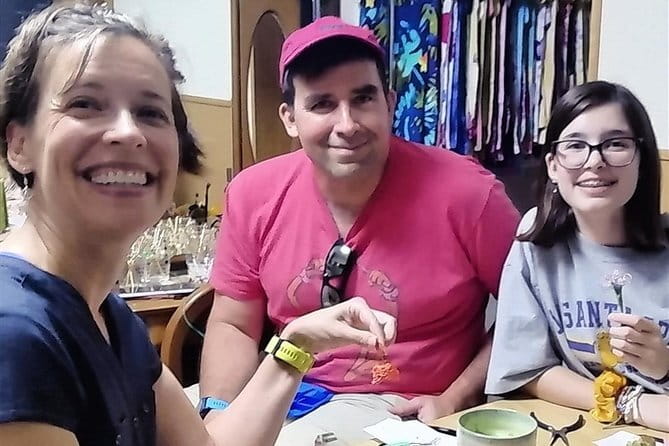
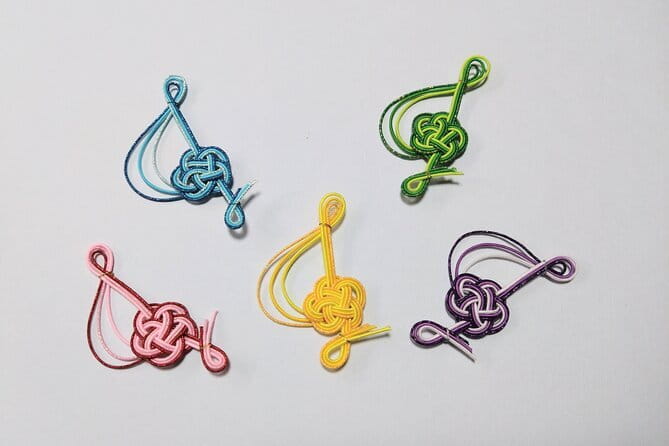
Once the knot basics are in your hands, you move to the fun part: picking what you’ll actually make. The class provides sample ideas, so you’re not guessing what the finished pieces will look like. You can choose an accessory style like strawberry strap designs, floral hair ornaments, cute earrings, or a mini basket concept.
I like that this choice happens after you learn the foundation. It means your final project looks like you meant it. You’re applying the knot technique to a design that matches your taste, whether you want something delicate, playful, or gift-like.
One detail from previous classes: you may also practice additional knot variations such as a leaf knot or a flat plum knot, depending on the design path you choose. That’s a nice upgrade if you want to learn beyond the one basic knot, because it adds options for how your accessories can look and feel.
Also, the class is flexible enough for beginners. The instruction approach is patient and supportive, and at least some sessions are one-on-one. If you’re the type of traveler who freezes when an activity moves too fast, private pacing helps a lot.
Why Mizuhiki Matters: Gift Culture, Ritual Roots, and Color
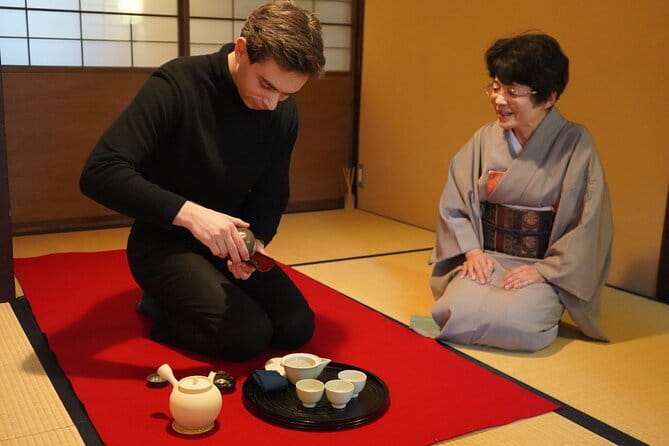
Mizuhiki isn’t just a craft fad. In Japan, it’s historically used with “sacred things” in rituals, and today it still shows up in everyday gift culture. The modern example is the knot tied to an envelope with money during celebrations and other occasions.
That tradition is part of why the craft feels meaningful. When you tie your knots, you’re not just making decoration—you’re copying a gesture that communicates care. The knots are neat on purpose. They represent order, thoughtfulness, and the right tone for a gift.
And yes, Mizuhiki can be colorful, not just traditional-looking cords. That’s one of the reasons this craft translates so well into accessories. You can lean into seasonal colors, match a mood, or create a “Kyoto souvenir” look without it feeling generic.
Matcha and Sweets at the End: A Smart Way to Finish the Craft
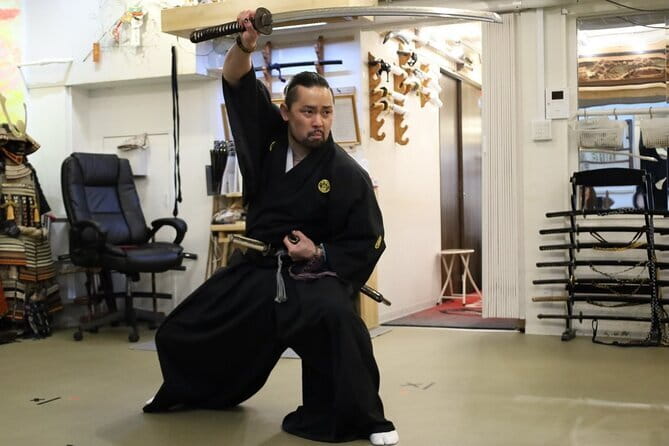
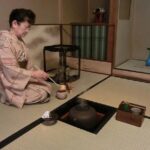
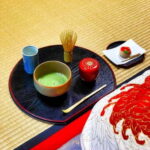
One of the most underrated parts of this class is the timing: you tie knots, you concentrate, then you stop and reset with matcha and sweets. That break turns the workshop from a simple “make-and-go” activity into something more like a guided pause.
If you’re doing Kyoto sightseeing—temples, long walks, crowds—your brain can get noisy. This class is quiet on purpose. Working with the cord forces small hand movements, and the rhythm of tying naturally slows everything down.
The snack also helps you transition out of “craft mode.” You’ll likely notice that once you’ve made a neat knot, your confidence rises. Then you can enjoy the drink and treat without worrying that you’re behind or that the next step will require sudden perfection.
This included snack is also a real value booster. A craft class that gives you materials plus a thoughtful finishing moment is easier to recommend, especially at this price point.
Location and Logistics: RakueJapan Is Easy to Reach
The meeting point is RakueJapan, 600-8481 Kyoto, Shimogyo Ward, Shijōhorikawachō, 255 Nomura Building 2F. It’s also described as being near public transportation, which matters in Kyoto where every minute walking counts.
You’ll get a mobile ticket, and the activity ends back at the starting location. That makes planning simpler. You can slot it into an afternoon break between major sights without thinking too hard about getting across town afterward.
This is a private tour/activity, so only your group participates. Private doesn’t just mean more attention—it usually means fewer interruptions and less waiting around while other people catch up. For craft classes, that’s a big quality factor.
One extra practical note: one session mentioned that you may be able to rent kimono at the shop. If you’re already considering dressing for a Kyoto day, it could be convenient to line up with your craft time.
Price and Value: Is $19.60 for Materials and Snacks Worth It?
At $19.60 per person, this class is priced like a budget-friendly Kyoto activity—yet it includes more than you might expect. You get materials, plus matcha and sweets. You also get guided instruction in a technique that looks impressive once it’s finished.
Craft classes often cost a lot more when they include both materials and a snack. Here, the cost seems designed to be accessible. The biggest value comes from the finished outcome: you leave with a wearable or gift-ready accessory, not just photos of a “nice try.”
The materials inclusion is especially important because Mizuhiki requires the right kind of paper cord and setup. You don’t have to hunt down supplies before you arrive.
That said, there’s one “value boundary” to understand: the class notes that Mizuhiki for non-gift items and metal fittings for making them at home are not included. In plain terms, if you want to replicate the exact accessory at home, you may need additional components (especially hardware like metal parts). You’ll still learn the knot skills, but don’t count on walking away with everything for a full DIY kit.
Who This Workshop Is For (and Who Might Want a Different Activity)
This Mizuhiki class is a great fit if you want a hands-on Kyoto experience that’s not exhausting. It’s also labeled as suitable for most travelers, which usually means beginners won’t be punished for not having craft experience.
You’ll likely enjoy it most if:
- You want a Kyoto souvenir you can actually use (earrings, ornaments, small accessories)
- You like learning a traditional technique with clear steps
- You prefer a short, focused activity—about one hour
- You enjoy calm breaks with something sweet and warm, like matcha
You might want to choose another activity if you’re looking for a longer session with multiple finished products, or if you want to walk away with a full set of matching pieces. The time limit is the trade-off: you’ll learn and make something solid, but you won’t have time to go huge.
Should You Book This Mizuhiki Workshop?
If you’re in Kyoto and you want a souvenir that feels real—something tied to Japanese gift culture—you should seriously consider booking this. The combination of learning the Abalone knot, making a pochi bag base, choosing a design from samples, and finishing with matcha and sweets is a winning structure for travelers who want both skill and calm.
Book it if you like the idea of turning paper cord into something neat enough to wear or gift. Skip it (or keep your expectations modest) if you only want an ultra-advanced craft session or you’re hoping for a huge multi-item set.
FAQ
How long is the Mizuhiki accessories class in Kyoto?
The class is about 1 hour (approx.).
How much does it cost?
It costs $19.60 per person.
Is the class private?
Yes. It’s a private tour/activity, and only your group will participate.
What’s included in the price?
Materials are included, along with snacks: matcha and sweets.
What isn’t included?
Mizuhiki for non-gift items and metal fittings for making them at home are not included.
Where do I meet?
You meet at RakueJapan, 600-8481 Kyoto, Shimogyo Ward, Shijōhorikawachō, 255 Nomura Building 2F.
Will I get a mobile ticket?
Yes, the activity includes a mobile ticket.
Is the location easy to get to using public transportation?
Yes. The meeting point is near public transportation.
What is the cancellation policy?
You can cancel for a full refund up to 24 hours in advance. If you cancel less than 24 hours before the start time, the amount paid is not refunded.