REVIEW · KYOTO
Kyoto: Sushi Making Class with Sushi Chef
Book on GetYourGuide →Operated by Kyoto-sushimaking · Bookable on GetYourGuide
Sushi gets real when you make it yourself. This Kyoto class pairs a step-by-step sushi lesson with fresh fish sourced from the Kyoto Central Wholesale Market, so what you’re shaping on your plate starts with real morning work. You’re taught by a sushi chef who’s comfortable coaching beginners too—many sessions are led by chefs such as Hide or Yukihide-san.
I also like the pacing. You practice first with a sushi sample toy, then move on to real nigiri and finish with maki rolls using a special tool. One heads-up: this experience isn’t suitable for people with food allergies, and strong fragrances aren’t allowed.
In This Review
- Key Things You’ll Notice Right Away
- Fresh Market Fish From Kyoto Central Wholesale Market
- Shijo Karasuma Location, Small Group, and Two Possible Venues
- The Class Flow: Toy Practice, Then Real Nigiri
- Rolling Maki With a Special Tool, Then Plating Like a Pro
- What You’ll Learn Beyond Technique: Etiquette, Knives, and Fish Talk
- Photos and Videos Included So You Can Actually Participate
- Tea, Dashi Soup, and Lunch From Your Own Sushi Plate
- Price and Value: What $74 Actually Buys in Kyoto
- Who This Kyoto Sushi Class Fits Best (and Who Should Think Twice)
- Should You Book This Kyoto Sushi Making Class?
- FAQ
- How long is the Kyoto sushi making class?
- How many people are in the small group?
- Where do we meet in Kyoto?
- What sushi will I make in the class?
- Is lunch included?
- What languages does the instructor speak?
- Is it okay if I have food allergies?
- Can I cancel, and what’s the refund policy?
Key Things You’ll Notice Right Away
- Fish from the Kyoto Central Wholesale Market: The chef buys early, then gets everything ready just before class.
- Toy practice before real nigiri: You learn the motion and feel before you touch the real thing.
- Nigiri plus maki rolls: You’ll make both, not just one style.
- A small group of up to 8: Easier for the instructor to correct your technique.
- Photos and videos included: You can focus on the lesson, not on filming your own hands.
- You eat what you make: Lunch comes from your own sushi plate, plus tea/water and dashi soup.
Fresh Market Fish From Kyoto Central Wholesale Market
Sushi workshops can be fun, but the best ones start with the right ingredient—fish that tastes like it came from a morning mission. In this class, the chef goes to the Kyoto Central Wholesale Market early and brings back what you’ll use. Then the food is prepared for you right before the lesson, not days later.
Why this matters for you: sushi is mostly about texture and timing. If the fish is tired, even good rice and good technique won’t save the flavor. The market sourcing also makes the class feel more grounded in Kyoto life. You’re not just following a cooking video. You’re learning what “fresh” means in the way Japanese chefs work—practical, efficient, and focused on quality.
You can also read our reviews of more tours and experiences in Kyoto

Shijo Karasuma Location, Small Group, and Two Possible Venues
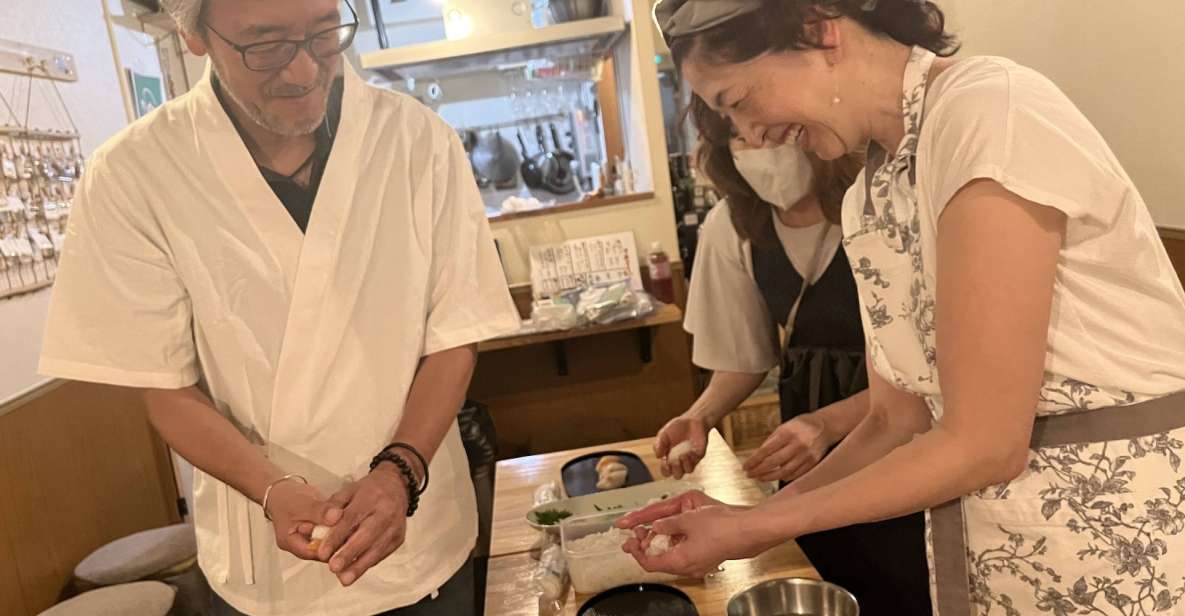
This experience is based around Shijo Karasuma. You don’t have to hunt for some mystery address. You’ll get an email with a Google Maps link, and when you arrive you’ll look for a welcome board. The operator uses two different venues around the area and chooses the room based on the number of participants.
The small group size is a big part of the value. Limited to 8 participants means you’re not stuck in a lecture with 20 other people. You can ask quick questions and get hands-on guidance without feeling rushed.
A detail I like from past sessions: the setup can feel cozy, and at least one participant mentioned a venue overlooking the river. Even if your room doesn’t have that view, the point is the same—you’re in a real teaching space, not a giant stage.
The Class Flow: Toy Practice, Then Real Nigiri
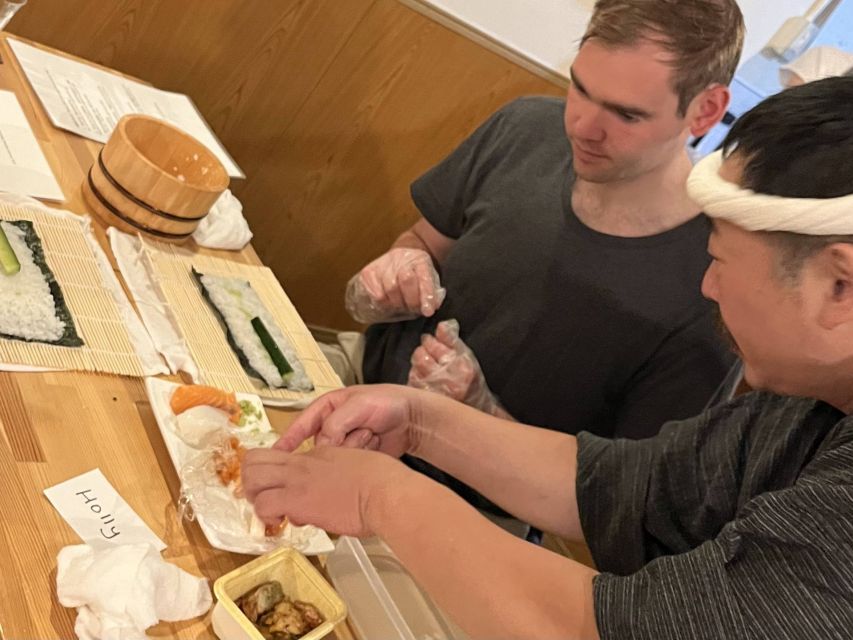
The lesson is designed for beginners, including kids. That’s not a marketing line—it shows up in the actual sequence.
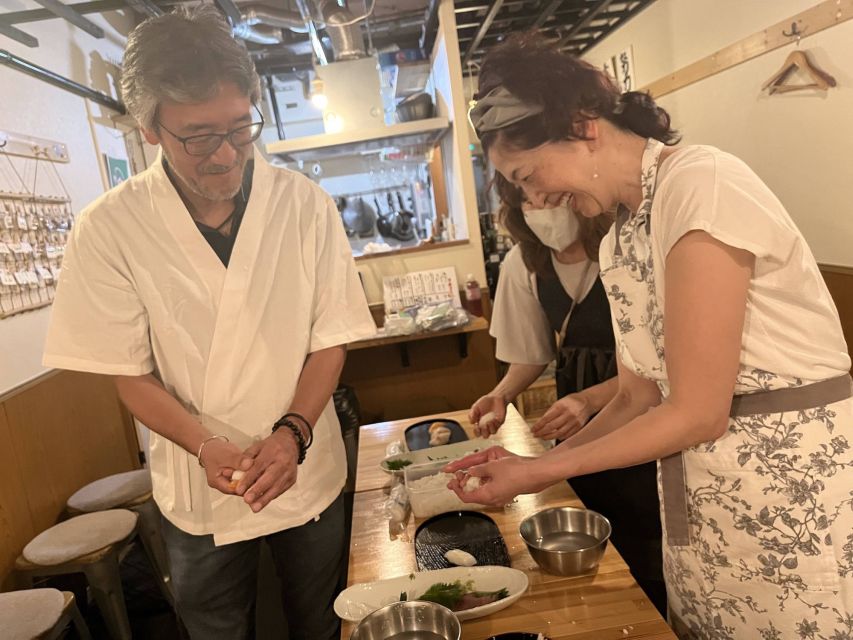
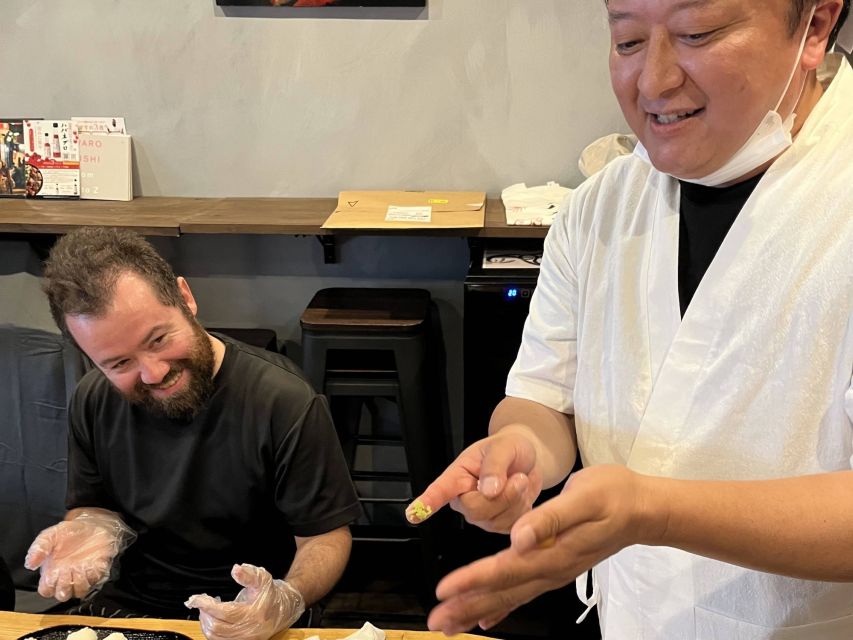
First, you practice with a sushi sample toy. This is a clever training move. Sushi shaping takes muscle memory: how you press rice, how you form the nigiri, and how you keep it neat without squashing it into paste. The toy stage lets you learn the motion without worrying about messing up real fish.
Then you step up to real nigiri. The chef teaches you how to do it step by step, so you’re not guessing. Expect the focus to be on:
- Getting the rice texture right before you shape
- Forming nigiri with consistent shape and gentle pressure
- Learning the basic handling so it stays clean and tidy
If you’re coming hoping for the full behind-the-scenes skill (like making rice from scratch), keep your expectations calibrated. One participant noted they wished they could prepare the rice and cut the fish themselves. This class still gives you a lot of action, but the hands-on emphasis leans toward shaping and assembling rather than doing every prep step from zero.
Rolling Maki With a Special Tool, Then Plating Like a Pro
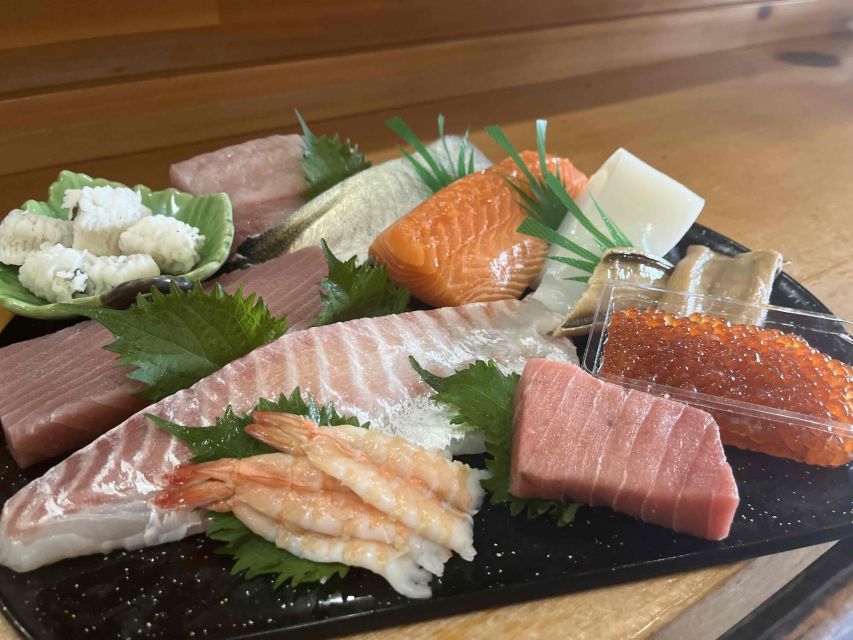
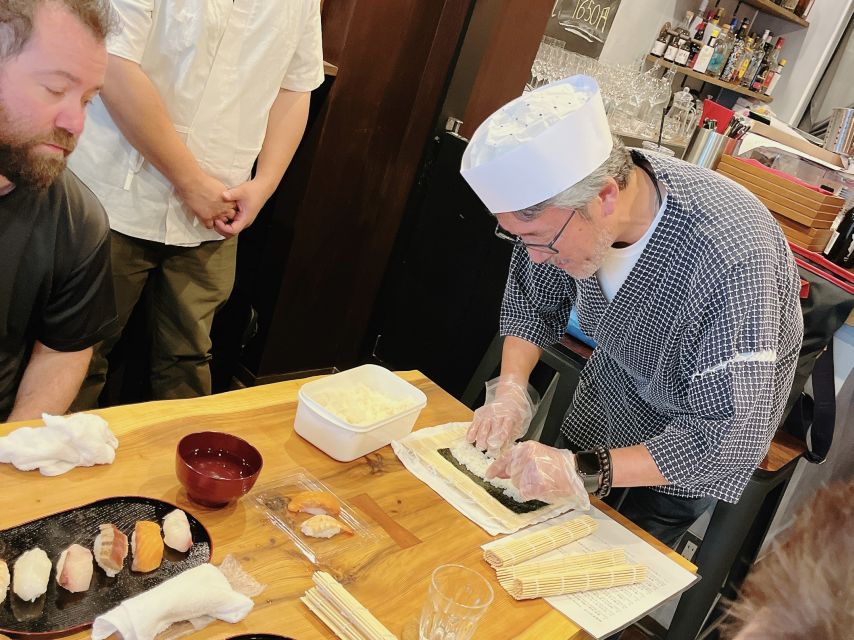
After nigiri, you move on to sushi roll—maki. You’ll use a special tool for rolling, which helps beginners get a tighter, cleaner roll without turning the bamboo mat into a wrestling match.
This stage is where a lot of people surprise themselves. Once you’ve practiced the rice feel on the nigiri, rolling becomes much easier. The tool helps you stay consistent, and the chef can guide you if your roll is too loose or your edges aren’t lining up.
Then comes a fun, satisfying moment: decorating your sushi on the sushi plate. You’re not just watching the chef arrange everything. You build and finish the plate, and then you eat it as a proper lunch.
That meal part is more than a perk. It’s how you learn. You get immediate feedback from your own mouth: did the fish and rice balance feel right? Was the roll too tight? Did the nigiri hold together the way it should? Eating right after making is what turns a cooking class into a skill you can repeat later.
What You’ll Learn Beyond Technique: Etiquette, Knives, and Fish Talk
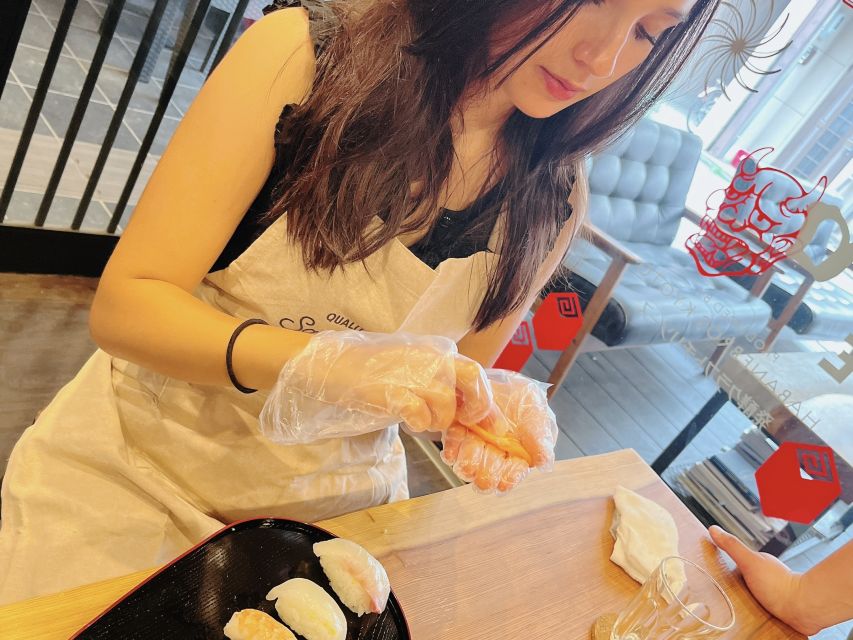
Good sushi isn’t only technique. It’s also how you handle food and how you behave in a sushi restaurant.
Based on what instructors have explained in past sessions, expect at least some of this kind of content:
- Dining etiquette (how to eat sushi properly)
- Insights on different fish you’re using
- Knives and what they’re for, and why certain cuts matter
Chefs including Hide and Yukihide-san have been described as relaxed but detailed—patient enough for beginners, and experienced enough to explain why each step matters. You’re not just copying shapes. You’re learning what makes sushi work, so when you order sushi later, you can recognize the decisions behind it.
One more plus: a participant mentioned that hygiene is taken seriously, and some sessions include extra help like tips for other restaurants and even translation support. That’s not guaranteed for every group, but it fits the general vibe: the chef wants you to leave with practical understanding, not just photos.




Photos and Videos Included So You Can Actually Participate
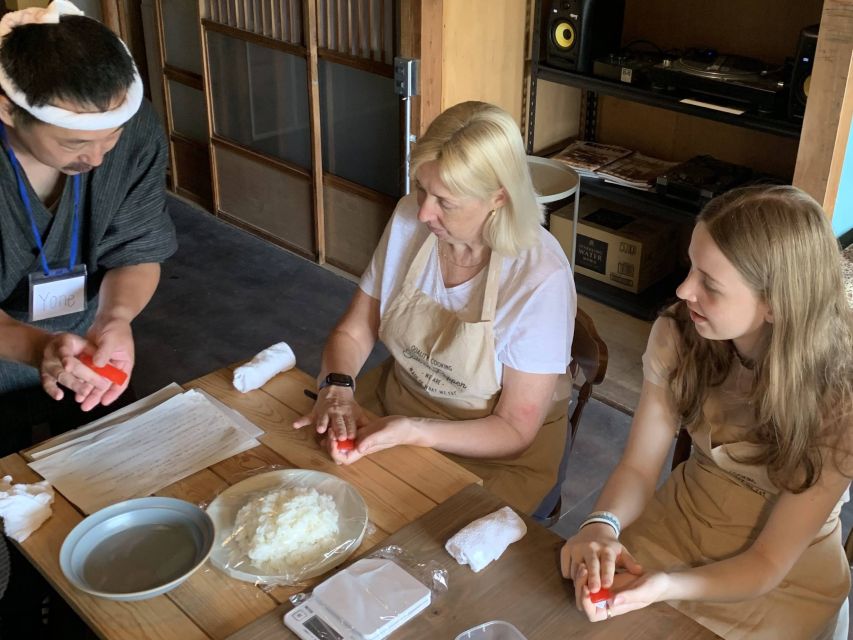
A lot of classes fail at one thing: people spend half their time trying to photograph their own hands. This class removes that pressure.
There’s a photo-taking service during the class, and you’ll get photos and videos shared after the lesson. That means you can concentrate on your rice pressure, your nigiri shape, and your roll tightness—without constantly looking up to check your framing.
Why you should care: sushi looks simple, but it’s fiddly. Capturing the process matters, and so does getting good at the process. The included photo and video sharing gives you both. You’ll have a record of what you made, and you’ll be able to refresh the memory later when you try again at home.
Tea, Dashi Soup, and Lunch From Your Own Sushi Plate
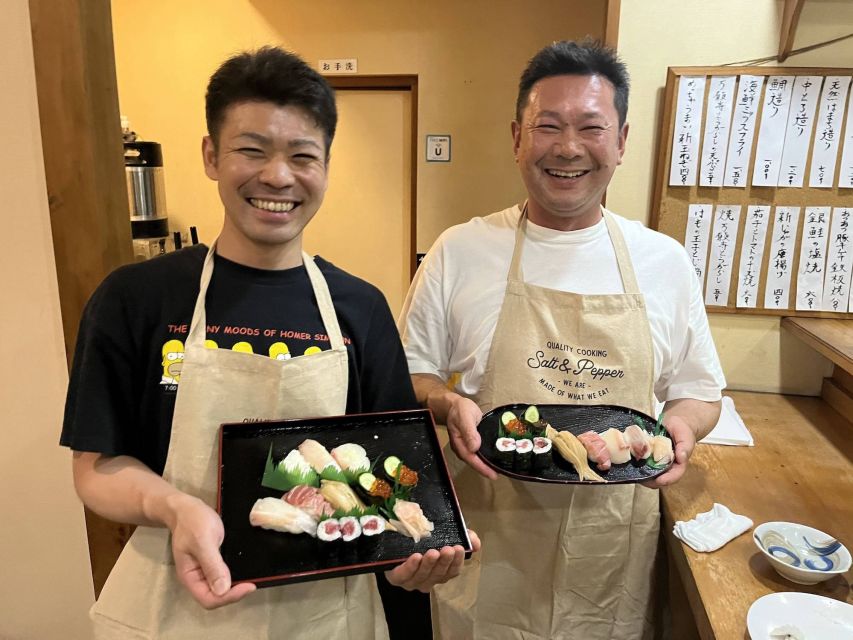
You get tea or water, plus Japanese-style dashi soup. Then you eat the sushi you prepared.
This matters for your day planning. You’re not walking out of class and immediately hunting for lunch. You already have it, and it’s tied directly to what you practiced. That makes the whole experience feel like a complete activity rather than a short “demo plus a bite.”
Also, if you’re the type who worries about raw fish, this class gives you structure. It starts with practice first, then guided steps, then you eat what you made. You’re not thrown into chaos. And yes, some people who don’t normally love raw fish have still enjoyed the class and the results, because the focus is on balance, freshness, and handling.
Price and Value: What $74 Actually Buys in Kyoto
$74 per person for about 90 minutes to 3 hours can sound like a “touristy price” until you break down what’s included.
Here’s what you’re paying for, and why it adds up:
- A sushi chef teaching you step by step (not a self-guided activity)
- Fresh fish obtained via early-market sourcing
- Real nigiri practice and maki roll building with guidance
- Tea or water, plus dashi soup
- Eating what you make as lunch
- Photos and videos shared afterward
- A small group capped at 8, which increases the chance of real correction and feedback
In other words, you’re not only buying food. You’re buying instruction, ingredient quality, and a meal. That’s why many participants call it one of their favorite Kyoto memories—and why families and mixed-age groups tend to like it. You get a “do it with your hands” experience, and you leave with something you can repeat.
Who This Kyoto Sushi Class Fits Best (and Who Should Think Twice)
This is a great choice if you want:
- A hands-on Kyoto activity near Shijo Karasuma
- Clear step-by-step guidance for nigiri and maki
- A small-group experience where questions are welcome
- A way to learn sushi etiquette and fish-handling basics
- A class that ends with you eating your own lunch
It’s especially good for families. The class is structured for beginners and kids, and past sessions included people with a 5-year-old who had fun learning.
But it’s not the right fit if:
- You have food allergies (the activity notes it isn’t suitable for people with food allergies)
- You use strong fragrances (not allowed)
- You specifically want to do every prep task yourself, like rice prep and fish cutting. You’ll shape and assemble, but you may not handle every step from scratch.
If you’re on the allergy side: don’t assume you can “figure it out.” Confirm what’s possible before you book, especially because the activity info is strict about food allergies.
Should You Book This Kyoto Sushi Making Class?
If your goal is to learn sushi in a real, chef-led way—without stress, with fresh fish, and with photos afterward—then yes, this is one of the better bets in Kyoto.
Book it if you want a skill you’ll actually use again, like how to shape nigiri and build maki rolls, plus the dining manners that make restaurant sushi feel less mysterious. The small group size and the toy-to-real progression make it beginner-friendly without turning it into a gimmick.
Think twice if you have food allergies, need to avoid strong fragrances, or you’re hoping to do every prep step like a professional from the rice cooker to the knife work. In those cases, you’ll want a different kind of class—or at least clearer confirmation of what’s included for your needs.
FAQ
How long is the Kyoto sushi making class?
The class runs for 90 minutes to 3 hours, depending on the available starting times.
How many people are in the small group?
It’s limited to 8 participants.
Where do we meet in Kyoto?
The meeting point is around Shijo Karasuma. You’ll be emailed a Google Maps link, and you should look for the welcome board when you arrive.
What sushi will I make in the class?
You’ll make nigiri first, then sushi rolls (maki) using a special tool. You’ll also decorate the sushi on your plate before eating.
Is lunch included?
Yes. You eat the sushi you prepare as lunch, plus tea or water and Japanese-style dashi soup.
What languages does the instructor speak?
The class is offered with an instructor who speaks English and Japanese.
Is it okay if I have food allergies?
The activity information says it isn’t suitable for people with food allergies. You should plan accordingly and confirm details before booking.
Can I cancel, and what’s the refund policy?
You can cancel up to 2 days in advance for a full refund.