REVIEW · KYOTO
Uji Walking Tour – Byodo-in temple and Tea Ceremony from Kyoto
Book on Viator →Operated by JTB Global Marketing & Travel Inc. · Bookable on Viator
Uji is one of those day trips that feels like a whole world. This half-day outing strings together tea culture and Byodo-in Temple with a guided walk that starts right at Kyoto Station and ends back near it.
I especially like the setup: you get a guided, small-group walk through Uji’s historic spots, plus a real tea ceremony at Taihoan instead of just a quick tasting. The other big win is the included Byodo-in visit, with time to see the garden and understand why this temple shows up on the 10 yen coin legend. One thing to watch: the schedule is tight, and if Byodo-in is crowded you may not be able to enter the Phoenix Hall.
In This Review
- Key moments that make this tour worth your time
- A half-day tea and temple run from Kyoto Station
- Kyoto to Uji: the train ride that keeps you local
- Ujibashi Bridge and the Uji river walk you’ll remember
- Nakanoshima Park: scenic time, with a small weather caveat
- Taihoan tea ceremony: socks on, phone off, attention on
- Byodo-in Temple and the Phoenix Hall question
- Price and pacing: good value, but not a slow day
- Practical tips so the day feels smooth
- Who should book this Uji walking tour?
- FAQ
- How long is the Uji Walking Tour from Kyoto?
- What does the tour price include?
- Do I need to reserve seating on the train?
- Is the tour mostly walking or does it include a bus?
- Can I enter the Phoenix Hall at Byodo-in?
- What kind of tea will I get at Taihoan?
- Where do I meet the tour?
- Should you book this Uji walking tour?
Key moments that make this tour worth your time
- Ujibashi Bridge: get the classic photo at a bridge thought to date back to the 7th century, with great views from san-no-ma
- Small group (max 12): easier walking, easier pacing, and less waiting around on busy streets
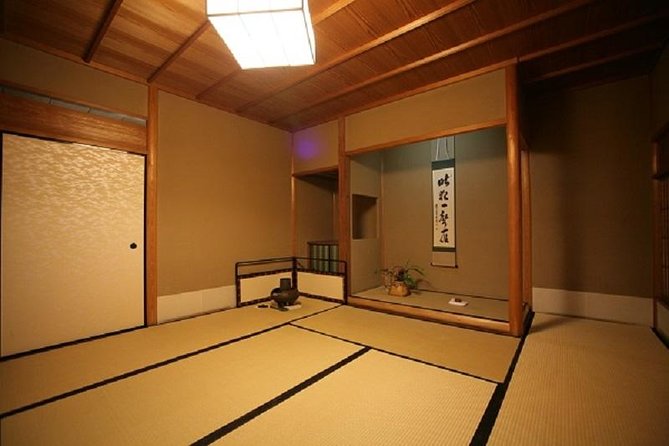
- Taihoan tea ceremony: a true sit-down tea experience in a tatami room (socks required; no video recording)
- Byodo-in admission included: guided context for a Heian-era temple linked to the Historic Monuments of Ancient Kyoto
- JR trains are non-reserved: you’re traveling like locals, but seating is not guaranteed
A half-day tea and temple run from Kyoto Station
This tour is built for people who want more than a checklist. In about 4 hours (4 hours 10 minutes), you’ll move from Kyoto to historic Uji, walk the river area, sit through a tea ceremony, then visit Byodo-in before heading back. It’s a light day in theory, but don’t treat it like a slow stroll—this one moves.
What I like about the value is that it doesn’t rely on a bus loop. You’re using public trains (JR rapid and local) and doing the sightseeing on foot, which keeps you close to the places you came for. Plus, guide interpretation in English is included, so you’re not stuck guessing what you’re seeing.
If you’re traveling on a tight schedule, you’ll like how the timing fits a morning. It starts at 8:20 am and ends around 12:30 pm near Kyoto Station.
You can also read our reviews of more walking tours in Kyoto


Kyoto to Uji: the train ride that keeps you local
You meet at the JTB Sunrise Tours Desk at AVANTI in Kyoto (B1F). From there, the plan is straightforward: hop on a JR rapid train to Uji Station using non-reserved seats.
Two practical points matter here. First, trains in Japan can be efficient but not always calm—so be ready to stand if you arrive a bit later than ideal. Second, you’ll want to keep your energy for walking right after you get off.
The tour also notes that seating isn’t guaranteed. That’s common for this style of tour, and it doesn’t spoil the day. It just means you should travel light and stay flexible.
Ujibashi Bridge and the Uji river walk you’ll remember
Once in Uji, you walk to the iconic Ujibashi Bridge with your English-speaking guide. The bridge is thought to have been built as far back as the 7th century, and it’s considered one of the oldest bridges in Japan. That alone gives your first stop a sense of depth—you’re not just looking at scenery, you’re stepping into a place with old roots.
You’ll also hear about san-no-ma, a small protrusion off one side of the bridge where you get especially nice views. If you like photos, this is one of your best chances on the route.
Then you move into the park side of Uji. This section is part sightseeing, part pace-setter—think of it as your warm-up before the more focused cultural stops.
Nakanoshima Park: scenic time, with a small weather caveat
Next up is Nakanoshima Park (Uji Park) along the river. This is where the day feels more open and less structured. The park area gives you a breather from temple interiors and tea-room rules, and it’s a good spot to slow down enough to take in how Uji sits in its valley.
The one consideration: the tour may not be able to drop by the park if the Uji River has high water. That’s not something you can control, but it’s also the kind of thing that’s easy to forgive if the rest of your stops go as planned.
If you’re the kind of traveler who needs every scheduled view, bring a little patience. Rivers change the plan more often than you’d expect.
Taihoan tea ceremony: socks on, phone off, attention on
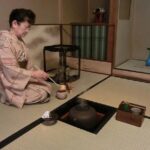
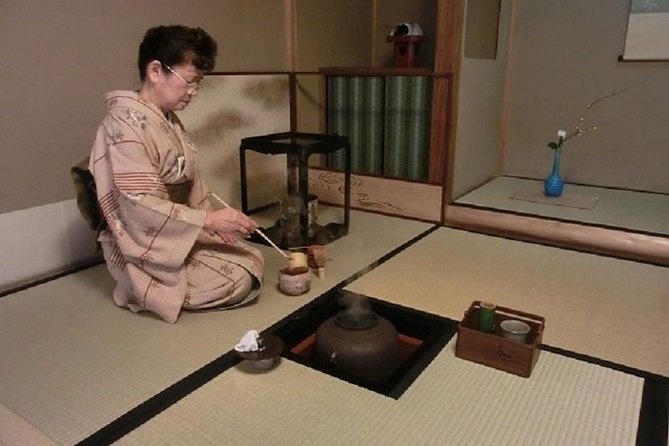
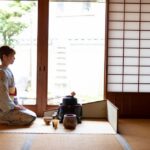
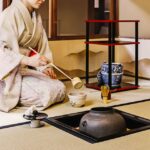
Taihoan is where the tour turns from walking into a cultural moment you actually participate in. You get a tea ceremony experience at a teahouse in Uji’s tea town, and it’s timed well enough to feel real: about 20 minutes.
A few details matter before you go:
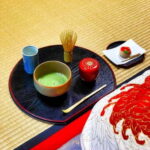
- The ceremony may use matcha green tea or sencha green tea, depending on the day. You can’t choose in advance.
- It may be done with other customers, so don’t expect a private performance.
- The experience is held in a tatami room, so you’ll need socks.
- Video recording isn’t allowed in the tea room.
These are small rules, but they shape how the ceremony feels. If you show up with grippy shoes and no socks, you’ll be scrambling. Bring socks in your day bag and treat this stop like a quiet pause rather than a photo sprint.
What you get from an actual ceremony here is more than the drink. It’s a guided taste of how Uji understands tea as a ritual, not a beverage. Even if you’ve had matcha before, sitting through a formal sequence gives you context for why this place matters.


Byodo-in Temple and the Phoenix Hall question
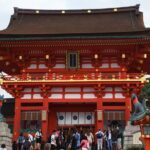
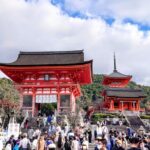
Byodo-in is the big cultural anchor of the tour. You’ll visit it for about 50 minutes, and admission is included. The temple sits near the end of the Heian Era and is surrounded by a beautiful garden.
This stop also has heavyweight credentials. Byodo-in is registered on the World Heritage List as part of the Historic Monuments of Ancient Kyoto. And the Phoenix Hall image is featured on the 10 yen coin, which makes it easier to recognize once you’re there.
Here’s the key practical note: the tour warns that entry to the Phoenix Hall may not be possible if it’s too crowded. If that happens, JPY 300 is refunded on site. That means you should mentally plan this stop as two layers: you’ll see Byodo-in and its grounds, but the Phoenix Hall itself isn’t 100% guaranteed in peak congestion.
If you’re the kind of traveler who really wants the Phoenix Hall angle for photos, keep expectations realistic. The staff controls access, and your best move is to be calm and ready to adapt if the line is tight.
Price and pacing: good value, but not a slow day
At $96.06 per person, this isn’t a bargain in the way a DIY train ticket is. But you’re paying for three things that add up fast when you do them alone:
1) English guide interpretation across multiple stops
2) Tea ceremony included (plus the rules and timing that make it easy)
3) Byodo-in admission included, along with guided context
That’s why I think the price makes sense if you want Uji to feel organized and meaningful. It saves you from figuring out the right sequence, timing, and cultural context on your own.
Now the honest part: this tour can feel fast. It’s walking plus short timed stops, and the pace is designed to fit the train schedule back to Kyoto. If you stop often for photos, you may feel like you’re rushing through segments or moving on before you’re ready.
The small group size helps. Max 12 travelers is a sweet spot because you don’t get swallowed by a huge crowd. It’s easier to hear your guide, and it’s easier to keep together without feeling stuck behind strangers.
Who this suits best? People who enjoy guided walking, people who want tea culture without planning headaches, and anyone who wants a structured morning without an all-day commitment.
Practical tips so the day feels smooth
A few prep moves will make this outing much more comfortable.
Wear shoes that are easy to walk in. The tour is not a bus day; sightseeing is on foot. There’s no mention of long stretches, but you will still rack up walking time across bridges, parks, and temple grounds.
Bring socks for the tea room. It’s a tatami setting, and the tour explicitly says you need socks there. If you forget, you’ll lose time and possibly the vibe.
For photos, prioritize your timing. The bridge is your classic photo moment, and Byodo-in is your second big one. If you try to capture everything, you’ll slow the group—and the group moves fast enough that you might feel pressure.
Also note that the order and arrival times may shift with road conditions and congestion. That’s normal for walking days in popular areas.
Who should book this Uji walking tour?
Book it if you want:
- an organized morning in Uji with an English-speaking guide
- a real tea ceremony at Taihoan with correct on-site rules (tatami, socks, no video)
- a guided Byodo-in visit that connects what you see to its major role in Japanese history and design (including the 10 yen coin link)
Skip it if you:
- hate tight schedules and prefer long, unhurried museum time
- need guaranteed access to the Phoenix Hall specifically in peak hours
- want a totally flexible day where you can linger wherever you want
This is a strong choice for first-timers to Uji. If you’ve been there before and want total freedom, it may feel a little structured.
FAQ
How long is the Uji Walking Tour from Kyoto?
The tour runs about 4 hours 10 minutes, finishing around 12:30 pm near Kyoto Station.
What does the tour price include?
It includes an English guide interpreter, other transportation costs, the Taihoan tea ceremony experience, and Byodo-in Temple admission.
Do I need to reserve seating on the train?
The trains use non-reserved seating, so seating is not guaranteed.
Is the tour mostly walking or does it include a bus?
It’s a walking tour. Sightseeing is done on foot, not as a bus tour.
Can I enter the Phoenix Hall at Byodo-in?
Entry to the Phoenix Hall may not be possible if it’s congested. If that happens, JPY 300 is refunded at the location.
What kind of tea will I get at Taihoan?
The ceremony may use matcha green tea or sencha green tea depending on the day. You may not be able to choose, and it can be with other customers.
Where do I meet the tour?
You meet at the JTB Sunrise Tours Desk Kyoto at AVANTI (B1F) in Kyoto, and the tour ends near Kyoto Station.
Should you book this Uji walking tour?
Yes, if you want Uji to feel effortless and culturally grounded in one morning. The best parts are the combo of Taihoan tea ceremony and Byodo-in with English guidance, plus the easy train access from Kyoto. It’s also a small-group format, which helps when you’re moving quickly through popular places.
Just go in with the right mindset: this is a tight, efficient route. If you can handle that, you’ll come away with both a great photo stop at Ujibashi Bridge and a meaningful tea-and-temple morning that doesn’t eat your whole day.