REVIEW · KYOTO
Kyoto Private Tour: One Day Highlights and Cultural Gems
Book on Viator →Operated by Trip Designer Inc. · Bookable on Viator
Kyoto can feel huge, but this route keeps it tight and meaningful. You’ll get a smooth flow from the old-lane charm of Gion to the iconic red torii walk at Fushimi Inari, with time at major cultural anchors. I especially like the pacing: it’s built for walking, but it doesn’t crush your legs all day. Another win is the practical help from the guide, including tailoring around needs like halal/vegetarian meals when you ask.
One consideration: food and drinks are not included, so you’ll want to budget a bit beyond the tour price.
This tour is also designed to feel human, not factory-run. You start at Kyoto Station, move using public transportation, and you end back near where you began. It’s a private tour, so you’re only sharing the day with your group, which usually makes questions and small detours much easier.
In This Review
- Key Points You’ll Care About
- A Seven-Hour Kyoto Day That Hits the Sacred and the Street Scenes
- Price and Logistics: What You Get for $145.35
- Gion After Lunch: Streets for Tea Houses and Getting Your Bearings
- Yasaka Shrine: Festival DNA and a Famous Sacred Corner
- Kennin-ji Temple: Oldest Zen Temple in Kyoto and Why That Matters
- Nishiki Market Shopping District: Kyoto-Local Food and Craft Browsing
- Fushimi Inari-Taisha: Walking Under Thousands of Torii
- How the Guide Makes It Personal (Aki’s Help With Real-World Needs)
- Who This Tour Fits Best (and Who Might Want Something Different)
- Should You Book This Kyoto Highlights Tour?
- FAQ
- How long is the Kyoto private tour?
- What is the price per person?
- Where does the tour start?
- Does the tour include hotel pickup and drop-off?
- Is the tour private?
- Is food included?
- Are temple admissions included?
- What transportation is included?
- Can the itinerary be changed?
- Is there free cancellation?
Key Points You’ll Care About
- Private by default: only your group participates, so the day feels more flexible.
- English-speaking guide: you’re not just “watching,” you’re getting context on what you see.
- Kennin-ji admission included: at least one temple stop won’t be an add-on cost.
- Fushimi Inari torii walk: thousands of red gates, done on foot in a guided plan.
- Nishiki Market time: Kyoto-local shopping and seasonal-food browsing.
- Dietary support when requested: the guide has shown effort to find halal/vegetarian options in advance.
A Seven-Hour Kyoto Day That Hits the Sacred and the Street Scenes
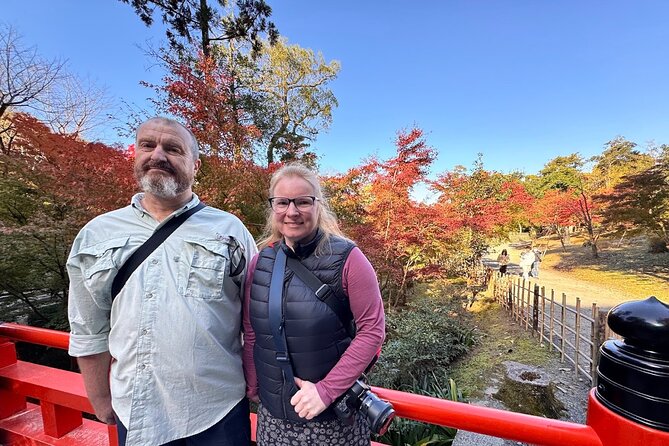
Kyoto is famous for contrast: ceremony next to snack carts, quiet temple corners next to shopping streets. This kind of one-day highlights plan works because it strings together the places that give you different sides of the city in the right order. Expect a mix of walking and short stretches of guided explanations so you can actually understand what you’re looking at, not just point and photograph.
The day runs about 7 hours. That’s long enough to see multiple neighborhoods without feeling like you’re sprinting from one photo stop to the next. And because it’s a private tour, your guide can adjust pacing to your group’s comfort level, including small itinerary tweaks you request.
Also, the timing of the day matters. After lunch, the plan shifts into Kyoto’s old-world lanes and temple zones. That helps because Gion and the shrine areas reward slower strolling. You get time to look closely at street details, shop displays, and temple atmospheres instead of treating everything like a quick checkpoint.
You can also read our reviews of more private tours in Kyoto

Price and Logistics: What You Get for $145.35
At $145.35 per person, the value comes from what’s built in: an English-speaking guide, public transportation, local taxes, and hotel pickup/drop-off within Kyoto City. You also get photos of tour participants, which sounds small, but it helps if you don’t want to constantly ask strangers to take pictures of your group.
This is not a “food tour.” Food and drinks are not included, so factor in lunch and any snacks you want at Nishiki Market. Also not included: private transportation like a taxi or private car. The tradeoff is that you’ll be using public transit, which is typically faster and simpler in Kyoto than trying to drive everywhere.
You’ll start at Kyoto Station (specifically the Kyoto Station Higashishiokoji Kamadonocho area) and the tour ends back at the meeting point. That matters more than it sounds. When you finish near a major hub, you’re less stressed about getting around afterward, especially if you’re juggling dinner plans or next-day travel.
If you’re traveling with a child, children must be accompanied by an adult. Service animals are allowed, and the meeting area is near public transportation. So even when the day is walking-heavy, you’re not completely cut off from transit options.
Gion After Lunch: Streets for Tea Houses and Getting Your Bearings
Gion is one of those Kyoto neighborhoods where the street itself is the attraction. The plan takes you through Gion extending west of Yasaka Shrine, with the walk stretching north and south along the traditional lanes. The vibe here is old Kyoto in the open air: charming facades, small cafes, and tea houses that make the area feel lived-in.
I like that this stop is positioned after lunch. Gion is best when you’re not rushing. You’ll get a chance to slow down, look at the architecture, and enjoy the kind of seasonal street detail Kyoto does well. The route even references a cherry-blossom-lined path, which is a reminder that the experience can shift beautifully by season, even if you’re walking the same general streets.
One practical consideration: Gion is a famous area, so expect company. A guided private pace helps you avoid the worst “stuck in a crowd” rhythm by keeping you moving and pointing your attention toward the right details.
What you’ll leave with here is not just photos. It’s a sense of how Kyoto’s atmosphere changes block by block. After Gion, the city will start to feel more connected, because you’ve already stepped into the neighborhoods that influence how festivals and temples are understood.
Yasaka Shrine: Festival DNA and a Famous Sacred Corner
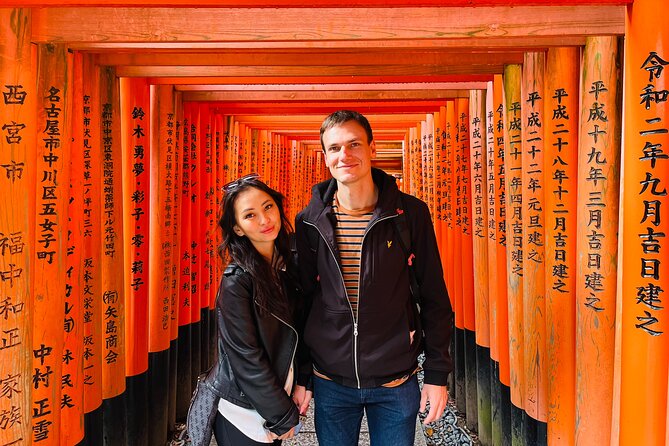
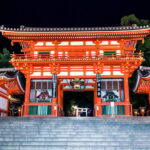
Yasaka Shrine is famous for its connection to the Gion Festival, which locals call Gion San. That festival link matters because it gives you a lens. You’re not just seeing a shrine building. You’re seeing a place tied to one of Japan’s biggest seasonal rhythms.
The stop is planned for about 50 minutes. That’s a good length: long enough to understand why the shrine is important, short enough that you’re not bored before the next big moment. The shrine grounds also work as a transition space between neighborhood walking and temple calm.
A small consideration: if you’re visiting around New Year, the shrine’s worshiper pattern is highlighted in the tour description, meaning it can get especially active in that period. If you’re flexible, going on a typical weekday (when possible) can help keep things from turning into pure crowd management.
When this stop goes well, you’ll start connecting Kyoto’s “celebration spaces” with its “quiet spaces.” That’s the real value here. Kyoto isn’t one single mood. It’s a set of moods that talk to each other.
Kennin-ji Temple: Oldest Zen Temple in Kyoto and Why That Matters
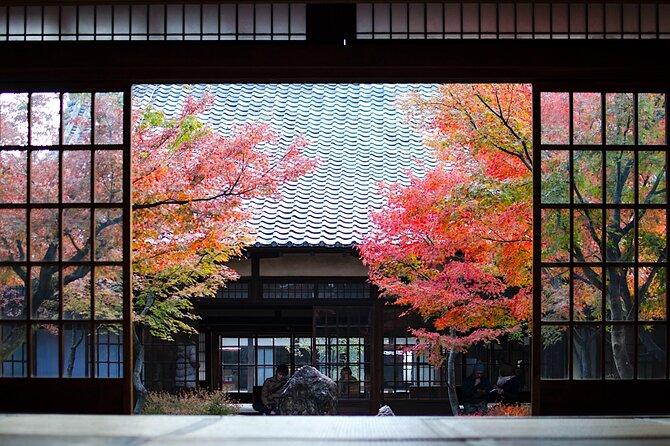
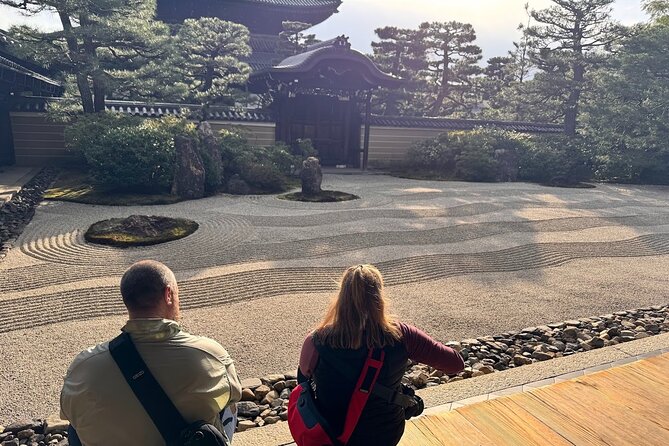
Kennin-ji is where the day gets grounded. It’s described as the oldest Zen temple in Kyoto, opened by Eisai, the figure associated with founding the Rinzai sect. Even if you’re not deep into Zen terminology, the point lands: you’re walking in a place tied to early Zen roots in Kyoto.
Admission for this stop is included, and that’s a nice built-in perk. But the bigger value is context. When you understand that a temple is old in Kyoto terms, you pay attention differently. You notice how time changes the way space feels—how visitors behave, how people move, and how the grounds support quiet attention.
The stop runs about 1 hour. That’s a strong amount of time for a temple without turning it into a lecture. You’ll likely get guided interpretation that helps you read the temple as more than a “pretty place to photograph.”
One thing to keep in mind: temple calm can be genuinely calming, but it can also feel still if you’re expecting constant action. If you want a day full of movement, balance your expectations here. Kennin-ji is part of the point.
You can also read our reviews of more tours and experiences in Kyoto




Nishiki Market Shopping District: Kyoto-Local Food and Craft Browsing
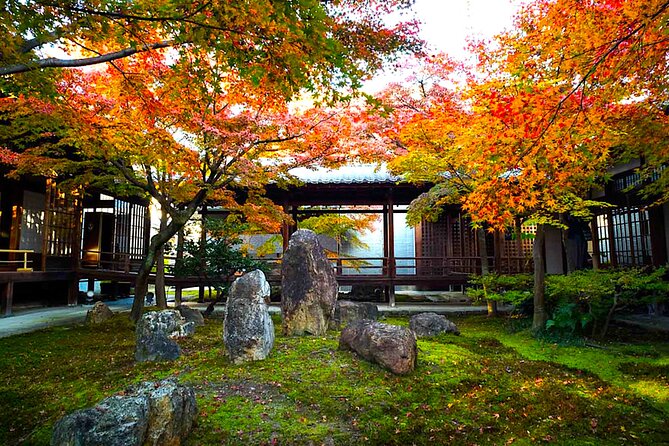
Nishiki Market is often called a shopping district that Kyoto locals use, and that’s exactly what makes it interesting. The focus here isn’t souvenir clutter. It’s the everyday Kyoto angle—seasonal fish and fruits on display and traditional craft items that feel tied to the city instead of generic tourist retail.
You’ll spend about 40 minutes. That’s enough time to browse without feeling trapped. Nishiki works best when you treat it like a guided walk with optional stops, not a strict shopping mission. If you find a product that genuinely speaks to you—something you’d actually use back home—that’s when to buy. Otherwise, keep the energy light and just enjoy the sensory mix.
Because food and drinks aren’t included, this is where you decide how much to snack. If you’re hungry, plan your snack stops early in the market window so you don’t hit the end of the time block still searching for something that fits.
One consideration: markets can be tight in spots. Wear shoes that handle uneven pavement and the simple reality of shoulder-to-shoulder moments. The good news is that 40 minutes is short enough to stay comfortable.
If you want a Kyoto memory that isn’t a temple photo, Nishiki is a solid bet. It gives you objects and tastes that feel like a local habit.
Fushimi Inari-Taisha: Walking Under Thousands of Torii
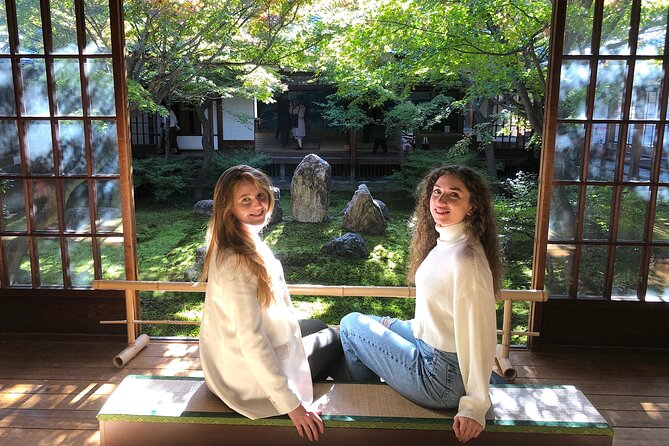
This is the big moment. Fushimi Inari-Taisha is built around thousands of torii gates, and the tour is designed for a guided walking experience under those iconic red arches. It’s described as both popular and peaceful, which is a good reminder that you can find quiet even in a famous spot if you’re moving with purpose.
You’ll spend about 1 hour at Fushimi Inari. That’s enough time to get that “I’m really here” feeling without turning it into an all-day hike. The guided plan matters because the torii corridors can feel maze-like if you’re solo. With a guide, you’re less likely to waste time wandering in circles.
This stop is also a lesson in Japanese shrine aesthetics. Torii gates mark sacred boundaries, and the repeated pattern creates a visual rhythm that changes as you move. The experience doesn’t just look striking. It feels different, step by step.
A practical consideration: expect stairs and uneven ground in shrine areas. Bring water if you’re the kind who gets dry easily. Since food and drinks aren’t included, you’ll also want to plan for snacks earlier in the day if you know you’ll want them during the walking segment.
If you only take one guided stop in Kyoto, this is the one. It’s iconic, but the guided pacing helps it land in a way that feels more than just a photo line.
How the Guide Makes It Personal (Aki’s Help With Real-World Needs)
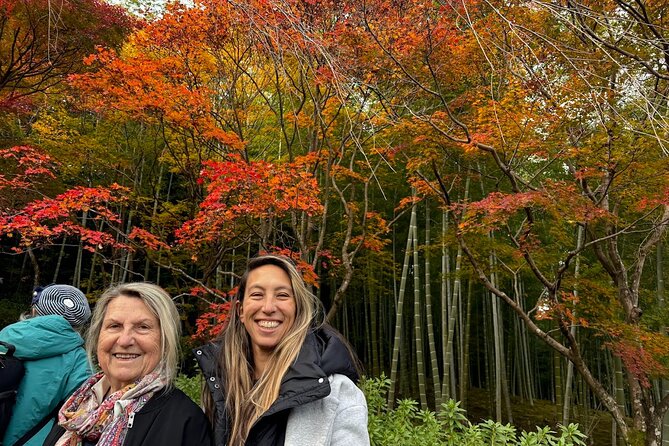
The guide is where this tour can shift from “highlights” to “worth it.” One review specifically called out meeting Aki, and that’s a useful detail because the tour description clearly supports flexible needs. When asked for halal/vegetarian options, Aki put in effort to search for a restaurant in advance.
That’s not a small thing. Kyoto has plenty of food choices, but dietary needs can be stressful when you don’t speak the language. A guide who takes that seriously turns the day from stressful logistics into a smooth flow.
You’ll also benefit from a guided Q&A style. Even when you don’t ask much, a good guide helps you notice what you’d otherwise miss: why a shrine matters, why a neighborhood feels the way it does, and how each stop connects to the bigger Kyoto story.
And because it’s private, you’re not stuck waiting for a group pace that doesn’t fit your energy. If you want more time at a specific scene, you can ask. If you want fewer stops or different order for comfort, you can request changes based on your wishes.
Who This Tour Fits Best (and Who Might Want Something Different)
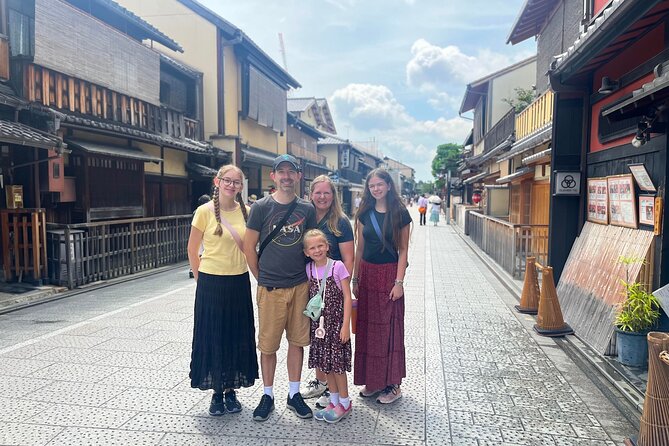
This tour is a strong match if you want Kyoto highlights without spending hours planning. You get major stops—Gion, Yasaka Shrine, Kennin-ji, Nishiki Market, and Fushimi Inari—stacked into one walking day. You also get English interpretation, pickup/drop-off within Kyoto City, and public transportation handled for you.
You’ll likely enjoy it if:
- You’re seeing Kyoto for the first time and want a guided path that feels logical.
- You like mixing temples with neighborhood atmosphere and market browsing.
- Your group prefers a more private pace than a big bus tour.
It might not be the best fit if:
- You want a heavy focus on hands-on cooking or museum-style time, since food/drinks aren’t included and the stops are mostly walking.
- You’re sensitive to crowds at famous areas like Gion and Fushimi Inari, even though the guide helps you manage the flow.
For families, the day can work well if kids can do sustained walking. For visitors with service animals, the tour states service animals are allowed, and the meeting area is near public transportation.
Should You Book This Kyoto Highlights Tour?
If you want a one-day Kyoto plan that makes sense—temples, neighborhood streets, a major market stop, and the torii gates—you’ll likely be happy booking this. The price isn’t cheap, but you’re paying for an English guide, private-group pacing, public transportation, and hotel pickup/drop-off in Kyoto City.
Book it especially if you’d benefit from a guide who helps with real needs, like halal/vegetarian choices. The mix is practical: you get the headline sights without turning the day into chaos.
If you prefer a DIY day where you control every minute yourself, then you may prefer building your own route. But if you’d rather spend your time enjoying Kyoto instead of mapping it, this tour is a solid value.
FAQ
How long is the Kyoto private tour?
It’s about 7 hours.
What is the price per person?
The price is $145.35 per person.
Where does the tour start?
It starts at Kyoto Station, at Higashishiokoji Kamadonocho, Shimogyo Ward, Kyoto.
Does the tour include hotel pickup and drop-off?
Yes, hotel pickup and drop-off are included within Kyoto City.
Is the tour private?
Yes. It’s a private tour/activity, so only your group participates.
Is food included?
No. Food and drinks are not included.
Are temple admissions included?
Kennin-ji Temple admission is included. The other listed stops are described as free for admission.
What transportation is included?
Public transportation is included. Private taxis or private cars/buses are not included.
Can the itinerary be changed?
Some changes can be made to the itinerary based on your wishes.
Is there free cancellation?
Yes. You can cancel up to 24 hours in advance for a full refund.