REVIEW · KYOTO
From Kyoto / Osaka: Kyoto Must-see Spots & Nara Park One Day Tour
Book on Viator →Operated by F Trip · Bookable on Viator
Kyoto in one day can be a whirlwind. This tour strings together Nara Park, Fushimi Inari, and Arashiyama with smart timing, so you get the big sights without getting lost.
I especially like the mix of “iconic Kyoto” stops and quick breaks for atmosphere. In Nara, the deer are the star show, and in Arashiyama you get several landmark moments packed into a reasonable day. The one drawback: many sites are short and popular, so you’ll move fast and won’t linger like you would on a self-guided day.
In This Review
- Key points at a glance
- A Tight 9 Hours: How This Kyoto-Nara Route Works
- Nara Park Deer Time: Where the Main Event Is Literally the Crowd
- Fushimi Inari Taisha and the Senbon Torii Walk: Short Time, Big Reward
- Arashiyama in Sequence: Bamboo Forest, Nonomiya Shrine, and the Kimono Forest
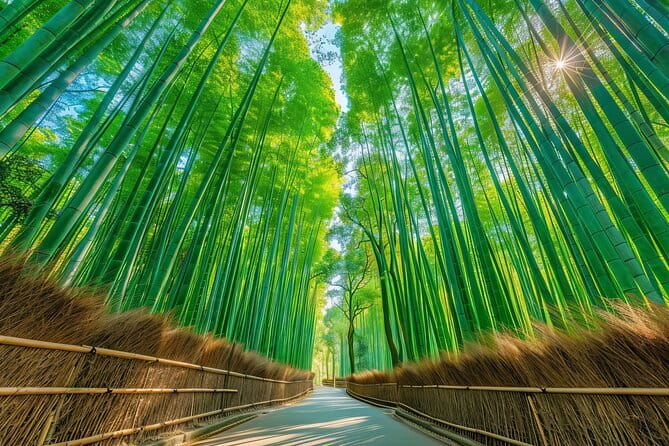
- Bamboo Forest stop: your best use of 50 minutes
- Nonomiya Shrine: the quiet contrast at Arashiyama’s edge
- Kimono Forest: a modern photo install with traditional styling
- Tenryu-ji Temple: The One Ticket You Should Budget For
- Rilakkuma Tea House and Togetsukyo Bridge: Fun Breaks That Keep the Day Light
- Rilakkuma Tea House: a playful stop that fits families
- Togetsukyo Bridge: the iconic Arashiyama viewpoint
- Price and Logistics: Why $60 Can Still Feel Like a Win
- Guides Matter: What the Best Ones Do With a Packed Day
- What Could Feel Rushed, and How You Can Fix It
- Who This Tour Fits Best
- Should You Book This Kyoto and Nara Day Tour?
- FAQ
- How long is the tour?
- Do I start in Kyoto or Osaka?
- What is included in the price?
- Is lunch included?
- Do I need to pay for Tenryu-ji Temple?
- Are the other major stops ticketed?
- How many people are on the tour?
- Do they use mobile tickets?
- What if I need to cancel?
Key points at a glance
- Mostly free admissions, with Tenryu-ji as the one paid add-on
- Guide-led flow that keeps a long day from dragging
- A/C vehicle for the intercity hops and comfort on a full schedule
- Big photo stops in sequence: torii gates, bamboo forest, Togetsukyo Bridge
- Max group size of 45 means you won’t feel totally swallowed by crowds
- Mobile ticket for easier check-in and fewer paper hassles
A Tight 9 Hours: How This Kyoto-Nara Route Works
This is a day tour built for efficiency. You’re looking at about 9 hours, with stops arranged to cover Nara first, then Kyoto’s most famous sights. That structure matters because Kyoto and Nara each have strong “must-see” demand, and trying to do them solo usually turns into trains, transfers, and indecision.
The good news is the tour handles the heavy lifting: you get an air-conditioned vehicle and a guide to keep you moving. The day also runs on a clear schedule, which shows up in the guide praise across many tours. People often mention guides who stay organized, keep timing smooth for large groups, and give practical directions on where to meet back at the vehicle.
Still, understand the trade-off. With a packed itinerary, you won’t have hours at any one place. If you’re the type who likes to slow down at shrines, bamboo paths, or scenic viewpoints, you’ll need to plan for the fact that you might feel a little rushed.
You can also read our reviews of more tours and experiences in Kyoto


Nara Park Deer Time: Where the Main Event Is Literally the Crowd
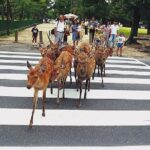
Nara Park is one of Japan’s oldest major parks, and it runs on a simple idea: you come for the temples, but you stay for the deer. The tour gives you about 1 hour, which is just enough to walk the park loop area, see the main temple grounds, and enjoy the deer interaction without turning it into a half-day detour.
What makes Nara special here is the tone of the stop. Guides often emphasize how to handle the deer safely and calmly, and in the feedback you can see how much families and first-timers love this moment. Even if you’ve seen deer at other Japanese spots, this one has a different feel because the park is designed around them.
The practical consideration is crowd energy. Nara Park is famous, and deer attract even more attention. One of the best ways to enjoy the stop is to treat it like a “visit window,” not a long wandering day. Aim to get your photos quickly, then use the remaining time to enjoy the temple atmosphere around the park.
Also, a quick clarification from real-world confusion: this tour is not positioned as a “Big Buddha” itinerary. If that’s your priority, you’ll need a separate plan.
Fushimi Inari Taisha and the Senbon Torii Walk: Short Time, Big Reward
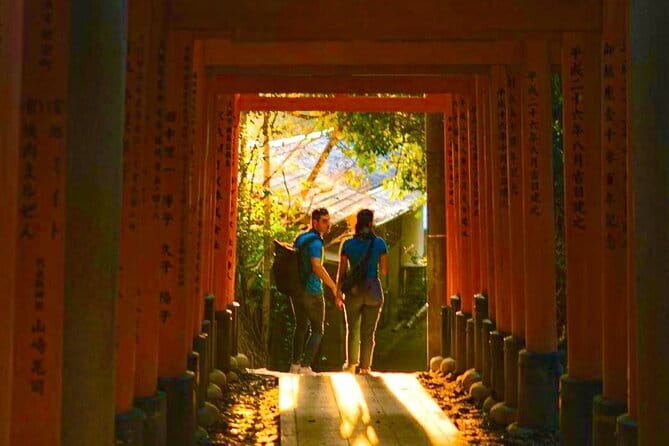
Next comes Fushimi Inari Taisha, known for thousands of vermilion torii gates. The tour gives you about 1 hour and 10 minutes, which is a solid window for the most famous walking section and the photo angles that make this shrine so recognizable.
Here’s how to get value with limited time. Don’t treat the torii path like an endless hike. Instead, focus on a few key “turn and look” points. The gates create strong visual rhythm, so even a partial walk gives you the full effect.
Because this is a free-admission stop, the biggest factor isn’t tickets. It’s people. You’ll want to stay patient, step aside when crowds tighten, and keep moving so you don’t lose time waiting at the most crowded spots. A good guide helps here by steering you toward efficient viewing moments and telling you what to look for as you go.
Arashiyama in Sequence: Bamboo Forest, Nonomiya Shrine, and the Kimono Forest
Arashiyama is where the tour shifts from “one big shrine” energy to a string of atmospheric Kyoto moments. The itinerary includes multiple short stops that work like an edited highlights reel, and the total time you get across the Arashiyama area is enough to see a lot without needing extra transport planning.
Bamboo Forest stop: your best use of 50 minutes
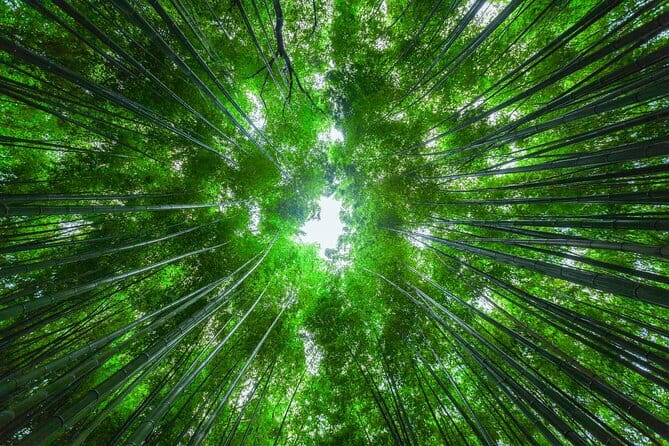
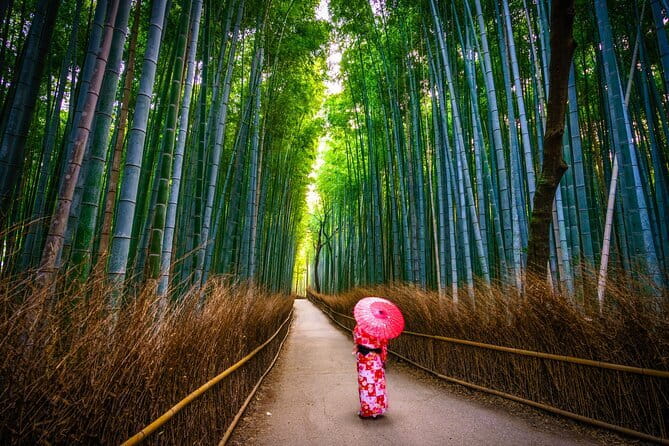
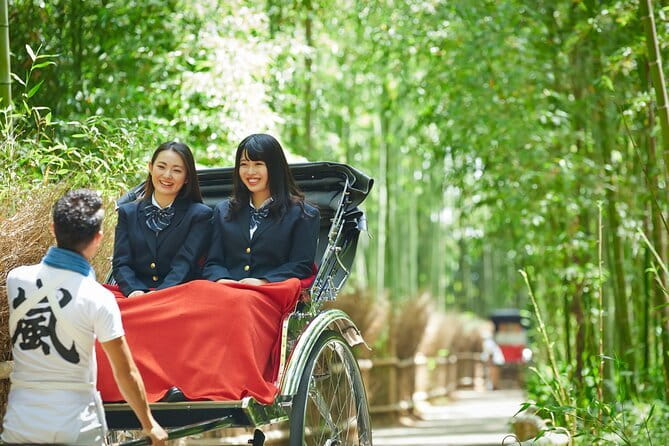
You get about 50 minutes at the Arashiyama Bamboo Forest. This is the stop people remember. The bamboo stalks do the heavy lifting visually, and the path feels calm even when you’re moving through crowds. That said, it’s also one of the most sensitive stops to timing. If you want to take your time, the crowd flow can make it feel faster than you expected.
Some feedback suggested wanting more time at other sites versus bamboo. I’d treat bamboo as a “high-impact, move at your pace” walk. Use a few minutes to watch the light and the scale of the stalks, then keep walking so you don’t get stuck behind slow-moving groups.



Nonomiya Shrine: the quiet contrast at Arashiyama’s edge
You also stop at Nonomiya Shrine for about 20 minutes. This shrine gets its own attention because it has a distinctive black torii gate, not the typical vermilion style. That small detail is exactly why this stop works in a packed itinerary: it gives you variety when the day might otherwise feel like the same “shrine photo” format.
Kimono Forest: a modern photo install with traditional styling
The Arashiyama Kimono Forest is a textile art installation made from 600 clear acrylic cylinders, each around 2 meters tall, with kimono fabric designs. The stop is about 20 minutes.
Is it for everyone? If you love modern art overlays in classic neighborhoods, you’ll likely enjoy it. If you prefer pure temple time, you may treat it as a quick stretch break to reset your eyes before heading into Tenryu-ji.
Tenryu-ji Temple: The One Ticket You Should Budget For
Tenryu-ji is where Arashiyama leans back into serious temple atmosphere. It’s a UNESCO World Heritage Site, and it’s described as the top-ranked among Kyoto’s five great Zen temples. You’ll have about 20 minutes here, and you’ll need a 500 yen ticket not included in the tour.
That ticket detail matters for value. The tour is designed so most major stops are free, which helps you keep costs predictable. Tenryu-ji is the one place where you should plan cash or payment for an entrance fee.
The bigger question is time. 20 minutes can feel short if you want to soak in gardens and read explanations slowly. If you’re the type who likes to visit one temple deeply, consider pairing this tour with another day of temple wandering later in your trip. For first-timers, though, Tenryu-ji gives you a strong dose of Zen and heritage without consuming your entire day.
Rilakkuma Tea House and Togetsukyo Bridge: Fun Breaks That Keep the Day Light
After the temple stop, the tour includes two “less intense” moments that make the day feel human instead of nonstop sightseeing.
Rilakkuma Tea House: a playful stop that fits families
You get about 15 minutes at the Arashiyama Rilakkuma Tea House. “Rilakkuma” means a bear in a relaxed mood, and the café/shop setting is meant for wandering, browsing, and snapping quick photos. It’s also the kind of stop that works well if you’re traveling with kids or anyone who needs a mental break after temples and crowds.
Togetsukyo Bridge: the iconic Arashiyama viewpoint
Then it’s Togetsukyo Bridge for about 15 minutes. This bridge is famous and originally dates back to the Heian Period, with later reconstruction in the 1930s. Even if you’ve never studied Kyoto geography, the bridge is easy to recognize once you’re there—and it gives you that “classic postcard” Arashiyama feel.
The tip here is simple: treat the bridge stop as a photo-and-walk window. If you want a more drawn-out riverfront experience, plan extra time on another day.
Price and Logistics: Why $60 Can Still Feel Like a Win
At $60 per person, this tour sits in the category of “pay for convenience.” You’re not just buying attractions. You’re buying:
- an organized schedule across Kyoto and Nara
- an air-conditioned vehicle for travel time
- a guide to explain what you’re seeing and when to move
Admission fees are also mostly handled by the route design. Many major stops listed are free, and you only have the Tenryu-ji 500 yen ticket as the notable non-included cost. Lunch isn’t included, so plan on buying food near your stops or packing snacks. That’s a normal compromise for day tours, and it keeps the ticket price lower than tours that bundle everything.
One practical note from the field: bus seating can feel tight on a full day. If you’re sensitive to legroom, bring a layer you can adjust, and consider sitting where you can get comfortable quickly. The time in the vehicle still adds up.
Value-wise, the strongest reason to book is that the route hits high-demand “headline” sights without making you do the planning tax yourself.
Guides Matter: What the Best Ones Do With a Packed Day
One of the most praised aspects across these tours is the guide style: keeping the group organized, staying on time, and making explanations clear enough that you understand what you’re looking at.
Names you’ll see in positive feedback include Mia, Fiona, Amy, Laura, Theodore, Tina, Willa, Fredrick, Tracy, and Christine (and their assistants). While you can’t assume the exact guide you’ll get, the pattern is consistent: guides who bring energy, answer questions, and keep you moving are what turn a strict itinerary into an enjoyable day.
A couple of specific behaviors worth noting:
- Some guides include fun ways to help you remember information, like games tied to the places you visit.
- Some guides share extra support for meeting points and orientation, such as sending clear reminders and maps through messaging tools.
That matters because Kyoto days can feel confusing even when everything is close on a map. A guide who helps you stay oriented saves your energy for the sightseeing.
What Could Feel Rushed, and How You Can Fix It
Here’s the main risk with this tour format: lots of popular stops, each with limited minutes. That can make certain experiences feel compressed, especially if you expected a slow stroll through one area.
Specific examples from real feedback patterns include people wanting more time at certain shrines or feeling that the day moved quickly through the listed highlights. Another frustration shows up when expectations include sites not included, like the Big Buddha stop. If that’s on your must-do list, don’t assume the tour will cover it.
How to solve this:
- Decide what matters most before you go. Pick one “deep focus” stop (maybe Tenryu-ji or bamboo) and use the rest as best-effort highlights.
- Wear comfortable walking shoes. Even short stops involve movement through crowds.
- If you want a calmer experience, bring a flexible mindset. This day is optimized for seeing, not lingering.
Who This Tour Fits Best
This is a great fit if:
- you have limited time in the Kansai area and want Kyoto plus Nara in one go
- you like guided structure and don’t want to figure out transit between distant areas
- you’re traveling with first-timers who want the key sights fast
It’s also a decent family choice because Nara deer can be a hit and the schedule includes playful moments like the Rilakkuma Tea House.
If you’re a slow-travel type, prefer to wander independently, or want long visits to temple interiors, you might feel better with separate tickets and a lighter itinerary.
Should You Book This Kyoto and Nara Day Tour?
I’d book it if your priority is high-impact sightseeing with low planning stress. The combination of Nara Park deer, Fushimi Inari torii gates, and Arashiyama’s bamboo and bridge hits the big-name Kyoto checklist in one day, and the price-to-admission math makes it easier to justify.
I would skip or rethink it if you:
- care most about one site and want hours there
- specifically want the Big Buddha in Nara
- dislike bus-group logistics and tight schedules
If you do book, go in with a simple strategy: treat the stops as “windows,” not “marathons.” When you do that, the day feels like a well-edited highlights reel of Kyoto’s most famous moods—deer-friendly, torii-lined, and bamboo-calm.
FAQ
How long is the tour?
The tour runs about 9 hours.
Do I start in Kyoto or Osaka?
The tour is described as departing from Osaka or Kyoto, depending on the option you book.
What is included in the price?
It includes an air-conditioned vehicle and a guide.
Is lunch included?
No. Lunch is not included.
Do I need to pay for Tenryu-ji Temple?
Yes. The Tenryu-ji ticket is 500 yen and is not included.
Are the other major stops ticketed?
Most other listed stops are marked as free admission (including Nara Park, Fushimi Inari Taisha, and the Arashiyama areas listed).
How many people are on the tour?
The tour has a maximum of 45 travelers.
Do they use mobile tickets?
Yes. The tour offers a mobile ticket.
What if I need to cancel?
You can cancel for a full refund up to 24 hours in advance of the experience start time.