Kyoto by rickshaw feels like stepping into an old-time postcard. This Kyoto rickshaw tour puts you right where you want to be in Higashiyama stone lanes and temple approaches, with a local English-speaking guide and a driver who knows how to steer through the tight streets. I like the way it pairs classic sights (wooden town houses, shrines, temples) with real street-level explanations, and I also like that you can choose a shorter or longer route to match your energy.
The main thing to consider is comfort: each rickshaw is only 29.1 inches (74 cm) wide, and while it can fit two adults, it’s sometimes more comfortable to book one rickshaw per person if you’re larger-bodied or you just want extra room. Still, this is one of the most practical “see a lot fast” ways to get your bearings in Kyoto’s historic areas.
In This Review
- Key Highlights You’ll Feel Right Away
- Why a Kyoto Rickshaw Tour Works So Well in Higashiyama
- Getting Started at Ebisuya Higashiyama Rickshaw (and What to Expect)
- Choose Your Time: 30 Minutes vs. 3 Hours in Old Kyoto
- The Higashiyama Stops: What Each Part Feels Like
- Meet and Start in the Higashiyama Area
- Landmark Views in Higashiyama
- The Geisha District Streets and Traditional Town Houses
- A Small Bridge Moment in a Traditional District
- A Beautiful Temple With a Garden
- An Impressive Temple Stop
- The Large Shrine Finish in Gion (A New Year Timing Tip)
- What You Learn From the Guide and Driver (Beyond Sightseeing)
- Photo Stops and the Geography of Great Pictures
- Price and Value: Is It Worth $39.79 per Person?
- Comfort, Seating, and Who Should Book This Style of Tour
- Planning Around Arashiyama (Because This Isn’t Bamboo Forest)
- Quick Practical Tips Before You Go
- Should You Book This Kyoto Rickshaw Tour?
- FAQ
- What’s included in the Kyoto rickshaw tour?
- Is hotel pickup or drop-off included?
- Where do I meet for the tour?
- How long is the tour?
- Does the tour include Arashiyama Bamboo Forest?
- Is the tour private?
- How many adults can fit in one rickshaw?
- What are the rules for children?
Key Highlights You’ll Feel Right Away
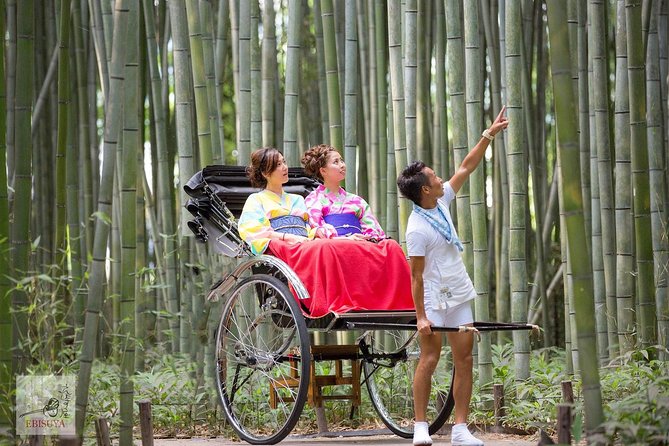
- Higashiyama street-level access through stone alleys and traditional lanes you can’t really replicate on foot without crowds
- English-speaking guide + driver team, often with a photo-friendly mindset for quick, easy stops
- Route depends on your time choice, so you can go brief and focused or long and story-heavy
- Geisha district views in Gion with chances to notice traditional wooden town houses and small bridges
- Temple and shrine variety across multiple stops, including one with a garden and a bigger shrine finish in Gion
- Private group experience, so your pace and questions stay yours
Why a Kyoto Rickshaw Tour Works So Well in Higashiyama
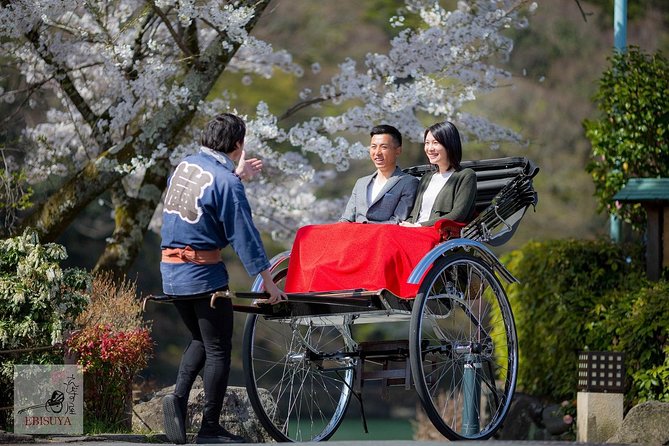
Kyoto’s charm is in details: the curve of an alley, the way a temple wall frames a sky gap, the quiet rhythm of a neighborhood before the day heats up. A rickshaw is one of the easiest ways to get that feeling without playing “guess which side street is the right one.” The ride keeps you moving at human speed, so you’re not rushing while also not stuck in long walks between sights.
In Higashiyama, that matters. This area is full of tight lanes and historic buildings, and rickshaws are built for them. You get a guided path through places like the geisha district edges and the kinds of small bridges and temple approaches that you’d probably miss if you just followed a map. If you want a first-day win in Kyoto, this is a strong candidate.
Also, the mood is different than a bus tour. Your driver and guide are actively navigating and timing stops so you can step out, look around, take photos, and then roll on. In practical terms: you’re trading effort for experience.
You can also read our reviews of more tours and experiences in Kyoto.



Getting Started at Ebisuya Higashiyama Rickshaw (and What to Expect)
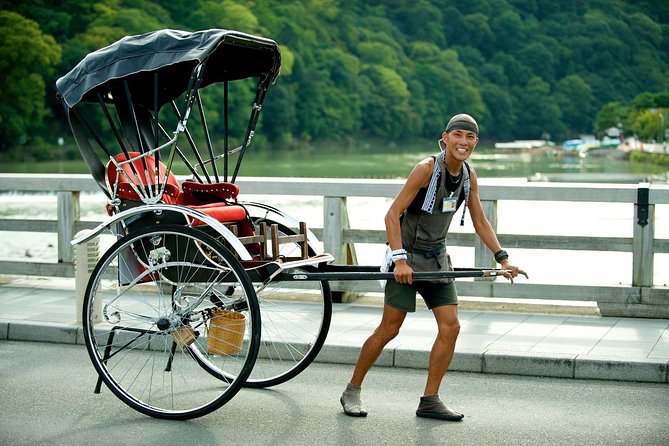
Your meeting point is Ebisuya Higashiyama Rickshaw, 483 Shimokawarachō, Higashiyama Ward, Kyoto (605-0825). It’s listed as near public transportation, which is helpful because you’re not tied to a hotel pickup. If you’re staying nearby, great. If you’re coming from further out, plan a little buffer so you arrive rested.
The tour ends back at the meeting point, which makes planning the rest of your day simpler. You can schedule lunch, coffee, or a temple visit right after without needing to solve transportation logistics in the middle of your itinerary.
A quick heads-up for timing: your tour duration is affected by lateness. They state that a delay of 10 minutes or more results in automatic cancellation, and they also deduct the amount of time you’re late from your tour. So treat the meeting time seriously.
Finally, the tour is run rain or shine. That’s ideal in Kyoto, where weather can flip quickly. If poor weather forces a cancellation, you’ll be offered another date or a full refund, but day-of flexibility is still a good expectation.
Choose Your Time: 30 Minutes vs. 3 Hours in Old Kyoto
This is one tour where duration changes the whole experience. The ride ranges from about 30 minutes to 3 hours, and the actual route length depends on what you booked. Short options can be great if you’re pairing this with other Kyoto must-dos and you don’t want to spend too much time in one neighborhood.
But here’s the practical tradeoff: shorter tours may not cover all landmarks. The tour is described as customizable, and it’s also stated that not all landmarks can be covered by shorter options. So if there’s a temple or a specific vibe you care about most (temples with gardens, the Gion shrine finish, geisha district streets), say it early. You’ll get the best result when the route matches your priorities, not when you hope everything fits.
If you have more time, longer rides give you more of the “Kyoto by rhythm” feeling. You’ll spend more time moving through scenic districts, pausing when it matters, and getting a clearer story arc from stop to stop.
The Higashiyama Stops: What Each Part Feels Like
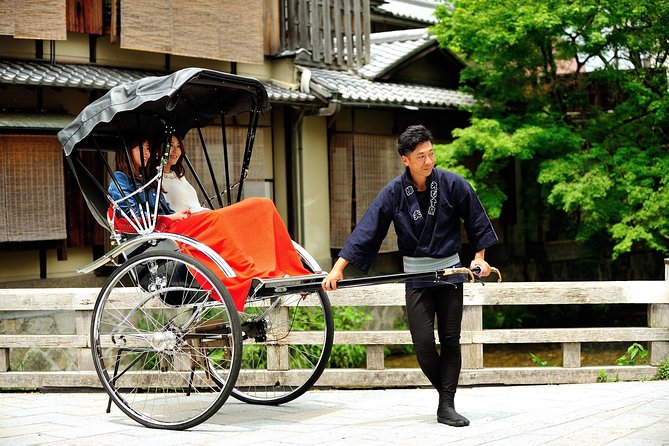
Even without being able to see every street at once, the sequence is designed to build a Kyoto mood: traditional alley life, then temples and gardens, then the bigger Gion finish. Here’s what to expect from the stops as they’re described.
Meet and Start in the Higashiyama Area
You begin at the Higashiyama rickshaw operator location, then move into the Higashiyama area itself. This is where the experience clicks. You go from modern Kyoto into older street form—stone alleys, wooden facades, and the kind of views that look curated even when they’re just daily life.
If you’ve been walking all morning already, this is also a smart reset. You’ll keep moving, but your legs get a break while your eyes stay busy.

Landmark Views in Higashiyama
Next comes a Higashiyama landmark stop. Think of this as your first “get oriented” point: it helps you understand the geography of the district so later temple and shrine views make more sense. It’s the difference between seeing photos and actually understanding where things sit.
The Geisha District Streets and Traditional Town Houses
After that, you move into a geisha district area and see traditional wooden town houses. This part is all about atmosphere. Even when geisha sightings don’t happen, the architecture and street layout tell you why Kyoto became famous for this kind of preserved neighborhood character.
One practical tip: slow down your phone-snapping for a moment and look at the street lines. A lot of the beauty is in how buildings and signage shape the narrow corridor feeling.
A Small Bridge Moment in a Traditional District
Then you’ll reach a small bridge in a traditional district. Small bridges sound minor until you’re there, because they often frame water, gardens, and layered stonework in a way that changes the whole street photo. These quick scenic spots are also useful for stretching your legs after riding.
A Beautiful Temple With a Garden
One stop is described as a beautiful temple with a garden. This is where Kyoto shifts from “old streets” to “old space.” Gardens change how you look at a temple: you stop thinking of it as a building and start noticing composition—lines, walls, and how the grounds create calm.
If you’re choosing a shorter tour, this is the kind of stop that can feel disproportionately valuable because it gives variety from street scenes.
An Impressive Temple Stop
Next is an impressive temple. If the garden stop is about calm and arrangement, this one is often about scale and presence. You’ll get a different kind of visual impact, plus the guide’s explanations help connect the architecture to local customs and religious practices.
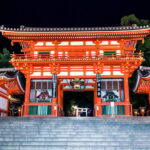
The Large Shrine Finish in Gion (A New Year Timing Tip)
Finally, you end with a large shrine in the Gion area. The listing adds a useful context: it’s worth a visit during New Year, before or after the rickshaw tour.
That’s a nice clue for how locals experience the area. Even if you’re not traveling for New Year, the Gion shrine finish gives your ride a strong ending point, and it matches the idea that you’re moving from Higashiyama’s classic alleys into Gion’s more recognizable district vibe.
What You Learn From the Guide and Driver (Beyond Sightseeing)
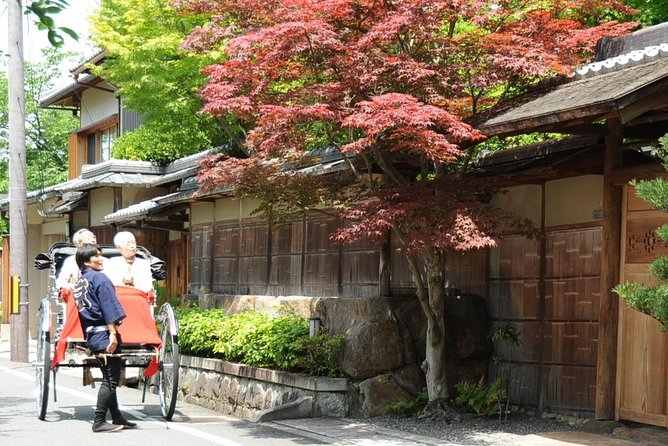
The big value of this Kyoto rickshaw tour is not just transportation. It’s interpretation. You’re hearing why certain buildings matter, how districts developed, and what to look for while you’re moving through areas where everything is close together.
From guide examples shared in practice, names like Fumi, Kai, Fuji, Yoshi, Hina, Kota, Shuhei, Moto, Kanta, Daichi, and Takumi show up as English-speaking leaders who bring energy, humor, and lots of street-level context. Some guides also focus on practical photo help—telling you where to stand, how to frame, and when to pause so you don’t block other people or miss the angle.
If you’re the type who likes to understand what you’re looking at, this is a great format. Instead of reading signs in a second language at your own pace, you get a guided story delivered right when it fits the view in front of you.
And because it’s a private activity for your group, questions don’t get squeezed by other people’s timelines. You can ask about what you’re seeing, photo timing, or how customs work in the spaces you’re passing.
Photo Stops and the Geography of Great Pictures
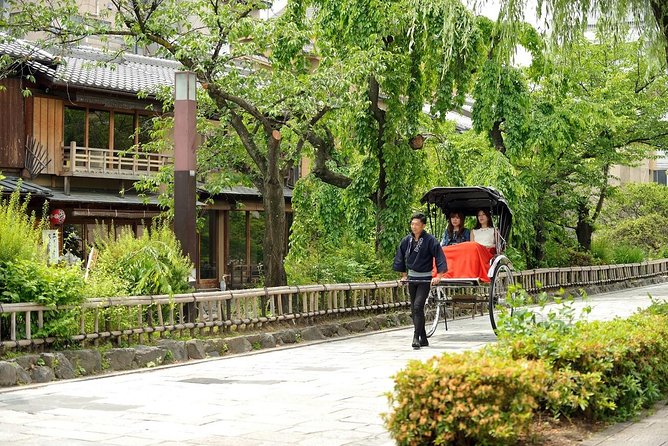
Kyoto is photo-friendly, but it can be tricky: crowds, angles, and the fact that you often have to choose between sightseeing and getting a good shot. A rickshaw helps because you’re already in the right street positions and can pause without losing your bearings.
Many rickshaw teams are also described as strong photographers and video-makers. The practical payoff for you is simple: you don’t just get to pose—you also get help with composition. That matters on narrow streets where the background is busy and the sky isn’t always where you want it.
Also, you may have a chance for quieter paths that are easier for photos than the main drags. If you’re planning to post a few images back home, longer time choices generally help because you’re not rushing between picture points.
Price and Value: Is It Worth $39.79 per Person?
At $39.79 per person, the price lands in the category of “worth it when you use it strategically.” You’re paying for three things: a rickshaw ride, a local English-speaking guide, and the ability to cover multiple historic districts in one flow.
Here’s the value math I’d suggest you do:
- If you’re going to spend half a day walking between Higashiyama and Gion sights, you might end up with fatigue and less time to enjoy what you stop to see.
- If you take a shorter ride, you still get a strong introduction to the area without committing to a full block of time.
- If you take a longer ride, the per-minute value often feels better because the guide’s explanations and scenic pauses become a bigger part of the experience.
One more value angle: this tour is customizable depending on your interests. That means the money isn’t only buying a fixed checklist. It can buy a route that matches how you like to travel—architecture and street scenes, temple gardens, or a smoother first pass through Gion.
The only “cost” isn’t financial. It’s seat comfort. If you’re larger-bodied, the listing suggests you may be more comfortable booking an individual rickshaw per participant, which can increase your total. For many people, that’s still a smart tradeoff: comfort helps you enjoy the ride instead of constantly adjusting position.
Comfort, Seating, and Who Should Book This Style of Tour
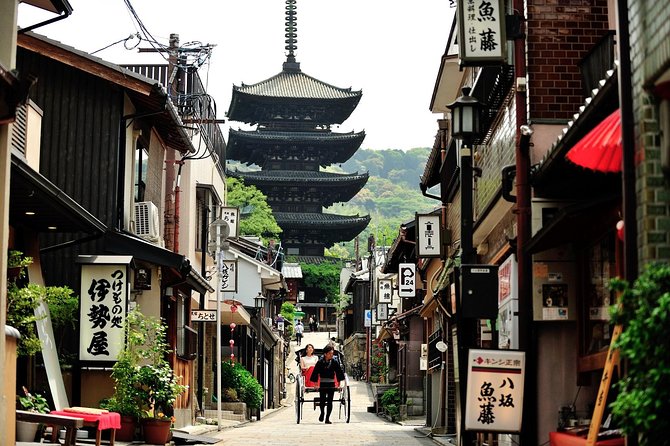
Let’s talk about the real-world fit. The rickshaw is 29.1 inches (74 cm) wide. While it can hold two adults, the width is tight. If you’re uncomfortable in narrow seats, you’ll likely enjoy the ride more with your own rickshaw.
There’s also a limit of maximum 2 adults per rickshaw. Children 5 years and under may sit on an adult’s lap (one child per adult). The rules get more specific if a child uses one of the two seats: then the child must book as an adult. If you’re traveling with kids, this is a spot where you should double-check your group size and ages before you lock in the plan.
This tour is best for:
- First-time Kyoto visitors who want a guided orientation to Higashiyama and Gion
- People who prefer fewer long walks between sights
- Travelers who like hearing context as they move through neighborhoods
- Anyone who wants a scenic, photo-friendly way to see traditional architecture
It may not be best for:
- People who hate waiting for pauses or prefer independent exploration only
- Groups that want to cover lots of destinations far beyond Higashiyama and Gion in one go
- Anyone who needs wheelchair access details beyond what’s stated (the data here doesn’t provide specific mobility mechanics, so ask directly if you have needs)
Planning Around Arashiyama (Because This Isn’t Bamboo Forest)
One clear boundary: this tour does does NOT include Arashiyama Bamboo Forest. So if bamboo is your top Kyoto bucket-list item, plan it separately.
Also, the itinerary focus stays in Higashiyama and Gion, including temple and shrine stops. In other words, this tour is for the classic eastern Kyoto feel—traditional wooden streets, stone lanes, and shrine finishes—rather than for west Kyoto’s bamboo corridor.
Quick Practical Tips Before You Go
A few things help you get the most out of the ride:
- Wear shoes you can stand in easily, because you’ll step out at temple and shrine stops.
- Bring a camera strap you can manage on narrow streets, and be ready for quick pause moments.
- If you care about specific stops, tell the guide at the start. Short tours might skip certain landmarks.
- If you’re booking for multiple people, consider comfort. The seat width is tight, and one rickshaw for everyone is not always the relaxing option.
Should You Book This Kyoto Rickshaw Tour?
I’d book it if you want a smooth first look at Higashiyama + Gion with guided context, lots of photo opportunities, and less walking stress. At $39.79 per person, it’s a fair price when you treat it as time-saving, story-rich transportation through Kyoto’s best-known traditional streets.
I’d think twice if comfort is your top priority and you’re worried about narrow seating. In that case, pay for the extra rickshaws if needed. Also, if you’re expecting Arashiyama Bamboo Forest as part of this package, it won’t be included, so you’ll need separate planning.
If you want Kyoto’s old streets without the navigation headaches, and you like learning why things are where they are, this is a smart, enjoyable choice.
FAQ
What’s included in the Kyoto rickshaw tour?
The tour includes a local English-speaking guide and the rickshaw ride.
Is hotel pickup or drop-off included?
No. Hotel pickup and drop-off are not included.
Where do I meet for the tour?
You meet at Ebisuya Higashiyama Rickshaw, 483 Shimokawarachō, Higashiyama Ward, Kyoto, 605-0825, Japan.
How long is the tour?
It runs from about 30 minutes up to about 3 hours, depending on the option you choose.
Does the tour include Arashiyama Bamboo Forest?
No. The tour does not include Arashiyama Bamboo Forest.
Is the tour private?
Yes. It’s a private activity, and only your group participates.
How many adults can fit in one rickshaw?
A maximum of 2 adults can ride in one rickshaw. The rickshaw is 29.1 inches (74 cm) wide.
What are the rules for children?
Children 5 years and under may sit on an adult’s lap (one child per adult). If a child (5 years and younger) will use one of the two seats, they must be booked as an adult.