REVIEW · KYOTO
Kyoto: The Original Geisha Walking Tour (established 2002)
Book on GetYourGuide →Operated by Kyoto Geisha Waling Tours · Bookable on GetYourGuide
Geisha districts look gorgeous in photos, but they tell more in real life. This walking tour in Kyoto’s Hanamachi turns the lights on behind the images with Peter MacIntosh, a native English–speaking geisha culture expert and photographer. You’ll follow charming cobblestone lanes, learn how geisha culture works, and get practical guidance for taking respectful photos.
Two things I like a lot: the tour blends geisha culture context with clear street-level storytelling, and the photography tips are built for real conditions on the walk. One consideration: seeing maiko or geiko isn’t guaranteed, so you should come for the culture and the neighborhood, not for a guaranteed sighting.
In This Review
- Key Things That Make This Tour Worth Your Time
- Why This Hanamachi Walk Feels Different Than Most Kyoto Tours
- Meet at Minamiza Kabuki Theatre: Easy Start, Clear Location
- The 105 Minutes: What You’ll Do on the Walk
- The first stretch: setting your cultural camera
- The middle stretch: cobblestones, architecture, and real-world questions
- The final stretch: the maiko and geiko question
- Peter MacIntosh’s Approach: Stories From Decades, Not Scripts
- Photography Tips That Don’t Turn the Street Into a Studio
- The Value: $54 for Context, Photo Guidance, and a Small Group
- What It’s Like for Real: Who Will Enjoy It Most
- Practical Notes That Make the Walk Smoother
- Should You Book Kyoto: The Original Geisha Walking Tour?
- FAQ
- Where do I meet the guide for the tour?
- What time does the tour start and when does it end?
- How long is the Kyoto geisha walking tour?
- Is the tour in English, and how big is the group?
- What is included in the price?
- Are meals and drinks included?
- Can I bring a tripod or record video and audio?
- Is seeing maiko or geiko guaranteed?
Key Things That Make This Tour Worth Your Time
- Small group (up to 9) means you get easier questions and better attention from Peter MacIntosh.
- English guide who’s also a photographer gives photo tips you can actually use as you walk.
- Hanamachi stroll on cobblestones lets you experience the traditional street feel up close.
- Myths vs. facts: you’ll get straight answers about geisha culture and what’s misunderstood.
- If you’re lucky you may spot maiko or geiko, but the tour won’t promise it.
Why This Hanamachi Walk Feels Different Than Most Kyoto Tours
Kyoto has plenty of history tours. This one has a more human angle: it’s about the people, the traditions, and the rules of respectful behavior around them. The focus stays on Hanamachi, Kyoto’s famous geisha districts, where traditional architecture and street layout naturally invite you to slow down.
I also like that the tour doesn’t treat geisha culture like a costume show. Instead, you’re guided through what the culture is, how it’s been portrayed over time (woodblock prints, literature, and film), and what’s often misunderstood. That context matters because it changes how you read what you see on the street.
The other thing that makes it work is the guide’s background. Peter MacIntosh isn’t just delivering facts; he’s also a photographer, so he thinks about how to help you capture what’s in front of you without turning the moment into a production.
You can also read our reviews of more walking tours in Kyoto

Meet at Minamiza Kabuki Theatre: Easy Start, Clear Location
You meet at the Minamiza Kabuki Theatre, right at the corner of Shijo and Kawabata, at 4:00 p.m. The finish is around 5:45 p.m., so it’s a 105-minute walk that fits nicely between other evening plans.
This starting point is handy because it’s a recognizable landmark area rather than a hidden back-alley meet-up. Once you’re assembled, the guide sets the tone quickly: you’re not just walking for photos—you’re walking to understand the geography of Hanamachi and the culture that lives there.
Since there’s no hotel pickup, you’ll want to build a little buffer into your schedule and arrive a few minutes early. Bring comfortable shoes; you’ll be on your feet for the full stretch.
The 105 Minutes: What You’ll Do on the Walk
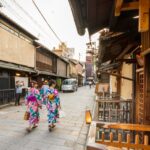
The tour is designed as a paced stroll through Kyoto’s geisha districts in Honshu, centered on Hanamachi. You’ll spend most of the time walking the charming streets and taking in the traditional architecture up close. It’s the kind of neighborhood where the details matter: how buildings sit along the street, how lanes feel narrower and quieter than main shopping roads, and how the atmosphere shifts as you move.
The first stretch: setting your cultural camera
Right away, you’ll learn the basics that make everything else click. The guide explains the cultural side of geisha districts—where the “flower and willow world” idea comes from, and why geisha culture has been such a frequent subject in art and entertainment.
This is the moment where the tour earns its keep. If you start with only curiosity, the streets can feel like scenery. If you start with context, the same street corners start telling stories.
The middle stretch: cobblestones, architecture, and real-world questions
As you continue, the walk stays focused on the feel of Hanamachi: cobblestone streets, traditional building shapes, and the sense of a neighborhood with its own rhythm. The guide also tackles myths and misconceptions directly, with truthful answers that help you avoid common tourist misunderstandings.
You’ll also get photography coaching during the walk. That matters because traditional districts can be tricky to shoot—bright shop signage, shaded alleyways, and people moving at unpredictable times. The guide’s photo tips are meant to help you get better results without crossing boundaries.

The final stretch: the maiko and geiko question
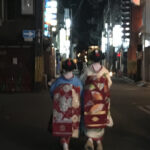
You’ll also hear the realistic part upfront: you might see maiko or geiko, but there is no guarantee. That’s the right mindset. If you do spot them, great—you’ll be better prepared to recognize what you’re seeing thanks to the guide’s explanations. If you don’t, you still get a meaningful street-and-story experience, because the tour isn’t built only around sightings.
The tour wraps after about 105 minutes, finishing around 5:45 p.m., so you can shift back into dinner mode without feeling like you’re losing your whole evening.
Peter MacIntosh’s Approach: Stories From Decades, Not Scripts
A big selling point here is the guide: Peter MacIntosh, described as a geisha culture expert with three decades of research and firsthand experience. That length of time shows in the tour’s tone: it aims to be helpful, grounded, and specific.
I especially like how the tour centers on dispelling misconceptions. Geisha culture is easy to caricature, because movies and stereotypes tend to compress complicated traditions into a single look. This tour tries to put the nuance back—what geisha districts represent, how the culture functions, and why certain portrayals stuck.
And because he’s also a photographer, Peter can connect culture to real behavior. That helps you understand why some moments are worth pausing for and why others require restraint.
Photography Tips That Don’t Turn the Street Into a Studio
This tour is very clear about photo behavior, and I think that’s a good sign. Photography is allowed, but you’re asked to respect the privacy of geishas and locals. The tour also bans tripods, and it bans video recording and audio recording.
That set of rules tells you the goal: get good photos, but keep the neighborhood comfortable for the people living in it. In other words, you’re practicing respectful observation, not freelancing a production.
What to bring here is simple and practical:
- a camera you know how to use
- water
- comfortable shoes for walking and standing in place
If you’re coming with a heavy kit, think light. Tripods are not allowed, so if you want steadier shots, plan on using normal camera support techniques (like bracing or steady hands) rather than expecting to set up gear.
The Value: $54 for Context, Photo Guidance, and a Small Group
At $54 per person for 105 minutes, this tour sits in the “pay for quality” category. You’re not just paying for walking time. You’re paying for a guide who can translate a complicated culture into understandable street-level meaning, plus photo tips you’ll actually use while you’re there.
The small group limit—9 participants—is part of the value. Fewer people means less chaos, more chances for questions, and a better chance the guide can keep the conversation flowing while you’re on the move.
You also get a set of souvenir postcards, which is a nice low-effort takeaway. It’s not a substitute for memories, but it gives you something tangible that matches the theme of the walk.
What It’s Like for Real: Who Will Enjoy It Most
This tour fits best if you want more than pretty streets.
You’ll likely enjoy it if:
- you’re curious about how geisha culture works beyond stereotypes
- you like learning while walking, not in a classroom
- you want photography help that respects people and rules
- you prefer small groups
It may be a less ideal fit if:
- you’re bringing very young kids (it’s not suitable for children under 8)
- you’re the type who needs guaranteed celebrity-level sightings (maiko and geiko aren’t guaranteed)
Also keep expectations realistic. This is a cultural street walk. It’s not a meet-and-greet event with guaranteed performers.
Practical Notes That Make the Walk Smoother
A few practical points matter more than you’d think:
- Weather-ready clothing: you’ll be outside and should be prepared for any weather condition.
- No tripods, no video, no audio: plan your gear accordingly.
- Respectful photography: if you take photos, keep privacy in mind.
There’s no mention of meals or drinks being part of the tour, so plan to eat before or after. The meeting time is 4:00 p.m., so it can work well as an early evening activity before dinner.
On the logistics side, it’s wheelchair accessible, and the tour runs with a live English guide—so it’s built for a range of travelers.
Should You Book Kyoto: The Original Geisha Walking Tour?
If you want a geisha experience that’s about understanding, not just spotting, I think this tour is a strong pick. The combination of Hanamachi street walking, Peter MacIntosh’s long research, and hands-on photography tips makes it feel like you’re getting real guidance rather than a generic slideshow.
The one reason to pause is also simple: don’t book expecting a guaranteed maiko or geiko sighting. Book it for the neighborhood, the cultural context, and the clarity you’ll get about what’s true and what’s myth.
If that matches your style of travel, then yes—this is the kind of tour where you’ll leave with better eyes for Kyoto, and better habits for photographing respectfully.
FAQ
Where do I meet the guide for the tour?
You meet in front of the Minamiza Kabuki Theatre at the corner of Shijo and Kawabata.
What time does the tour start and when does it end?
The tour starts at 4:00 p.m. and finishes at approximately 5:45 p.m.
How long is the Kyoto geisha walking tour?
The duration is 105 minutes.
Is the tour in English, and how big is the group?
Yes, the tour is in English. It’s a small group limited to 9 participants.
What is included in the price?
Included: the walking tour, the guide, photography tips, and a set of souvenir postcards.
Are meals and drinks included?
No. Meals and drinks are not included.
Can I bring a tripod or record video and audio?
Tripods are not allowed. Video recording and audio recording are also not allowed.
Is seeing maiko or geiko guaranteed?
No. There is no guarantee of seeing maiko and geiko along the way.