Kyoto is better when you’re not herded. This private tour strings together temple icons and quieter lanes, guided by someone who can explain what you’re seeing in plain human terms. You pick the start time, and you stay with just your party, so the route feels less like a checklist and more like a good afternoon with Kyoto.
What I like most is the balance of major landmarks and calmer corners—like shifting from famous shrines to side lanes where the city feels older and less rushed. I also like that the day is built around walking, with short, manageable stops that keep energy up and choices easy.
One thing to consider: your experience will depend a lot on the guide’s fit (including language and storytelling style). If Japanese-language context or deeper cultural framing matters most to you, it’s worth paying attention to that when you book.
In This Review
- Quick takeaways before you go
- Why this 3-hour private Kyoto highlights route feels personal
- Kyoto Municipal Zoo area: old lanes and feudal vibes before the temples
- Hokanji and Kongoji: the Asuka-era temple mood and the wish-sacrifice idea
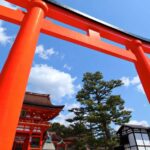
- Kiyomizu-dera and Yasaka Shrine: big icons with a calmer tempo
- Gion lanes, Kamogawa River, and Nishiki Market sampling without chaos
- Price, guides, and how to get your included drink and tickets right
- Should you book this private Kyoto tour?
- FAQ
- How long is the Kyoto private tour?
- Is this tour private?
- Where does the tour start and end?
- What’s included in the price?
- Are temple and shrine admissions included?
- Is hotel pickup provided?
- Can I choose the start time?
- Is there free cancellation?
Quick takeaways before you go
- Private, just your party: no group pacing, so you can slow down (or speed up) when you want
- 3-hour “highlights” route: temples, shrine views, Gion lanes, Kamogawa River, plus Nishiki Market
- Most entries are free: the route lists free admission for several stops, and Kiyomizu-dera tickets are included
- A local drink/tasting is built in: you get 1 included drink/tasting during the walk
- Off-the-beaten-path feel: the route is designed to escape some crowds by using smaller neighborhood lanes
- It’s mobile-ticket friendly: helpful if you prefer keeping everything on your phone
Why this 3-hour private Kyoto highlights route feels personal
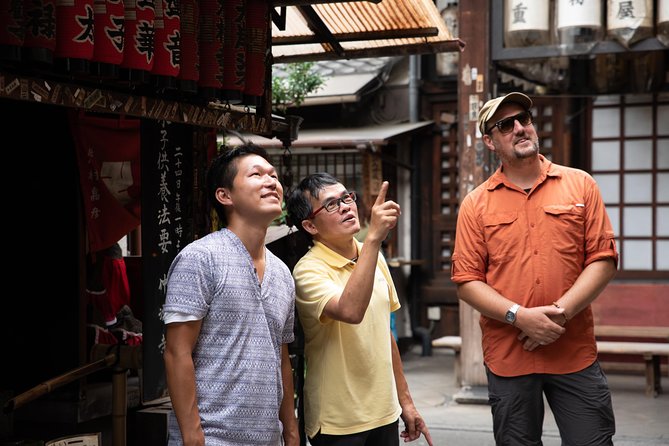
This is a private tour in Kyoto for about 3 hours, priced at $167.92 per person. That price can feel steep at first glance, but you’re paying for time with a local guide, the convenience of guided connections between sites, and the chance to customize your pacing. You also choose your start time, which matters a lot in Kyoto when crowds and heat can swing fast.
The itinerary is short-stop style. That sounds basic until you feel it: you get a taste of several neighborhoods without spending half your day commuting or standing around for other people. And because it’s private, your guide can adjust—at booking or during the day—toward what you actually want: more temple atmosphere, more walking through old streets, or more time for shopping and snacks.
One more practical note: there’s no hotel pickup, and the tour starts and ends at the meeting point in Higashiyama (near public transportation). That can be a hassle if you’re tired or staying far out, but it also keeps the tour tight and efficient once you meet.
You can also read our reviews of more private tours in Kyoto
Kyoto Municipal Zoo area: old lanes and feudal vibes before the temples
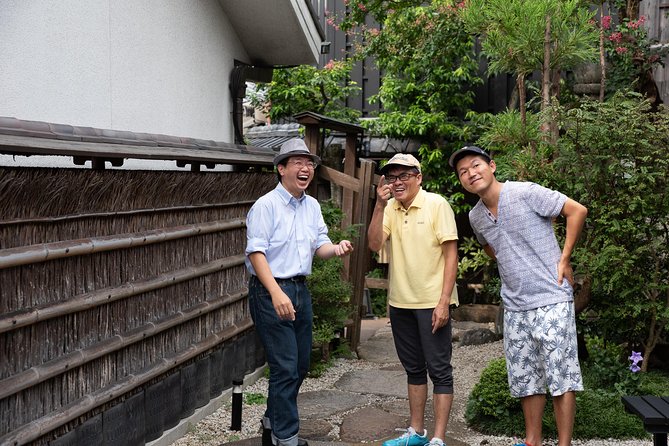
You’ll begin at 198 Nakanochō, Higashiyama Ward, and the first stop is the Kyoto Municipal Zoo area. On paper, a zoo doesn’t scream Kyoto. In real life, it works because the tour uses the zoo neighborhood as your on-ramp into the feel of old Kyoto.
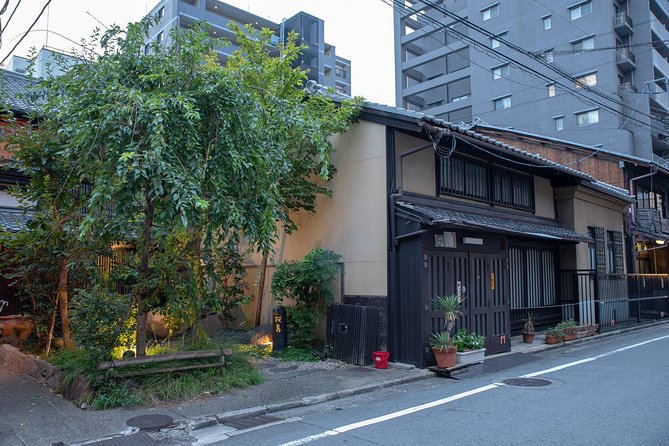
The guide leads you through a wood-built historic quarter with narrow lanes and a traditional streetscape: pottery stores, tea houses, and the kind of backstreet texture that’s hard to find if you only bounce between the biggest sights. Even if you’re not there to see animals, this opening works as a visual reset. You start your day noticing materials, street rhythm, and local building styles before you hit the iconic temples.
This first stop is also a gentle warm-up: about 30 minutes, with admission listed as free. It’s a great place to ask quick questions early—like what to prioritize today and where you might want a slower walk later. If you like photography, you’ll usually get better street shots here than you will at the next high-demand landmarks.
Hokanji and Kongoji: the Asuka-era temple mood and the wish-sacrifice idea
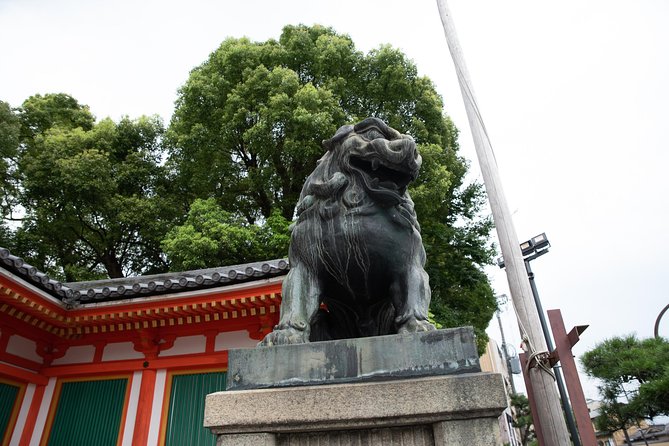
Next you head into temple territory with two stops that bring different flavors of faith.
At Hokanji Temple, you’re looking at a site connected to the Asuka period (538–710). The tour keeps this focused—about 20 minutes—and the value is context: your guide can explain why this temple exists where it does and how it fits into Kyoto’s long timeline. This kind of stop is best for people who like understanding the city as layers, not just as scenery.
Then comes Kongoji Temple, where the tour highlights a folk-faith belief tied to wishes. The basic idea is simple: to have a wish granted, you sacrifice one desire. You’re not expected to treat this like a science experiment. It’s more about meeting Kyoto on its own terms—what people believed, how rituals worked, and how faith shaped everyday behavior.
Both stops list free admission, and each is short enough to stay fresh. The drawback here is also straightforward: if your guide’s storytelling stays on dates and facts only, these kinds of “belief and meaning” moments can feel flat. If you want story, ask questions early at Hokanji or Kongoji—your guide can usually steer toward the part you care about.
Kiyomizu-dera and Yasaka Shrine: big icons with a calmer tempo
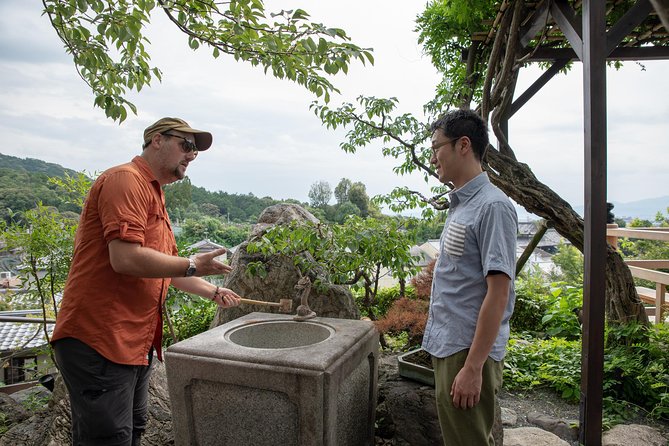
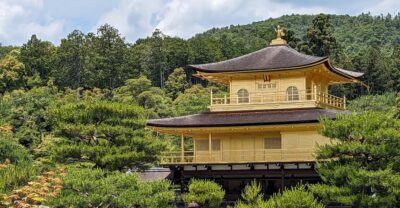
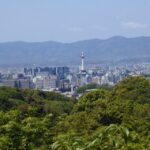
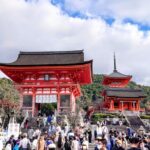
No Kyoto day is complete without Kiyomizu-dera, and this tour makes it the main temple moment. You’ll spend about 30 minutes here, with tickets for Kiyomizu-dera included. The temple’s foundation is described as over 1,200 years old, and it sits halfway up Mt. Otowa in the Higashiyama mountain range.
This stop is where you’ll feel why Kyoto is so hard to replace. Even when you’re surrounded by visitors, the physical setup—hillside placement, temple silhouette, and the sense of a place built for devotion—does the heavy lifting. Your guide’s job is to help you see what you might miss: how the viewpoint works, why the location matters, and what the temple is designed to communicate.
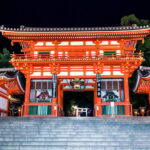
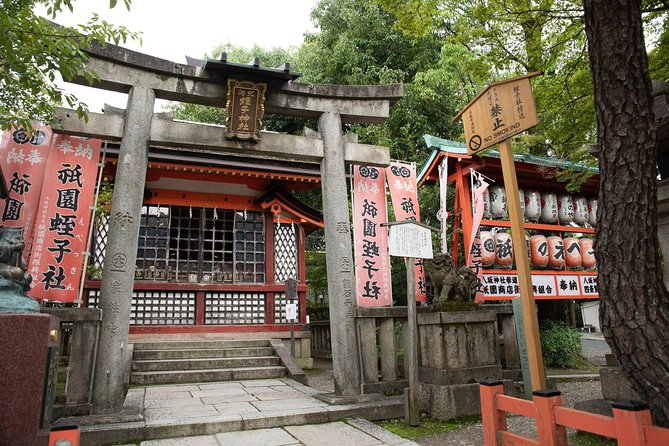
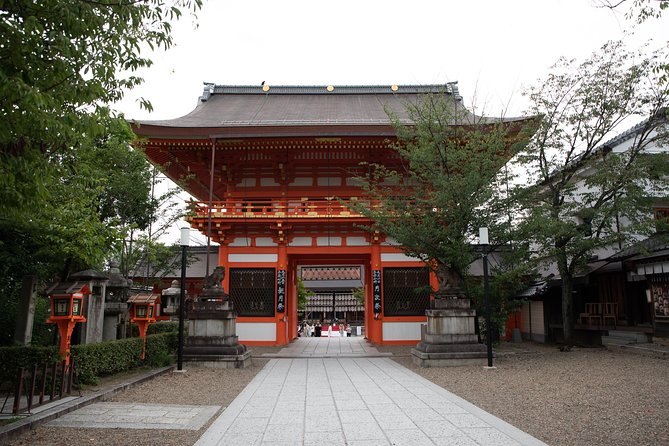
After Kiyomizu-dera, the route returns to Yasaka Shrine for another experience angle. One part of the walk includes coffee before you continue, and the shrine is described as founded over 1,350 years ago. That coffee break is more than a caffeine stop. It’s a pacing tool. It gives you a chance to regroup, check your feet, and reset your attention right before you head into Gion.
Two small cautions that are worth your time:
- If you’re traveling with kids or you’re sensitive to long stair-and-street walking, plan on taking short rests when your guide offers them.
- The tour includes a local drink/tasting, but make sure you understand what counts as your included drink when you’re handed it.
Gion lanes, Kamogawa River, and Nishiki Market sampling without chaos
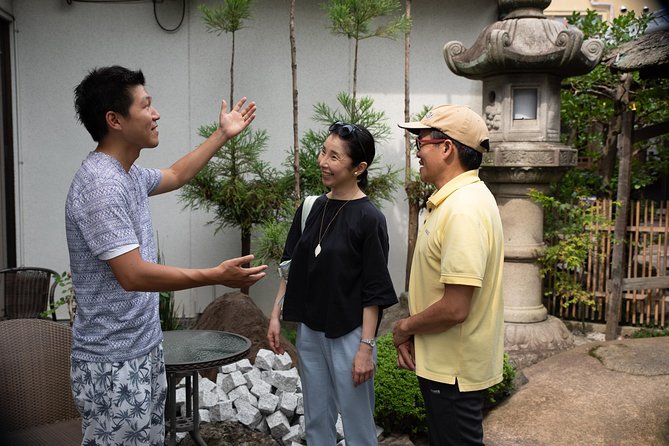
After the shrine-and-temple stretch, the day shifts into Kyoto’s neighborhood texture.
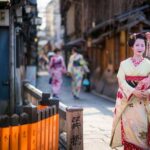
First up: Gion, Kyoto’s famous geisha district. You won’t just see a sign. You’ll walk through the lanes that make Gion feel like a different chapter of the city. Expect about 20 minutes here—enough time to notice architecture, street layout, and the way the district handles foot traffic. If your guide also knows the smaller lanes, this is where you can get that off-the-busy feel the tour is aiming for.
Then you move to Kamogawa River, one of Kyoto’s most recognizable rivers. It’s listed for about 20 minutes, and it’s a nice mid-day breath between religious sites and the shopping world. Even if you don’t do anything but walk and watch, the river path gives you a clearer sense of geography—how neighborhoods connect and how the city’s flow works.
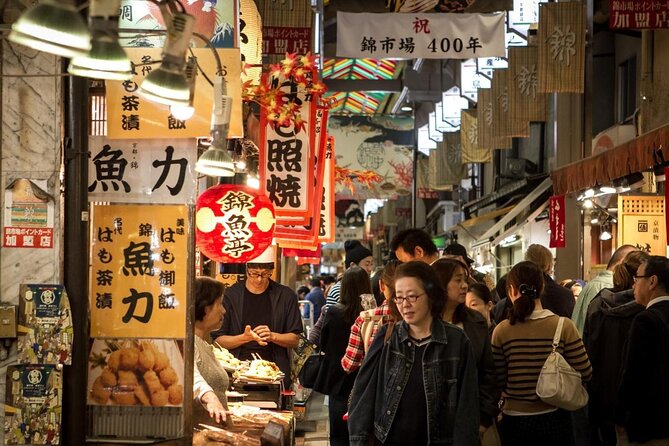
Finally, you finish at Nishiki Market, a 400-year-old shopping district. The tour includes time to explore the market, sample local Japanese goodies, and shop for souvenirs. This is one of the most practical endings you could want: you don’t leave empty-handed. You also get a natural place to do last-minute browsing when your brain is already in snack mode.
The main drawback with markets is decision overload. If you’re the type who wants to try everything, set a mini-goal for yourself before you enter—pick one savory and one sweet, then save room for what sounds best from the stalls your guide points out.
Price, guides, and how to get your included drink and tickets right
Let’s talk value. At $167.92 per person for about 3 hours, you’re paying for convenience plus guidance. You’re not just buying access to sights—you’re buying someone to connect the dots between them, move you efficiently through the area, and keep the day from feeling like you’re doing navigation math.
A few items are included:
- Local guide
- Private tour for your party
- 1 local drink/tasting
- Tickets for Kiyomizu Temple
- Mobile ticket
Also, several stops list admission ticket free, which helps the day feel less like a constant fee-fest. That’s a real value point compared to tours where every stop comes with a separate ticket line.
About guides: the tour feedback includes named guides such as David, Guia, Tiro, Ted, and Shohei. The common thread in the high marks is clear communication plus smart routing. People also highlight family-friendly pacing—like guides who stay attentive when there are kids along—and the ability to answer questions as you walk.
Your best move is simple: when you meet your guide, confirm two things early:
1) where your included drink/tasting will happen on the route, and
2) that you’re set for Kiyomizu-dera entry using what’s included.
If something feels off—missing the drink or confusion about tickets—bring it up immediately while you’re still in the meeting area. Waiting until later wastes time and makes the day feel awkward.
Should you book this private Kyoto tour?
Book it if you want a private way to hit Kyoto highlights without spending your whole trip making route decisions. It’s especially good for you if you like a mix of temples + neighborhoods, and if you’d rather walk with a guide through places like Hokanji, Kongoji, Gion, Kamogawa River, and Nishiki Market than plan all the transitions yourself.
Skip (or at least think twice) if you’re very focused on the guide being able to provide deep Japanese-language cultural framing. The experience can vary by guide background and speaking style, and some travelers prefer a very specific kind of storytelling.
If you’re the type who likes control, choose your start time strategically (earlier for calmer streets, later if you want more market energy). And wear good shoes—this tour is short, but it’s still a walking day.
If all that sounds like your style, this is an easy yes for many Kyoto visitors who want meaning, not just photos.
FAQ
How long is the Kyoto private tour?
It runs for about 3 hours.
Is this tour private?
Yes. It’s a private tour for your party only, with a local guide.
Where does the tour start and end?
It starts at 198 Nakanochō, Higashiyama Ward, Kyoto 605-0075, Japan, and ends back at the same meeting point.
What’s included in the price?
The tour includes a local guide, a private tour, 1 local drink/tasting, and tickets for Kiyomizu Temple.
Are temple and shrine admissions included?
Many stops list admission as free on the route. Tickets for Kiyomizu Temple are included.
Is hotel pickup provided?
No. Hotel pickup and drop-off are not included.
Can I choose the start time?
Yes, you can choose a start time that suits you.
Is there free cancellation?
Yes. You can cancel up to 24 hours in advance for a full refund.