REVIEW · KYOTO
Experience of pairing sake tasting with snacks in Kyoto
Book on Viator →Operated by 日本酒テイスティング講座 · Bookable on Viator
Sake gets social in a tiny Kyoto alley. This 60-minute workshop at BAR OAGE in Kawaramachi turns sake tasting into a hands-on sake-and-snack pairing lesson, with a clear look at how the drink is made and why different styles taste so different. You start with the basics, including the rice polishing ratio, then you move into tasting and pairing in a small, chat-friendly setting.
I especially like the way the host energy makes it easy to jump in. Kahoko, who runs the experience for at least some groups, comes across as genuinely passionate and welcoming, so even first-timers can feel comfortable. I also like that you get a tasting sheet, so you’re not just swirling and hoping you remember what you liked later.
One thing to consider: this is a focused 1-hour format, not an all-night crawl. If you’re hoping for a long, slow tasting with lots of extra pours beyond the planned set, you may feel a bit time-crunched.
In This Review
- Key highlights you’ll feel right away
- Where you’ll go: finding BAR OAGE in Kawaramachi
- What really happens in the 60 minutes (and why it works)
- The five sakes: how you learn without getting overwhelmed
- Snacks as the real lesson: pairing that makes sense
- The host factor: why conversations are part of the point
- Timing and pacing: choosing your slot in Kyoto
- Price and value: what $45.53 buys you
- Who this is best for (and who should skip it)
- Quick practical tips before you go
- FAQ
- How long is the sake tasting and pairing workshop?
- What’s included in the price?
- Where do I meet for the workshop?
- Where is the experience held?
- What time options are available?
- Can I cancel for a refund?
- Should you book this Kyoto sake workshop?
Key highlights you’ll feel right away
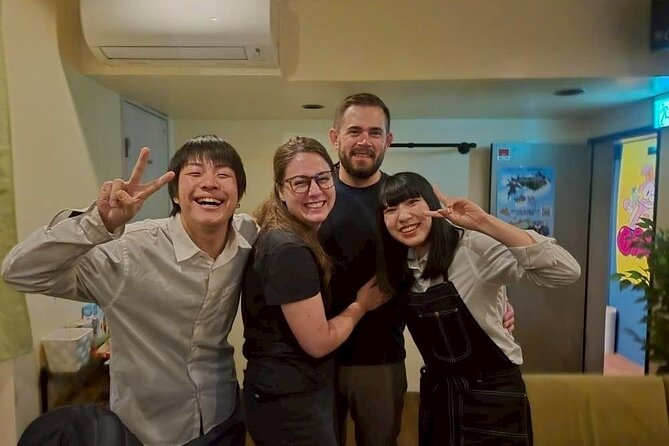
- A hidden-alley bar setting in Kawaramachi that keeps the experience intimate
- Five distinct sakes explained with production cues like the rice polishing ratio
- Tasting sheet support so you can compare flavors instead of guessing later
- Snack pairings built for contrast, not random bites
- Host-led conversation that makes it natural to talk with your group
- Group photo at the end to mark the experience
Where you’ll go: finding BAR OAGE in Kawaramachi
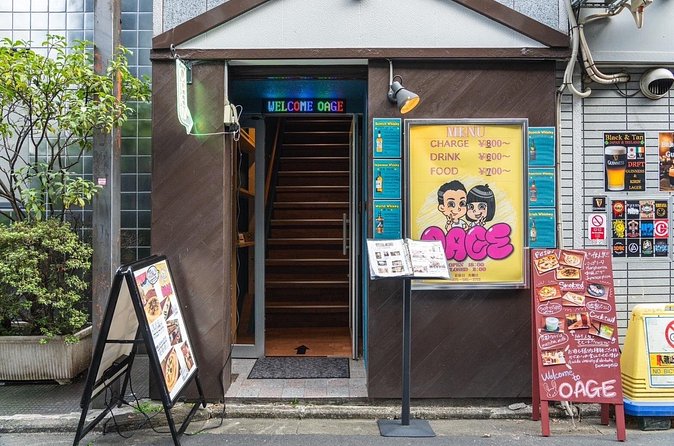
This sake workshop happens in the Kawaramachi area of Kyoto, at Bar OAGE, described as a hidden bar down an alleyway. That’s part of the appeal. In a place like Kyoto—where you can walk two minutes and feel like you’ve switched neighborhoods—having a low-key location adds to the sense that you’re joining something local rather than doing a cookie-cutter activity.
You’ll start at Shine, 371 Kamiyachō, Nakagyo Ward, Kyoto (604-8024), and the activity returns you to that same meeting point. The venue being near public transportation matters because it keeps the trip simple. You’re not planning an hour of transfers just to taste some great sake.
Also, group size stays reasonable: the workshop has a maximum of 20 people. That doesn’t turn it into a private session, but it does mean the host can keep the pace moving without turning it into a lecture hall.
You can also read our reviews of more food & drink experiences in Kyoto

What really happens in the 60 minutes (and why it works)
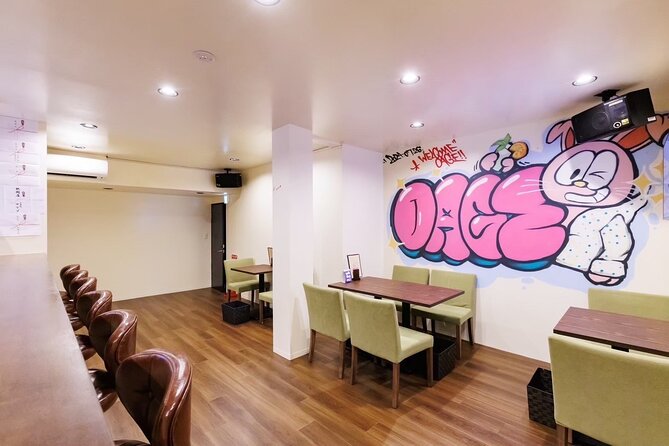
The workshop runs for about 60 minutes. The structure is the big reason this makes sense for visitors: you get explanation first, then you get to taste in the right order, then you add the snacks to see how flavors change.
Here’s the flow you can expect:
First comes an introduction to sake’s process and key production concepts. The workshop includes a visual look at how sake is made and gives you something concrete to hang your impressions on—especially the rice polishing ratio. This is useful because sake styles often get described with vague adjectives. Knowing what’s being polished (and to what degree) gives you a framework for your own comparisons.
Next you shift to today’s lineup: five kinds of sake, with the host explaining the differences in flavor and aroma, including types like ginjoshu and nigorishu. The workshop then has you taste the sake first on its own. That matters. If you mix in food right away, it’s harder to tell whether your reaction is from the sake or from the pairing.
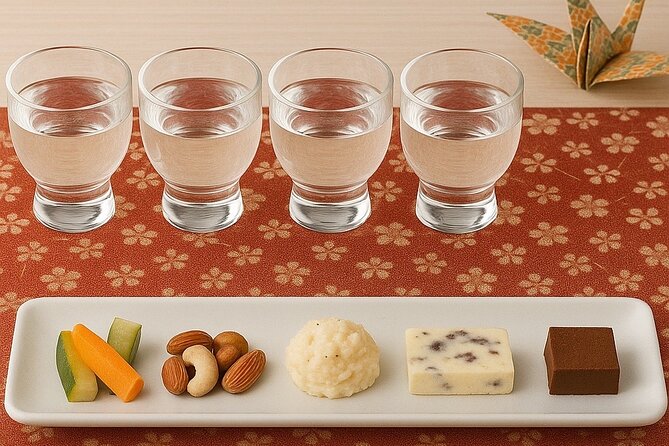
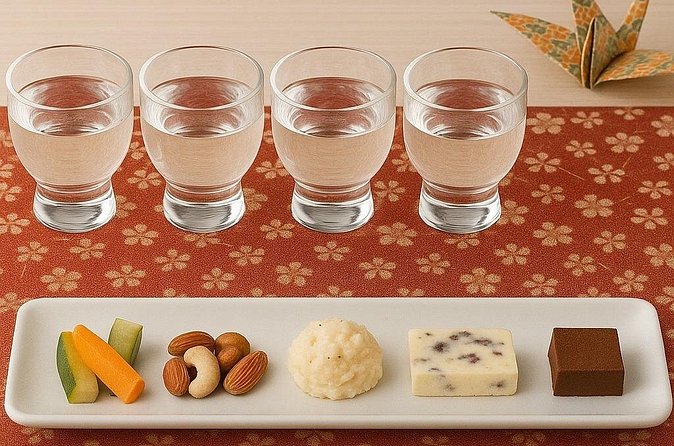
After you’ve tasted each one, the snacks enter the picture. For each sake, you’ll be served appetizers designed to pair so the taste changes feel intentional. This is where the experience stops being just a tasting party and turns into a real culinary lesson.
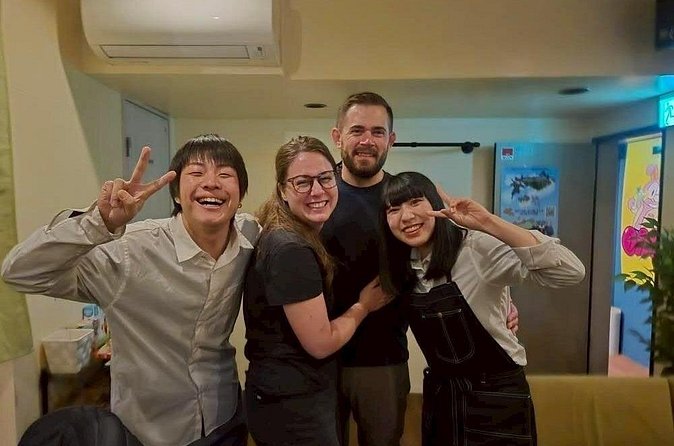
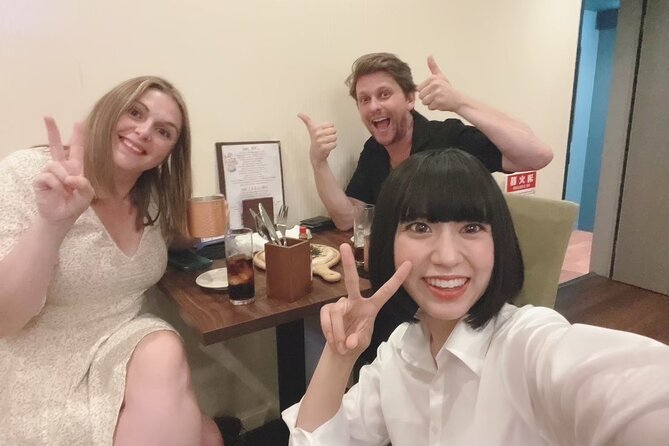
The course ends with a group photo. It’s a small touch, but it gives you a clear finish line—and a fun souvenir that’s not just a generic pass-through photo in front of a temple.
The five sakes: how you learn without getting overwhelmed
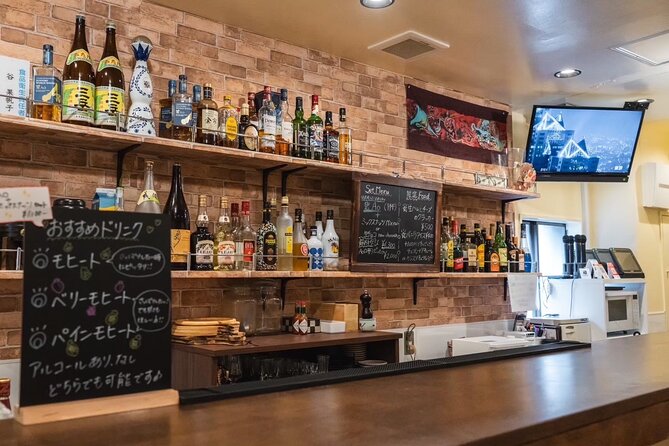
You’re tasting five different sakes in total. That’s a smart number. It’s enough variety to notice patterns, but not so many that your palate feels fried before you can reflect on what you liked.
I like that the host explains the lineup before the paired course starts. They’ll walk you through each sake type and connect it to aroma and flavor traits. You’ll also get to see the role of rice polishing ratio, which is one of the core production signals in many sake discussions.
The styles mentioned—ginjoshu and nigorishu—are helpful examples because they represent different directions in the sake universe:
- Ginjo-style tends to be associated with more aromatic, refined impressions.
- Nigori-style leans toward a cloudy texture and a different flavor feel.
You don’t need to know the vocabulary in advance. The point is that the workshop teaches you what to watch for while you taste, so you come away with your own comparisons.
One practical bonus: you’re given a tasting sheet. It’s easy to underestimate how helpful that is in a tasting setting. When you’re sampling multiple drinks in a row, your memory can get scrambled fast. The sheet turns your notes into something you can actually use later to remember what you enjoyed.
Snacks as the real lesson: pairing that makes sense
The pairing part is where I think this workshop earns its keep. The snacks are not treated like an afterthought. You get five appetizers, matched to each of the five sakes, and you taste them in a way that encourages you to compare.
This teaches you a useful skill you can take beyond Kyoto: you start to notice how food changes perception. A bite can soften sharpness, amplify aroma, or make a drink feel rounder. Without pairings, many tasting notes stay stuck in your head as separate impressions. With pairings, they start becoming patterns.
Because you taste sake first, you get a clean baseline. Then you add the food. That sequence helps you answer the question you actually care about while traveling: Which combinations would I choose again if I saw them on a menu back home?
The host factor: why conversations are part of the point
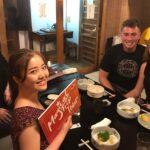
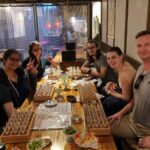
The workshop is described as encouraging participants to talk and connect through shared experiences. In plain terms: it’s not just you and a drink. You’re in a room where people compare notes, ask questions, and react out loud while tasting.
In at least one group, the host was Kahoko, and that friendliness and passion showed in the overall vibe. If you’re the type who likes learning through conversation—rather than only listening—this fits your style.
It’s also good for mixed groups: first-timers can ask what terms mean, and sake lovers can talk through what they notice in aroma and texture. Either way, you’re not stuck feeling behind.
You can also read our reviews of more drinking tours in Kyoto

Timing and pacing: choosing your slot in Kyoto
The workshop offers receptions across the day: 10:00 / 12:00 / 14:00 / 16:00. That gives you flexibility. If your Kyoto itinerary includes morning temples, midday food stops, or late afternoon strolling, a 60-minute slot can usually be stitched in without wrecking your schedule.
Because it ends back at the meeting point, you’re not stuck planning a long walk after your tasting. That’s a small convenience, but in Kyoto—where you might be moving between neighborhoods often—it helps keep the day smooth.
Price and value: what $45.53 buys you
The price listed is ¥7,500 per person (tax included), shown as about $45.53. At first glance, that can sound like “just tasting.” But here’s the value math that makes it more than that:
- You get 5 kinds of sake and 5 paired appetizers. That’s a full set, not a couple of quick sips.
- You get structured guidance, including visual explanation of production techniques and the rice polishing ratio, plus style explanations like ginjoshu and nigorishu.
- You get support tools (the tasting sheet) that help you retain what you learn.
- The setting is a small bar experience, max 20 people, which helps the host keep things interactive rather than rushed.
So you’re paying for both the tasting and the learning structure. If you’ve ever tried to learn sake on your own in a shop and felt lost by terms, this workshop format is a practical shortcut.
One more timing note: the average booking window is 84 days in advance. That hints at steady demand. If you’re traveling in peak seasons or on popular dates, don’t wait until the last minute.
Who this is best for (and who should skip it)
This experience is ideal if you:
- Want a guided introduction to Japanese sake without needing prior knowledge
- Like the idea of learning by tasting and comparing in a set sequence
- Enjoy food pairing as a concept, not just alcohol tasting for its own sake
- Prefer small-group, conversation-friendly activities
You might choose something else if you want:
- A long, multi-hour tasting with lots of optional add-ons
- A purely quiet, sit-and-study class with zero group interaction
- A self-guided tasting where you can wander at your own pace
Quick practical tips before you go
- Wear shoes you can stand in comfortably. You’re in a bar setting and you’ll likely be moving around within a small space.
- Come ready to taste and take notes. The tasting sheet is there for a reason, and it improves the experience a lot.
- If you’re with friends, this is a good group activity because the format naturally invites discussion.
- Since it’s down an alley, expect you’ll want to pay attention at the start. You’ll meet at Shine, but the bar itself is described as hidden, so arrive a few minutes early.
FAQ
How long is the sake tasting and pairing workshop?
It runs for about 60 minutes.
What’s included in the price?
You get 5 kinds of sake and 5 appetizers for pairing, along with tasting support such as a tasting sheet.
Where do I meet for the workshop?
You start at Shine, 371 Kamiyachō, Nakagyo Ward, Kyoto (604-8024, Japan).
Where is the experience held?
The tasting and pairing happen at Bar OAGE in the Kawaramachi area of Kyoto, described as a hidden bar in an alleyway.
What time options are available?
Receptions are offered at 10:00, 12:00, 14:00, and 16:00.
Can I cancel for a refund?
Yes. You can cancel up to 24 hours in advance for a full refund.
Should you book this Kyoto sake workshop?
If you want a Kyoto experience that actually teaches you something—while still tasting great drinks—this is an easy yes. The combination of five sake tastings, five matched appetizers, and a structured explanation of production (including rice polishing ratio) makes the hour feel purposeful, not random.
Book it especially if you’re new to sake or if you’ve tasted once before and felt you lacked a framework. The interactive tone, plus Kahoko’s kind, passionate hosting in at least one group, makes it a good fit for people who learn best through conversation.
Just remember the main trade-off: it’s one hour. If your goal is a long drinking session, look for a longer tasting option. If your goal is to leave Kyoto with a real understanding of what you liked and why, this one is a smart use of time.