REVIEW · KYOTO
Arashiyama Bamboo, Temple, Monkeys, or Secret Sake Brewery
Book on GetYourGuide →Operated by Japan Tour Adventure · Bookable on GetYourGuide
Kyoto, minus the stress, on foot. This Arashiyama tour strings together bamboo drama, Zen calm, and the famous macaques in one organized walking day. I especially like how it mixes big-name stops with a couple of quieter moments that feel more local than checklist tourism.
Two things I really like: first, the private Okochi Sanso Garden with time to wander at a slower pace and a free drink break in the old rest area. Second, the Tenryuji Temple grounds, where you can enjoy the koi pond and temple atmosphere without feeling rushed. You should know one possible drawback: it ends with a steep hill hike to Iwatayama Monkey Park, so comfy shoes and decent stamina matter.
In This Review
- Key highlights at a glance
- Arashiyama in one guided walk: bamboo to monkeys in about five hours
- Where you meet, how you’ll move, and why it matters
- Arashiyama Bamboo Grove: why the best photos come from looking up
- Okochi Sanso Garden: private space, tea-house break, and slow wandering
- Tenryuji Temple grounds: koi pond time and Zen atmosphere
- Nonomiya Shrine and the little cultural stops that keep it from feeling mechanical
- Choose your second act: Arashiyama Shopping Street and Togetsukyo OR local lunch and Tanzan Brewery
- Option A: Kimono Forest, Togetsukyo Bridge, and a classic Arashiyama loop
- Option B: mountain ride, lunch among locals, and Tanzan Brewery sake tasting
- Iwatayama Monkey Park: the steep hike and the best views over Kyoto
- Price and value check: what $87 really buys you
- Shoes, weather, and small comfort tips that make a big difference
- Language options: how to get what you want
- Who should book this Arashiyama tour, and who should skip it?
- Should you book this experience?
- FAQ
- Where do I meet the guide?
- How long is the tour, and where does it end?
- Is this a walking tour or a bus tour?
- What’s included in the price?
- What’s the difference between Option A and Option B?
- What languages are available?
- What should I wear or bring?
Key highlights at a glance
- Arashiyama Bamboo Grove: look up and walk through a true urban forest
- Okochi Sanso Garden: private garden entry plus a free drink in the rest area
- Tenryuji Temple: Zen temple time with koi fish in the pond
- Katsura River views: climb up to the park’s higher vantage point
- Iwatayama Monkey Park: watch Japanese macaques in their habitat
Arashiyama in one guided walk: bamboo to monkeys in about five hours
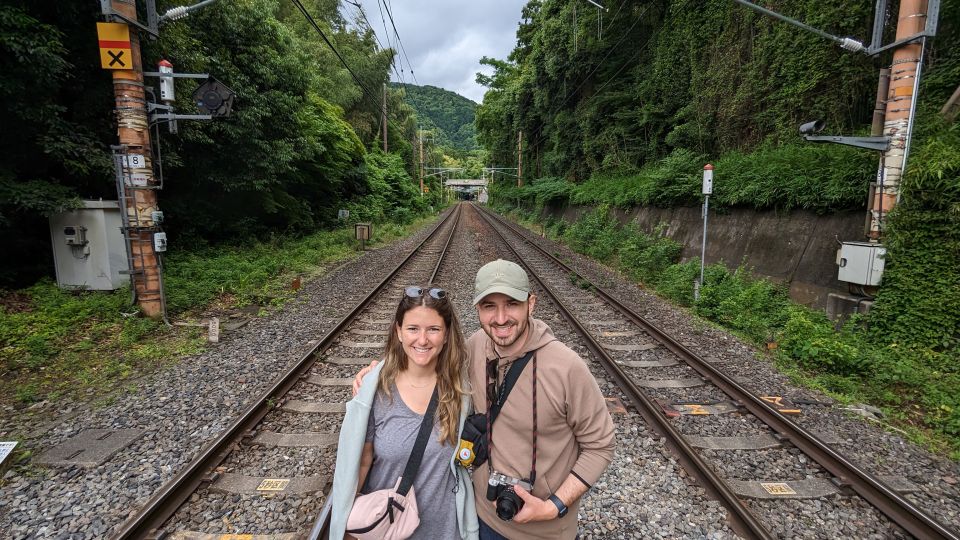
This tour is built for people who want the best Arashiyama sights in a single morning or block of the day, without spending mental energy planning trains and meeting points. You start at Saga-Arashiyama Station, then move stop-to-stop primarily on foot, which keeps you close to the real rhythm of the neighborhood.
You’ll typically cover a mix of photogenic classics and calmer breaks. The bamboo grove section sets the tone fast. Then you shift to quiet garden and temple time. After that, you finish with the view and monkeys—so your day ends with the big “wow” rather than the other way around.
One smart thing: the pace is designed around short transit walks and set photo stops, with breaks where you can reset. Guides like Karim, Francis, Tom, Toru, Kevin, and Alice (names you may hear during this experience) are consistently described as energetic, friendly, and willing to answer questions while keeping the group moving at a comfortable speed.
You can also read our reviews of more food & drink experiences in Kyoto

Where you meet, how you’ll move, and why it matters
You’ll meet your guide by the map down the stairs on the north side of JR Saga-Arashiyama Station. When you exit the train gates, go right, go downstairs, and look for your guide in a red polo shirt (or a jacket) with the JTA logo near the vending machines.
This matters because Arashiyama is busy. Finding the meeting point quickly helps you start the day calm instead of hunting in a crowd. Also, the tour is rain or shine, and it’s explicitly a walking tour, not a bus tour. That means you should dress for weather like you’re commuting—bring an umbrella if rain is in the forecast, and wear shoes that can handle uneven temple paths.
The day officially ends at Monkey Park (Iwatayama). In practice, that means you finish with the hike and viewing area, and you can take your time there before leaving whenever you want.
Arashiyama Bamboo Grove: why the best photos come from looking up
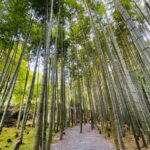
The bamboo grove stop is short enough to keep momentum, but long enough for you to actually feel the place. You walk through an urban forest where the light changes as you move. The classic shots work better when you slow down and tilt your head up—bamboo isn’t just scenery, it’s a vertical pattern that makes the whole path feel taller.
Bring your phone, sure. But bring your patience too. Bamboo groves can feel crowded at peak times, and you’ll enjoy it more if you pause for a moment near the quieter stretches rather than sprinting for the first photo angle.
This is one of the stops where a good guide makes a real difference. Your guide can point out where the light hits best and where the path gives you the cleanest sightlines—small stuff, but it saves you time.
Okochi Sanso Garden: private space, tea-house break, and slow wandering
Next comes Okochi Sanso Garden, a private garden experience that feels more intentional than the standard walk-by attraction. You get the entry ticket included, and you’ll have time to explore the grounds at a calmer tempo.
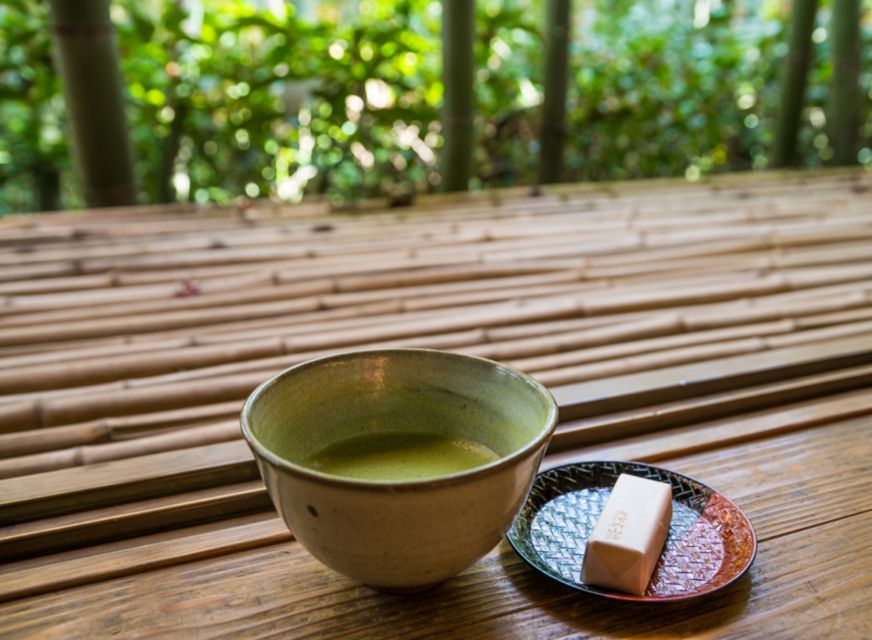
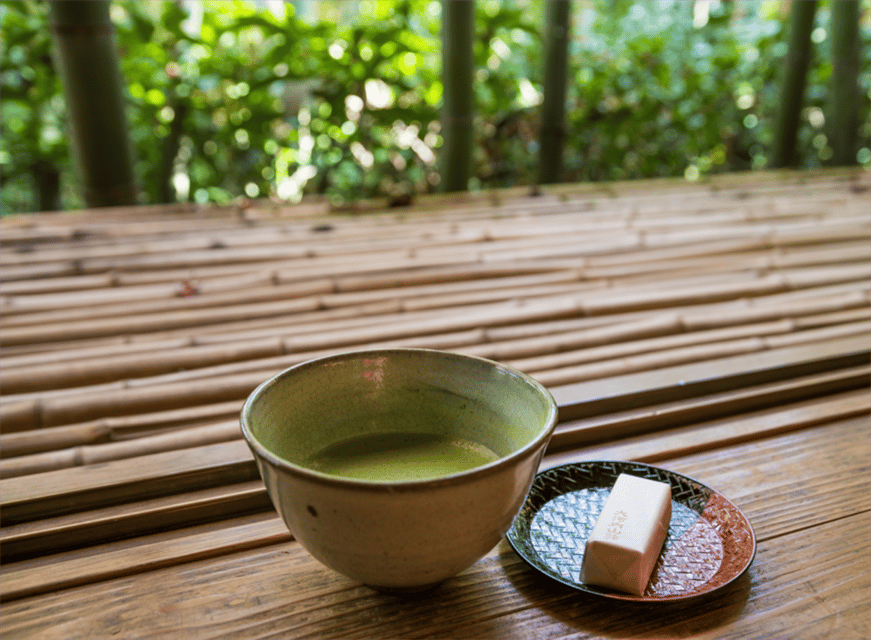
The biggest practical win here is the rest area. You’ll enjoy a free green tea (included) plus time to sit and cool down. That matters on a walking tour because it’s easy to burn energy on photos and stairs and then feel drained before the temple and monkeys.
Even if you’re not a “garden person,” you’ll likely enjoy this stop for two reasons:
- It’s a change of pace from crowds and streets.
- The time to linger helps you actually register the shapes, ponds, and paths instead of just snapping photos and moving on.
If you’re doing this with kids or a group with mixed energy levels, this is usually the kind of stop that keeps everyone happier.
Tenryuji Temple grounds: koi pond time and Zen atmosphere
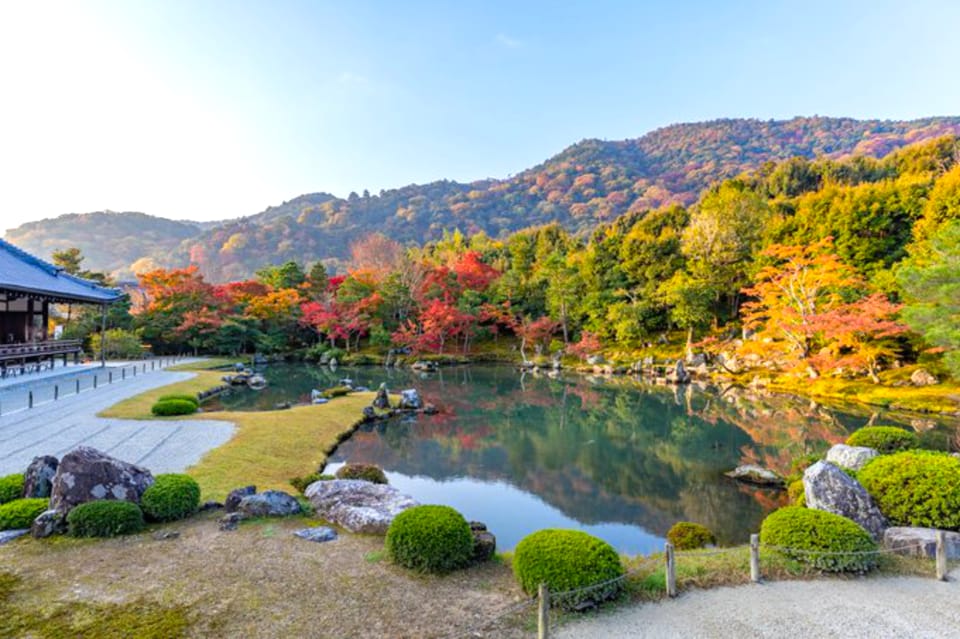
From the gardens, the tour continues to Tenryuji Temple, with the entry ticket included. Tenryuji is one of those places where you don’t have to force it. You just slow down and look around: pond views, temple structures, and the feeling of a space designed for quiet.
One of the most memorable elements here is the koi fish pond. It’s not just a pretty detail. It gives you an easy focal point when you want a break from walking and crowd noise.
You’ll also get time to wander self-guided within the temple experience. That’s important because temple visits are often “watch and follow” events, but this one gives you breathing room to absorb what you’re seeing.
If you like learning about cultural context, a good guide can also help you understand what you’re looking at—how shrines and temple spaces are used and why certain areas matter.
You can also read our reviews of more drinking tours in Kyoto

Nonomiya Shrine and the little cultural stops that keep it from feeling mechanical
In between the major highlights, there’s a stop at Nonomiya Shrine for photos and sightseeing. These small pauses are part of what makes the day feel like a real walk through Arashiyama rather than a rapid hop between ticket gates.
You’ll also likely notice that the route includes scenic walking sections and short photo stops—those are built in so you don’t feel like you’re always “running to the next place.” They also help you catch small visual moments that you’d miss if you were only moving between famous landmarks.
Choose your second act: Arashiyama Shopping Street and Togetsukyo OR local lunch and Tanzan Brewery
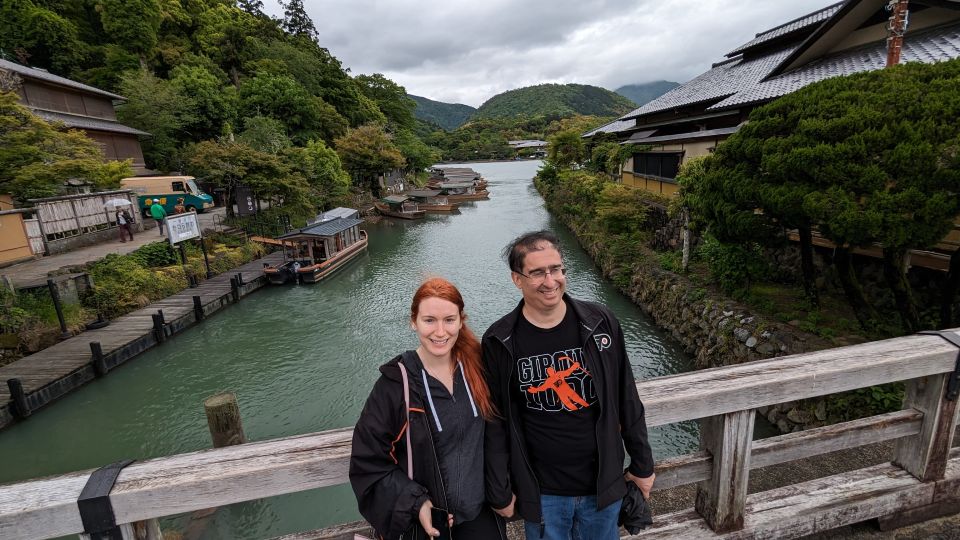
One of the best features of this experience is the flexibility built into the plan. You can choose between Option A and Option B depending on what you care about more: neighborhood vibes and classic sights, or a more food-and-sake-focused angle.
Option A: Kimono Forest, Togetsukyo Bridge, and a classic Arashiyama loop
Option A adds more of the famous neighborhood flavor:
- Arashiyama Shopping Street for snack stops and local browsing
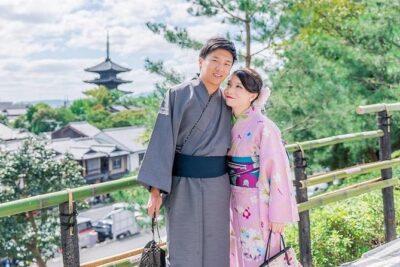
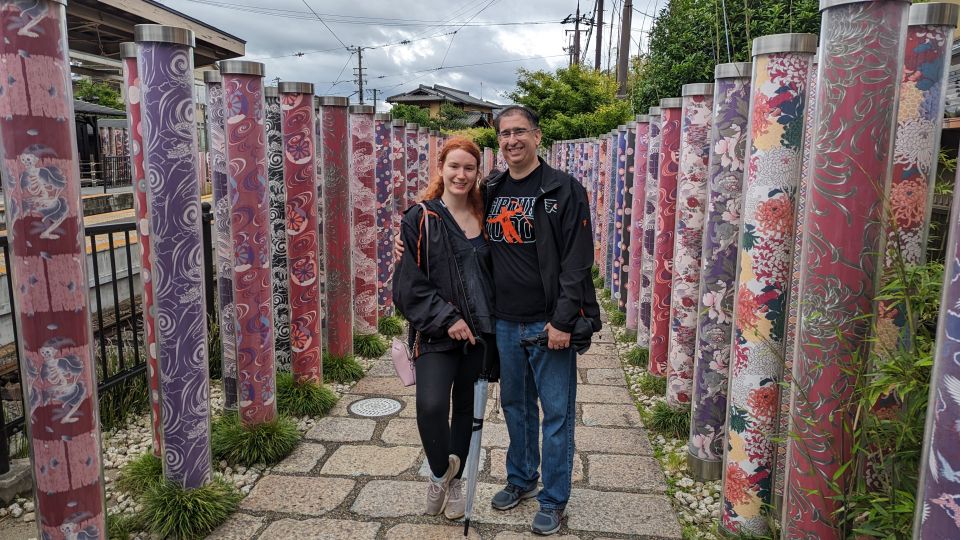
- The Kimono Forest photo area
- Togetsukyo Bridge for iconic river views
- Then you head toward the Monkey Park experience
If you enjoy street energy—even just a little—this option is satisfying. You’ll likely also find it easier to keep energy up with snack breaks and short, photogenic stops along the way. It’s a good choice if you want your day to feel like Arashiyama the movie set way.
Option B: mountain ride, lunch among locals, and Tanzan Brewery sake tasting
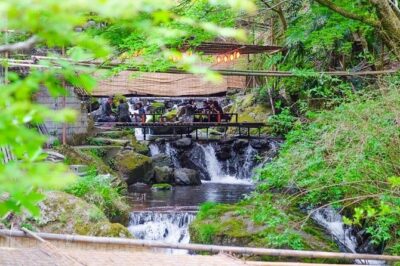
Option B goes in a different direction. You ride a short train segment through the mountains and then stop for a lunch option described as among locals with fewer tourists. After that, you visit Tanzan Brewery with sake tasting included.
This is a great choice if you want something more adult and food-focused. Sake tasting at a brewery isn’t just a sample—it’s a structured cultural experience you can enjoy without hunting down reservations. If your group includes people who don’t get excited about photo spots, this option can be a better fit because it gives you a concrete activity and taste experience.
Iwatayama Monkey Park: the steep hike and the best views over Kyoto
Now for the main finish: Iwatayama Monkey Park.
The instructions are clear for a reason: reaching the top involves a short hike of about 15–20 minutes on a steep path. This is where your shoes and energy level matter most. If you’re someone who gets stressed by inclines or long standing, plan for a slower pace and take advantage of any pauses your guide suggests.
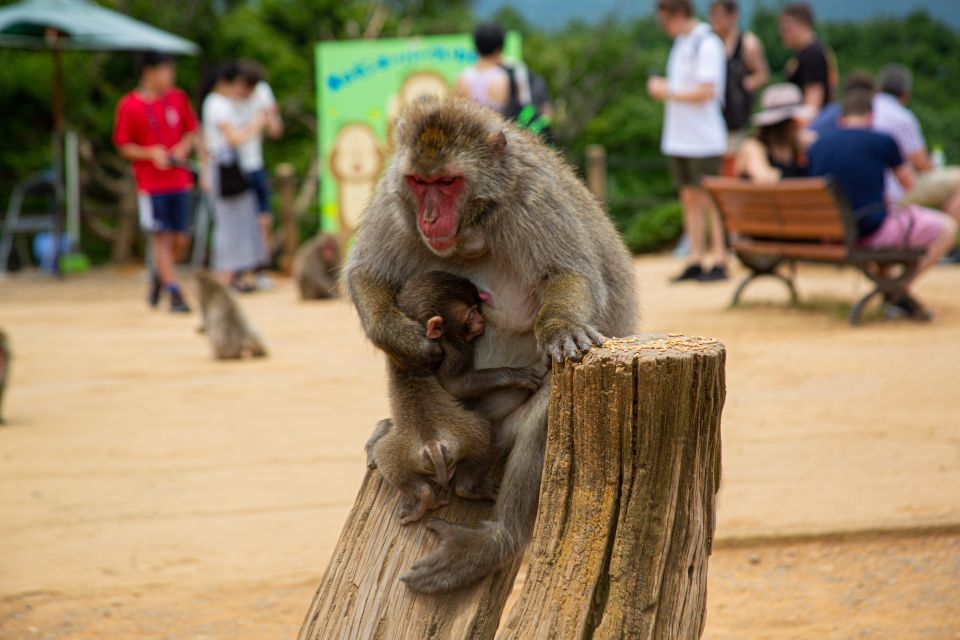
Once you’re up there, the payoff is serious. You’ll get panoramic views over the Katsura River area, plus a chance to see Japanese macaques in their habitat. This isn’t a zoo-style viewing. It feels more like you’re observing wild behavior from a set viewing area—so you can watch, but you also want to stay aware of your surroundings.
Quick practical note: bring patience. Monkeys can be unpredictable. Sometimes they’re active and close. Other times they’re resting or moving farther away. The fun is in the watching, not in forcing a specific encounter.
Price and value check: what $87 really buys you
At $87 per person for about 5 hours, the value comes from stacking paid entries and guide time together.
Included items you should care about:
- Bilingual local guide (with languages available; more on that below)
- Entry tickets to Okochi Sanso Garden, Tenryuji Temple, and Monkey Park
- Green tea
- Souvenir pictures
You’re also getting a structured walking route that hits major sites without you doing logistics math all morning. For many people, that’s the real “value”—you spend your energy on seeing, not planning.
The only extra you’ll typically need to budget for is lunch (not included) and any extra drinks or souvenirs. If you choose Option B, lunch becomes part of that local-feel structure, but it’s still not described as included in the base package.
Shoes, weather, and small comfort tips that make a big difference
This is a walking day, with temple steps and a steep monkey-hill climb. I suggest you treat it like a light hike, not like a casual stroll.
What to bring:
- Comfortable shoes
- An ID card or passport
- Cash (handy for small purchases on shopping street days)
Weather:
- The tour runs rain or shine. If it’s wet, paths can get slick around temple areas and hillside paths. An umbrella helps, but shoes and caution matter more.
Photo and pacing:
- Do your fastest photos early at the bamboo grove and bridge, then slow down where you have time to linger like Okochi Sanso.
- On hot days, the garden drink stop and temple shade time are your recharge points.
And if you’re thinking about going solo: there’s a 2-guest minimum rule, so the departure can be canceled, rescheduled, or refunded if you’re the only booking. If you’re flexible with dates, that risk is easier to manage.
Language options: how to get what you want
The experience offers guides who speak English, French, German, and Spanish. However, for shared tours, you can’t assume your exact language will be guaranteed. The safest move is to confirm before booking if a specific language matters to you.
Private group options are available, but the “specific language isn’t always guaranteed” note still applies—so check for your date and language preference.
Who should book this Arashiyama tour, and who should skip it?
This tour fits you if:
- You want major Arashiyama sights in one organized day
- You like temples and gardens, not just photo stops
- You’re okay with walking and want a guide to help you read the place
- You want either a neighborhood-stroll feel (Option A) or sake tasting and food time (Option B)
You might skip it if:
- Climbing to the top of Monkey Park feels too difficult. The steep path is a real factor.
- You prefer bus-only days or minimal walking.
Should you book this experience?
If you’re spending limited time in Kyoto and you want Arashiyama to feel both classic and thoughtfully paced, I’d book it. The combination of bamboo grove, Okochi Sanso Garden, Tenryuji Temple, and the Monkey Park viewpoint is hard to replicate cheaply on your own once you factor in guide routing and included entry tickets.
Choose Option A if you want the bridge-and-shopping-street energy. Choose Option B if you want local lunch time and a more drink-and-food experience with Tanzan Brewery sake tasting. Either way, the finish at the monkeys gives you a strong sense of place—and a view you’ll remember.
FAQ
Where do I meet the guide?
Meet by the map down the stairs on the north side of JR Saga-Arashiyama Station, near the vending machines. Look for a guide wearing a red polo shirt or jacket with the JTA logo.
How long is the tour, and where does it end?
The tour lasts about 5 hours. It officially ends at Monkey Park (Iwatayama), and you can leave whenever you want after that.
Is this a walking tour or a bus tour?
It’s a walking tour, not a bus tour. You’ll move between stops primarily on foot, including a steep hike near the end.
What’s included in the price?
Included items are the bilingual local guide, entry tickets to Okochi Sanso Garden, Tenryuji Temple, and Monkey Park, green tea, and souvenir pictures.
What’s the difference between Option A and Option B?
Option A focuses on Arashiyama Shopping Street, Kimono Forest, and Togetsukyo Bridge before the Monkey Park. Option B includes a short mountain train ride, lunch among locals, and a visit to Tanzan Brewery with sake tasting included.
What languages are available?
The tour lists English, French, German, and Spanish. Availability for a specific language can’t be guaranteed for shared tours beyond English, so you should confirm your preferred language for your date.
What should I wear or bring?
Bring comfortable shoes and cash. It also says to bring an ID card or passport. The tour runs rain or shine, so be ready for weather.