REVIEW · KYOTO
Kyoto: Insider Sake Experience with 7 Tastings and Snacks
Book on GetYourGuide →Operated by Add Stories Co., Ltd · Bookable on GetYourGuide
A good sake night starts with knowing what to sip. This Kyoto insider tasting is built for beginners: you compare multiple styles side by side, learn what brewing changes taste, and leave with a practical cheat sheet. My favorite part is the expert-guided flight (often described as seven rounds) plus a structured way to learn how food shifts the flavor. One thing to consider: if you show up late or don’t drink, you may not be able to join, and alcohol rules apply.
In a cozy, dedicated tasting room, you’ll get the kind of teaching that turns sake from a confusing label puzzle into something you can actually order. The pacing stays relaxed, but you still cover the core skills: tasting notes, bottle reading, and how to choose hot or cold.
In This Review
- Key Takeaways Before You Go
- Kyoto Insider Sake Experience: The 90-Minute Way to Learn What You Actually Like
- Who will enjoy it most
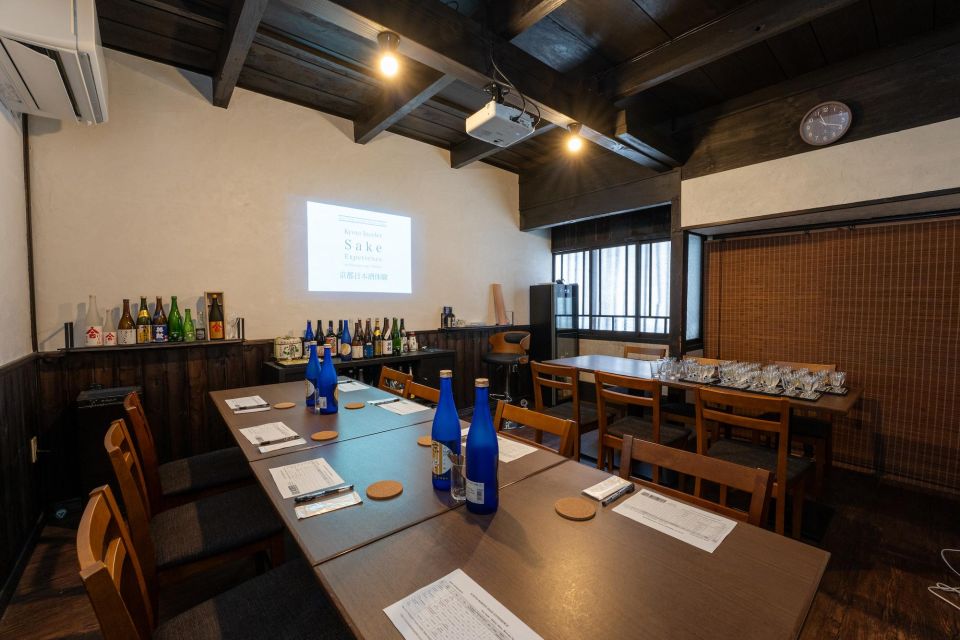
- Inside the Tasting Room: What Happens From Welcome to Final Sips
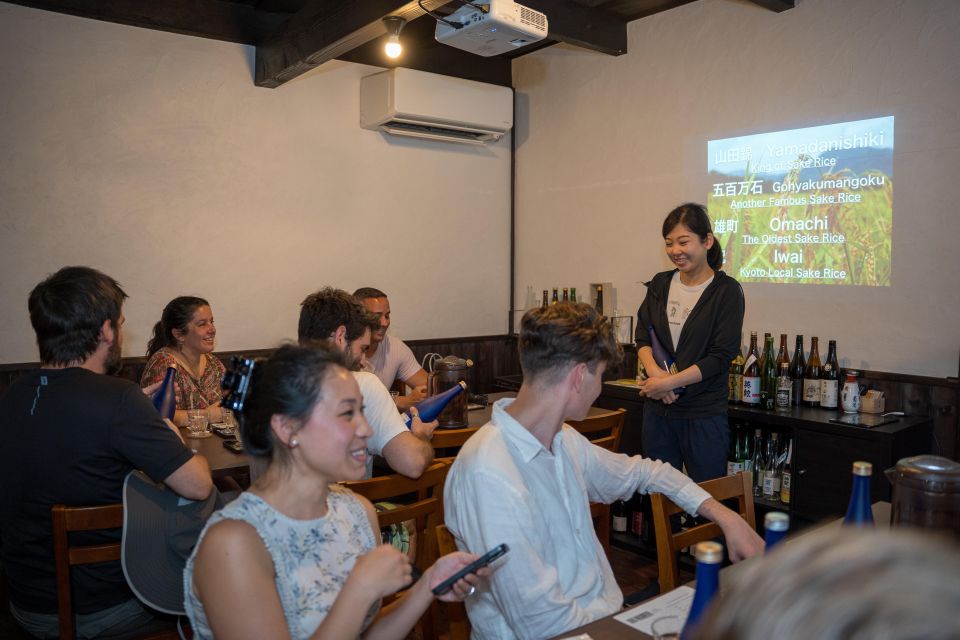
- Guides bring the room to life
- The Sake Flight: Dry, Crisp, Fruity, and Everything Between
- Expect generosity, not tiny samples
- Otsumami Pairings: The Secret Lesson Hidden in the Snacks
- Vegetarian and allergies can be handled
- What to eat before you go
- Learning to Read Sake Bottles: The Skill That Pays Off After Your Trip
- Hot vs Cold, Sushi Pairings, and How to Order Like You Know What’s Going On
- Practical Details That Actually Matter on Tour Day
- Value Check: Is $66 Worth It for a Kyoto Sake Class?
- Should You Book This Kyoto Insider Sake Experience?
- FAQ
- How long is the Kyoto insider sake experience?
- What is included in the tasting?
- Is the tour offered in English?
- Can I bring children or non-drinkers?
- What if I’m under 20?
- Are there any rules about alcohol on arrival?
- What should I do about allergies or food preferences?
Key Takeaways Before You Go
- 7 tastings in a guided flight that helps you find your style fast
- Otsumami pairings that show why sake tastes different with food
- Bottle-reading practice so you can order confidently in Japan
- Hot vs cold + sushi pairing tips for real-world ordering
- A cheat sheet + tasting notes you can use after the tour
- English live guide with a small, classroom-like feel
Kyoto Insider Sake Experience: The 90-Minute Way to Learn What You Actually Like
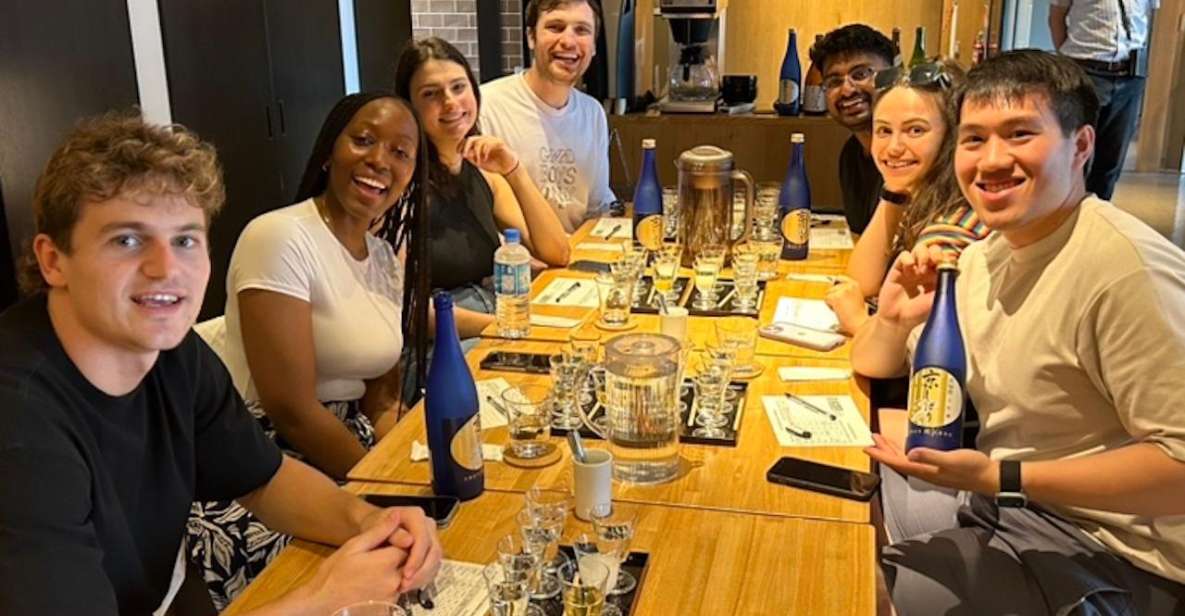
Kyoto is famous for tradition, but this experience keeps it practical. You’re not just drinking. You’re training your palate with an expert, then using that new skill right away with food pairings. Over 90 minutes, the tour builds from basics into hands-on choices, so you leave with more than happy buzz.
At $66 per person, the value is mostly in the guidance. You get a certified sake expert, a curated tasting flight (the program notes 10+ types selected while the experience is commonly described as seven generous tastings), plus otsumami and take-home notes. If you’ve ever stared at a sake menu and thought, I have no idea what any of this means, this tour is designed for that exact moment.
You can also read our reviews of more food & drink experiences in Kyoto

Who will enjoy it most
This is a strong fit if you’re:
- A first-timer who wants a clear starting point
- Curious about how sake is made and what changes its flavor
- Excited by food pairing, especially sushi-adjacent choices
It’s not the best match if you’re going for a long sit-down meal or you want a casual bar crawl. This is structured like a class, just a friendly one.
Inside the Tasting Room: What Happens From Welcome to Final Sips
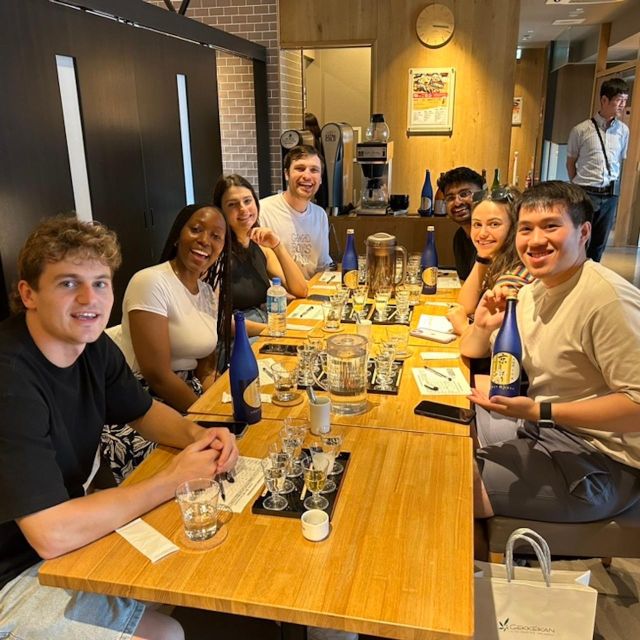
The experience takes place in the tour’s own dedicated tasting room, and the meeting point is simple: talk to the staff at the counter when you arrive. That matters because you don’t waste time finding the right doorway or figuring out where the group meets.
Most sessions follow a clear rhythm, and the reviews back up the same pattern:
- Tasting begins without food so you can identify flavors on their own
- Then food pairings (otsumami) start changing what you taste
- You learn how to read bottle info and mark what you like
- The guide wraps it up with practical ordering tips
One reason this structure works is that it stops you from guessing. If you taste something and go, I don’t get it, the pairing step often re-frames it. Several people specifically mention that a sake they were not excited about alone became a favorite once food showed up.
Guides bring the room to life
The vibe seems consistently warm and a bit playful. Reviews mention hosts such as Kiyomi, Kotaro, Mayo, Shogo, Greg, Rieko, Yui, and Mai—and the common thread is teaching with patience. People highlight guides who explain clearly and answer questions without rushing.
You should expect a mix of calm explanations and interactive moments, like getting help interpreting bottle details while you taste.
The Sake Flight: Dry, Crisp, Fruity, and Everything Between
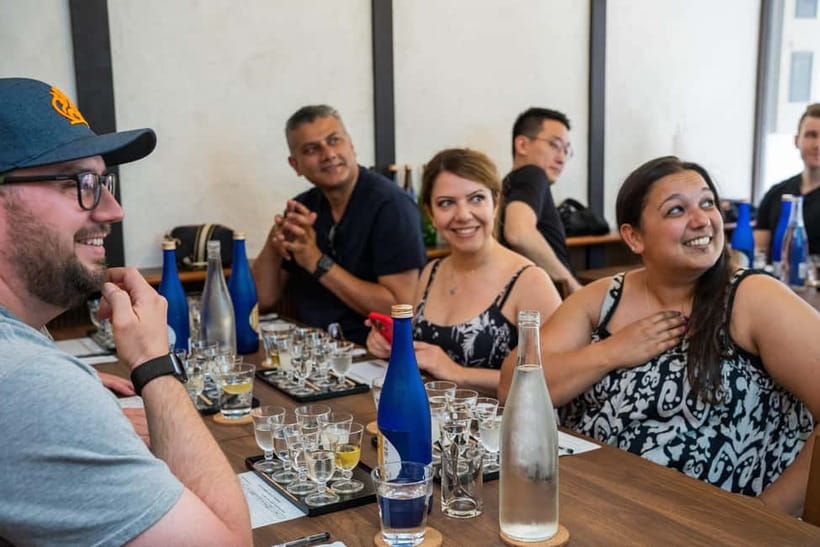
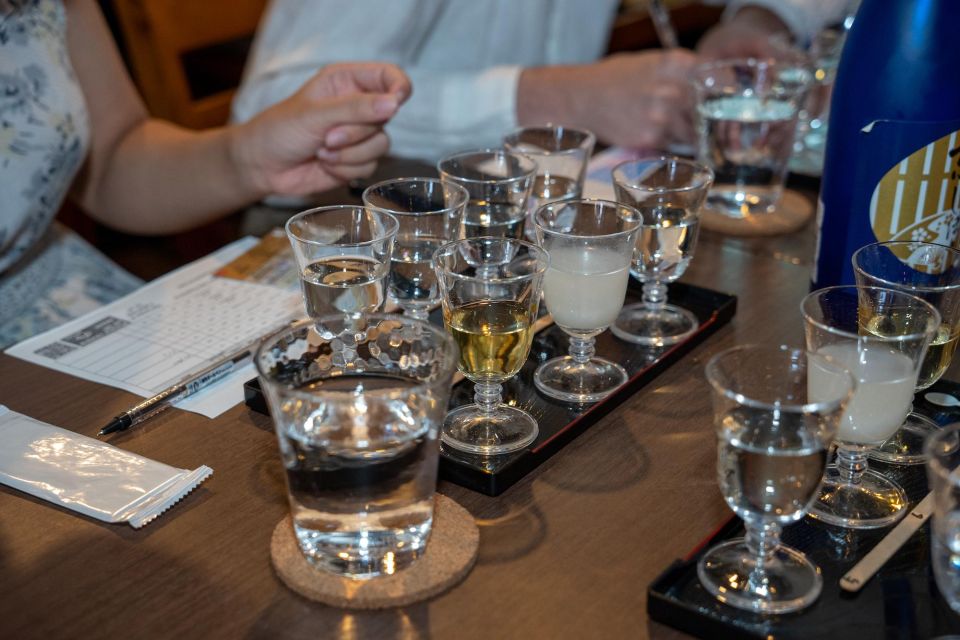
The highlights promise a range from dry and crisp to sweet and fruity, and that’s the point: you’re tasting styles side by side so your brain can sort the differences. In practice, that means you’ll learn to notice more than just the obvious categories.
Here’s what you’ll be training yourself to detect:
- How sweetness can read as fruitiness, softness, or even texture
- How dryness can feel sharp or clean, depending on style
- How polishing and brewing choices can shift aromas and mouthfeel
- How temperature can change the same sake (hot vs cold guidance is part of the lesson)
Even if you’re not a “sake person” right now, this is a great way to start building taste vocabulary. One review describes how the flight helped participants fill their tasting card with clear preferences like drink with food and snack pairings. That’s exactly what you want: usable results, not just random sips.
You can also read our reviews of more drinking tours in Kyoto

Expect generosity, not tiny samples
Multiple reviews call out the pours as generous. You’re not getting a thimble-and-a-few-chips experience. The snacks are meant to keep pace with your tasting, but you should still think of it as a tasting, not lunch.
Otsumami Pairings: The Secret Lesson Hidden in the Snacks
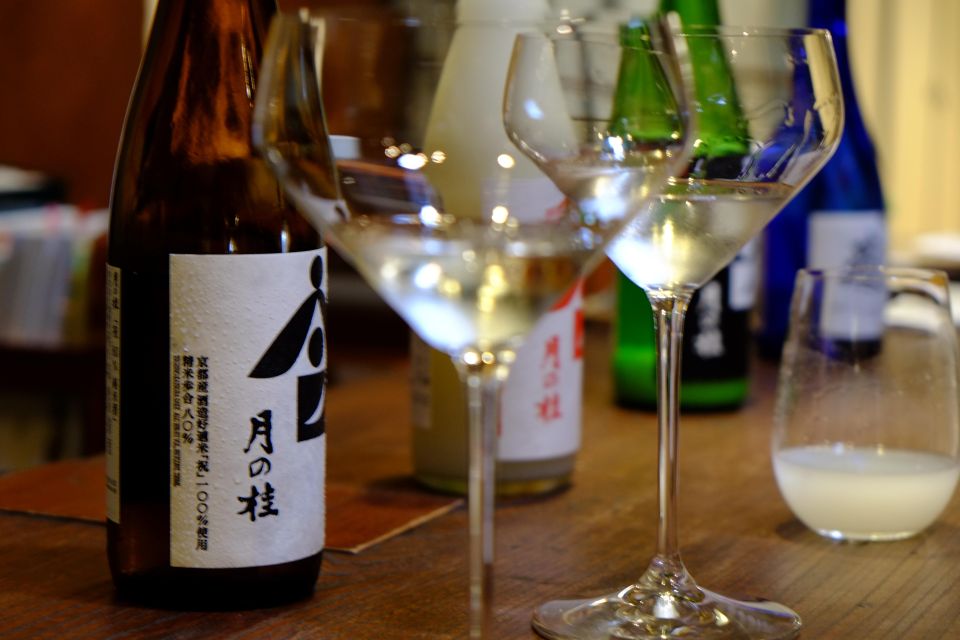
Sake is tied to food in Japan for a reason: pairing can rewrite the whole drink. That is the biggest practical takeaway from this experience.
You’ll be served otsumami, traditional Japanese appetizers, specifically for pairing. Reviews mention that the pairings are delicious and that food makes a noticeable difference—sometimes dramatic. One participant describes a true 180: sake they didn’t care for alone became drinkable and even appealing once paired.
That’s useful information for your Kyoto trip, because ordering in restaurants is always easier when you know what to do with a menu. Instead of chasing the most popular sake bottle, you can match the style to the food you’re already planning to eat.
Vegetarian and allergies can be handled
If you have food preferences or allergies, let the guide know at the site. Several reviews mention vegetarian needs being accommodated, with a good replacement served alongside the tasting.
What to eat before you go
The tour provides food pairings, but the alcohol flavor can still feel strong if you’re totally empty. A helpful tip that comes up in reviews: eat beforehand if you can. You’ll enjoy the flight more, and you’ll taste the differences instead of just feeling buzzed.
Learning to Read Sake Bottles: The Skill That Pays Off After Your Trip
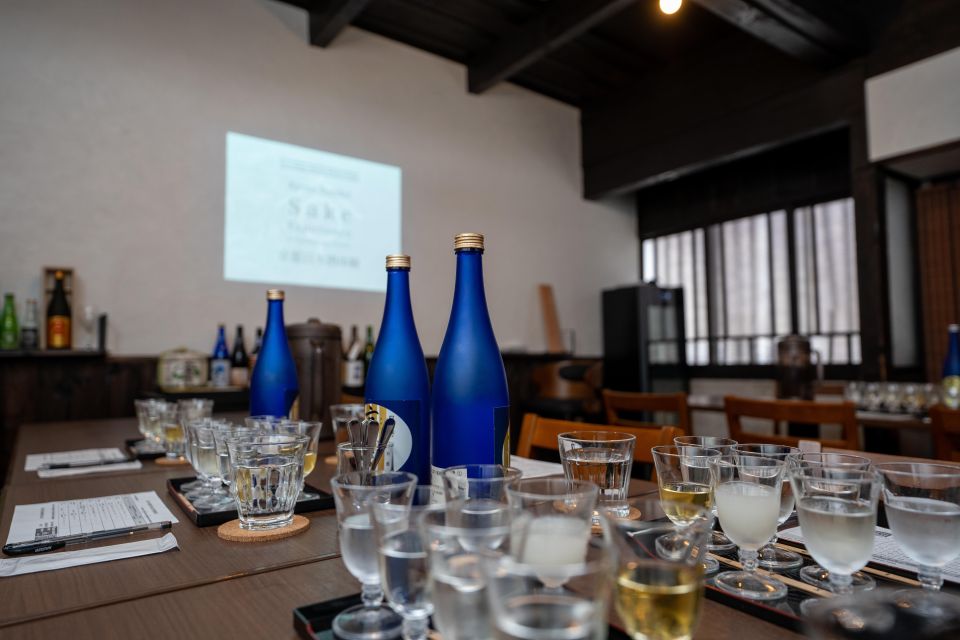
This is one of the most praised parts of the whole experience: the practical instruction on how to read sake bottles and menus. It turns your next izakaya stop from guessing into choosing.
In a tasting like this, the label-reading lesson makes sense because you’re not studying terms on paper. You’re tasting the results while the guide points out what the bottle suggests—so the label becomes a prediction tool.
From what’s emphasized in the experience highlights and reviews, the cheat sheet and tasting notes help you:
- Remember what you liked and why
- Compare new bottles using the same categories you learned
- Order with more confidence in Japanese stores and menus
- Ask better questions when staff explain options
One review specifically mentions a hands-on approach where each participant explored their own bottle for key information. Even if your session varies, the goal is the same: give you the map, not just the destination.
Hot vs Cold, Sushi Pairings, and How to Order Like You Know What’s Going On
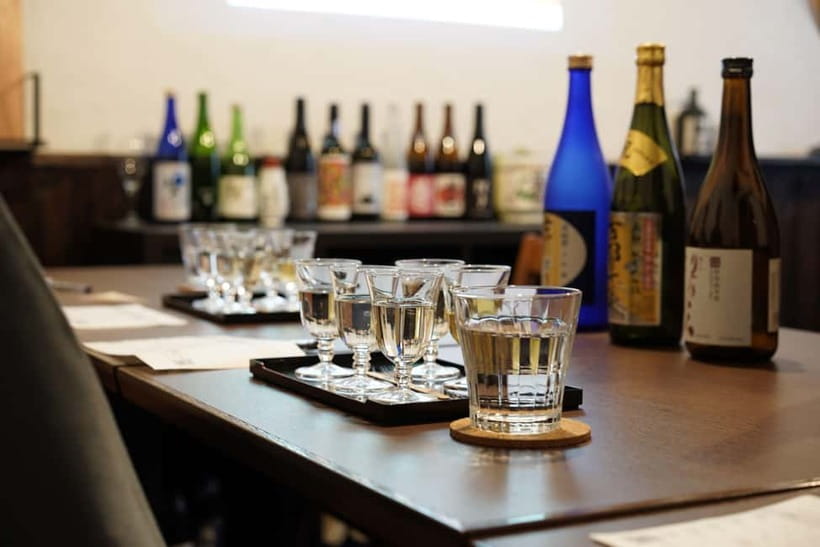
You don’t just learn sake styles; you learn when and how to enjoy sake. The program highlights hot or cold serving tips and pairing guidance, including which types can work well with sushi.
This matters because sake in Japan is often served based on preference and season, and the serving temperature can change how a style reads on your palate. If you only ever drink one temperature, you miss half the story.
Here’s how to use what you learn:
- If a style felt sharp or too dry, you can ask about pairing with richer bites
- If something tasted too sweet alone, the guide’s pairing approach can help you choose food that balances it
- Use the sushi pairing tips to feel less lost when you see simplified menu language
Think of this as learning ordering shortcuts. You’re not memorizing every word on a label. You’re learning a few strong decision rules.
Practical Details That Actually Matter on Tour Day
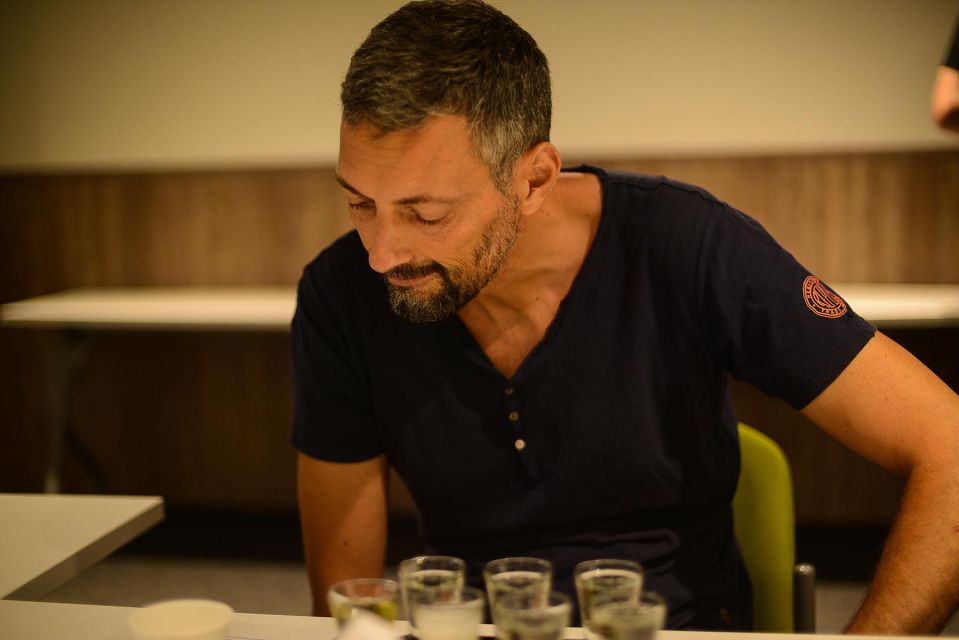
A couple of “small” rules can affect your experience, so I’d plan around them.
- You cannot bring bikes, and the tour notes strong fragrances are not allowed. If you’re wearing perfume or strong-smelling products, go lighter than usual.
- Alcohol is controlled by age and legal requirements. In Japan, the legal drinking age is 20. If you’re under 20, you’ll be served non-alcoholic drinks. Also, for safety and legal reasons, alcohol will not be served to guests who arrive by car or bicycle; non-alcoholic drinks are available.
- If you’re more than 20 minutes late, the booking is canceled. That one is worth respecting because it protects timing for the whole group.
- Guests without a reservation, including children and non-drinkers, will not be allowed to join. Reviews also point to an adult-friendly vibe.
- Not recommended for children, and also not suitable for pregnant women and people under 19.
If you’re traveling with someone who doesn’t drink, double-check whether their situation fits the tour rules before you buy tickets.
Value Check: Is $66 Worth It for a Kyoto Sake Class?
In Kyoto, you can find sake tastings that are cheaper. But this one’s price is built around instruction you can reuse.
You’re paying for:
- A certified sake expert leading the flight
- A curated tasting range (the program notes 10+ types selected)
- Otsumami pairings that teach you how taste changes with food
- A cheat sheet and tasting note, which turns the experience into future ordering power
- A dedicated 90-minute format in an intimate room
When people rate this so highly, it usually comes back to two things: the guides make it easy to understand, and the food pairing changes the way you judge what you like. If you’re the type who wants to repeat the experience later by buying the right bottle, the cheat sheet and bottle-reading practice can easily justify the cost.
Should You Book This Kyoto Insider Sake Experience?
Book it if:
- You’re a beginner who wants confidence ordering sake in Japan
- You enjoy structured tastings with hands-on labeling tips
- You like food pairing and want to understand why it works
- You want a short, high-impact 90-minute Kyoto activity
Skip it (or at least reconsider) if:
- You’re hoping for a long dinner or a free-form nightlife stop
- You don’t fit the age or reservation rules
- You’ll arrive late or have reasons you might not be able to participate in the alcohol-focused portion
If you want to walk out able to say, I like this style and I know what to ask for, this is one of the best “learn and taste” experiences you can do in Kyoto.
FAQ
How long is the Kyoto insider sake experience?
The tour lasts 90 minutes.
What is included in the tasting?
You get a certified sake expert guide, a tasting flight (the program notes 10+ sake types selected), otsumami for food pairing, and a sake cheat sheet and tasting note. It is held in a dedicated tasting room.
Is the tour offered in English?
Yes, the experience includes a live English guide.
Can I bring children or non-drinkers?
The tour states that guests without a reservation (including children and non-drinkers) will not be allowed to join. Children are also noted as not recommended, and there are specific age restrictions.
What if I’m under 20?
Japan’s legal drinking age is 20. Customers under 20 will only be served non-alcoholic drinks.
Are there any rules about alcohol on arrival?
For safety and legal reasons, alcohol will not be served to guests who arrive by car or bicycle. Non-alcoholic drinks are available.
What should I do about allergies or food preferences?
Tell the guide at the site if you have food preferences or allergies. The experience also notes that the guide needs that information during the tour.