REVIEW · KYOTO
Kyoto: Private Customizable Day Trip by Car
Book on GetYourGuide →Operated by Gozentrip Co.,Ltd · Bookable on GetYourGuide
A car day in Kyoto feels like a cheat code. You get a private, customizable route with hotel pickup, air-conditioned comfort, and enough freedom to spend time where it matters. I like the flexible pacing that lets you linger at temples or swap priorities on the fly, and I also like how the driver handles the heavy logistics while sharing guidance between stops in Chinese, English, or Japanese.
One thing to consider: this is not a walking-guided tour. The driver explains things while you’re on the move, but you explore each site on your own, and the driver doesn’t get out with you.
In This Review
- Key things to know before you go
- Why a private Kyoto car beats buses and trains
- The value of paying $581 for a private group (up to 6)
- Timing that keeps your day from slipping: 10 hours, end by 18:00
- Arashiyama (about 1.5 hours): start with scenery and walk energy
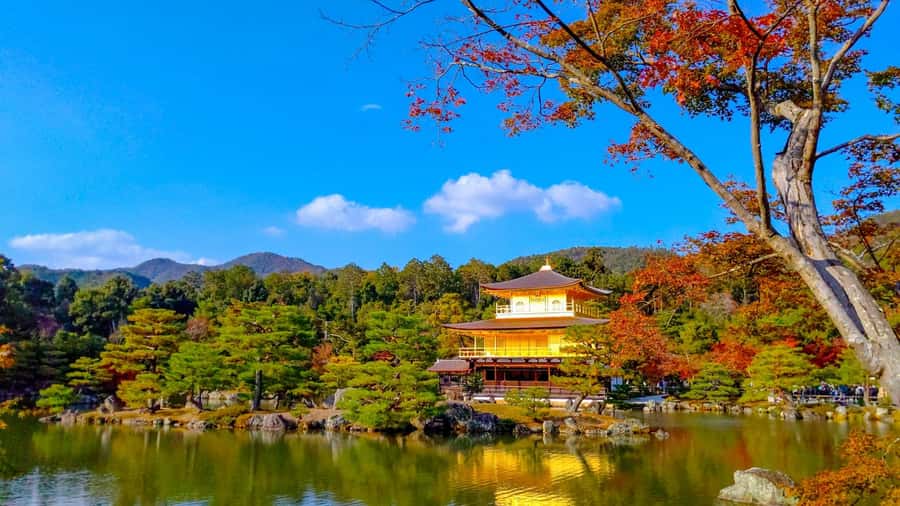
- Kinkaku-ji (about 1 hour): iconic temple, short and sweet plan
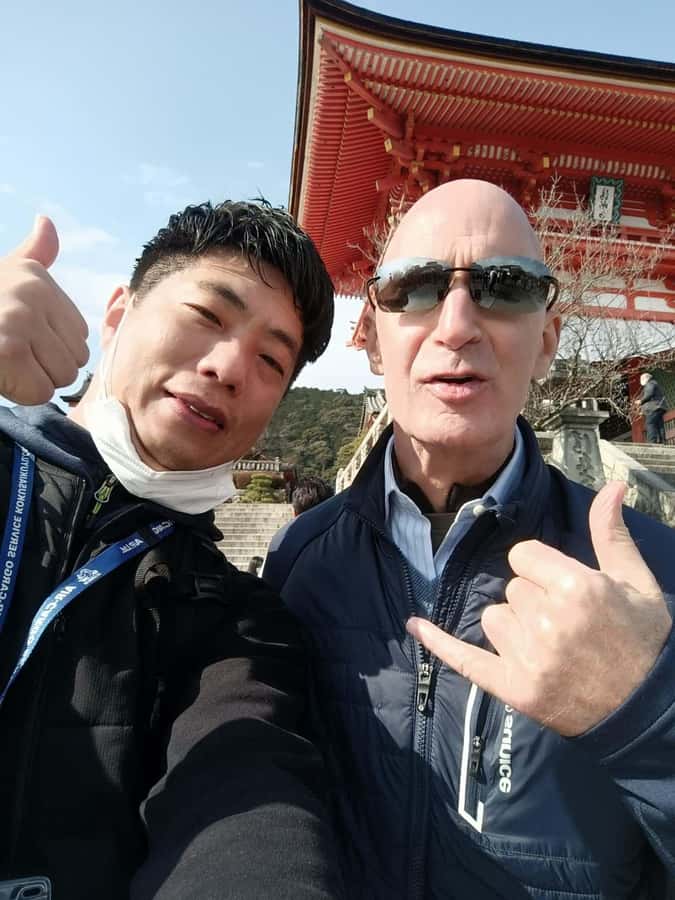
- Kiyomizu-dera (about 2 hours): the best use of your walking time
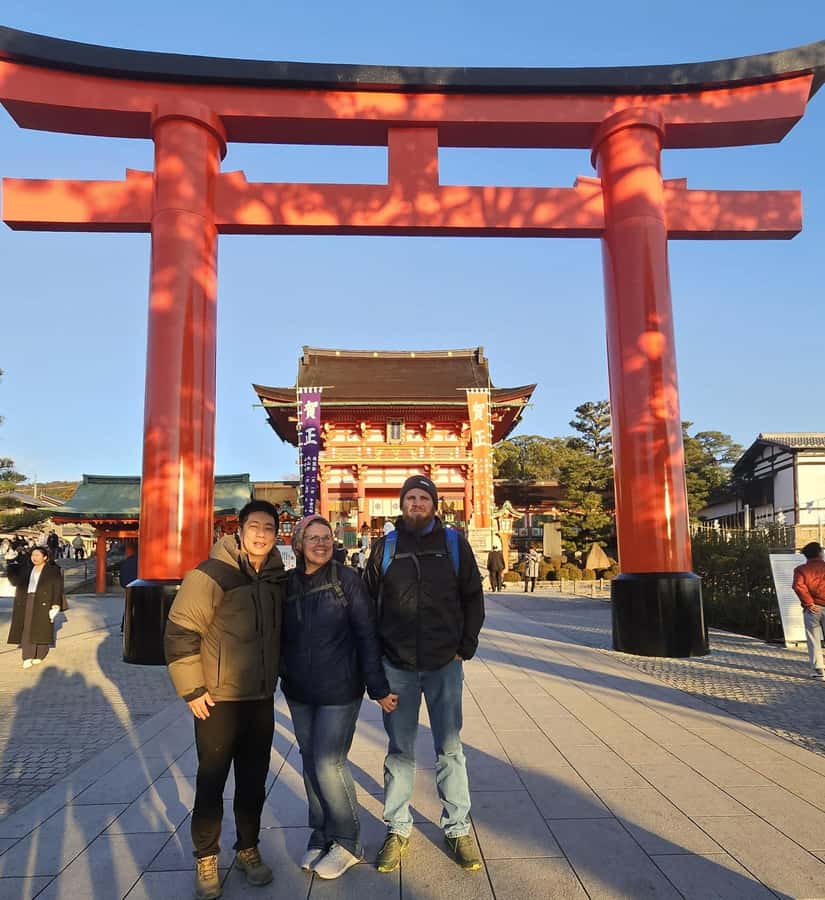
- Fushimi Inari Taisha (about 1.5 hours): walking rhythm for the torii paths
- How customization actually works on a day like this
- What to pack: comfortable shoes and the luggage rule
- Who this Kyoto day trip is best for
- Should you book this Kyoto car tour?
- FAQ
- What is the duration of this Kyoto private day trip by car?
- How many people can join the private group?
- Where can I be picked up and dropped off?
- Which sights are included in the standard plan?
- Are entrance fees included?
- What’s included with the price besides transportation?
- Does the driver walk with you at each stop?
- Is there a luggage restriction?
Key things to know before you go
- Private car, not a bus shuffle: you skip the crowded public-transport bottlenecks between neighborhoods
- Your schedule is elastic: no fixed timetable, so you decide how long to stay at each main stop
- All travel time counts: the full 10 hours includes transportation and time for lunch, not just sightseeing
- Entrance fees are extra: parking and tolls are covered, but you’ll pay to enter where required
- Driver stays with the car: helpful explanations happen between destinations, then you walk inside the sights
Why a private Kyoto car beats buses and trains
Kyoto is famous for its temples, but it’s also famous for how time disappears: long bus lines, crowded train transfers, and the walk-from-here-to-actually-there problem. A private car day is a practical way to protect your energy. Instead of timing your moves around timetables, you move around geography.
For this trip, you can start from Central Kyoto or Osaka, depending on the pickup option you choose. That matters because many one-day Kyoto plans force you into a morning scramble just to reach the “real” sightseeing areas. Here, the plan is set up to get you into the right zones quickly, then keep you there with efficient point-to-point driving.
You also avoid one of Kyoto’s biggest friction points: the mismatch between how long you want to linger and how long a public transit window allows. With this format, you can slow down. Want photos at Kiyomizu-dera longer than expected? Or decide Fushimi Inari needs less time today? The day can flex.
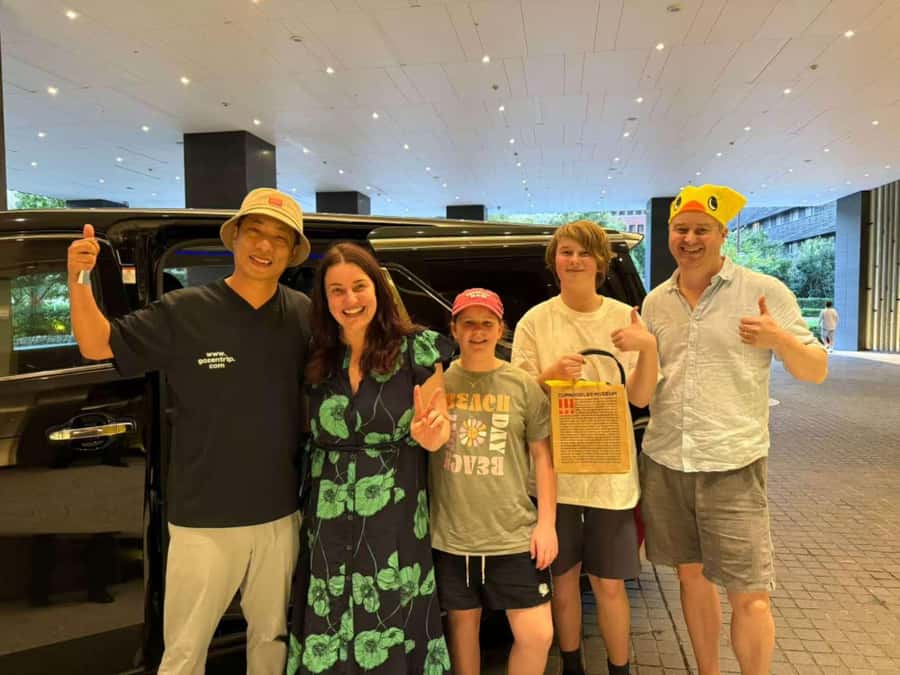
Finally, you’re not stuck figuring out parking and route decisions while everyone is hungry or tired. The driver is there to make the day run, and previous experiences with drivers such as Lexi, Max Chau, Ho, Mex, and Fuji-san often come down to one theme: clear communication and smooth handling of the driving and transfers.
You can also read our reviews of more private tours in Kyoto

The value of paying $581 for a private group (up to 6)
At $581 per group up to 6, the math is best when you’re traveling with family or friends and you want privacy without paying per person like it’s a luxury train ticket.
Here’s what’s included that you’d otherwise spend time coordinating yourself:
- hotel pickup and drop-off from Central Kyoto or Osaka
- meet-and-greet
- gasoline and highway tolls
- parking fees
- an English-speaking driver (plus Chinese and Japanese as well)
- air-conditioning
- time allowances for the planned sightseeing flow
What’s not included is just as important:
- food and drinks
- entrance fees
So the real value isn’t only the comfort of the car. It’s that your money buys reducing hassle. If you’ve ever tried to do temples by yourself with taxis and last-minute decisions, you know how quickly costs and stress stack up. This option rolls a lot of the “logistics spend” into one price.
One more value point: because it’s a private group, you’re not negotiating pace with strangers. If your group includes older legs, fast walkers, or people who care more about viewpoints than photo stops, you can steer the day.
Budget tip: entrance fees vary by site, and you’ll want lunch on your own tab. Still, if you compare this to multiple taxis plus entrance payments plus the time cost, the pricing can start to look fair for what you get.
Timing that keeps your day from slipping: 10 hours, end by 18:00
This trip runs 10 hours total, and that time includes transportation and lunch time. That’s a big deal. Many tours advertise a sightseeing duration, but then the clock eats the day with travel time. Here, the time budget is already thinking about the reality of getting from area to area.
There’s also a hard boundary: the default tour time runs 08:00 to 18:00, and the end time won’t be extended if departure is delayed. If it runs over, there’s an additional charge of ¥2500 for every 30 minutes. That rule changes how you plan your day. You’ll want to keep a little buffer, especially if you’re tempted to add extras.
Because there’s no fixed timetable at each stop, you might wonder if you can stretch it. You can choose how long to stay, but you’ll still be working within the overall clock. The smooth way to use the flexibility is to decide priorities early, then adjust without getting carried away.
Also note: the driver stays with the car and you’re responsible for site walking. That affects timing. The sites themselves can be crowded or uneven underfoot. Comfortable shoes matter more than you think.
Arashiyama (about 1.5 hours): start with scenery and walk energy
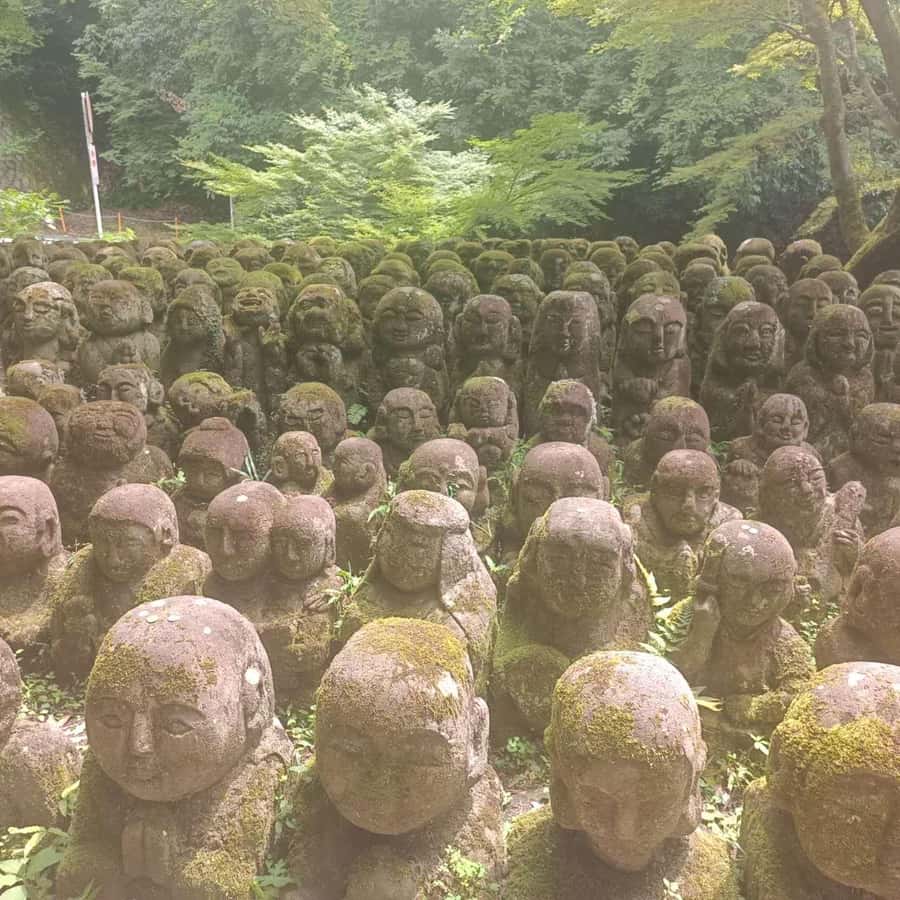
Arashiyama is the kind of Kyoto area where even a short stop feels like you changed neighborhoods. The tour uses it early, with about 1.5 hours for sightseeing and walking.
This timing works for two reasons. First, you get it done before the day’s momentum makes everyone cranky. Second, Arashiyama is a place where you’ll naturally wander: gardens, streets, and viewpoints tend to steal extra minutes. A private-car plan is good here because you can adapt within that 1.5-hour window instead of racing to meet a group deadline.
What you’ll want to keep in mind is that Arashiyama can be busy, and walking paths can be more time-consuming than expected, depending on what you choose to focus on. Since the driver doesn’t do a walking tour with you, your experience depends on how you plan your route inside the area. If you’re the type who likes to pick a target viewpoint and then roam nearby streets, you’ll likely enjoy this stop.
If your group has different interests, Arashiyama still holds up because it’s flexible. People who like photo stops can keep moving; people who prefer a calmer pace can take it slower on the walk segments.
Kinkaku-ji (about 1 hour): iconic temple, short and sweet plan
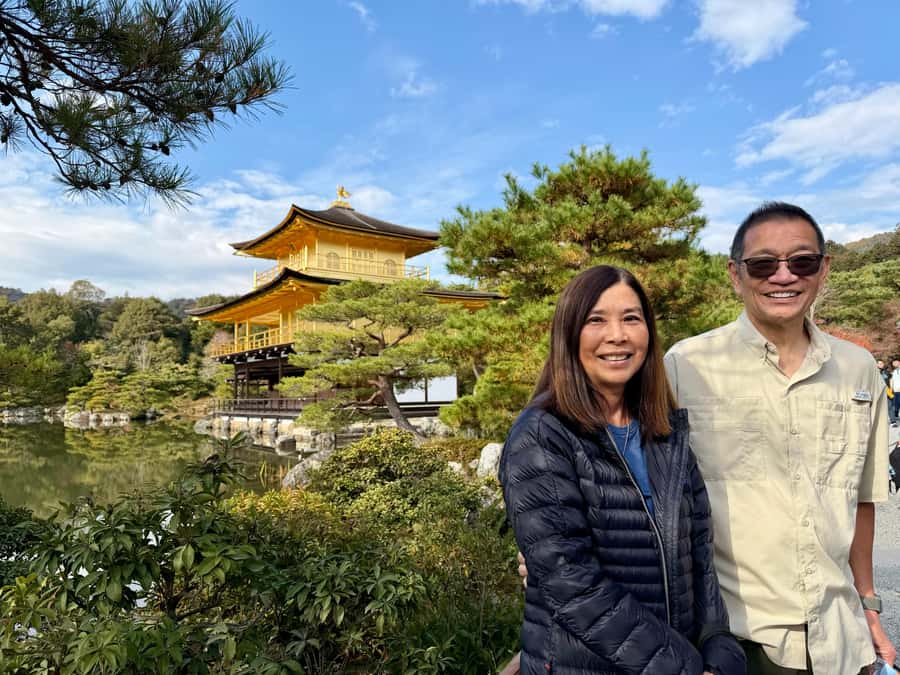
Next is Kinkaku-ji, the Golden Pavilion area, with about 1 hour for visiting and walking.
One hour is not a lot of time in Kyoto. But Kinkaku-ji is also the type of place where you get a meaningful experience quickly: you show up, you take in the main view(s), and you walk the grounds at a sensible pace. If you try to turn it into an all-day museum-style stop, you’ll feel rushed later.
The benefit of having a driver and a private schedule is that you can treat Kinkaku-ji as a “must-see hit” and still keep the rest of the day fluid. That’s a smart trade. You’re not giving away the day to a single location.
A small practical note: one-hour stops can be harder if your group wants lots of breaks or slow photo sessions. If that’s your style, consider trimming Arashiyama slightly and spending a bit more here, or use your flexibility to adjust once you see the lines and energy on the ground.
You can also read our reviews of more tours and experiences in Kyoto



Kiyomizu-dera (about 2 hours): the best use of your walking time
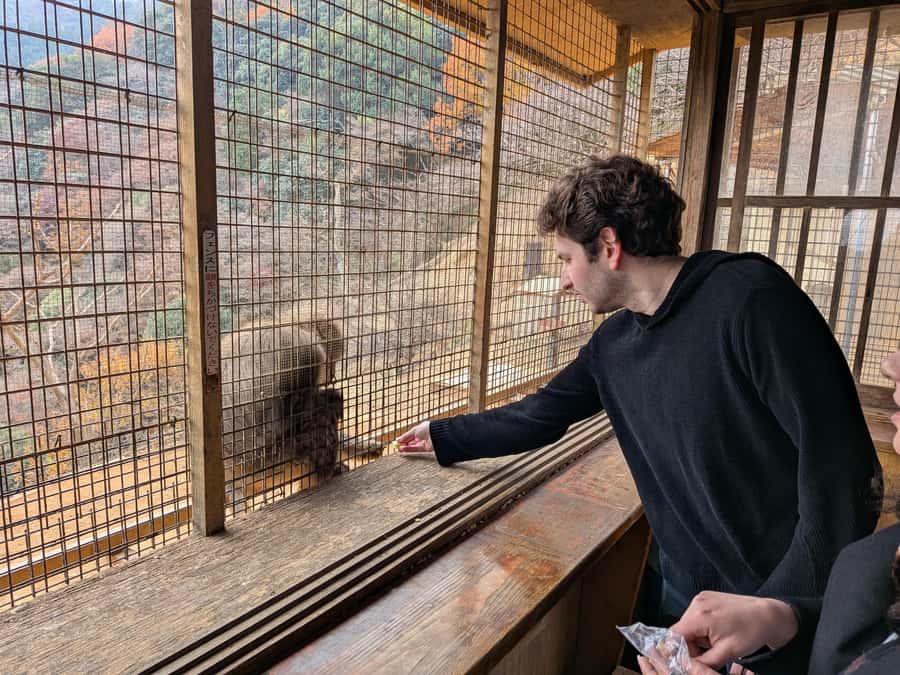
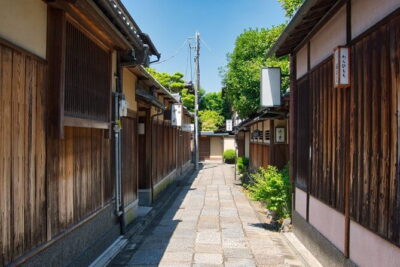
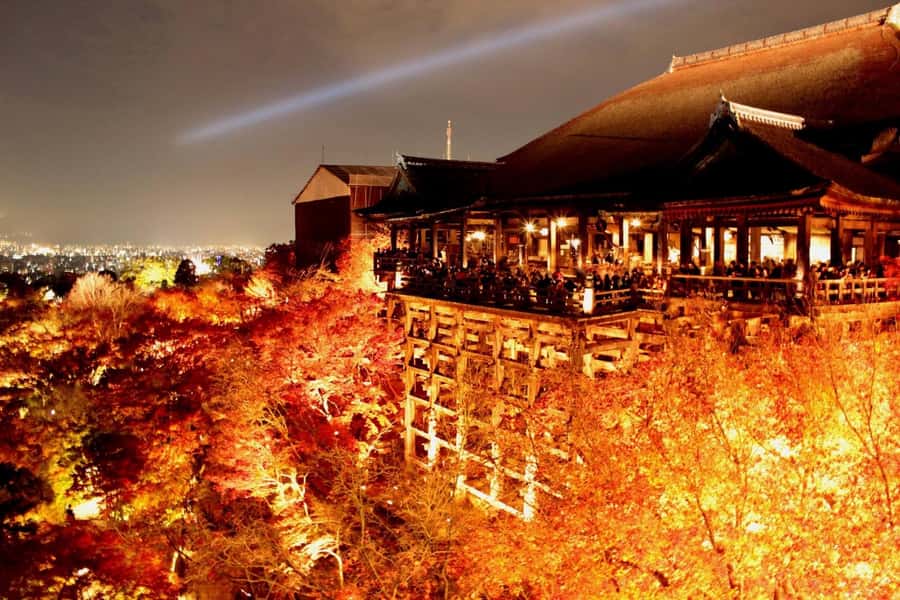
Kiyomizu-dera is next, with about 2 hours for visiting, sightseeing, and walking. This longer slot is well chosen because Kiyomizu-dera is the kind of place where the approach matters as much as the main temple complex.
You’ll likely spend time not just inside the main area, but also moving through the surrounding streets and viewpoints that create Kyoto’s classic temple-photo mood. Two hours gives you breathing room to:
- see the main temple area without sprinting
- take a slower loop through nearby lanes
- pause when your group needs a break
Since there’s no walking guide, plan to use the time actively: decide where you want viewpoints, and let the rest be wander space. If you show up with a clear idea of what you want to capture (main hall view angles, street perspectives, or the temple approach vibe), the lack of a formal walking guide becomes less of a problem.
Also, this is one of those sites where the ground can involve stairs and uneven footing. Comfortable shoes aren’t optional here. And because your driver is staying in the car, you’ll want to keep an eye on your group’s pace so you don’t fall behind the day’s end time.
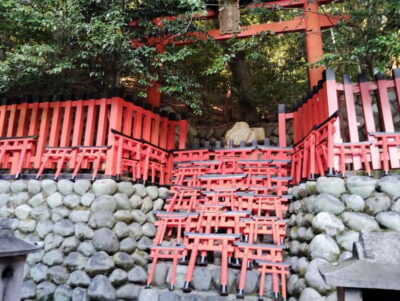
Fushimi Inari Taisha (about 1.5 hours): walking rhythm for the torii paths
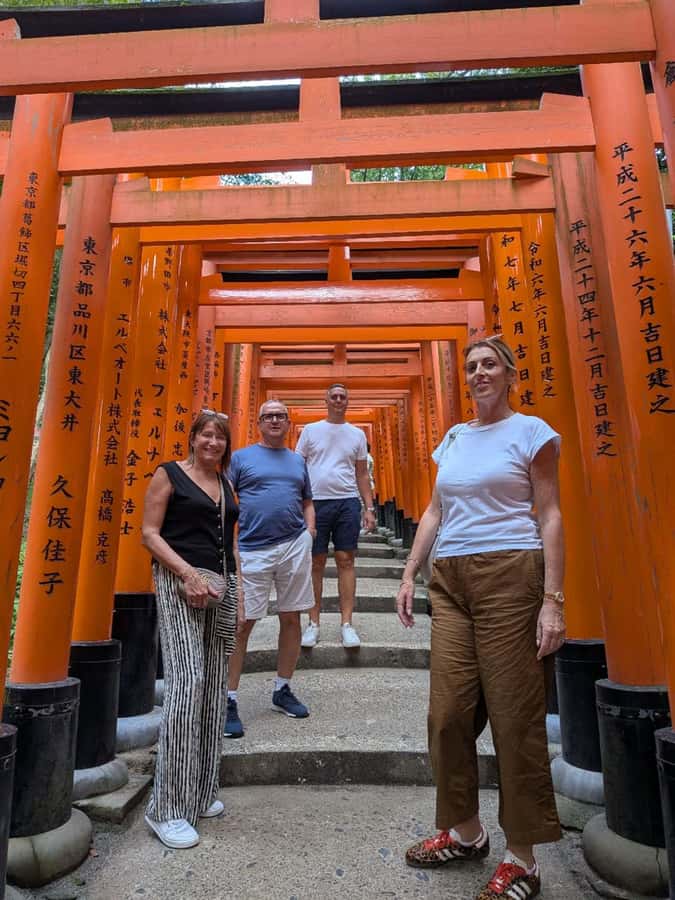
Fushimi Inari Taisha comes last in the standard flow, with about 1.5 hours for visiting, sightseeing, and walking.
If Kiyomizu-dera is your “temple-and-streets” stop, Fushimi Inari is your “walk-and-reward” stop. The torii path experience works best when you keep a comfortable rhythm. With 1.5 hours, you can enjoy the atmosphere, take photos, and still feel like you saw enough without turning it into an all-day hike.
Here’s the practical strategy I recommend: pick a turnaround point before you start walking deeper. That helps you enjoy the experience without watching the clock too tightly. Because this is a private car day, you don’t have to conform to anyone else’s pace, but you still want to be respectful of the overall plan.
One more perk of this style of tour: after Fushimi Inari, you’re not left hunting for trains or dragging luggage. The trip includes drop-off in Osaka or Kyoto (depending on what you choose), so you can end the day without extra stress.
How customization actually works on a day like this
The selling point here is that you can tailor the day to your interests. In a practical sense, that means you’re not locked into rigid timing at every stop. You can decide how long you stay, and you can shape the day around your group’s preferences—temples, viewpoints, walking intensity, and photo time.
That flexibility matters most because Kyoto days often go two directions:
- Everyone is energized, so you want more walking and more stops.
- Everyone is tired, so you want fewer, slower stops.
A private car plan can handle either style better than a public transit route. If you want to shift time from one location to another, you can do it without changing the entire plan.
Also, the included meet-and-greet and English support help. You won’t be standing around trying to decode instructions while people drift into and out of the car. The communication is part of the value.
One caution: because the tour must still conclude by 18:00, the smartest customization is priority-based. Choose what your group truly wants most, then use the flexible pieces to fine-tune—not to multiply everything.
What to pack: comfortable shoes and the luggage rule
This is a walking-dependent day, but it’s also a car-and-transfer day. Bring comfortable shoes because you’ll be on foot at multiple stops.
One rule to pay attention to: luggage or large bags aren’t allowed. That means you’ll want to travel light for the day. If you’re staying in Kyoto, it’s usually easiest to keep a small day bag only. If you’re coming from Osaka, same idea—plan your day storage ahead.
You’ll also want to think about timing comfort. Since the driver doesn’t leave the car for guided walks, your group will need to regroup on your schedule. A simple plan like agreeing on a meeting point and using the same return time window can make the day feel easy instead of chaotic.
Who this Kyoto day trip is best for
This private car day trip is a strong fit if you:
- want to see major Kyoto sights without the stress of buses and transfers
- have a group size up to 6 and want privacy with a fixed price
- care about flexible time at temples and viewpoints
- prefer a driver who handles logistics while you focus on walking and choosing what to look at
It’s also a good match if your group includes mixed preferences—some want temple time, others want scenic wandering. A private route makes that easier.
If you’re the type who expects a guided walk with deep explanations at every step, you might feel slightly under-served because this isn’t a walking guide format. You’ll still get guidance while you’re traveling between stops, but you’ll do the on-site exploration yourself.
Should you book this Kyoto car tour?
If you want a Kyoto day that feels efficient, flexible, and low-stress, this is an easy yes for many groups. The included items—pickup/drop-off, parking, tolls, and an English-capable driver—are exactly what reduces the pain points of self-planning. The standard lineup (Arashiyama, Kinkaku-ji, Kiyomizu-dera, Fushimi Inari Taisha) covers Kyoto’s greatest-hits look and feel.
Don’t book it if you strongly prefer a driver who walks with you through each site. Also, if your group needs to carry large bags or suitcases during the day, this format won’t work smoothly.
If you’re deciding, I’d book it when your top priority is quality time at the sights and you want to protect your day from transport friction. For groups up to 6, the value is especially hard to beat.
FAQ
What is the duration of this Kyoto private day trip by car?
The total duration is 10 hours. Transportation and lunch time are already included in the 10-hour total.
How many people can join the private group?
It’s a private group for up to 6 people.
Where can I be picked up and dropped off?
Pickup options are in Central Kyoto or Osaka. Drop-off options are also Osaka or Kyoto.
Which sights are included in the standard plan?
The standard flow includes Arashiyama, Kinkaku-ji, Kiyomizu-dera, and Fushimi Inari Taisha.
Are entrance fees included?
No. Entrance fees are not included.
What’s included with the price besides transportation?
The price includes meet-and-greet, gasoline, highway tolls, parking fees, hotel pickup and drop-off, and an air-conditioned private car with an English-speaking driver.
Does the driver walk with you at each stop?
No. The driver doesn’t leave the car, and there isn’t a walking guide. Explanations are provided while you’re traveling between destinations.
Is there a luggage restriction?
Yes. Luggage or large bags are not allowed during the tour.