REVIEW · KYOTO
Kyoto Gion Early Morning Walking Tour
Book on Viator →Operated by Tomodachi Tours · Bookable on Viator
Beat the crowds in Kyoto’s Gion morning. This 3-hour, max-12 walk strings together top sights from quiet river views to Kiyomizudera and Yasaka Shrine, with a guide to help you not wander in the wrong direction. Early timing is the whole point, and the small-group size makes it feel more personal than a big bus tour.
I love the pace here. With a small group, you can actually ask questions and get straight answers instead of waiting your turn. I also love the route rhythm: starting in the calm parts of Gion and moving toward the famous temple streets before they get jammed. Guides such as Caleb, Hiro, and Vincent come up again and again in feedback for friendly explanations and clear English.
One possible drawback: Kiyomizudera costs extra (¥500) and, even this early, it can still draw crowds at the top.
In This Review
- Quick reasons this Gion morning walk works
- Why a Gion morning beats the afternoon chaos
- Meeting at Izumo-no-Okuni and how the small group helps
- Stop 1: Gion Shirakawa and that quiet river feeling
- Stop 2: Hanamikoji Street and the geisha-district atmosphere
- Kiyomizudera: the big ticket stop and the ¥500 entry reality
- Sannenzaka and Ninenzaka: postcard streets you actually walk
- Yasaka-no-To and Yasaka Shrine: pagoda-to-gate classic Kyoto
- Price and value: is $49.42 a fair deal?
- Who should book the Gion early morning walk (and who might skip it)
- Should you book this Kyoto Gion early morning walking tour?
- FAQ
- How long is the Kyoto Gion early morning walking tour?
- How much does the tour cost?
- What’s included in the price?
- Is hotel pickup included?
- Do I have to pay an admission fee for Kiyomizudera Temple?
- Where do we meet, and where does the tour end?
- What is the maximum group size?
- Can I cancel for a full refund?
Quick reasons this Gion morning walk works
- Max 12 people so you’re not stuck listening from the back
- Early start mindset for quieter streets and better photo chances
- Guide navigation that helps you move efficiently between neighborhoods
- Kiyomizudera viewpoint stop with a separate ¥500 admission budget
- Stone-paved old lanes around Sannenzaka and Ninenzaka for classic Kyoto walking
- Yasaka pagoda and shrine combo so you get both iconic sights in one go
Why a Gion morning beats the afternoon chaos
Kyoto is famous for its temples and traditions, but the timing is what turns a visit from stressful to enjoyable. This early-morning format is built around the simple idea that the city looks more human before the tour buses arrive. You’ll spend time in Gion and Higashiyama while the streets are still waking up.
The payoff is practical. You’ll get easier sightlines for photographs, calmer walking, and fewer interruptions when you want to stop and read what you’re seeing. Also, because the tour is only about 3 hours, you’re not trapped all day trying to “cover Kyoto.”
I also like that the experience is structured, not vague. You’re led from one landmark area to the next, with enough pauses to take it in, but not so many stops that you feel rushed.
You can also read our reviews of more walking tours in Kyoto


Meeting at Izumo-no-Okuni and how the small group helps
Your starting point is the Statue of Izumo-no-Okuni in Kawabatacho, Higashiyama Ward. That matters because Higashiyama can feel like a puzzle when you arrive. Having a guide means you’re not wasting the first part of your morning figuring out which side street connects where.
Group size is capped at 12 travelers, which changes the vibe. In a larger group, you tend to follow, not engage. Here, the guide’s attention can stay on you and you can ask follow-up questions in real time. This is exactly what people highlight when they praise guides like Caleb, Hiro, and Vincent for being friendly, patient, and responsive.
Another small advantage: the tour uses a mobile ticket. That keeps things easy once you’re on the ground, especially when you’re trying to move quickly between areas.
Stop 1: Gion Shirakawa and that quiet river feeling
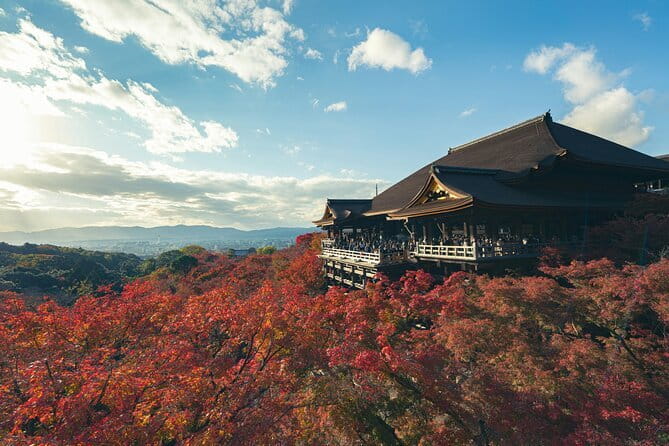
You begin with Gion Shirakawa, a stretch known for its old-world charm along the Shirakawa River. The early-morning setting is the point: you’re walking where traditional machiya houses line the water, with weeping willows adding that classic Kyoto look.
This stop is short—about 15 minutes—but it gives you a strong “first impression” of Gion. It also helps you understand the geography of the district. After this, the rest of the walk feels less like random sightseeing and more like moving through an actual neighborhood.
Practical tip: take a few seconds to look both ways along the river. From one angle, you’ll notice the machiya fronts and wooden details. From another, the willows and water reflections change the whole mood. With limited time, small observation moments go a long way.
Stop 2: Hanamikoji Street and the geisha-district atmosphere

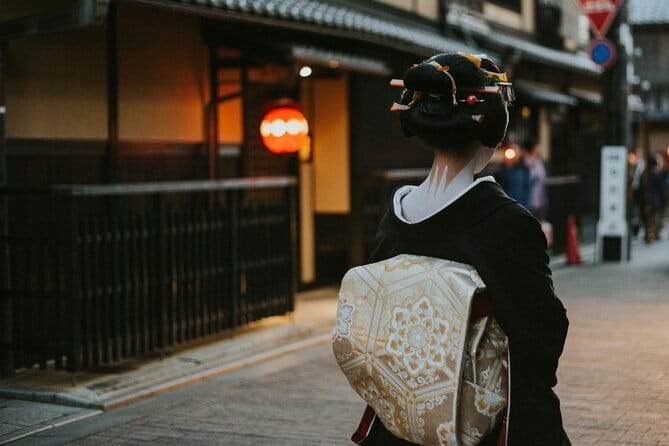
Next up is Hanamikoji Street, the iconic lane many people associate with Gion. You’ll see historic wooden machiya houses and traditional teahouses, known as ochaya. Even if you’ve seen photos before, it hits differently in person—especially in the morning when the scene feels more calm than performative.
This stop lasts about 20 minutes, which is ideal. It’s long enough for you to walk at a comfortable pace, absorb the architecture, and notice the rhythm of the street. It’s not so long that you feel you’re “stuck on a single photo spot.”
One thing to keep in mind: this is a real living district, not an open-air museum. If you’re photographing, be mindful of foot traffic and keep things respectful. Your guide will help you understand what you’re seeing and how the area works.
Kiyomizudera: the big ticket stop and the ¥500 entry reality
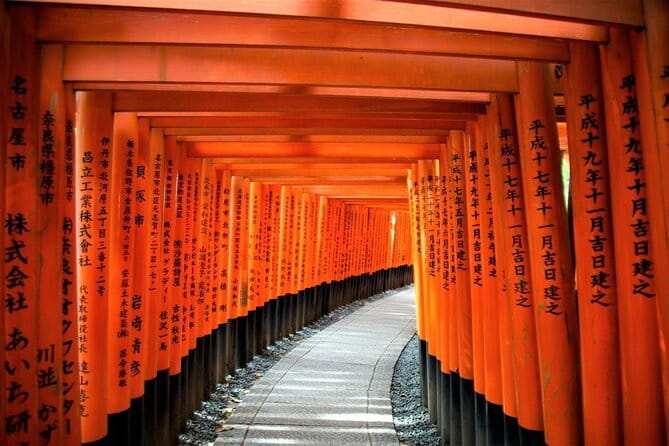
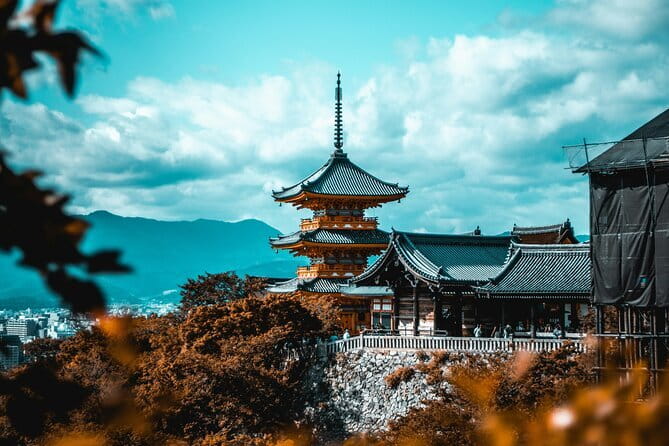
Then the tour heads to Kiyomizudera, with about 1 hour at the temple area. This is the heavy hitter on the route, and it’s where you go for views, spirituality, and that famous wooden stage. The temple is also known for seasonal scenery, including cherry blossoms in spring and other shifts across the year.
There’s an important planning detail: Kiyomizudera admission is not included, and the fee is ¥500 per person. At this point in the morning, I’d treat that as part of the cost of doing Kyoto’s most recognizable temple stop, not a surprise add-on. If you’re budget-conscious, having some yen ready helps your morning stay smooth.
Also, read the room about crowds. Even with an early start, Kiyomizudera can get busy. You’ll still be ahead of peak afternoon congestion, but you may not have the place to yourself—especially near the most famous viewpoints.
What I like about this stop in particular is the way it anchors everything else you’ve walked through. Gion’s old streets lead naturally into Higashiyama’s temple world, and the guide context helps you connect the dots instead of treating each site as a separate photo mission.
You can also read our reviews of more tours and experiences in Kyoto



Sannenzaka and Ninenzaka: postcard streets you actually walk
After Kiyomizudera, you move into Sannenzaka and Ninenzaka for about 30 minutes. These stone-paved lanes are famous for traditional wooden townhouses and quaint local shops, and they’re the kind of streets where Kyoto looks like a setting from a storybook.
What makes this stop work is the pacing. You’re not just passing through quickly. The tour gives you time to walk, look closely, and slow down enough to appreciate the street details. And since the streets are stone-paved, comfortable walking shoes matter here. Even if you don’t expect long distances, these lanes can be uneven and busy depending on the hour.
A good strategy: pick one or two spots to pause—like a storefront facade or a turning view—and let the rest of the street come to you. That way you get the “wow” effect without losing time trying to capture everything at once.
Yasaka-no-To and Yasaka Shrine: pagoda-to-gate classic Kyoto
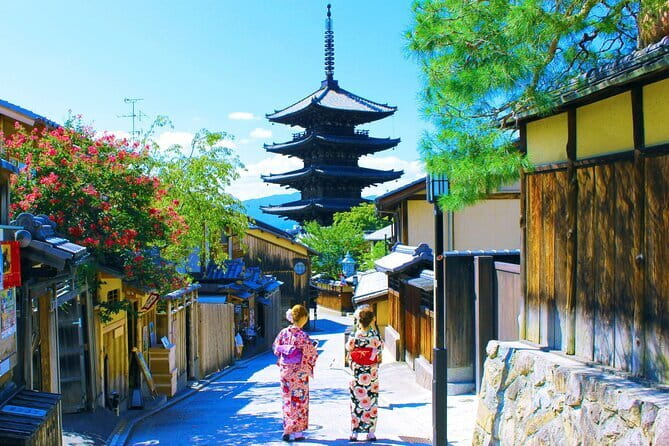
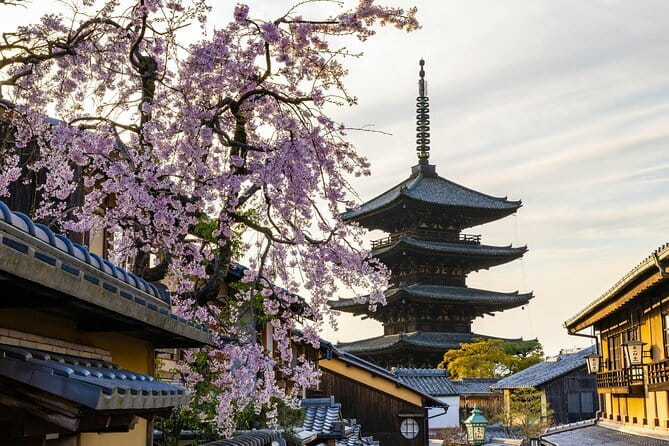
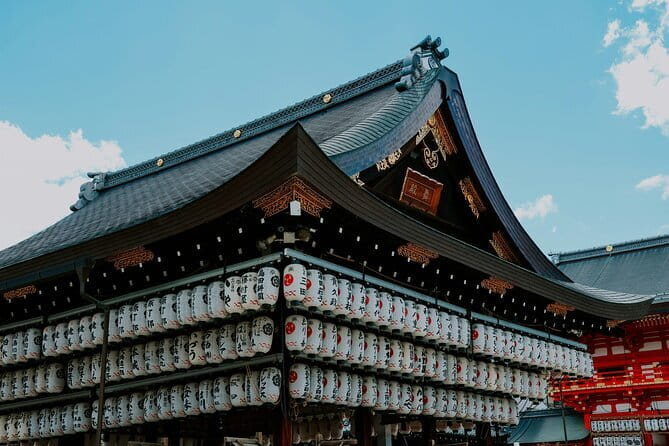
You finish the core sightseeing with Yasaka-no-To (Yasaka Pagoda) and then Yasaka Shrine. Yasaka-no-To is a quick stop (about 10 minutes), but it’s a strong visual marker. In the quiet of the morning, you can usually appreciate the pagoda silhouette without constant interruptions.
Then you spend about 30 minutes at Yasaka Shrine, one of Kyoto’s revered Shinto shrines. You’ll see the famous vermilion gate and learn about its role in protecting the city. The shrine is also known for its lantern-lit dance stage, adding a sense of festival energy even when you’re there outside peak season.
This pairing is smart. The pagoda gives you a tall, iconic landmark to ground the walk, while the shrine gives you cultural context—tradition, worship, and the lasting presence of sacred space in everyday Kyoto life.
If you’re the type who likes to understand what you’re seeing instead of just checking boxes, this is where the guide makes the difference. The best tours aren’t about speed; they’re about meaning.
Price and value: is $49.42 a fair deal?

At $49.42 per person, this tour sits in the “value if it fits your style” category. You’re paying for three things:
- Time + planning: You’re packaged with a logical route through top areas in about 3 hours.
- A real guide: English-speaking, small-group format (up to 12) so you can ask questions.
- Access without stress: You get navigation support so you don’t spend your morning lost in Higashiyama.
The main extra cost is Kiyomizudera’s ¥500 admission. Everything else on the listed stops is marked as free for entry, which helps balance the budget.
Is it worth it? If you want Kyoto’s most famous sights but you also want them with fewer headaches—this is a good match. If you prefer total freedom and hate walking with a group, you might feel limited. But for most first-timers, or anyone short on time, it’s a solid way to cover major highlights without burning an entire day.
Who should book the Gion early morning walk (and who might skip it)
This tour suits you if:
- You want the Gion and Higashiyama combo without spending the morning figuring out routes.
- You like small-group experiences where you can actually interact with your guide.
- You care about timing and want a calmer start before the city peaks.
You might skip it if:
- You’re extremely sensitive to early mornings and don’t want to adjust your schedule.
- You’re hoping for empty major attractions. Even early, some flagship spots like Kiyomizudera can still draw people.
Should you book this Kyoto Gion early morning walking tour?
Yes, if your goal is a smooth, structured morning that hits the big Kyoto highlights while you’re still ahead of the worst crowds. The small-group size, guide navigation, and the early timing are the core reasons to book, and they show up clearly in the strongest feedback patterns—from guides like Caleb, Hiro, and Vincent being praised for friendliness and clear English.
If you do book, come ready for one extra cost at Kiyomizudera and plan to enjoy the walk rather than treating it as a race. This is the kind of tour that helps you see Kyoto as a set of connected neighborhoods, not isolated postcards.
FAQ
How long is the Kyoto Gion early morning walking tour?
It lasts approximately 3 hours.
How much does the tour cost?
The price is $49.42 per person.
What’s included in the price?
You get an English-speaking guide and the tour duration of about 3 hours, with a mobile ticket.
Is hotel pickup included?
No, hotel pick-up is not included.
Do I have to pay an admission fee for Kiyomizudera Temple?
Yes. Kiyomizudera Temple has an admission fee of ¥500 per person, and it is not included in the tour price.
Where do we meet, and where does the tour end?
You start at the Statue of Izumo-no-Okuni in Kawabatacho, Higashiyama Ward, Kyoto, and the tour ends back at the meeting point.
What is the maximum group size?
The tour has a maximum of 12 travelers.
Can I cancel for a full refund?
Yes. You can cancel up to 24 hours in advance for a full refund. If you cancel less than 24 hours before the start time, you won’t receive a refund.