REVIEW · KYOTO
Kyoto: Arashiyama Bamboo Forest Morning Tour by Bike
Book on GetYourGuide →Operated by Kyoto Bike Tours · Bookable on GetYourGuide
Morning quiet in Arashiyama is a small miracle. This bamboo forest bike tour is timed early so you’re not fighting the biggest crowds, and you get a guide to point out what matters.
I especially like that you’re not just standing in one place. You also roll to Togetsukyo Bridge and the UNESCO-listed Tenryuji Zen Temple gardens, seeing them at a human pace from the saddle.
One thing to consider: it’s an early-morning ride on public roads. If you’re not comfortable biking or you’re planning to start the day late, this might feel like a commitment, and rain can mean rescheduling or cancellation.
In This Review
- Key highlights worth planning around
- Why This Early Morning Bike Plan Works in Arashiyama
- The 210-Minute Rhythm: How the Morning Typically Flows
- Bamboo Forest First: Seeing the Arashiyama Icon Without the Crush
- Togetsukyo Bridge: A Viewpoint You Can Pace Instead of Race
- Tenryuji Zen Temple Gardens: UNESCO Beauty With a Calm Approach
- Beyond the Headliners: Backstreets, Rice Fields, and Shrines
- Bikes, Helmets, and Real Road Safety
- Price and Value: What $103 Buys You in 3.5 Hours
- What It’s Like With Different Guides (Milo, Rob, Yuki, Ray, Peter)
- Who This Tour Suits Best
- Should You Book This Arashiyama Bamboo Forest Bike Tour?
- FAQ
- How long is the Kyoto Arashiyama Bamboo Forest Morning Tour by Bike?
- What’s included in the tour price?
- Is this tour only available in the early morning?
- How large is the group?
- What happens if it rains?
- Can I cancel and get a full refund?
Key highlights worth planning around
- Early start beats the crowd wall in Arashiyama
- Guided cycling through backstreets helps you see more than the headline sights
- Togetsukyo Bridge viewpoints plus Tenryuji Zen Temple garden time
- Small group (max 8) with check-ins so you stay together
- Bikes, helmet, water, and admission fees are included for a smoother morning
- Guides may add bonus stops like shrines, temples, and countryside rice fields
Why This Early Morning Bike Plan Works in Arashiyama
Arashiyama is famous for a reason. But the same fame creates a problem: during the day, the Bamboo Forest can feel like a slow-moving crowd funnel. This tour is built to solve that by going early, when the air feels calmer and you can actually enjoy the view instead of rushing to beat people.
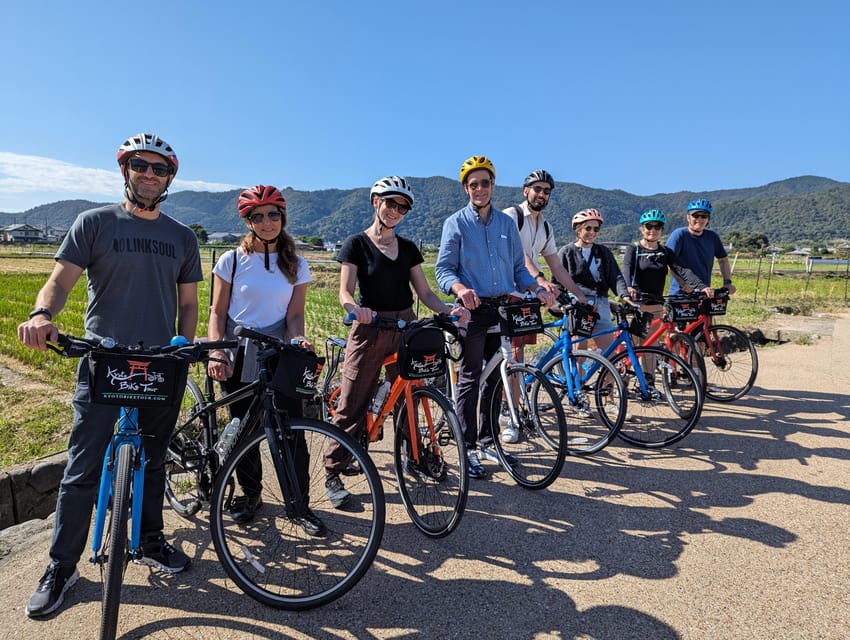
I like that the company keeps the group small, capped at 8. That matters here because Arashiyama streets and temple approaches can get tight fast. A small group also makes it easier for your guide to keep an eye on everyone and adjust pacing.
The other smart part is that you’re on a bike. Walking covers less ground, and taking taxis defeats the point of seeing the area as it really feels. Cycling turns the morning into a rhythm: ride, stop, look closely, ride again.
You can also read our reviews of more cycling tours in Kyoto
The 210-Minute Rhythm: How the Morning Typically Flows
This is a 3.5-hour tour, which is a sweet spot in Kyoto. It’s long enough to hit multiple major sights and a few side detours, yet short enough that you won’t feel stuck there until lunchtime.
You meet your guide in the morning (the provider sends the exact meeting point details after booking). The guide will be easy to spot—wearing a Kyoto Bike Tour shirt and a helmet. Since a native English-speaking guide leads the ride, you’ll get more than just directions; you’ll get context for why places look the way they do and what to notice while you’re there.
You’ll also have a basic kit that removes friction: a bicycle, a helmet, and bottled water, plus admission fees for the included sites. Food isn’t included, so it helps to plan for a snack or early lunch after the tour ends.
Bamboo Forest First: Seeing the Arashiyama Icon Without the Crush
The Arashiyama Bamboo Forest is the headline, and you’ll start with it while the area is still waking up. That early timing changes the entire experience. Instead of squeezing through shoulder-to-shoulder lines, you can breathe, take photos without constant awkward pauses, and slow down where the view makes you stop.
Bamboo always looks best when you’re close enough to feel the scale. Cycling gets you there with less waiting, so you spend more time actually looking. If you’re the kind of person who likes to study details—textures, light, the way paths bend—this timing makes it easier to notice those small things.
The guide also helps you make the moment stick. Guests repeatedly mention that guides share history and small cultural points site by site, and that the commentary makes the forest feel less like a postcard and more like a lived place.
Togetsukyo Bridge: A Viewpoint You Can Pace Instead of Race
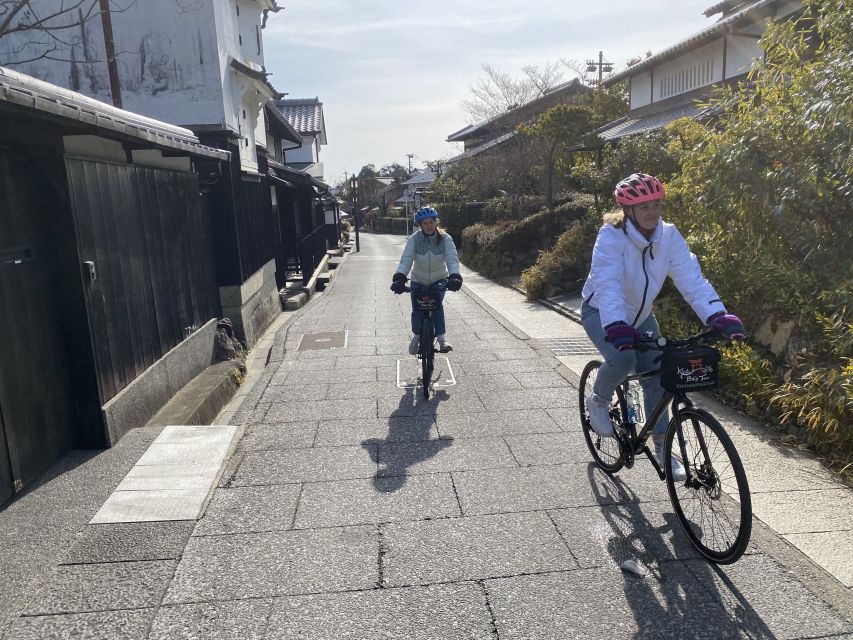
After the forest, you head to Togetsukyo Bridge. This stop is worth it because the bridge sits at a perfect visual junction—water, greenery, and Arashiyama’s overall shape. When you reach it early, you’re more likely to have time to stand and look rather than constantly shifting position to accommodate streams of people.
The best part of seeing it by bike is the pacing. You don’t just arrive, snap, and leave. You move through surrounding streets, then stop when it’s time to look. That gives you a better sense of place—how the river and the district connect.
If you like photographs, this is a good moment to do more than one angle. Since the group moves together, you can take your time without worrying that you’ll fall behind.
Tenryuji Zen Temple Gardens: UNESCO Beauty With a Calm Approach
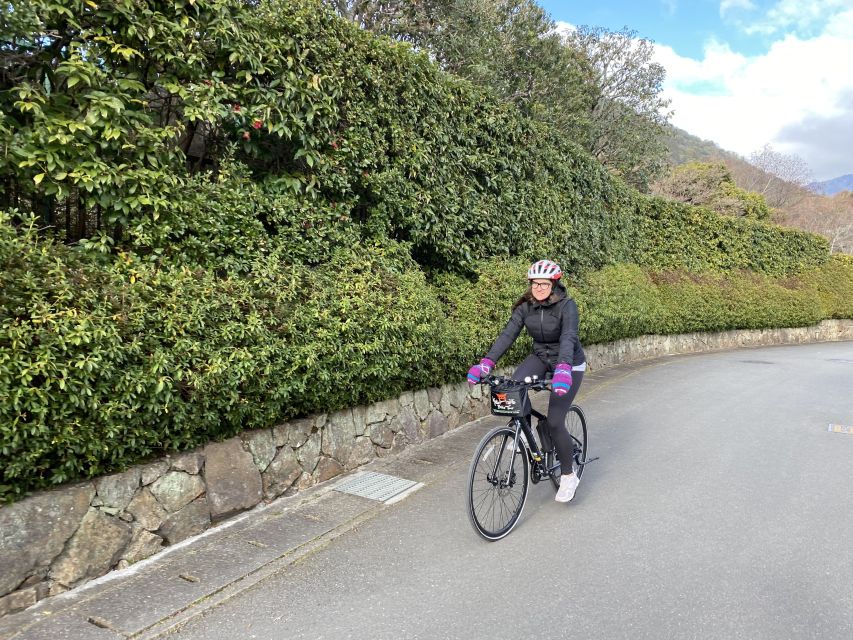
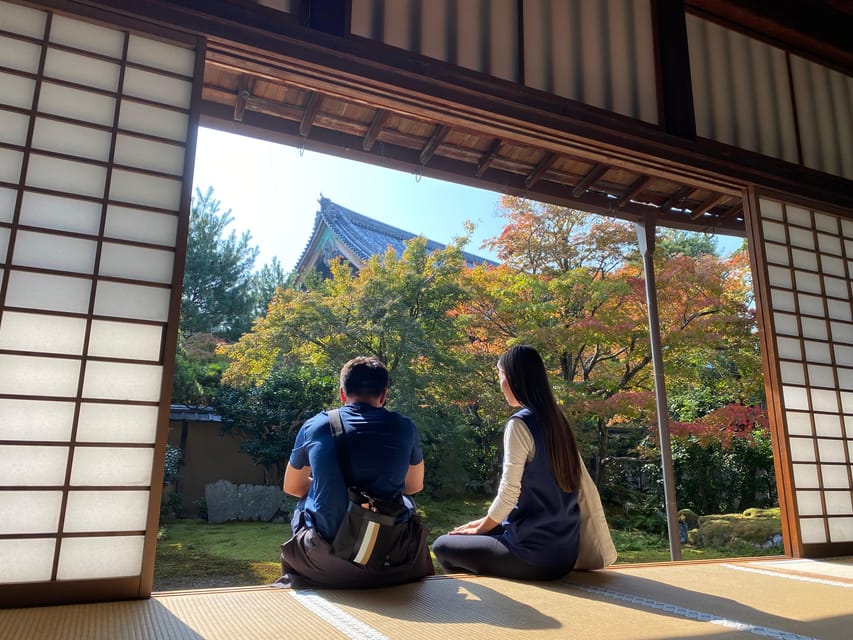
You’ll also visit the Tenryuji Zen Temple gardens, a UNESCO site. Gardens like this reward patience, and early access helps. When you’re not trapped in a moving crowd, you can actually slow down and notice patterns—how the garden is composed to guide your gaze, and how the surrounding structures frame views.
This stop also benefits from the guide’s explanations. Multiple guests mention detailed commentary and clear answers to questions, including practical cultural details tied to what you’re seeing. That turns “pretty gardens” into something you can interpret while you walk.
One practical note: temple grounds can include some walking on uneven paths. Most of the ride is described as easy and mostly flat, but the garden portion still involves getting off the bike and walking around. Wear comfortable shoes so you can enjoy the stop without thinking about your feet.
You can also read our reviews of more tours and experiences in Kyoto
Beyond the Headliners: Backstreets, Rice Fields, and Shrines
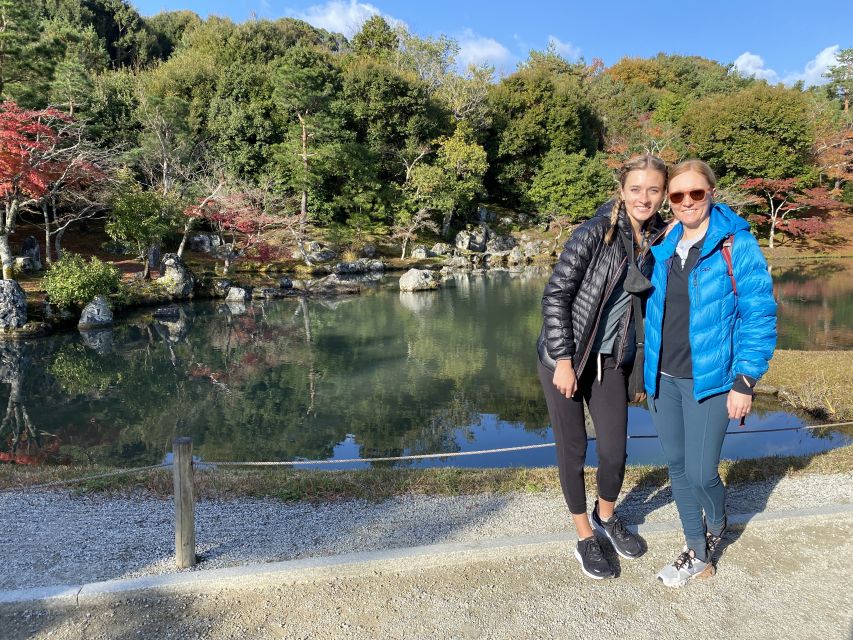
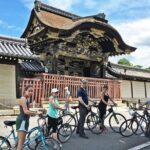
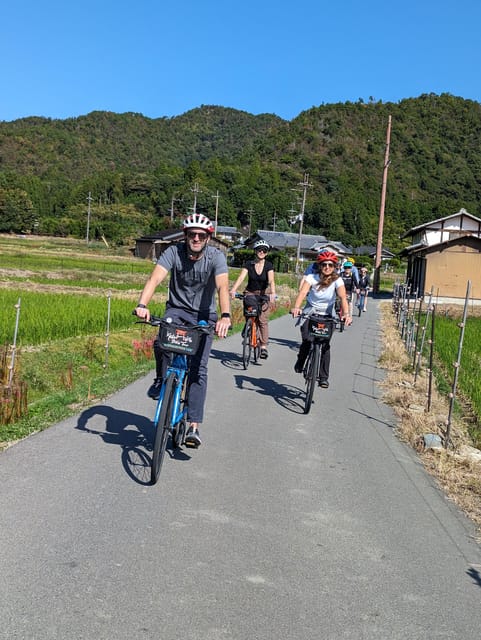
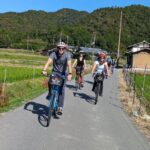
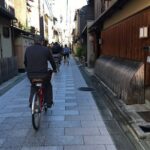
One reason people rave about this tour is that the Bamboo Forest is only part of the story. The bike route often includes scenic backstreets and can extend into countryside atmosphere.
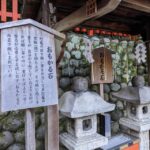
In the reviews you provided, guests specifically mention riding through rice paddies and seeing daily-life-feeling areas on the outskirts. They also describe extra stops at shrines and temples that aren’t always the first names people memorize before arriving in Kyoto.
That mix is the value. The famous sights are wonderful, but the real charm of Arashiyama is how it transitions from iconic spaces into neighborhood streets and quieter paths. Cycling is ideal for that transition because you can move through areas in between the big moments.
You might also pick up small “how people live here” details from your guide. Several guests mention explanations that go beyond monuments—things like practices to follow at smaller shrines, and cultural context that helps you understand why the places feel the way they do.
Bikes, Helmets, and Real Road Safety
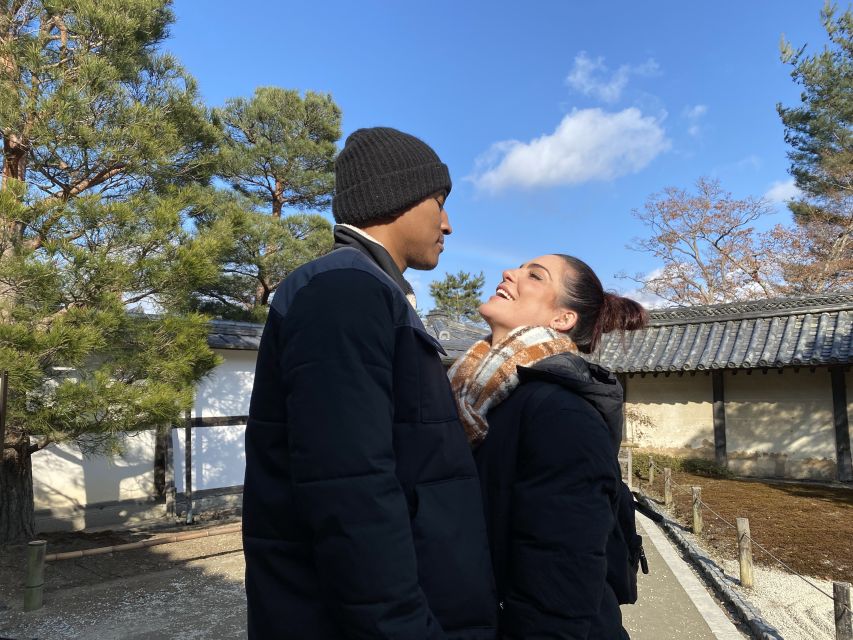
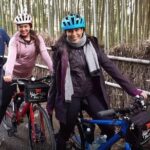
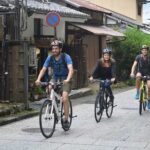
This tour includes a bicycle and helmet. Reviews repeatedly highlight that bikes are well kept, and some mention things like adjustable seat height, which is a big deal for comfort on a morning ride.
The ride itself is described as mostly flat and generally not arduous. Still, it’s Kyoto, so you’re on roads with other cyclists, scooters, and pedestrians. That’s why your guide’s role matters. Guests mention the guides checking in to keep the group together and calling out safety as they navigate.
If you’re a slightly nervous rider, take heart. Multiple reviews say the guides were patient and made people feel safe while riding through Kyoto. That doesn’t mean it’s risk-free, but it does suggest this is a tour designed for normal visitors, not just hardcore cyclists.
Price and Value: What $103 Buys You in 3.5 Hours
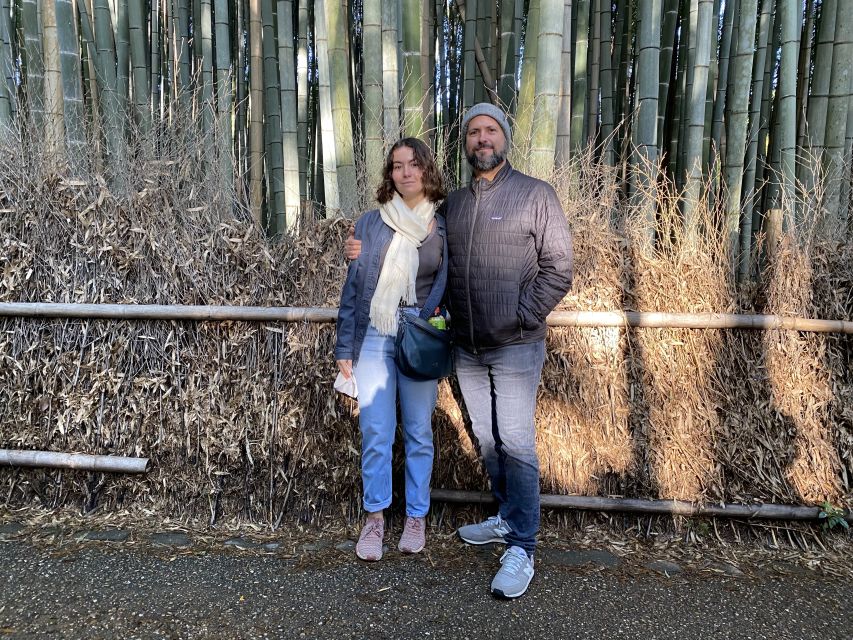
At $103 per person, the question isn’t just cost—it’s how much “guided coverage” you get for the money. Here’s what’s included: a native English-speaking guide, bicycle, helmet, bottled water, and admission fees.
Without those inclusions, a DIY plan often gets messy fast. In practice, you’d need to arrange bike rental, figure out timing to get to Arashiyama early enough, and still pay entry fees while coordinating route decisions on busy streets. This tour packages all that into a single morning.
The other value is compression. Three and a half hours lets you hit the bamboo, bridge views, and the Tenryuji gardens, plus extra stops in the area. If you’ve only got a limited schedule in Kyoto, this is the kind of tour that turns a “one district visit” into a more complete experience.
Food isn’t included, so you’ll want to plan for a post-tour meal. The good news: your guide may recommend places to eat based on what other guests reported—like an English-friendly curry stop for lunch.
What It’s Like With Different Guides (Milo, Rob, Yuki, Ray, Peter)
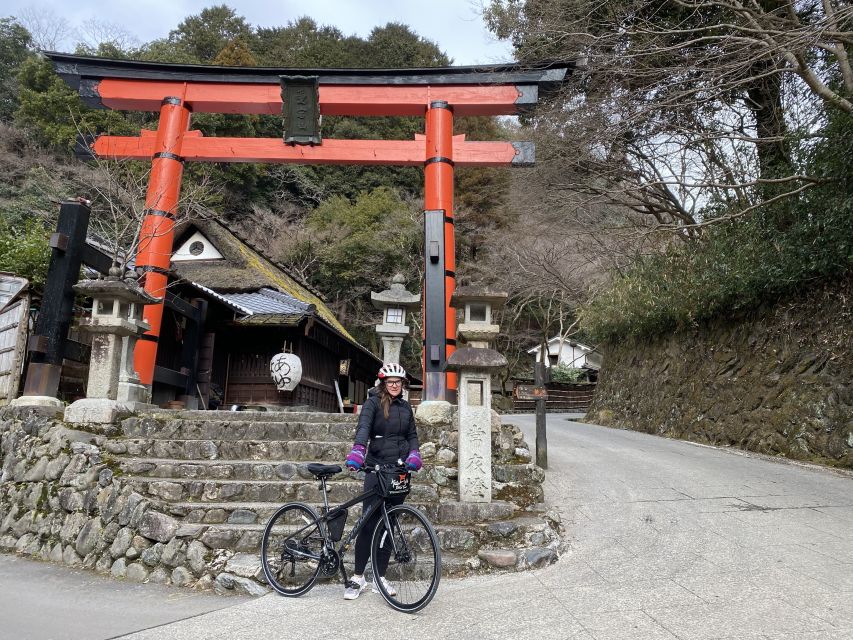
Your guide can make or break a small-group tour. Luckily, your provided reviews mention several named guides and a consistent theme: friendly pacing, helpful explanations, and careful attention to the group.
People mention guides like Milo, Rob, Yuki, Ray, and Peter by name, with praise for being easy to chat with, patient with questions, and thoughtful about sharing context. Some guides also seem to have a knack for photography—one guest mentioned that the guide found great picture spots and shared photos afterward.
If you’re hoping for a tour that feels like conversation plus sightseeing (not just a checklist), this is a strong match. If you prefer silence and self-guided wandering, you might find the commentary a bit more than you want—but the group setting usually means short, frequent stops where questions can happen.
Who This Tour Suits Best
This is a great fit if you want:
- A morning start to enjoy Arashiyama before it gets crowded
- A small group and a guide who helps you stay together
- Multiple sights in one go: bamboo forest, Togetsukyo Bridge, and Tenryuji gardens
- A route that includes more than the main photo spots
It’s also a good choice for first-timers to Kyoto who don’t want to figure out everything alone. Cycling helps you see residential streets and countryside edges without needing separate transport plans.
The main mismatch is late-morning energy. Because the tour is only available in the early morning, you’ll need to be awake and ready. And if you dislike riding bikes on city roads—even easy roads—then think carefully.
Should You Book This Arashiyama Bamboo Forest Bike Tour?
Book it if you want Arashiyama at its best hour and you’re happy to spend the morning on a bike. The included basics (bike, helmet, water, admissions) and the small-group size make it feel organized, not chaotic.
Skip it if early mornings are a dealbreaker for your trip style, or if you’re not comfortable cycling on public roads. Also, if rain is likely during your travel window, be ready for possible rescheduling or cancellation.
If you’re balancing time in Kyoto and want an authentic-feeling district experience—bamboo, bridge views, Zen temple gardens, and quieter side streets—this tour is one of the most sensible ways to do it.
FAQ
How long is the Kyoto Arashiyama Bamboo Forest Morning Tour by Bike?
The tour lasts 210 minutes, which is about 3.5 hours.
What’s included in the tour price?
Your price includes a native English-speaking guide, a bicycle, a helmet, bottled water, and admission fees. Food and drinks are not included.
Is this tour only available in the early morning?
Yes. This experience is only available in the early morning.
How large is the group?
The group is limited to 8 participants, keeping it a small-group experience.
What happens if it rains?
If rain is on the forecast, you’ll receive a message about possible rescheduling or cancellation.
Can I cancel and get a full refund?
Yes. You can cancel up to 24 hours in advance for a full refund.