REVIEW · KYOTO
Kyoto: Afternoon Bamboo Forest and Monkey Park Bike Tour
Book on GetYourGuide →Operated by Kyoto Bike Tours · Bookable on GetYourGuide
Bamboo sounds change when you pedal through them. This Kyoto afternoon bike-and-hike tour strings together Arashiyama’s bamboo forest, Tenryuji Temple (with entry), and Iwatayama Monkey Park, ending with a classic view across Togetsu-kyō Bridge. It’s built for people who want Kyoto’s icons, but also want some quieter nature time.
I like the pacing because it’s not just point-to-point sightseeing. You get bike time for the scenery, a calm temple stop for Zen gardens, and then a guided hike that actually leads somewhere worthwhile. I also love the small group setup (up to 8), and the way guides give clear safety notes early so you’re not guessing on traffic or tight turns.
The main drawback is the 20-minute hike involved at Monkey Park. If you’re not into uphill effort or you show up in anything stiff or high-heeled, you’ll feel it by the time you reach the viewing area.
In This Review
- Key things I’d focus on before you book
- Why this afternoon Arashiyama bike-and-hike works better than a rushed checklist
- Meeting at Saga-Arashiyama Station and keeping the group sane (max 8)
- Arashiyama Bamboo Forest: how the sound and scale hit when you’re moving
- Tenryuji Temple gardens: UNESCO serenity with entry handled
- Iwatayama Monkey Park: the 20-minute climb that turns into the best payoff
- Togetsu-kyō Bridge: the last postcard moment without stretching your day
- Bikes, helmets, and comfort: small gear details that save your day
- Price and value: is $106 fair for this mix of bike time and entry?
- Who this tour suits best (and who should choose differently)
- Should you book this Kyoto afternoon bike tour?
- FAQ
- Where do I meet the guide?
- How long is the tour?
- How large is the group?
- Is the tour guided in English?
- What’s included in the price?
- Is food included?
- How long is the hike at Monkey Park?
- What should I wear or bring?
- What happens if it rains or I need to cancel?
Key things I’d focus on before you book
- Arashiyama bamboo with a slow, sensory rhythm as you ride through the towering stalks
- Tenryuji Temple entry included, so you don’t waste time handling tickets later
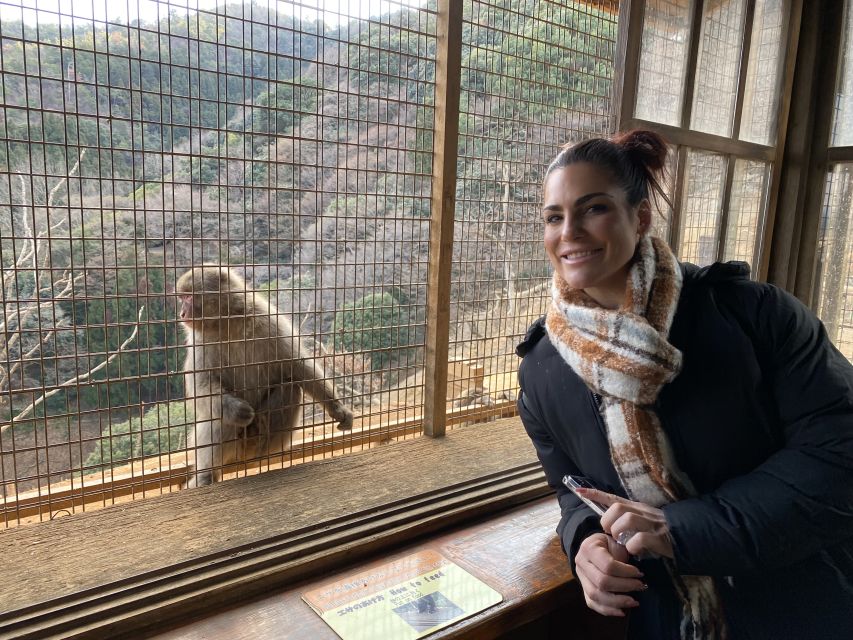
- Iwatayama Monkey Park is the centerpiece, with a short hike that pays off in views and monkeys
- Togetsu-kyō Bridge at the end gives you Kyoto’s postcard moment without a long detour
- Small-group attention and safety checks help the tour feel controlled even on busy days
Why this afternoon Arashiyama bike-and-hike works better than a rushed checklist
Kyoto can feel like a never-ending list: temple, shrine, take a photo, move on. This tour is different because it gives you three distinct “moods” in one afternoon. You start with the bamboo forest’s strange, seasonal sound and scale, shift into temple calm, then hit the greenery again with a short climb that puts you above the crowds.
Because it’s an afternoon tour (about 4 hours), you also avoid the morning stampede at the biggest sights. You still hit the classics, but the timing tends to make them feel more human—especially the bamboo stretch and the walk to the monkey viewpoints.
And the bike format matters. You cover more ground than walking, but you’re not stuck in a van window. You can feel the change in air and scenery as the route moves from main roads to calmer back streets, with glimpses of everyday Kyoto life along the way.
You can also read our reviews of more cycling tours in Kyoto
Meeting at Saga-Arashiyama Station and keeping the group sane (max 8)
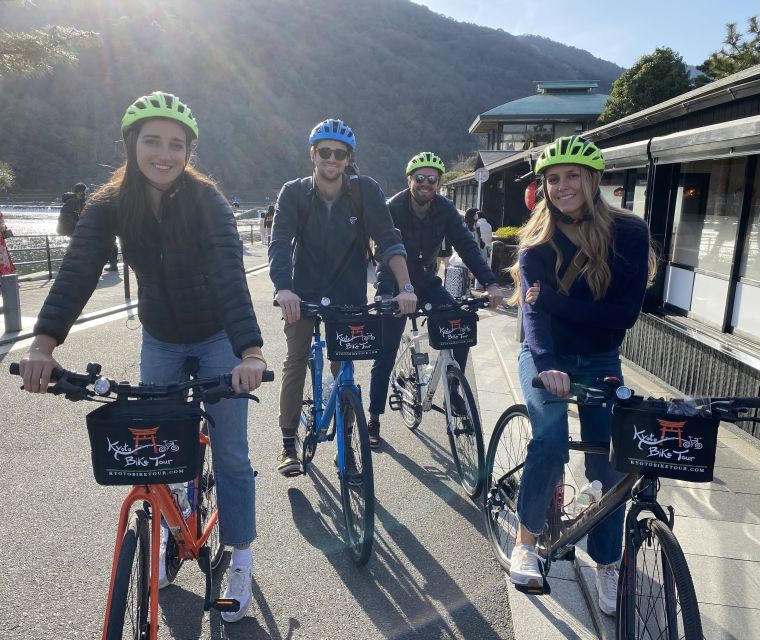
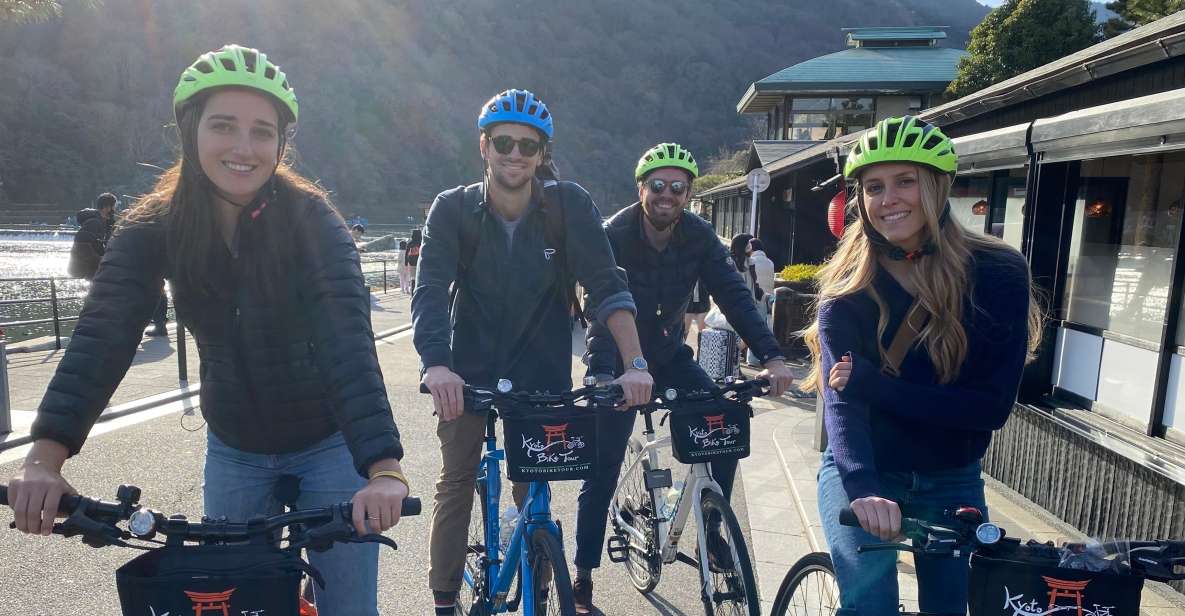
You meet your guide at Saga-Arashiyama Station. The guide wears a bike helmet and a Kyoto Bike Tours shirt, which makes the meet-up easy even if you’re not fluent in Japanese.
This is a small group tour limited to 8 people. That cap is a big deal. With a group that small, the guide can actually keep an eye on you—checking comfort, adjusting pace, and making sure everyone can handle the bikes and turns. Several people specifically praised guides for patience and for keeping the ride steady even when the group moved more slowly than expected.
The tour is also run in English, with a live guide who provides explanations on what you’re seeing and what to watch for on the ride. If you like getting context instead of just being dropped in front of a gate, this approach is the right fit.
Arashiyama Bamboo Forest: how the sound and scale hit when you’re moving
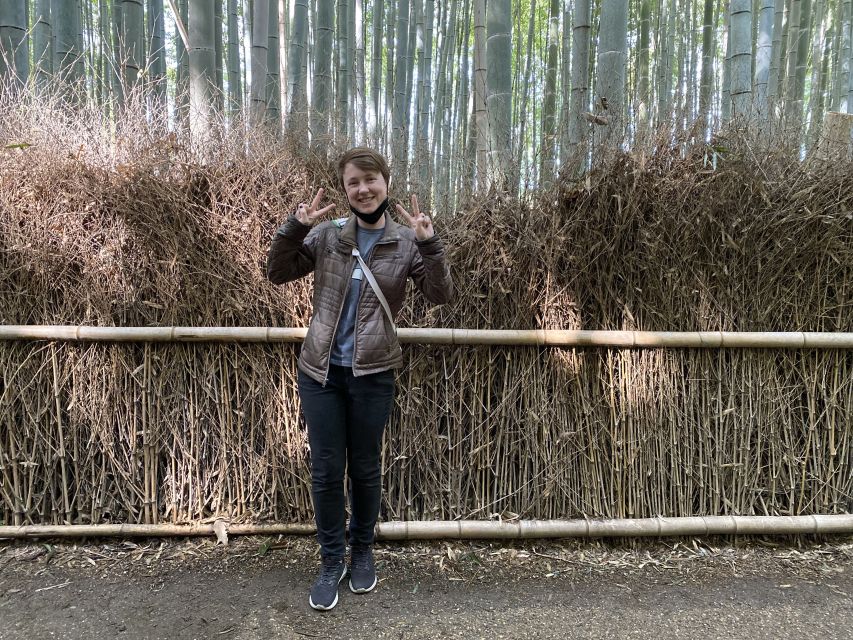
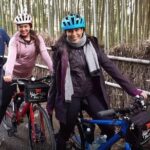
The tour hits the Arashiyama Bamboo Forest for about 30 minutes. Riding through bamboo isn’t the same as viewing it from a path. On a bike, you glide through the stalks at a steady speed, so the forest feels longer and more layered than a short stop.
This stop is also where the season shows up fast. Fall and shoulder-season bamboo areas tend to sound different—wind moves differently, and the forest atmosphere changes. The tour’s timing aims for that “quiet wonder” feeling, not just a photo sprint.
One practical tip: bamboo areas can be busy even when you arrive later. A guided bike ride helps you slip into the flow rather than getting trapped behind people walking both directions. Your guide can also point out what to pay attention to—where to look for depth, how the path layout shapes the view, and how to keep a steady, safe line.
Tenryuji Temple gardens: UNESCO serenity with entry handled
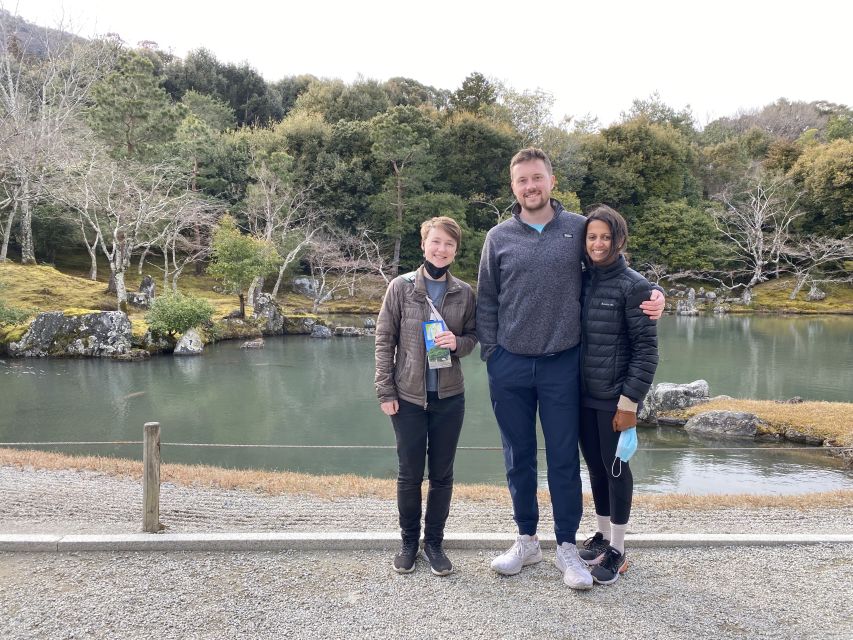
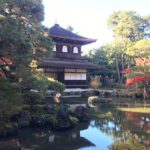
Next comes Tenryuji Temple for about 30 minutes, including entry fees. Tenryuji is a standout because the gardens are designed for observation—when you slow down, you notice rhythm: lines, angles, and the way water and stone frame the greenery.
This stop matters for your day because it balances the movement. After bamboo, you get a break from pedaling and from noise. Tenryuji’s Zen gardens give you that reset moment—sit, look, and let your eyes adjust. And since entry is included, you don’t have to scramble for tickets while you’re already in the sightseeing mindset.
A small caution: temple visits can mean a few standing and walking moments on uneven surfaces. Comfortable shoes help here, even though this isn’t described as a steep hike. If you’re the type who gets tired easily in slow lines, Tenryuji’s guided structure is a plus because you’re not wandering.
Iwatayama Monkey Park: the 20-minute climb that turns into the best payoff
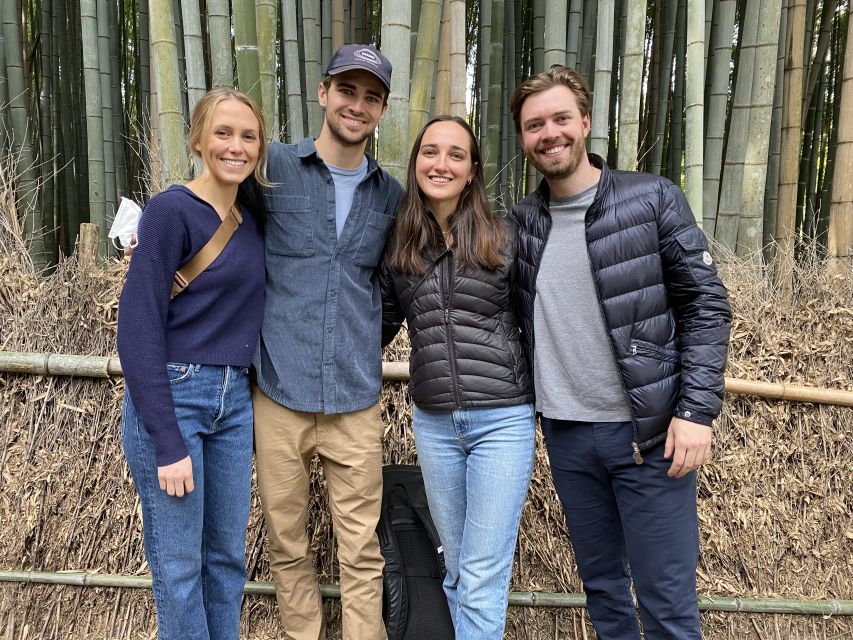
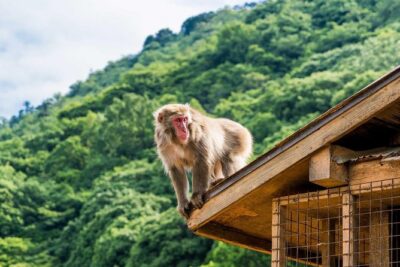
Then you reach Iwatayama Monkey Park, with about 1 hour on site. The key detail is that there’s a 20-minute hike involved. It’s the kind of climb that doesn’t look huge on paper, but it feels real when you’re doing it at the end of an active afternoon.
This is also where you should judge your comfort honestly. If you’re traveling with someone who doesn’t do well with stairs or uphill, plan around that. The tour does a good job keeping the group together, but physics doesn’t care about group size.
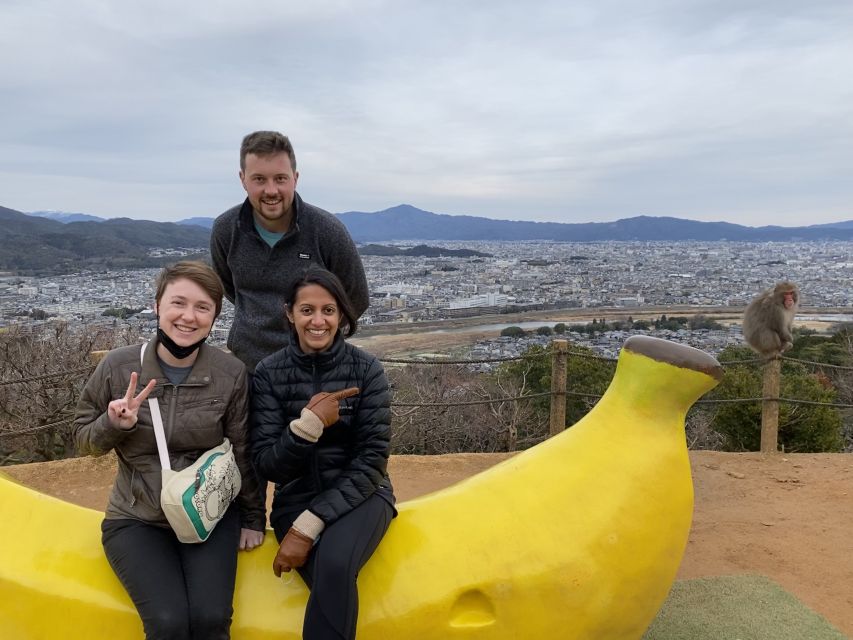
What you get in return is the “out of the crowds” feeling. The monkey park area is a short hike away from the busiest viewpoints, so you can focus on nature: monkeys, greenery, and that higher-altitude perspective over Kyoto. Many people put this stop at the top of their day, and the best part is that it’s not just a sightseeing photo. You’re there long enough to settle in and watch behavior.
Two practical notes:
- Wear shoes with good grip. The climb is short, but you’re on foot.
- Bring something warm if you’re going in cooler months. One review mentioned gloves were provided when it got cold, which hints that temperatures can shift fast on that hillside.




Togetsu-kyō Bridge: the last postcard moment without stretching your day
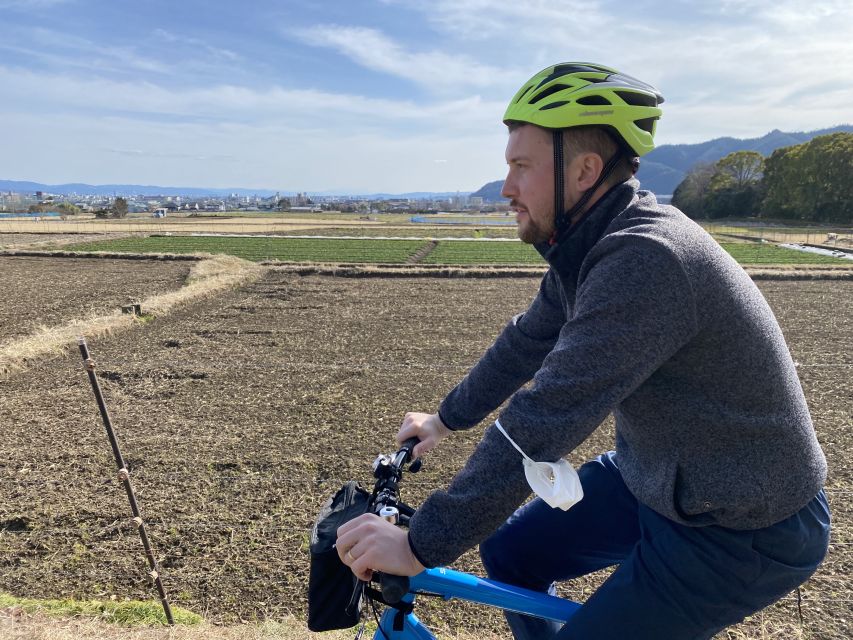
After Monkey Park, the tour ends with Togetsu-kyō Bridge for about 15 minutes. It’s the perfect wrap-up stop because it gives you a broad, classic Kyoto view after the hike.
The bridge area also gives you a color-and-green payoff that plays well with the seasons. If you’re visiting in fall, the trees around the bridge tend to look particularly good. Even without perfect weather, this is the kind of stop where the framing does a lot of work for you.
And because it’s near the end of the ride, you can enjoy it without needing to rush to another reservation. Think of it as the “breath out” point before heading back toward Saga-Arashiyama Station.
Bikes, helmets, and comfort: small gear details that save your day
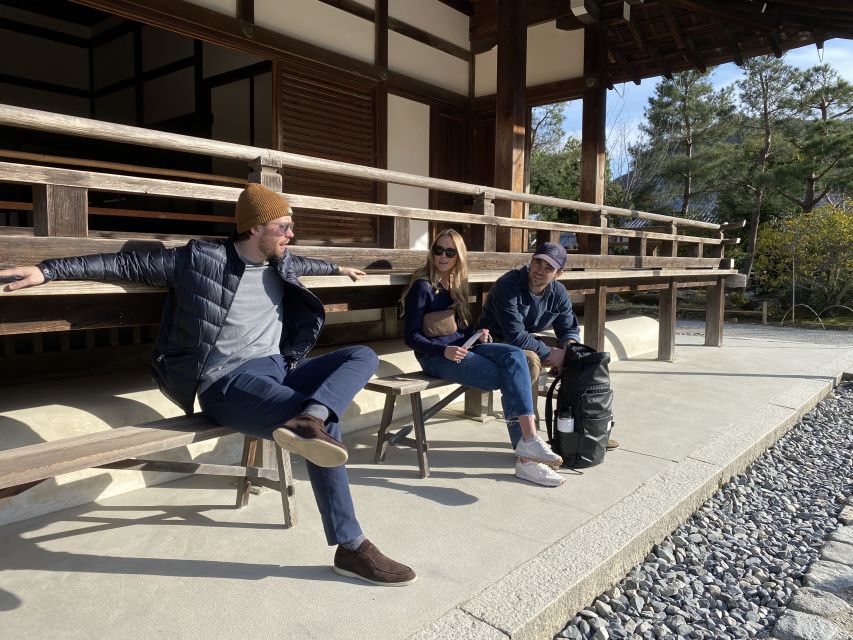
Included with the tour: a bicycle, helmet, bottled water, and entry fees for the temple. That’s good value because it removes several hassle items.
The bike itself matters more than you might think. A number of guests praised the bikes as comfortable and well maintained. If you’re picky about seating or stability, this is a strong selling point versus renting a random bike and guessing how it fits.
What you should bring:
- Comfortable shoes
- Comfortable clothes
What to avoid:
- High-heeled shoes (not allowed)
If you’re sensitive to cool air—especially in early spring or colder months—plan layers. The tour context is outdoors for the whole afternoon: bamboo ride, temple walk, and a hillside climb. Even if the morning starts mild, temperatures can change once you’re moving and climbing.
Price and value: is $106 fair for this mix of bike time and entry?
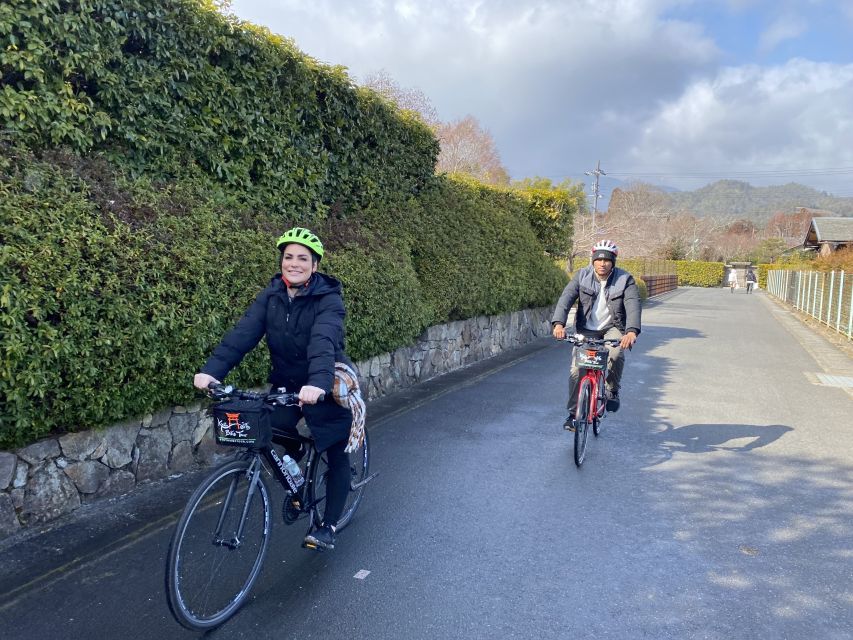
At $106 per person for about 4 hours, you’re paying for more than just transportation. The value comes from the combination of:
- A live English guide
- Small group size (up to 8)
- Bike and helmet
- Bottled water
- Tenryuji Temple entry
Add it up and you’re essentially buying a guided half-day that handles the “big ticket” bits for you—gear and entry—while still letting you cover key areas without wasting time on local transit between sights.
Food isn’t included, so you’ll want to plan a simple meal before or after. Also note you don’t get hotel pickup, so you’ll be responsible for getting to Saga-Arashiyama Station on your own.
If your goal is to see Arashiyama highlights with less stress and more context, the price starts making sense quickly. If you’re traveling with someone who wants only museum-style indoor time, this might feel too active—but for nature lovers and people who like bikes, it’s a very solid fit.
Who this tour suits best (and who should choose differently)
This is a great match for:
- People who want Kyoto’s top Arashiyama sights plus the monkey park hike in one organized block
- Travelers who like a balanced day: bike scenery + temple calm + nature payoff
- Families and groups who appreciate structure and safety guidance, not chaos
It’s less ideal for:
- Anyone who can’t handle a short hillside climb (the 20-minute hike at Monkey Park is part of the plan)
- People who dislike outdoor activity in changing weather (rain can change the schedule)
Should you book this Kyoto afternoon bike tour?
I’d book it if you want Arashiyama done the smart way: bike through the bamboo, take a real breather at Tenryuji Temple, then earn your best views at Iwatayama Monkey Park. The small-group size and guide attention make it feel calmer than DIY, and the inclusion of bike gear plus temple entry keeps the afternoon moving.
Skip it only if the Monkey Park climb is a deal-breaker for you, or if you prefer a purely flat stroll day with no outdoor exertion.
If you’re flexible on timing and you show up in comfortable shoes, this tour is the kind of Kyoto experience that feels efficient, scenic, and still personal.
FAQ
Where do I meet the guide?
Meet your guide at Saga-Arashiyama Station. The guide will be wearing a bike helmet and a Kyoto Bike Tours shirt.
How long is the tour?
The tour runs for about 4 hours.
How large is the group?
This is a small group tour limited to 8 participants.
Is the tour guided in English?
Yes. You’ll have a live English guide.
What’s included in the price?
The tour includes the tour guide, bicycle, helmet, bottled water, and entry fees.
Is food included?
No. Food and drinks aren’t included.
How long is the hike at Monkey Park?
There is a 20-minute hike involved at Iwatayama Monkey Park.
What should I wear or bring?
Bring comfortable shoes and comfortable clothes. High-heeled shoes are not allowed.
What happens if it rains or I need to cancel?
If the forecast shows rain, you’ll receive a message about rescheduling or cancellation. You can cancel up to 24 hours in advance for a full refund.