REVIEW · KYOTO
A Unique Antique Kimono and Tea ceremony Experience in English
Book on Viator →Operated by Miyagawa Tokusaburo Shoten · Bookable on Viator
Kyoto can be loud. This tea ceremony is the opposite: a small-group sit-down in a private, 100-year-old house with antique kimono rental and a real focus on how matcha is made. You get patient, step-by-step instruction in English, plus the tea etiquette and history context that most quick demos skip.
One thing to weigh first: the session is about 90 minutes and includes green tea and Japanese sweets, so if you’re expecting lots of different tea tastings or a long, multi-part lesson, this may feel short. Also, the setting is a traditional residence area near Katsura Imperial Villa, not a glossy public garden show.
In This Review
- Key highlights you’ll notice right away
- Kyoto’s quiet tea house near Katsura Imperial Villa
- Antique kimono rental: what it means (and what to expect)
- How the tea ceremony feels in a 100-year-old private house
- Matcha 101: learning how it’s made
- Toku and family: small group attention in English
- Price and value: is $99.10 worth 90 minutes?
- Practical tips for a smoother kimono and tea day
- Who should book this kimono and matcha session?
- Should you book this Miyagawa Tokusaburo Shoten experience?
- FAQ
- How long is the tea ceremony experience?
- What’s included in the price?
- How large is the group?
- Is it available in English?
- Where do I meet for the tour?
- Are service animals allowed?
Key highlights you’ll notice right away
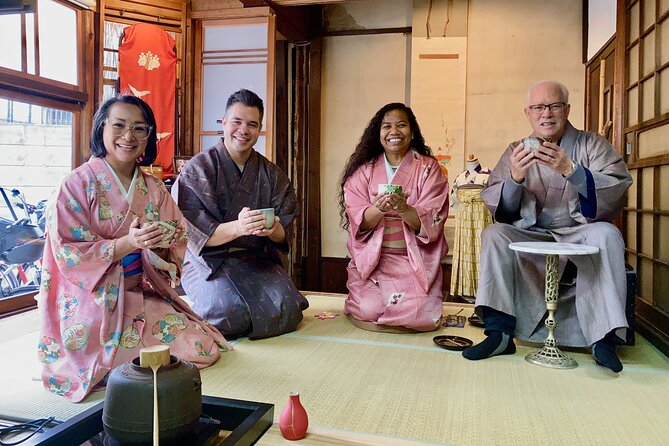
- Antique kimono included: over-80-years-old pieces are part of the experience, not an add-on
- Matcha-making focus: you learn the process behind the tea, not only how to drink it
- Small group size (max 6): more time for questions and hands-on guidance
- A 100-year-old house near Katsura: calmer atmosphere than central Kyoto hotspots
- English available: instruction is straightforward and paced for visitors
- Family-run, photo-friendly: you’ll have lots of time to capture the kimono and ceremony moments
Kyoto’s quiet tea house near Katsura Imperial Villa
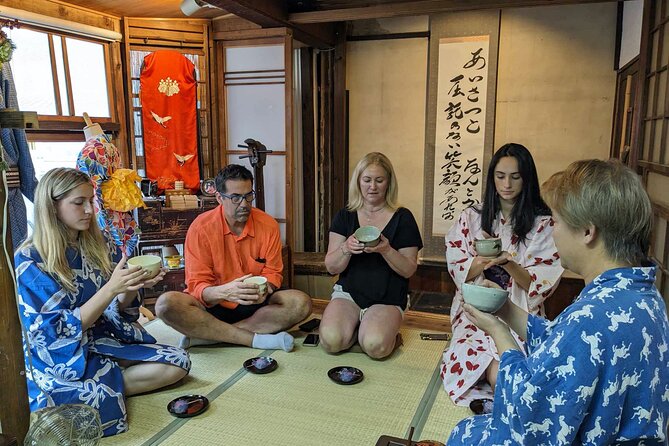
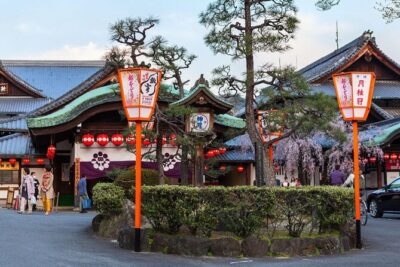
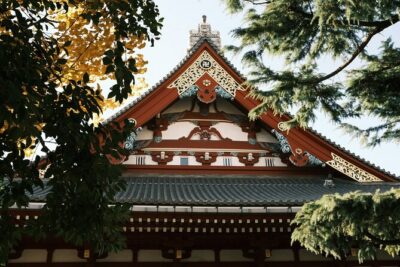
The best part of this experience isn’t just the ceremony—it’s where it happens. The tea session takes place in a private house that’s over 100 years old, in the Katsura area. Because it’s close to Katsura Imperial Villa, you get a quieter rhythm than you’d expect in more crowded parts of Kyoto.
You’ll meet at Miyagawa Tokusaburo shoten, 32-4 Katsuranozatochō, Nishikyo Ward, Kyoto 615-8073. The location is near public transportation, which matters in Kyoto where backtracking can eat time. And since the tour ends back at the meeting point, the logistics stay simple.
Plan to arrive a few minutes early. This kind of experience flows on timing—first the kimono fitting, then the tea etiquette briefing, and only after that the actual serving. When everything starts on schedule, the whole 90 minutes feels calmer instead of rushed.
You can also read our reviews of more tours and experiences in Kyoto.



Antique kimono rental: what it means (and what to expect)
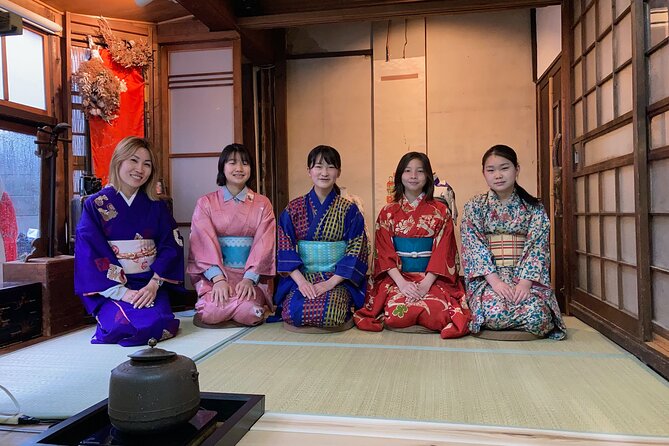
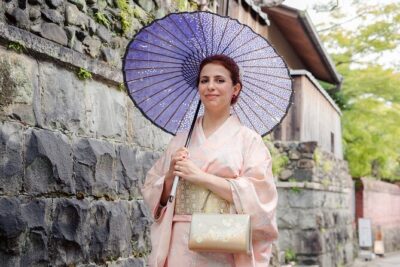
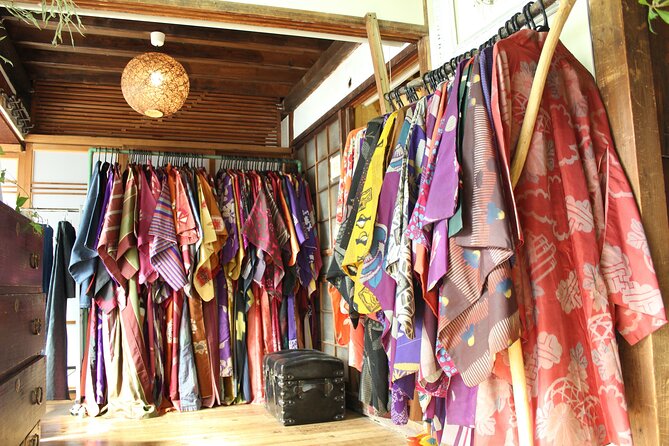
This isn’t a quick costume handoff. You’re renting antique kimono as part of the experience, and the pieces are described as being over 80 years old—rare enough that it changes the feel of the whole evening. One reviewer emphasized how the host explained his background in kimono fitting, which hints at how carefully they treat the garments, not as props.
Here’s what you should expect in real life once you get there:
- You’ll have help choosing a kimono you like, not just being assigned one.
- The hosts help with getting dressed correctly, including fit and styling.
- You can expect time for photos while wearing the kimono.
Some reviews mention that hair styling and accessories are part of the welcome. I’d still treat that as “included with your experience” rather than something you must demand—either way, you’ll be guided through looking the part.
Also, remember that you’re not doing this in a fashion studio. It’s an old private house experience. If your dream kimono fantasy is all about grand, public backdrops, you may need to adjust expectations. The charm here is the calm, traditional setting rather than a staged tourist scene.
How the tea ceremony feels in a 100-year-old private house
The ceremony happens in that older private home environment, where the pace stays slow and quiet. That matters because tea etiquette is easier to understand when you’re not doing it while people are walking past the room or taking selfies every five seconds.
You’ll learn:
- Traditional etiquette and manners of the tea ceremony
- The history and etiquette meaning behind the movements
- How tea culture connects to the world of the samurai (this comes up as a point of interest during the session)
This is the kind of lesson where the host explains not just what to do, but why it’s done. Many reviews praise the hosts for being patient, and that shows up in how the experience is taught: you’re encouraged to follow along, ask questions, and take your time.
There’s also a practical side to this. One reviewer noted that the host adapted for someone who couldn’t kneel, which tells you they’re prepared for real bodies, not just ideal poses. If you have any mobility constraints, it’s smart to mention them early when you arrive so the host can adjust the flow.
Matcha 101: learning how it’s made
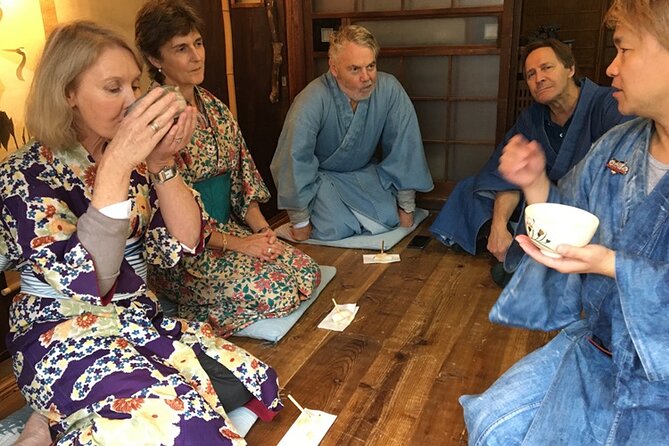
Yes, you’ll drink matcha—but the bigger value is learning how it’s prepared. The experience includes a special opportunity to learn how matcha tea is made, and it’s framed as a hands-on cultural lesson rather than a performance.
What I like about the approach is that matcha is more than flavor. It’s ritual, timing, tool handling, and attention. When someone walks you through the process, you stop thinking of matcha as just a cafe drink and start seeing it as a craft.
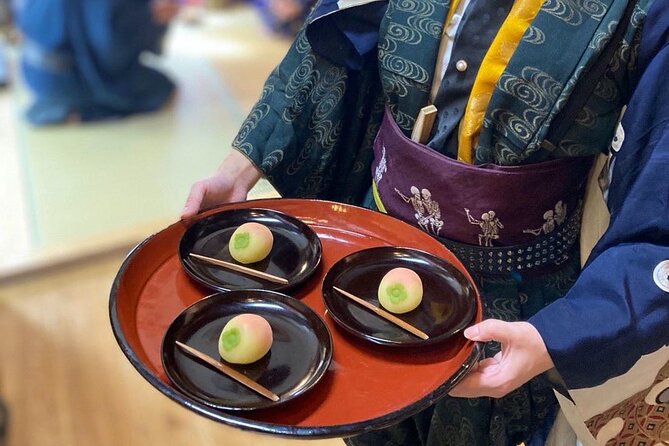
During the experience, you’ll also be served green tea and Japanese sweets. That matters for your expectations: this is not built like a tasting flight with multiple tea varieties. It’s about the ceremony plus matcha preparation, with a set pairing that supports the ritual.
One negative review complained that the session felt short on what they expected from tea process/tasting variety. That’s a fair caution for you: if your priority is a broader menu of teas, treat this as a matcha-and-etiquette class, not an exhaustive tea encyclopedia.
Toku and family: small group attention in English
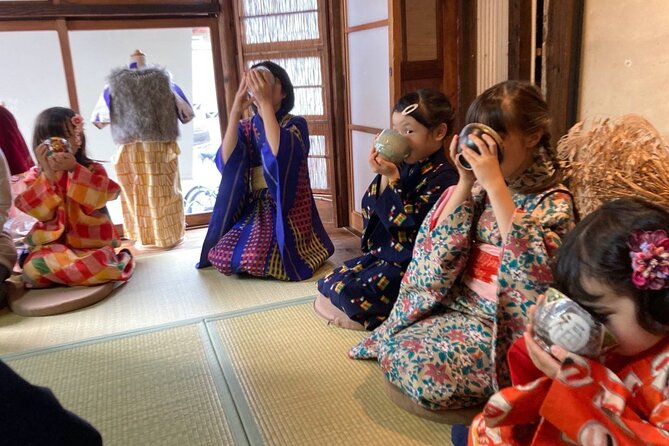
The hosts drive the tone of the whole experience. Reviews repeatedly mention Toku and his wife as welcoming and supportive, with explanations that work well for English speakers. Since the group is capped at six people, you’re not stuck watching from the sidelines. You get moments that feel personal—like the host can answer your question and still keep the ceremony calm.
A few details that come up again and again in the feedback:
- Warm welcome and help choosing a kimono
- Slow, careful teaching rather than a rushed script
- Thoughtful photo opportunities (not just “stand there and smile”)
- Patience with different ages and needs, including kids
Even if you’re not a history nerd, this helps. Tea etiquette can feel intimidating if it’s delivered like a lecture. Here, it’s more like learning a respectful choreography, with explanations that keep you oriented.

Price and value: is $99.10 worth 90 minutes?
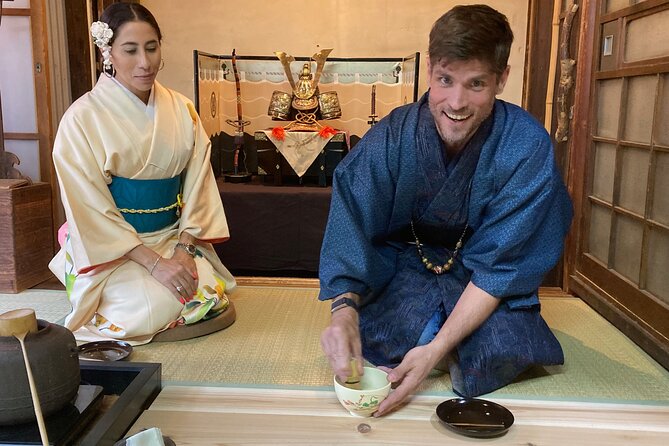
At $99.10 per person, you’re paying for more than someone pouring tea and handing you a cookie. The key value point is what’s included:
- Antique kimono rental fee
- Tea ceremony experience fee, including green tea and Japanese sweets
Kimono rental by itself can be costly in many parts of Japan, and antique pieces (over 80 years old) raise the stakes. So when you see the price, it’s basically: antique costume + a guided ceremony lesson + the tea and sweets included.
You’ll also get small-group attention. A six-person cap isn’t just a number—it usually means more questions answered and less waiting around.
The main reason value could feel “less” for some people is time. At about 1 hour 30 minutes, it’s designed to be focused and calm, not to cover every possible angle of tea culture. If you want a long, multi-course tea education session, you may want to look elsewhere.
Practical tips for a smoother kimono and tea day
A few small choices will make your ceremony experience feel easier and more respectful:
- Dress so you can move easily once you’re kitted out. You’ll be guided, but comfort matters when you’re learning etiquette and sitting through the process.
- Bring a flexible mindset about the setting. This is a private home experience near Katsura Imperial Villa, so the mood is domestic and quiet, not “tour bus stage.”
- If you’re sensitive to kneeling or sitting low, let the host know early. Reviews indicate they can adapt.
- For photos, plan to follow instructions closely. The hosts will likely guide where to sit and when to take pictures, and that makes the ceremony feel smooth rather than disruptive.
Also, you’ll use a mobile ticket, which is great in Kyoto when you’re constantly hopping between neighborhoods and don’t want to manage extra paper.
Who should book this kimono and matcha session?
This one fits best if you’re aiming for:
- A calmer Kyoto experience near Katsura Imperial Villa
- A real kimono moment (with antique rental included)
- Matcha education focused on the process, not just the drink
- Small-group, English instruction where you can actually ask questions
It’s also a strong pick for couples and families who want something meaningful and slower-paced. Multiple reviews mention the hosts doing well with kids, with step-by-step involvement and a welcoming family feel.
If you hate anything that feels formal, don’t dismiss it right away. The ceremony is solemn, but the hosts explain things in a way that helps you understand the spirit without needing to already know every rule.
Should you book this Miyagawa Tokusaburo Shoten experience?
I’d book it if you want an antique kimono + matcha-making lesson in a quiet, older home setting, taught by Toku and his family in English, with a maximum of six people so you don’t feel lost in the group.
Skip—or at least reset expectations—if you’re hunting for a large variety of teas to sample, or if you want the ceremony staged in a highly scenic public garden. This experience trades that kind of backdrop for calm hospitality, a close-up lesson, and a slower pace that lets you focus.
If you’re the kind of traveler who likes to slow down and learn one craft properly, this is an easy yes.
FAQ
How long is the tea ceremony experience?
The experience lasts about 1 hour 30 minutes.
What’s included in the price?
The price includes an antique kimono rental fee and the tea ceremony experience fee, with green tea and Japanese sweets.
How large is the group?
It’s a small group, capped at a maximum of 6 travelers.
Is it available in English?
Yes, the experience is available in English.
Where do I meet for the tour?
You’ll meet at Miyagawa Tokusaburo shoten, 32-4 Katsuranozatochō, Nishikyo Ward, Kyoto 615-8073, Japan.
Are service animals allowed?
Yes, service animals are allowed.