REVIEW · KYOTO
Tea ceremony and kimono experience at Kyoto, Tondaya
Book on Viator →Operated by 冨田屋 · Bookable on Viator
Put on kimono, then sip in a machiya. This Kyoto experience happens in a real wooden townhouse, so the machiya setting feels like you stepped into daily life, not a staged show. I especially loved the silk kimono fitting with careful help, plus the chance to tour the old house right after dressing. The main drawback to watch for is that, in shared groups, the tea room can feel crowded and the ceremony portion may feel short or a bit rushed.
You get about 1 hour 30 minutes on the clock (it can flex with crowd levels), starting at Tondaya in Nishijin. You’ll also want to plan for the practical stuff: bring socks, expect group energy, and don’t count on perfect quiet if you go during peak hours.
In This Review
- Key Points to Know Before You Go
- First Stop: Tondaya in Nishijin and Why Location Matters
- Kimono Fitting: Silk, Speed, and Choosing a Look
- A quick heads-up for comfort
- Photo Time in the Machiya: More Than a Photo Op
- The House Tour: Meiji-Era Rooms and Nishijin Charm
- Tea Ceremony Time: Watch, Sip Matcha, Learn the Flow
- What you might notice during the ceremony
- Price and Value: What $178.34 Really Covers
- Timing, Group Size, and How to Protect Your Experience
- What to Bring and How to Prep Like a Pro
- Who This Fits Best (and Who Should Choose Another Option)
- Should You Book Tondaya’s Tea Ceremony and Kimono Experience?
- FAQ
- FAQ
- How long is the tea ceremony and kimono experience?
- Is this experience shared or private?
- Where does the experience start?
- Is lunch included?
- Do I need to bring socks?
- Are geta (traditional wooden sandals) included?
- How many people are in the group?
- Can I cancel for a full refund?
Key Points to Know Before You Go
- Machiya setting, not a modern venue: a historic townhouse experience in Nishijin.
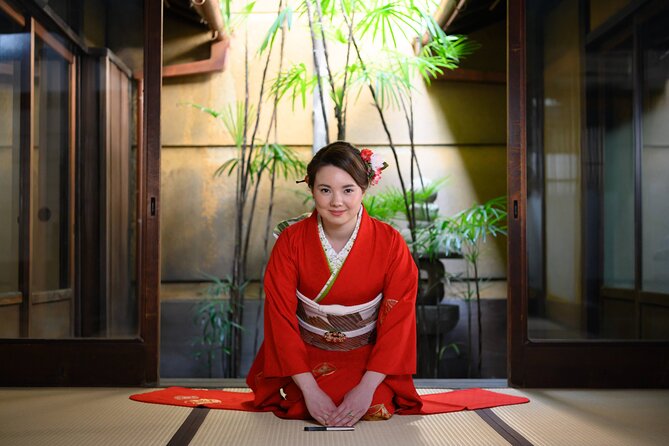
- Kimono help is the star: fitted over your own clothes, with time for photos.
- Meiji-era house tour: you’ll wander rooms and notice details like seasonal airflow.
- Tea ceremony is structured and short: you’ll learn the flow, then share the tea.
- Shared-group atmosphere can change the vibe: crowd size and room setup matter.
First Stop: Tondaya in Nishijin and Why Location Matters
This experience starts at Tondaya – Nishijin Japanese Cultural Experience Museum, at 697 Ishiyakushichō in Kyoto’s Kamigyo Ward. One theme comes up again and again: you can find it, but it’s not the kind of place that practically advertises itself from the street.
Plan to arrive a little early. With Japanese neighborhood lanes and signage that can be subtle, you’ll feel calmer if you give yourself extra time to confirm you’re at the right doorway. And since this is a walking-and-changing situation (kimono first, then tour and tea), being rushed at the start makes everything harder.
The good news: it’s near public transportation, so you’re not trapped in a far-off corner. Still, the safest move is to build in a buffer so you’re not stress-shouting directions while someone is trying to help you into a silk kimono.
You can also read our reviews of more tours and experiences in Kyoto.

Kimono Fitting: Silk, Speed, and Choosing a Look
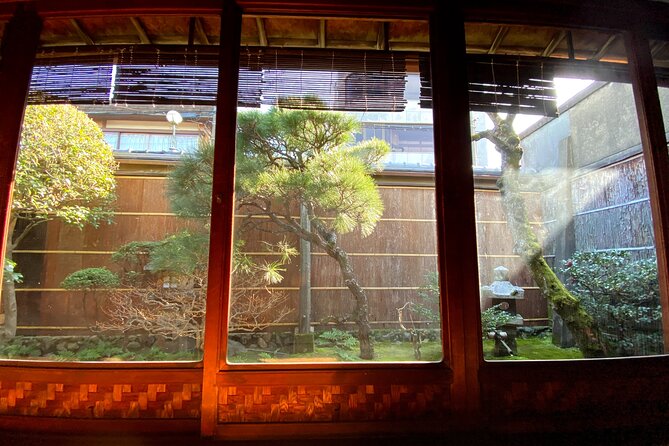
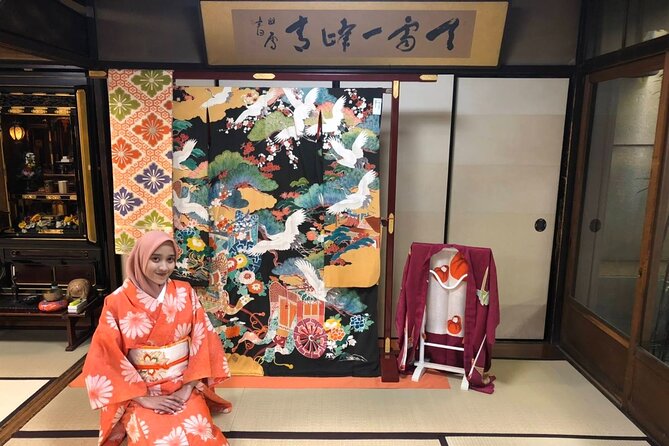
The first big moment is getting dressed. You arrive, then an authentic silk kimono is promptly fitted for you. The fitting isn’t just you putting on a robe and calling it done. You should expect hands-on help and a system that gets you into a presentable, proper look without turning your day into a wrestling match.
From the practical side, this is where the experience earns its keep for many people. The kimono look photographs well, the garments tend to feel well made, and you usually get to choose your colors (so it doesn’t feel like one-size-fits-all).
You also get an introduction video that shows how to wear kimono and the tea-ceremony process. Even if you only catch parts of it, it helps you understand what you’re about to do next, especially if you’ve never worn traditional attire before.
A quick heads-up for comfort
You’ll be wearing something layered and structured over your clothing. That means:
- Bring socks (they specifically ask for socks to protect cultural assets).
- Wear clothing that’s easy to change out of later.
- You may want to keep your expectations realistic about how long it takes to get fully dressed. In shared groups, the schedule can move based on who arrives when.
Photo Time in the Machiya: More Than a Photo Op
After you’re dressed, you’ll have a chance to take photos around the house. This matters more than you might think. Many Kyoto “culture” activities end with a quick hallway shot and move you on. Here, you’re placed in a real traditional wooden home, so your photos have backdrops that look like Kyoto, not like a rented set.
The flow usually goes like this: kimono fitting first, then time for pictures, then exploring the townhouse before the tea portion. You’ll likely see garden elements and historic rooms, and you may also get props or photo-friendly spots tied to the experience.
One detail that can make the house feel alive is how it handles air. The machiya tour includes noticing seasonal breezes inside the home. That’s not a tiny detail. When a building naturally moves air and light, you feel it. It’s one reason the experience doesn’t just read as costumed tourism.
The House Tour: Meiji-Era Rooms and Nishijin Charm
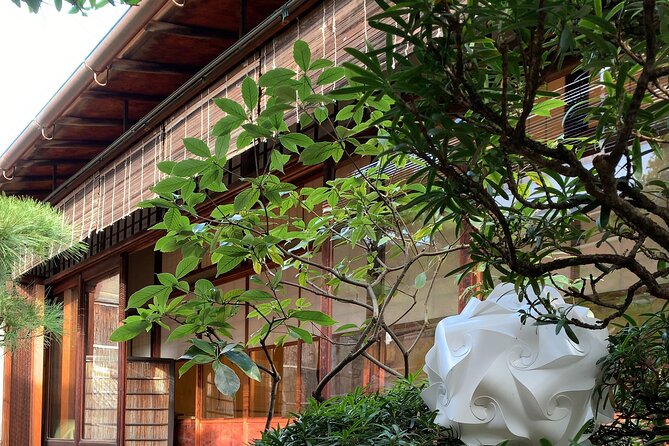
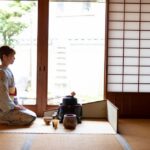
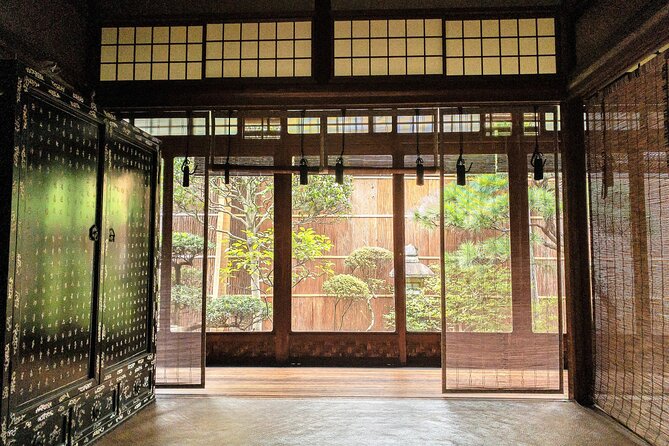
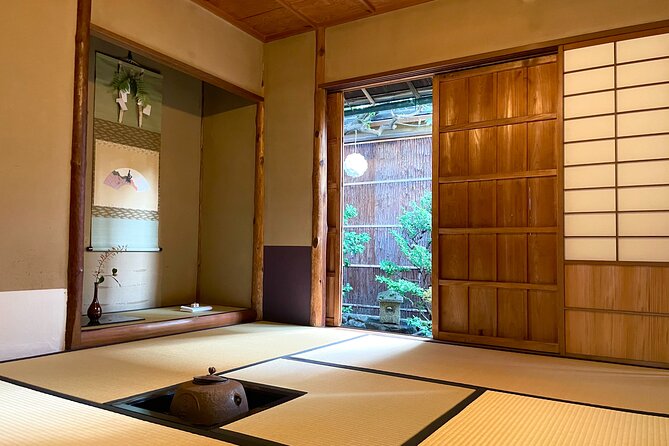
The tea ceremony takes place in an historic wooden townhouse, now part of the Nishijin Lifestyle Museum space. The house itself is described as originally built during the Meiji period, and you’ll spend time walking through its rooms and layout.
Expect:
- A guided look at the house’s rooms and furnishings
- Time to absorb the feel of an older Kyoto residence
- Explanations that connect the tea ritual to the space where it’s performed
For me, the best part of the tour is that it’s not purely decorative. You’re given context for why rooms and objects matter, and that helps the tea ceremony feel less like a separate act and more like something tied to daily life and hospitality.
The only practical consideration: in a shared group, you may not have the quietest, slowest pacing. If you’re the type who wants to take your time in every room, go with patience. If you prefer calm, the private option is worth thinking about.
Tea Ceremony Time: Watch, Sip Matcha, Learn the Flow
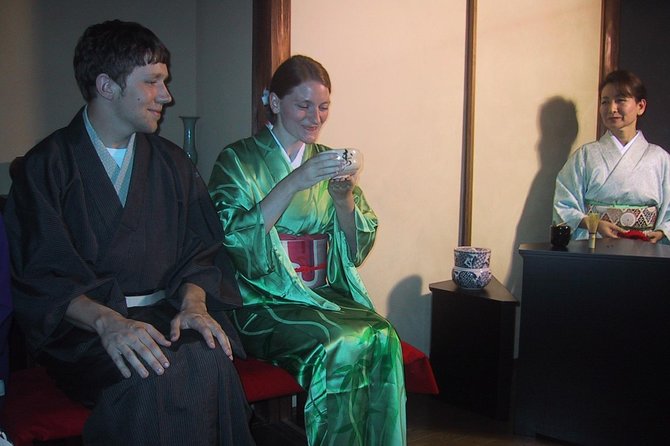
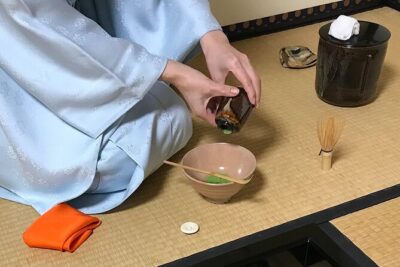
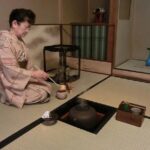
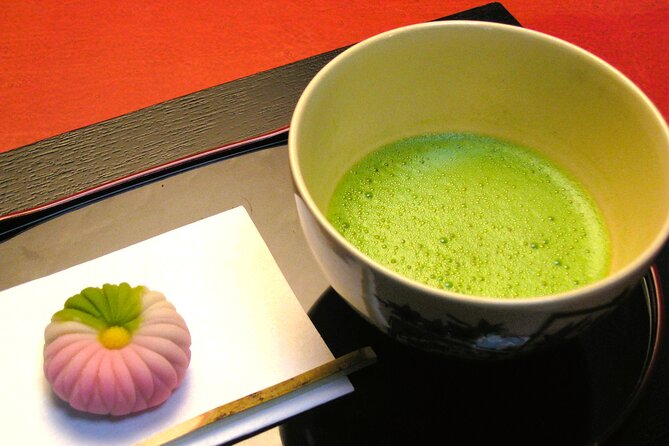
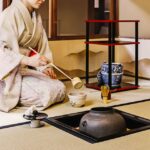
Now for the main ritual: a traditional tea ceremony performance with matcha tea. The experience is conducted as a group activity. That means you’ll be seated with other participants and guided through the key actions—how the tea is made and how it’s served, plus basic etiquette for drinking.
The positive side is clear. Many people love this part because the ceremony isn’t just a show; it’s instruction. You should come away understanding at least the basics: the rhythm of steps, what happens first, and how to handle the cup and sweet in a respectful way.
But let’s be honest about timing. The activity runs up to about 1.5 hours total, and the ceremony itself can feel brief once you account for dressing, walking, and group movement. Some guests describe it as too short for the price, and others have found the amount of explanation varies depending on crowd levels and group flow.
What you might notice during the ceremony
In a shared setup, you may not always have a perfect view of the person performing the ceremony. Crowding can also affect comfort. A few guests describe seats or room conditions that felt hot or hard to see over other participants, which naturally impacts your attention during the ritual.
If you’re picky about the atmosphere—quiet, unobstructed sightlines, and a full pace—then treat this as a shared experience with a comfort risk, not a private, slow, museum-level demo.
On the other hand, if you’re more about the overall cultural package—kimono, the machiya setting, and matcha—this can still land really well.
Price and Value: What $178.34 Really Covers
At $178.34 per person, this isn’t a budget activity. It’s priced like an experience that includes more than one thing: kimono fitting, house access, and a tea ceremony with instruction.
So what makes it worth it for some people?
- The kimono fitting feels like the “rare treat” piece. Good garments, real help, and photo-worthy results add up quickly.
- The machiya location gives the experience a sense of place that plain tea rooms can’t copy.
- When the ceremony explanation is clear, you leave feeling you actually learned something, not just watched a cup get made.
Where value becomes questionable:
- If the group is large or the ceremony room gets crowded, your view and comfort drop.
- If the explanation feels minimal, you can end up thinking you paid mostly for dress-up and quick tea.
- If you get a hot or hectic tea room setup, the ritual part can lose some of its calm.
My practical advice: decide what you want most. If your top priority is the setting and the kimono plus matcha, and you’re flexible about group dynamics, you’ll likely feel the value. If your top priority is a slow, deeply explained tea ceremony with lots of hands-on guidance and quiet seating, you should strongly consider the private option.
Timing, Group Size, and How to Protect Your Experience
This activity can have up to 20 travelers. That’s not huge in theory, but it can still feel big in narrow spaces, staircases, and a compact tea room.
Here’s how to protect your enjoyment:
- Arrive early so you’re not rushed into the kimono fitting.
- If you hate crowds, pick the private experience option rather than shared.
- Treat the ceremony room as a possible bottleneck. Your view and sound can change with crowd flow.
- Be ready for schedule variation. The maximum experience time is set at about 1.5 hours, but it may vary depending on how crowded the tour is.
Also, remember the day includes transitions. Dressing, photos, and moving through an older house takes time. If you’re watching the clock, you might think the ceremony is shorter than you wanted. Instead, look at the full experience as a sequence: attire first, then context in the house, then tea.
What to Bring and How to Prep Like a Pro
The essentials from the experience details:
- Bring socks (asked to protect cultural assets).
- Socks are required, and you can buy them there if needed.
- Make sure your clothing under the kimono is easy to manage.
- Geta sandals are not included, so don’t expect traditional wooden sandals to be part of the package.
Other prep that helps:
- Wear comfortable layers for the wait and changing.
- Keep your phone battery charged for kimono photo time.
- If you’re sensitive to heat, dress smart for layers. Some tea rooms can feel warmer depending on crowd and setup.
- If signage is an issue for you, use GPS and double-check the exact address before you’re staring at Kyoto stone walls wondering if you’re in the right neighborhood.
Who This Fits Best (and Who Should Choose Another Option)
This works well if you want:
- A historic Kyoto townhouse setting (a machiya) rather than a generic indoor studio
- The kimono experience as the highlight
- A guided introduction to how a tea ceremony works, plus matcha and a sweet
You might think twice if you:
- Want a long, silent, deeply paced tea ceremony where you can fully watch without anyone nearby
- Are strongly bothered by crowd noise or interruptions
- Need very detailed explanations regardless of group flow
If any of those fit you, the private option is the safer bet. Same core ritual, fewer compromises.
Should You Book Tondaya’s Tea Ceremony and Kimono Experience?
I’d book this if you want a classic Kyoto mashup of kimono dressing, a real machiya house, and a matcha tea ceremony that teaches the basics without making you feel clueless. The strongest draw is the setting plus the kimono help, which many people find genuinely memorable and worth paying for.
Skip it or switch to private if you’re chasing quiet, long explanations, and the kind of attention that only happens when the group is small and the room isn’t crowded. The risk with shared groups is that the ceremony moment can feel brief or hard to see and hear, and that’s exactly what you came for.
If you book, do two things: arrive early and bring socks. Then let the house and ritual do the work.
FAQ
FAQ
How long is the tea ceremony and kimono experience?
The maximum time for the activity is about 1 hour 30 minutes, and the exact timing may vary depending on how crowded the tour is.
Is this experience shared or private?
The tea ceremony is conducted in a group with other participants, and there is also a private experience option you can select.
Where does the experience start?
It starts at Tondaya – Nishijin Japanese Cultural Experience Museum, 697 Ishiyakushichō, Kamigyo Ward, Kyoto, 602-8226, Japan.
Is lunch included?
No, lunch is not included.
Do I need to bring socks?
Yes. Socks are requested to protect cultural assets. Socks are not included, but you can bring your own or buy them there.
Are geta (traditional wooden sandals) included?
No, geta are not included.
How many people are in the group?
The tour has a maximum of 20 travelers.
Can I cancel for a full refund?
Yes. You can cancel for a full refund if you cancel at least 24 hours in advance of the experience start time. Free cancellation is offered.