REVIEW · KYOTO
Tour in Kyoto with a Goverment Certified Tour Guide
Book on Viator →Operated by Konnichiwa-japan · Bookable on Viator
Kyoto, but with a plan and a story. The Mystical Kyoto Quest tour strings together classic highlights and quieter moments, guided by a government-certified professional, with a mobile ticket to keep your day simple. It’s the kind of outing where you’re not just taking photos—you’re learning how Kyoto’s places connect.
I especially like the way this tour mixes Kyoto icons with variety. You get the big visual hits at Fushimi Inari and Kiyomizu-dera, then you switch gears into markets and Zen calm in Arashiyama. I also like the option to customize your day to match your pace and interests, including cultural activities mentioned in the tour concept (like calligraphy or kimono time) if there’s room.
One drawback to consider is reliability and expectations. The overall rating sits at 3.5 and the feedback includes serious complaints about late starts or guides not showing up, plus cases where fewer stops were completed due to crowds or weather. I’d plan with a little buffer, and confirm the meeting details clearly before you head out.
In This Review
- Key things I’d pin on this tour
- Is $110 a fair deal for Mystical Kyoto Quest?
- How the 6–8 hour route actually feels in Kyoto
- Fushimi Inari-taisha: the torii trail start that sets the tone
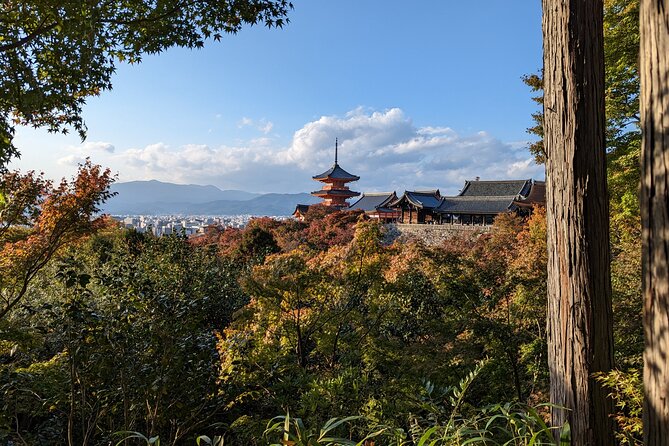
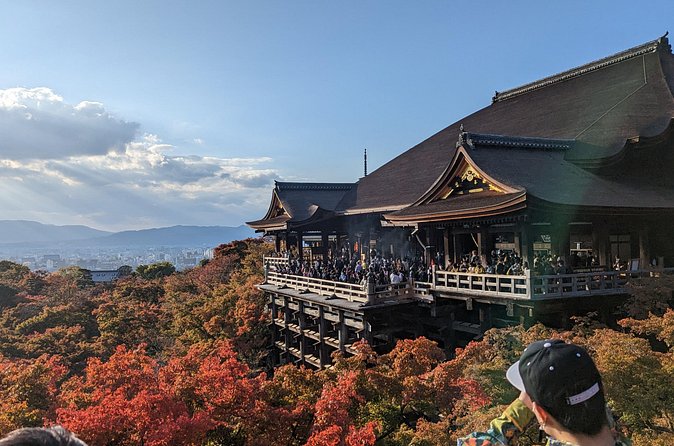
- Kiyomizu-dera: temple drama plus big views
- Nijo Castle: the samurai-era stop with extra ticket cost
- Gion: classic streets and the reality of geisha culture
- Nishiki Market: snack math and smart shopping time
- Kinkaku-ji and Ginkaku-ji: two pavilions, two moods
- Arashiyama bamboo forest and Tenryu-ji Zen calm
- Customization: tea, calligraphy, kimono, and possible rickshaw time
- Pickup, meeting points, and the Kyoto crowd reality
- Who should book Mystical Kyoto Quest, and who might skip it?
- Should you book this Kyoto tour?
- FAQ
- How long is Mystical Kyoto Quest in Kyoto?
- Is the guide included in the tour price?
- What admissions cost extra?
- Do I get pickup?
- Is this a private tour?
- What tickets do I need on the day?
- Is food included?
- Can I cancel for a full refund?
- Is a government-certified guide provided?
Key things I’d pin on this tour
- Government-certified guides who explain what you’re seeing, not just where to stand for pictures
- A route with variety, from torii gates to Zen gardens to shopping streets
- Several major landmarks are in the same day, which helps if you only have one shot in Kyoto
- Admission adds up, especially for Nijo Castle and Ginkaku-ji, which are not fully included
- Pickup may be offered, but treat it as limited to Kyoto city and confirm the exact point
- Customization can work, yet peak season and rain can shrink the schedule
Is $110 a fair deal for Mystical Kyoto Quest?
At $110 per person, this tour lands in the “worth it if you’ll actually use it” zone. You’re paying for a guide, a planned route, and someone to translate the meaning behind Kyoto’s sights while you walk. If you’re the type of traveler who hates sorting transit and tickets on a busy day, the guide time can quickly pay for itself.
The itinerary-style mix matters here. You’re not just doing one temple area and calling it a day. You’re hitting: Fushimi Inari, Kiyomizu-dera, Nijo Castle, Gion, Nishiki Market, Kinkaku-ji, Ginkakuji, Arashiyama, and Tenryu-ji. That’s a lot of “you’d need two or three days to do this comfortably” energy packed into 6 to 8 hours.
That said, the money picture isn’t only the tour price. Guide transportation fees (5–8 USD) aren’t included, and you’ll also face extra costs for some temple admissions (notably Ginkaku-ji at $8 per person, and Nijo Castle isn’t included either). Food and drinks are also on you. So the real value depends on how efficiently you want to spend your time versus how much you enjoy DIY sightseeing.
You can also read our reviews of more guided tours in Kyoto
How the 6–8 hour route actually feels in Kyoto
The structure is basically “east Kyoto icons, then central Kyoto culture, then west Kyoto Zen and bamboo.” That rhythm is helpful because Kyoto can scatter you across neighborhoods.
Still, expect this day to be active. You’ll be walking through temple grounds, crossing busy streets near Gion and Nishiki Market, and doing hills around Higashiyama (where Kiyomizu-dera sits). The walking isn’t extreme marathon length, but it’s enough that tired legs can steal your attention from details.
Also, the tour concept includes night temple illumination and a possible rickshaw ride. Those are great ideas on paper, but your actual day will likely be shaped by timing and how the group keeps moving. If you’re hoping for specific add-ons, treat them as “ask and see,” not guaranteed.
Fushimi Inari-taisha: the torii trail start that sets the tone
Fushimi Inari-taisha is the perfect opener because it gives you Kyoto’s most instantly recognizable mood: endless torii gates and the sense you’re walking into a story older than modern tourism. You’ll spend about one hour here, and for many people, this is where the day starts to feel magical fast.
Here’s the practical angle. Early in the day, you can still find breathing room between crowds. Later, the foot traffic can turn the torii into a slow shuffle. So arriving with a focused plan helps: I like to aim for a few sections of the torii corridor rather than trying to “do everything,” because your time matters later for Kiyomizu-dera and Gion.
What I’d watch for is fatigue. The torii trail involves steps and uneven footing. If you’ve got mobility limits, let your guide know early so the route can be adjusted.
Kiyomizu-dera: temple drama plus big views
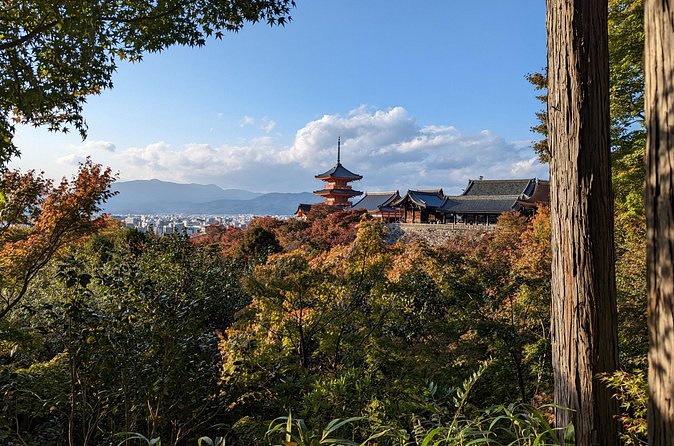
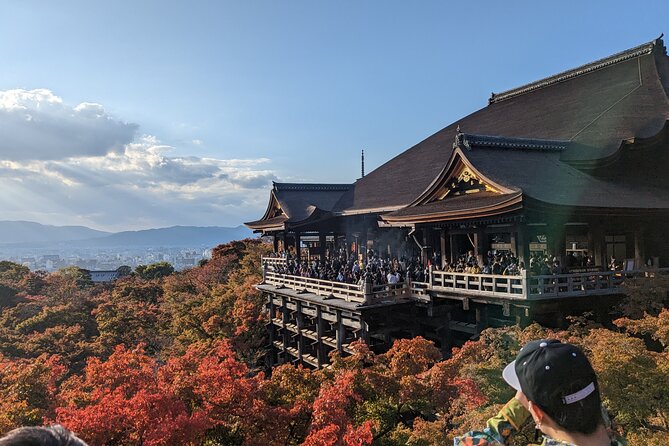
Kiyomizu-dera is one of those places where Kyoto’s architecture meets spectacle. The temple sits high on the hillside in the Higashiyama area, and you’ll get about one hour here. Since admission for this stop is listed as free, your main “cost” is time and energy.
This is also a good stop to slow down. Even if you’re not the type to read every sign, a guided visit helps you understand why people care so much about the layout and the surrounding hills. You’ll likely notice how the temple’s position influences the feel of the whole area—views open up, and the walk starts to feel like you’re moving through layers of the city.
A consideration: if it’s hot or rainy, this becomes more physically demanding. You’ll be outside more than you might expect, and slick steps or umbrellas can make navigation slower.
Nijo Castle: the samurai-era stop with extra ticket cost
Nijo Castle brings a different kind of Kyoto flavor. Instead of shrine atmosphere, you get palace and power symbolism, built in the 17th century and tied to rule and residence. You’ll spend about one hour here.
The big practical detail: admission isn’t included. So budget for that extra fee when you plan your day. If you like history that’s more “structure and symbolism” than “scrolls and stories,” this stop is a strong mid-day anchor.
If you’re the type who gets temple fatigue (too many sacred steps in a row), Nijo Castle can actually refresh you. It’s still historic and cultural, but it reads more like “Kyoto’s political past” than “spiritual landmarks.”




Gion: classic streets and the reality of geisha culture
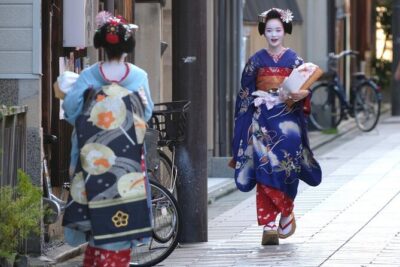
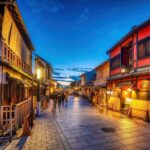
Gion is where Kyoto turns photogenic in every direction. You’ll have about one hour here, and the value is partly what you see in the streets and partly what you learn about how traditional culture survives in a modern city.
One thing to keep in mind: Gion is an area, not a single attraction. You’ll likely do a walking loop, and how much you enjoy it depends on your expectations. If you come wanting “a scene from a movie,” you might find it more interesting to treat it like a neighborhood with historical architecture and a living tradition.
I also like Gion for timing. It can work as a mid-afternoon reset after temple walking. Just be ready for crowds, especially if your day lands near evening.
Nishiki Market: snack math and smart shopping time
Nishiki Market is often described as a food street, and that’s exactly how it helps on a guided day. You’ll get about one hour, and this is where you can test Kyoto flavors without needing reservations or planning.
Since admission is listed as free here, your extra spending is optional but easy: tasting small things can become the day’s “bonus experience.” A guide helps because they can point you toward items that match what you like, and you avoid the trap of buying something you don’t enjoy just because it looks famous.
The practical catch is crowd flow. Market shopping moves fast and gets tight. If you get uncomfortable in dense areas, aim to keep your purchases simple—one or two items plus one prepared snack is often enough.
Kinkaku-ji and Ginkaku-ji: two pavilions, two moods
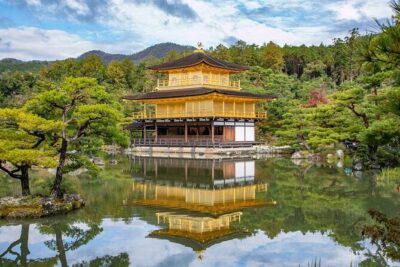
This is the most “iconic Kyoto” stretch of the day. Kinkaku-ji (Golden Pavilion) is a UNESCO World Heritage Site and visually hits hard. You’ll get about one hour here, and admission is listed as free for the tour’s stop.
Then you shift to Ginkaku-ji (Silver Pavilion), another UNESCO World Heritage Site with a calmer, Zen-leaning feel. The important money detail: Ginkakuji admission is not included and is listed at $8 per person. So factor that in when you calculate real cost.
What I find useful about doing both in one day is contrast. Golden Pavilion tends to feel more about spectacle, while Silver Pavilion often reads as quiet and reflective. Even with crowds, the guided context helps you notice the differences in design and intention.
Arashiyama bamboo forest and Tenryu-ji Zen calm
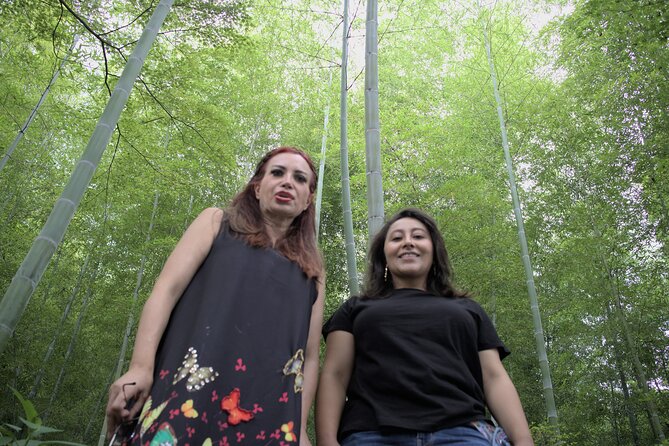
Arashiyama is where the day can slow down. The bamboo forest stop is listed at about 30 minutes, with free admission. Tenryu-ji follows for another about 30 minutes (admission not included for this stop).
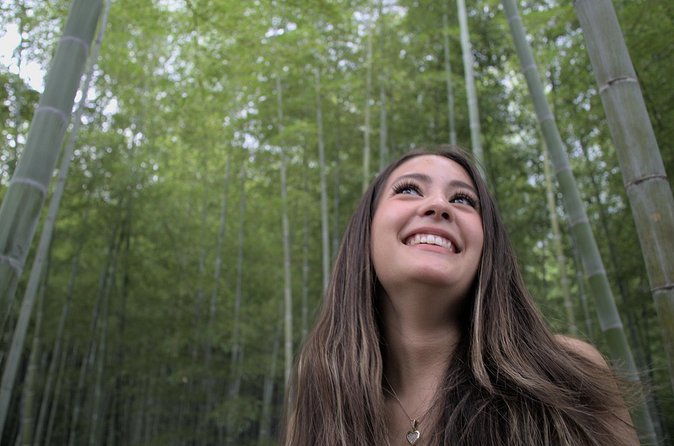
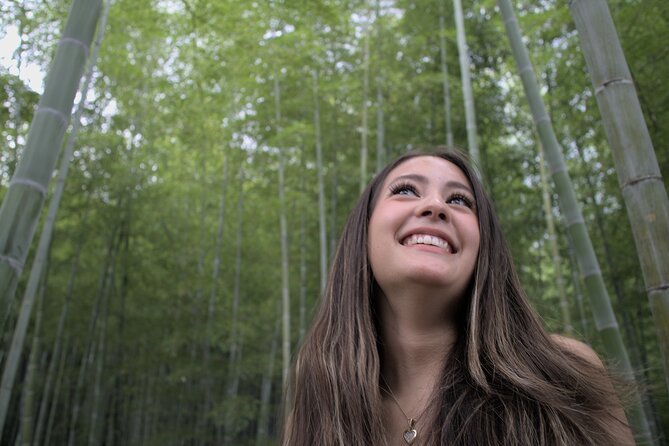
Even in half an hour, bamboo has a way of clearing your head. It’s not just a backdrop—it’s a change in atmosphere. A guide can help you figure out where to stand, how to take photos with fewer people in frame, and what to notice besides the obvious stalks.
Tenryu-ji adds the Zen context. Since it’s not an included admission, you’ll likely treat it as a “choose this because it’s worth it” moment. I like this stop for travelers who feel their Kyoto day is getting too “checklist heavy.” Arashiyama can rebalance the whole experience.
Customization: tea, calligraphy, kimono, and possible rickshaw time
The tour concept talks about more than temples and streets. It references tea houses, street food, hidden art studios, and cultural activities like calligraphy and kimono dressing. It also mentions rickshaw riding and illuminated temples at night.
Here’s how to treat that wisely: your guide can customize depending on your expectations and time available. In other words, some of these add-ons may fit, but your final schedule will still be shaped by crowds, distance, and weather. Peak-season Kyoto can be slow even when everyone’s trying.
If you want a kimono or calligraphy moment, tell your guide early so they can build time around it rather than trying to squeeze it in at the end.
Pickup, meeting points, and the Kyoto crowd reality
Pickup is listed as offered, and your guide work starts with getting you to the day’s first stop efficiently. But the feedback includes confusion around meeting points and pickup expectations. My advice: confirm the exact pickup or meeting location the day before, and arrive early enough that you’re not stressed if the city is moving slower than usual.
Also, the tour is described as private, but there’s a note that solo or couple travelers might be asked to join another solo or couple. That usually doesn’t ruin the day, but it changes the “my schedule only” feeling. If you’re booking for a quiet, fully private experience, message the operator first and ask how they handle mixing groups.
Bring practical stuff. Comfortable shoes are non-negotiable because Kyoto’s surfaces and steps can be uneven. If rain is in the forecast, pack a small umbrella or rain layer. Rain can slow everything down and reduce how many stops you reach in the timeframe.
Who should book Mystical Kyoto Quest, and who might skip it?
This tour is a good fit if:
- You want a structured day with a licensed guide and explanations along the way
- You have limited time in Kyoto and don’t want to stitch multiple self-guided days together
- You like walking through neighborhoods like Gion and shopping streets like Nishiki Market, not just isolated temples
It may be less ideal if:
- You’re counting on a very specific schedule with no flexibility (weather and crowds can shrink the number of stops)
- You depend on complicated pickup arrangements and can’t easily reach the stated meeting area on your own
- You’re sensitive to walking and stair-heavy spots
A smart move for peace of mind is to keep your next day in Kyoto lighter. If the day runs late, you’ll still have energy to enjoy the rest of your trip.
Should you book this Kyoto tour?
I’d book Mystical Kyoto Quest if you value guidance, want to cover major Kyoto highlights in one day, and you’re okay with a bit of unpredictability. The strongest reason to choose it is simple: you’re paying for someone to guide your attention, not just transport you between famous names.
I’d hesitate if you can’t tolerate schedule changes. The overall rating includes serious complaints about no-shows and late starts, and there are cases where the plan got reduced. If you book, treat confirmation like part of the experience: message for the exact meeting or pickup details, and show up early.
If your Kyoto trip is one of your few days in Japan, I’d still lean toward booking—but do it with buffer time and a clear plan B.
FAQ
How long is Mystical Kyoto Quest in Kyoto?
It runs about 6 to 8 hours (approx.).
Is the guide included in the tour price?
Yes. A guide is included. The guide transport fees of 5–8 USD are not included.
What admissions cost extra?
Ginkaku-ji (Silver Pavilion) admission is listed at $8 per person and is not included. Nijo Castle admission is also not included.
Do I get pickup?
Pickup is offered, and the tour notes that you’re near public transportation. Exact pickup details should be confirmed for your situation.
Is this a private tour?
It’s described as private, meaning your group participates. There’s also a note that solo travelers or couples might be asked to join another solo or couple.
What tickets do I need on the day?
You’ll have a mobile ticket.
Is food included?
No. Food and drinks are not included.
Can I cancel for a full refund?
Yes. You can cancel up to 24 hours in advance for a full refund.
Is a government-certified guide provided?
The tour is marketed as being with a government-certified tour guide, and the included feature lists a guide.