REVIEW · KYOTO
Kyoto Gion Night Walk & Geisha District Guided Tour
Book on Viator →Operated by TripGuru · Bookable on Viator
Kyoto looks different after dark, and Gion is the reason. This guided night walk focuses on the lantern-lit alleys and traditional corners that most people miss, with a small group so you can actually hear your guide. You’ll spend two hours roaming Gion, then hit Hanamikoji Street and Yasaka Shrine before the night ends at Sanjō Ōhashi Bridge.
What I like most: the group stays small, with outings capped at no more than 9 people, so the pace feels human and questions land fast. Second, it’s strong value for the time—about 3 hours for $18, and you get guidance in English plus a short comfort break with a snack (for premium/private options) and water.
One consideration: it’s a walking tour right in the middle of Kyoto’s nightlife, so you should expect limited breaks, possible hunger if it lands over dinner hours, and cold weather in winter nights.
In This Review
- Quick take before you go
- Why Gion at night feels like Kyoto’s real stage
- What $18 buys: small groups and a smart walking pace
- Price and Logistics: where you start and where you actually end
- Two hours in Gion: lantern alleys, teahouses, and offbeat corners
- Hanamikoji Street in 30 minutes: the most preserved part of the story
- Yasaka Shrine stop: what you notice when the walk explains it
- Seeing maiko and geisha without turning it into a chase
- Comfort tips for Kyoto’s night walking reality
- How the guide changes the whole experience
- Should you book the Kyoto Gion Night Walk & Geisha District Tour?
- FAQ
- How long is the Kyoto Gion Night Walk tour?
- How big are the groups for this night walk?
- Where do I meet and where does the tour end?
- What stops are included?
- What’s included in the price?
- What happens if weather is poor?
Quick take before you go
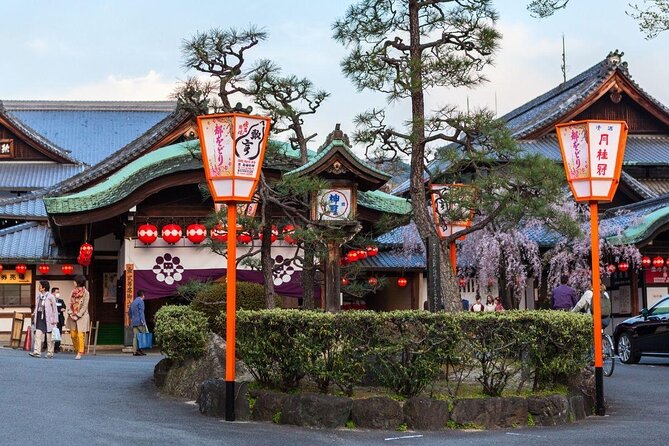
- Small outing size (up to 9 on an outing) means less crowd pressure and more time to ask questions
- English-speaking guide with real stories about customs and sights, not just dates and facts
- Two hours in Gion first, when the lanterns and side streets are at their best
- Hanamikoji Street + Yasaka Shrine are timed for a quick, focused look at key cultural spaces
- Snack and water are included depending on tour type, so check what option you booked
- End at Sanjō Ōhashi Bridge, not Kyoto Station, so plan your next step accordingly
Why Gion at night feels like Kyoto’s real stage
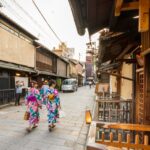
Daytime Gion is pretty. Nighttime Gion is the point. The streets glow with paper lanterns, storefronts and teahouse rows soften into warm light, and the whole district feels calmer. That’s when you start understanding why people travel to Kyoto specifically for this place—wood, paper, stone, and quiet rituals all fit together better after sunset.
This tour leans into that timing. The first long stop gives you time to walk without rushing every 30 seconds. The guide’s job is to point out what you’d miss on your own: where the district’s traditions show up in the street layout, how the area’s history connects to what you see now, and what to notice as you move from one street to the next.
You can also read our reviews of more walking tours in Kyoto

What $18 buys: small groups and a smart walking pace
For about 3 hours total and $18 per person, the value is the structure. You’re not paying for a pricey ticketed attraction. You’re paying for orientation, context, and the ability to walk Gion in a way that actually makes sense.
Here’s what matters for your experience:
- Group size: the outing format is capped at 9 people, which many people find much easier than the big bus-tour vibe. A smaller group also means your guide can adjust the pace when someone is slower or has questions.
- Tour limits: the operator lists a maximum of 25 travelers for the activity, so you might still see other groups nearby. The good news is that your own group should feel controlled.
- Pace: it’s a walk. One review call-out was that it can feel long for little legs, and another noted limited breaks. If you’re traveling with kids, the route is doable, but you’ll want a snack plan and comfortable shoes.
If you want a night “taste” of Gion without spending hours researching backstreets, this is a straightforward way to do it.
Price and Logistics: where you start and where you actually end
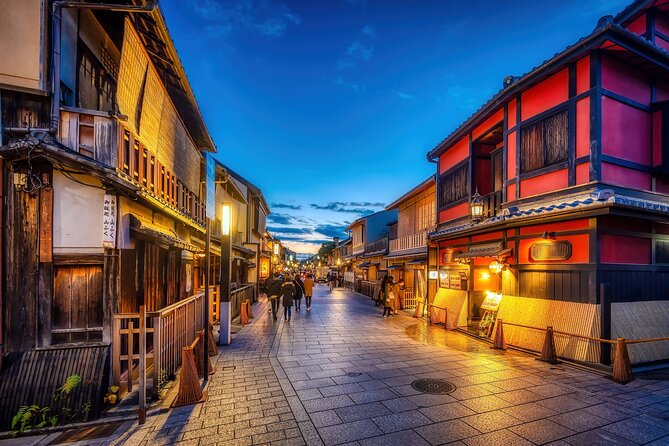
The tour starts at Kyoto Kawaramachi Garden, near Kawaramachi/Shinchō (Shimogyo Ward). It ends at Sanjō Ōhashi Bridge in Nakagyo Ward.
That end point detail is more important than it sounds. One person specifically noted the ending did not match expectations about ending at Kyoto Station. So don’t build your whole plan around a Kyoto Station finish. Instead, treat this as a “Gion night circuit” that drops you closer to the river area—then you can connect from there however you like.
Also, the meeting area can be busy. If you’re early, you’ll spot guides and other groups. Arrive a few minutes ahead, confirm the exact meeting spot on Google Maps, and give yourself buffer time.
Two hours in Gion: lantern alleys, teahouses, and offbeat corners
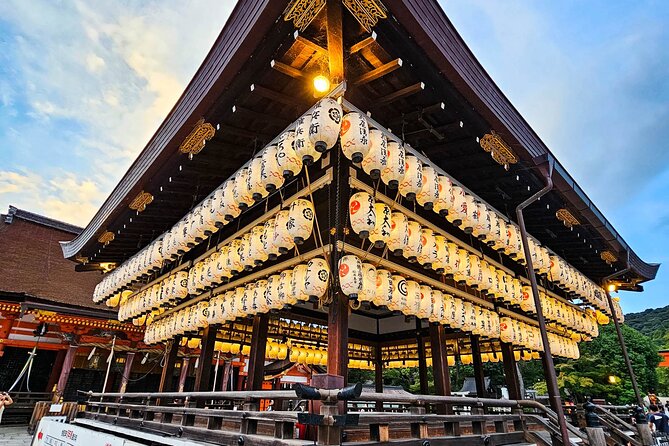
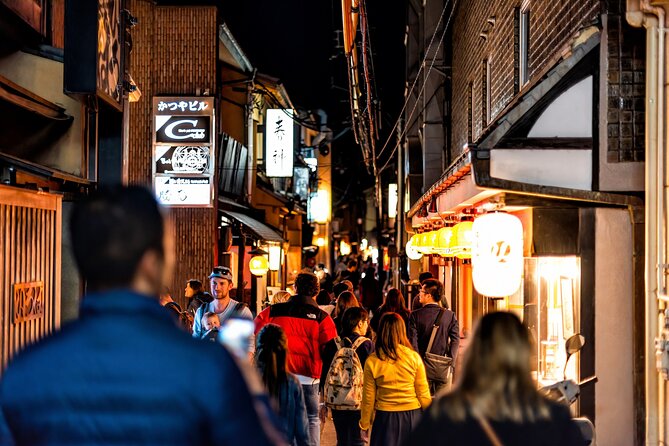
The heart of this experience is the first stop: Gion, with about 2 hours to roam. This is where the lighting does its job. Lanterns and street lamps turn narrow lanes into something you can actually photograph without feeling like you’re in a rush. You’ll also get guided context as you pass restaurant rows, traditional-looking streetscapes, and shrine-temple neighborhood cues.
What you can expect from the guide’s approach:
- You’ll get cultural and historical explanations tied to what you’re seeing right then.
- The guide helps you read the street. That means you’re not just walking past buildings; you’re learning how people used these streets and what the district is known for.
What to watch for:
- Restaurants may be closed, depending on the night and season. One review mentioned that dining spots were shut during their visit, which made the area feel quieter. That can be a plus if you dislike crowds, but it also means you may not be able to pop into a place for a meal during the walk.
- You might not see a geisha or maiko, even if you’re there at the right time. The tour description says you may spot one if you’re lucky, but it’s not a guarantee. Treat the possibility as a bonus, not a checklist.
Hanamikoji Street in 30 minutes: the most preserved part of the story
After settling in during Gion’s first stretch, you move to Hanamikoji Street for about 30 minutes. This is the famous corridor people associate with traditional Kyoto nightlife, and it’s one of the easiest places to understand why Gion has such a strong reputation.
In a short block of time, your guide can point out:
- what parts of the street look intentionally preserved,
- how the architecture and street rhythm shape the district’s character,
- and what to look for as you walk along.
This is also a good spot for photos—just remember the vibe is still residential and working-area nearby, so be respectful. Keep your pace steady and let the crowd flow.
You can also read our reviews of more guided tours in Kyoto


Yasaka Shrine stop: what you notice when the walk explains it
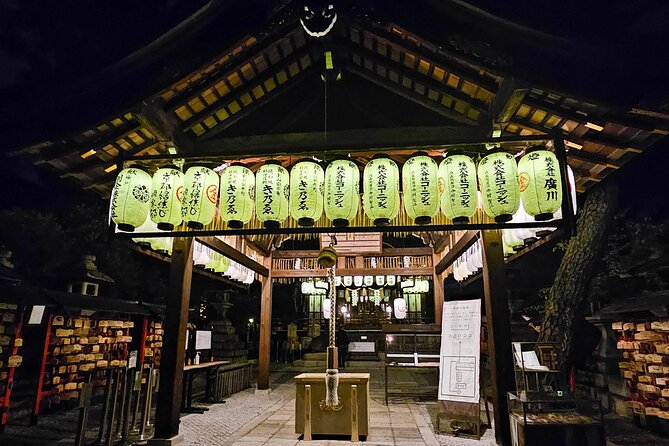
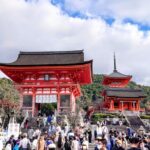
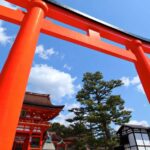
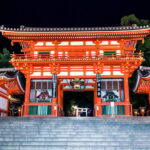
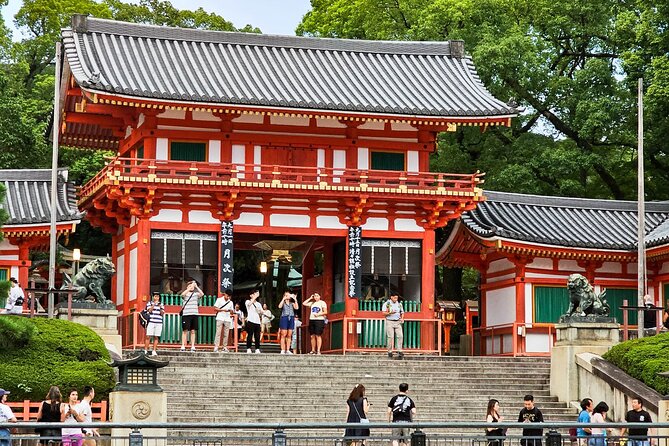
The final major stop is Yasaka Shrine, also described as Gion Shrine, for around 30 minutes. This timing works well because the light has shifted again, and you get a clear sense of where Gion’s story connects to larger Kyoto tradition.
A good guide here doesn’t just point at buildings. They help you notice details you’d otherwise breeze past: how the area’s customs and religious space relate to the neighborhood streets you’ve been walking.
Practical note: one review mentioned the tour felt long with limited breaks, and another flagged that timing can run close to dinner hours. If you tend to get hungry or cold easily, arrive prepared. The itinerary is compact by design, so your comfort matters.
Seeing maiko and geisha without turning it into a chase
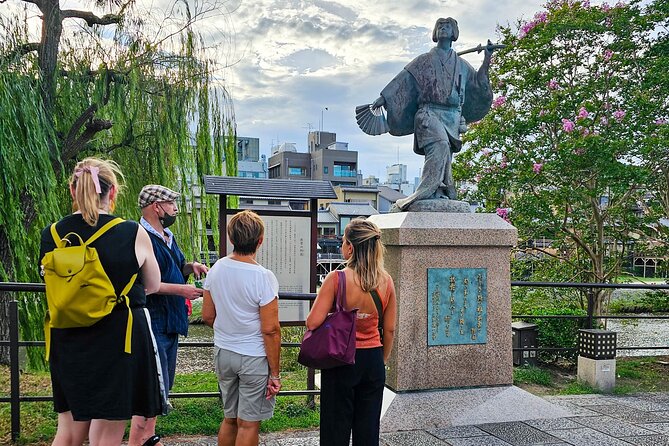
This kind of night walk attracts one big hope: seeing a maiko or geisha. Here’s a realistic way to handle it.
- Don’t treat them like a hunt. Keep walking, stay calm, and let your guide lead your route.
- Focus on learning while you’re there. Even if you don’t spot anyone, you still leave with a much clearer sense of why Gion looks the way it does.
- If you do see someone, be extra polite: slow down, keep distance, and avoid sudden phone-in-the-face behavior.
Several guides named in feedback (like Jasmine, Zied, Shingo, Naoki, Guillaume, Eloise, and Raphael) are praised for making the tour feel like a conversation rather than a lecture. That matters here, because if you only chase sightings, you miss the real reason Gion at night works.
Comfort tips for Kyoto’s night walking reality
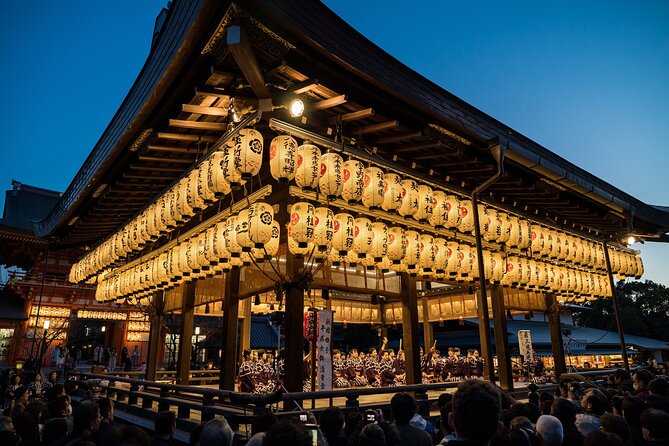
Even with a guided route, you’re still walking for about 3 hours. A few practical steps can make the night feel easy instead of stressful:
- Wear shoes you can walk in for a couple hours straight. One review specifically warned it involves lots of street-to-street walking.
- Dress warm. Multiple notes called out cold in winter. Kyoto nights can bite, and you’ll feel it more when the group is moving slowly on back streets.
- Plan your snacks. The tour concept includes snack support for premium/private options. If your booking doesn’t include a snack, bring something small for mid-walk.
- Don’t assume the finish line is Kyoto Station. It’s Sanjō Ōhashi Bridge, and you’ll want to map how you’ll get back or continue.
And if you’re the type who gets turned around easily: one guide was praised for helping someone who missed the meeting point, which suggests the team can be patient if you communicate quickly. Still, best move is to arrive early and double-check your meeting spot.
How the guide changes the whole experience
This tour lives or dies on the guide. And the feedback patterns are consistent: guides like Zied (helpful even when traveling with an elderly mother), Shingo (Japanese with very good English), Nobu Miyaki (clear, friendly guidance), Guillaume (tour that feels like having a Kyoto friend), and Naoki (insightful and thoughtful night pacing) come up repeatedly with strong praise.
What that usually translates to for you:
- You get explanations tied to what you’re actually seeing.
- Your questions get answered without rushing you.
- You may get small side stops. For example, one account mentioned a detour to something called a magic rock. That kind of extra moment isn’t guaranteed, but it’s a good reminder that the best guides add small, memorable context.
Should you book the Kyoto Gion Night Walk & Geisha District Tour?
Book it if you want:
- a small-group night walk,
- English guidance that helps you read Gion instead of just walking through it,
- and an efficient route through Gion → Hanamikoji Street → Yasaka Shrine in about 3 hours.
Skip or rethink it if:
- you’re sensitive to long stretches of walking with few breaks,
- you strongly need a guaranteed cultural stop like an indoor teahouse visit (the tour is primarily a street-and-sight walk),
- or you’re planning a tight connection right after the tour, since you’ll finish at Sanjō Ōhashi Bridge, not Kyoto Station.
If you’re excited by lantern-lit streets and you like learning while you walk, this is a solid way to start (or deepen) your Kyoto stay without wasting hours trying to figure out where to go at night.
FAQ
How long is the Kyoto Gion Night Walk tour?
The tour runs for about 3 hours.
How big are the groups for this night walk?
It’s designed to avoid crowded tours, with no more than 9 people per outing. The activity lists a maximum of 25 travelers.
Where do I meet and where does the tour end?
You start at Kyoto Kawaramachi Garden (Kyoto Kawaramachi Garden, 68 Shinchō, Shimogyo Ward). You end at Sanjō Ōhashi Bridge (Ohashicho, Nakagyo Ward).
What stops are included?
The walk includes Gion, Hanamikoji Street, and Yasaka Shrine (Gion Shrine), with time allocated to each stop.
What’s included in the price?
You get an English-speaking tour guide and a walking tour. A snack is listed as included only for Premium Group and Private Tour options. Admission tickets for Hanamikoji Street and Yasaka Shrine are included, while the Gion stop is listed as free.
What happens if weather is poor?
This experience requires good weather. If it’s canceled due to poor weather, you’ll be offered a different date or a full refund.