REVIEW · KYOTO
Japanese Sake Breweries Tour in Kyoto Fushimi
Book on GetYourGuide →Operated by 888TOURS · Bookable on GetYourGuide
Kyoto’s sake streets can taste like a time machine. This Fushimi tour takes you from Edo-era brewing culture to today’s pours, with a local guide who talks you through what you’re smelling and tasting. I love how the stops are built around real breweries instead of souvenir shops, and I also like that you get multiple tasting moments so you can compare styles side by side. One thing to consider: the experience can feel guide-dependent, so if you want heavy technical explanations, ask questions early and keep the pace in mind.
You’ll start in Fushimi’s historic brewing area and walk your way through museums, tasting rooms, and brewery sites tied to long production traditions. I also like that the tour doesn’t just hand you a cup—it connects the dots between breweries, rice, fermentation, and the neighborhood layout. The main drawback is simple: you’re on your feet for a short stroll between stops, and the tour doesn’t include optional add-ons like the boat ride fee—so check what you’ll want to do in advance.
In This Review
- Key Moments That Make This Tour Worth Your Time
- Entering Fushimi: Where Kyoto’s Sake Culture Has a Real Address
- Meeting Point Game Plan at Nakashojima Station (Find the 888 Sign)
- Stop 1: Gekkeikan Ōkura Sake Museum and the First Big Context
- Stop 2: Kizakura Kappa Country and the Kyoto Beer Glass
- Stop 3: Fushimi Saka Gura Kouji and the District-Walk Energy
- Stop 4: Fushimi Yume Hyakushu Cafe and the Former Gekkeikan Office Story
- Stop 5: Ginjo Shubo Aburacho and Your Finish With a Guided Flight
- Included Perks: What You Actually Get for the $80
- What the Guide Factor Changes (Musaki, aka Bob, Is a Big Example)
- Alcohol Rules: Under 20 Participation and What You Should Expect
- Is the Boat Ride Worth Budgeting for?
- Who Should Book This Kyoto Fushimi Sake Tour
- Should You Book It? My Practical Decision Guide
- FAQ
- How long is the Japanese Sake Breweries Tour in Kyoto Fushimi?
- Where do we meet for the tour?
- What tastings and food are included?
- Is the boat ride included?
- Can people under 20 join the tour?
- What languages is the live guide available in, and can I cancel?
Key Moments That Make This Tour Worth Your Time
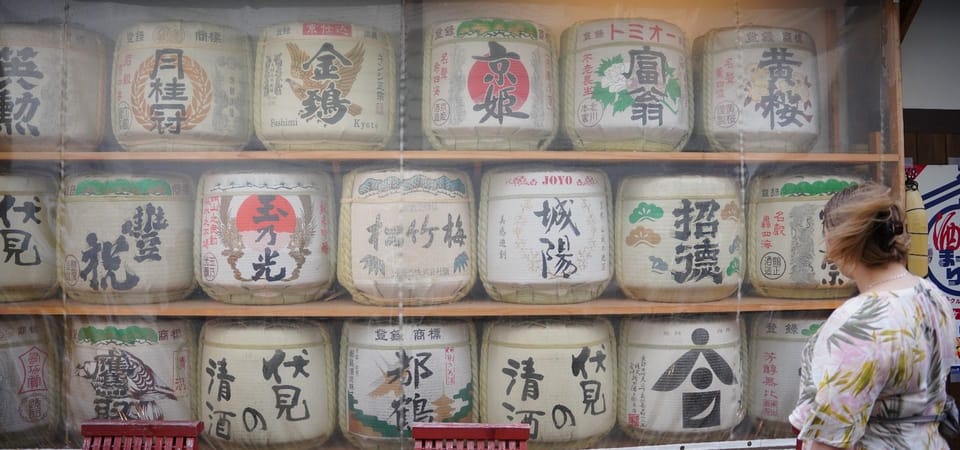
- Gekkeikan’s 1637 story: see how one major brewery ties into Fushimi’s long production legacy
- Multiple tastings in one route: compare styles across different venues instead of doing just one quick flight
- Fushimi Sake Brewery Alley setting: walk through the district that earned its reputation through association support
- Kizakura Kappa Country + Kyoto Beer: pair sake learning with a simple local beer glass
- A tasting set focused on ginjo-style: finish with guided pours where you’ll notice differences by aroma and finish
- Optional boat ride (extra): if you want the ride, budget the 1,500 yen dock fee
Entering Fushimi: Where Kyoto’s Sake Culture Has a Real Address
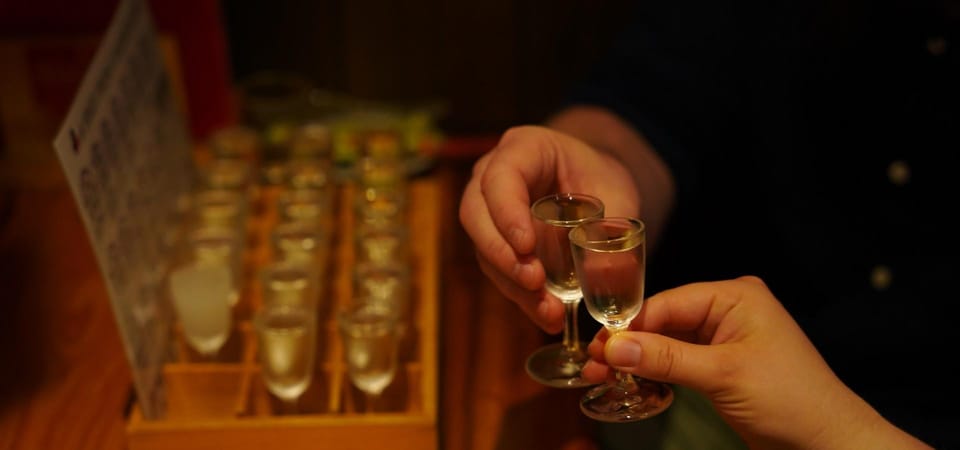
Fushimi is one of those Kyoto neighborhoods where the drink has a geography. You’re not just buying sake; you’re moving through a cluster of breweries and brewing-linked buildings that shaped how the area worked and earned its reputation.
This tour is designed for people who want to understand sake with their senses—taste, smell, and comparison—while still enjoying the walk itself. You’ll also get the background thread that ties Fushimi to Kyoto’s late-Edo and Bakumatsu era feel, plus the way the district functioned as a logistics hub for sake, rice, and people over time.
If you’re a beginner, that’s where the tour shines: it gives you something to look for while you taste. If you’re more experienced, it’s still useful because you’ll get guided structure—where to pay attention and how to describe differences without needing a chemistry degree.
You can also read our reviews of more food & drink experiences in Kyoto

Meeting Point Game Plan at Nakashojima Station (Find the 888 Sign)
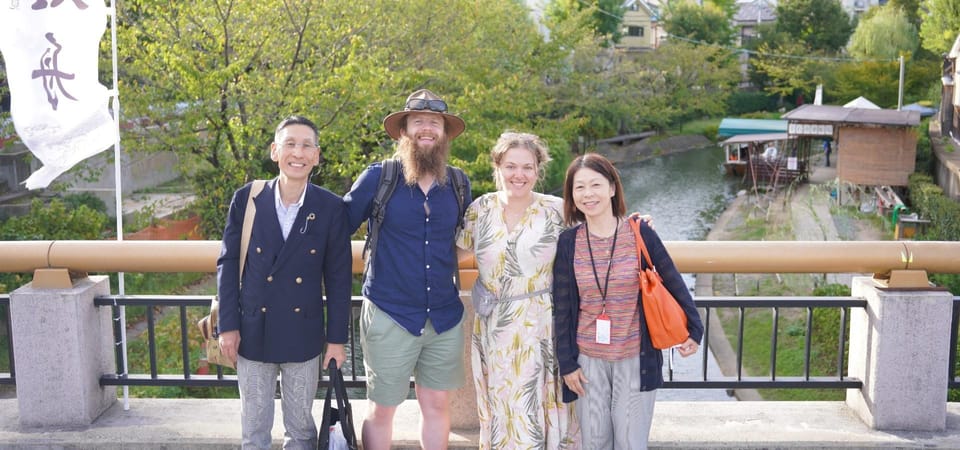
The meeting point is 中書島駅 (Nakashojima Station). Meet just outside the north exit ticket gate near the sake barrel object. Your guide will be holding a sign with 888.
This is the part I’d take seriously. The same station name can cause confusion with JR Sumiyoshi Station, which has a similar naming situation. My advice: arrive a few minutes early, stand where the guide can easily spot you, and don’t assume the sign will be visible from the whole platform area.
Stop 1: Gekkeikan Ōkura Sake Museum and the First Big Context
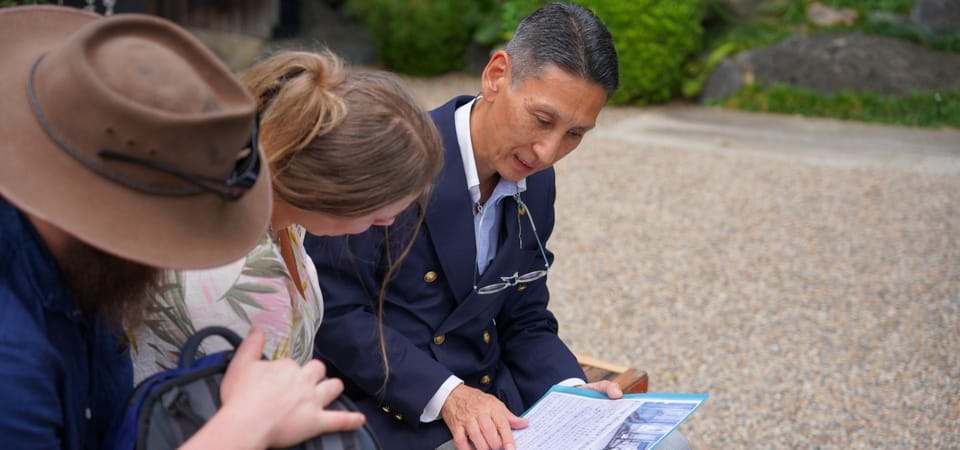
Your first guided visit is the Gekkeikan Ōkura Sake Museum for about 35 minutes. This is where the tour sets the tone: sake isn’t treated like a one-off drink. It’s presented as craft, culture, and business built across generations—especially since Gekkeikan traces its brewing establishment to 1637, which is one of the big anchor facts you’ll hear.
What you’ll get here is context you can actually use during tastings later. The museum visit also comes with a small keepsake in your tour package: a commemorative Gekkeikan sake cup. That matters more than it sounds. Having something in hand makes you slow down and remember which venue you’re tasting from.
Also, you’ll get one of your guided tasting sets tied to Gekkeikan’s side of the story. The goal isn’t just sampling—it’s learning the difference by your tongue. That means you should try to note what you get at first sip (aroma/entry), mid-palate (flavor development), and last impression (finish). Don’t worry about being “right.” Your own comparison is the point.
Stop 2: Kizakura Kappa Country and the Kyoto Beer Glass
Next up is Kizakura Kappa Country, a shorter stop (about 5 minutes) but with an important purpose: it connects the neighborhood to a story of local production beyond sake alone.
You’ll get a guided look at how the area fits into Fushimi’s broader beverage identity, including a mention of Kizakura’s connection to early local beer. It’s a quick hit, but it helps you remember that sake culture didn’t exist in a vacuum—people ate, drank, traded, and built tastes together.
This stop also includes one glass of Kyoto Beer. I like this combo because it gives your brain a reset. After learning how sake behaves, the beer gives you contrast: different fermentation character, different feel in the mouth, and a different kind of refreshment. It makes the next tastings easier to separate.
Stop 3: Fushimi Saka Gura Kouji and the District-Walk Energy
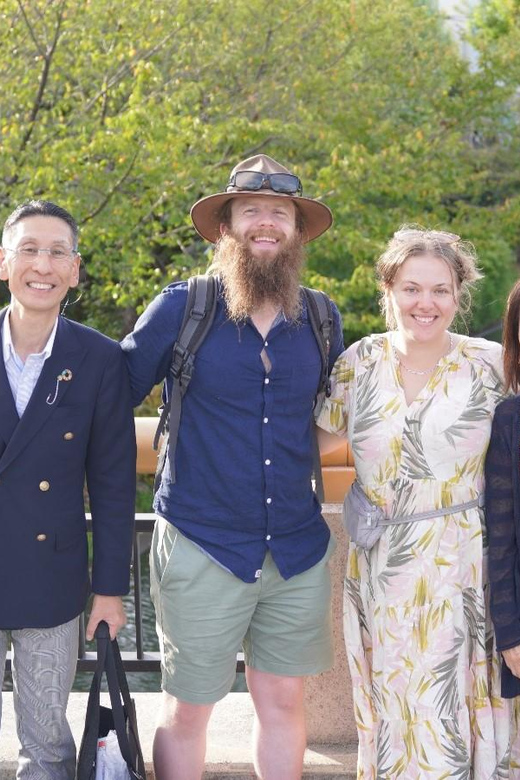
Then you transition into the Fushimi Saka Gura Kouji area for about 25 minutes of guided time, with a short walk between points.
This is where you’ll feel the “district” part of the tour. The neighborhood includes an alley-like sake-brewing zone supported by an association—17 breweries are mentioned as part of the support behind the Fushimi Sake Brewery Alley concept. Even if you’re not memorizing names, that association idea helps explain why Fushimi became known as a top sake region: it wasn’t one lone brewery; it was a whole community of producers and related businesses working in close proximity.
During this segment, I’d pay attention to the physical layout. Fushimi’s brewing identity is tied to what you can see around you—buildings, street rhythm, and how the brewing businesses cluster. You’ll also hear about the “centuries-old secrets” approach, which in plain terms means: the tour tries to give you practical understanding of what makes sake taste the way it does.
You can also read our reviews of more drinking tours in Kyoto

Stop 4: Fushimi Yume Hyakushu Cafe and the Former Gekkeikan Office Story
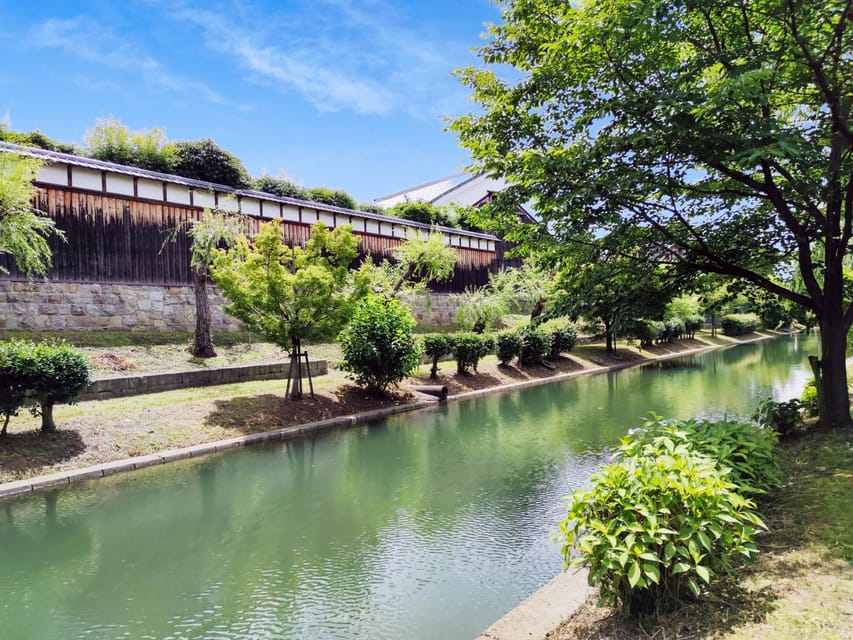
Your next stop is Fushimi Yume Hyakushu Cafe for about 35 minutes of guided time.
This is one of the stops where the details matter. The tour description connects this location to the former head office of Gekkeikan, built in the Taisho period. That’s a specific clue: you’re not just tasting in a random cafe. You’re sitting in a building tied to how a major producer operated.
Even better, the tour ties the area to transportation history. From the Edo period to the end of the Meiji era, a ship is mentioned as being active as a logistics hub connecting Fushimi and Osaka—moving people, sake, rice, and more. If you like historical context that affects real life, this part gives you that. In sake terms, logistics isn’t romance—it’s timing, shipping reliability, and the ability to get rice and goods where they needed to go.
And yes, there’s a tasty inclusion here: sake ice cream. It’s a snack stop, but it’s also a palate tool. Sweet and creamy changes how you perceive aroma in your next sip. If you’re judging sake styles by taste alone, this helps you notice how aroma and sweetness interact.
The tour also mentions a set of 17 kinds of drinks connected to images you see online. Exact structure isn’t spelled out in the package list, but expect that part of your experience centers on tasting variety and comparison.
Stop 5: Ginjo Shubo Aburacho and Your Finish With a Guided Flight
The final tasting venue is Ginjo Shubo Aburacho (ending here), with about 40 minutes of guided time at ABURACYO tasting.
This is the part where I’d slow down the most. The final stop includes a tasting set of three types of Japanese sake from ABURACYO, plus the tour previously includes another set of three types from the Gekkeikan side. Together, those tastings give you the comparison the tour promises: you should be able to notice differences in fragrance, flavor weight, and finish.
If your goal is to understand sake beyond “it tastes good,” ask the guide to help you label what you’re experiencing. Think simple words: light or full, dry or round, fruity or floral, gentle or bold. Then connect that to the kind of sake you’re tasting (ginjo-style is the direction hinted by the Aburacho name and the focus of the last segment).
One practical tip: take a second between sips. Don’t gulp. Let the finish fade, then take a quick breath through the nose. Sake often tells its story more clearly after the first wave passes.
Included Perks: What You Actually Get for the $80
Let’s talk value, because $80 for 3 hours can be either a bargain or a miss depending on what’s included.
Here’s what the tour package covers:
- Admission to the Gekkeikan Ōkura Sake Museum
- A commemorative Gekkeikan sake cup
- One glass of Kyoto Beer at Kizakura
- Sake ice cream at the cafe
- Two tasting sets of sake:
- Three types from ABURACYO
- Three types from Gekkeikan
That’s not just one tasting. It’s multiple tasting moments anchored by guided stops. If you were paying admission and doing tastings separately, you’d likely spend more than you expect, especially because you’re getting structured guidance at each stop.
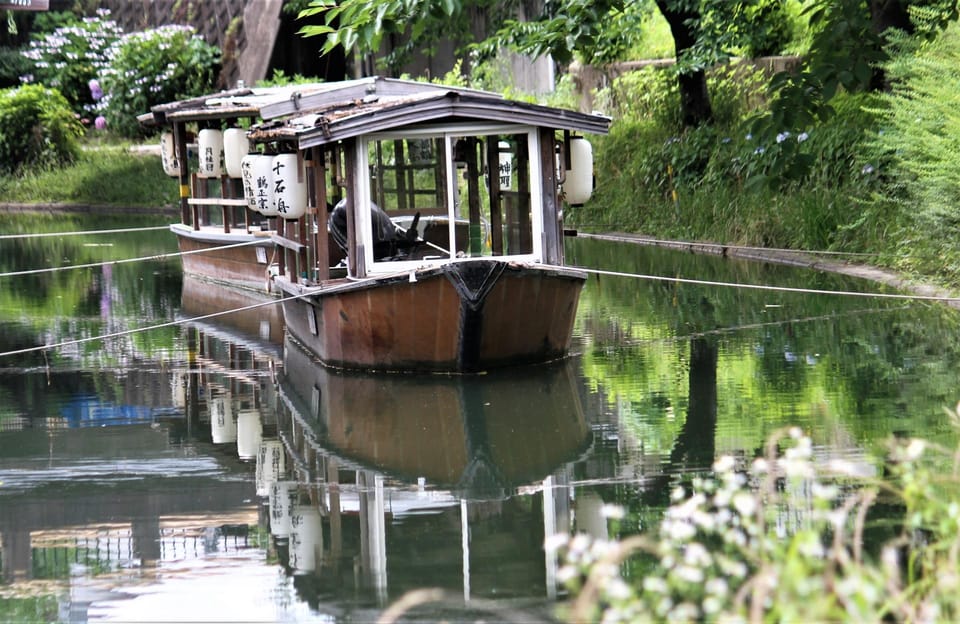
Where value can shift: the tour mentions an optional Jukkokubune boat ride with a 1,500 yen boarding fee, not included. If you want that ride for the full experience, budget it.
Price also depends on group size and guide style. The tour is rated 4.3 from 13 reviews, so most people see the value, but a small number of issues pop up—like meeting confusion or a guide whose delivery wasn’t strong for learning purposes. If you care about learning, you’ll want to ask questions early.
What the Guide Factor Changes (Musaki, aka Bob, Is a Big Example)
The tour is a live guide experience, with English, Chinese, and Japanese.
In the feedback I saw, one guide name came up clearly: Musaki, also called Bob. People appreciated that he knew the brewing subject and was familiar with the area. That matters because sake learning isn’t only about tasting—it’s about connecting your senses to the production story and describing differences in an understandable way.
At the same time, I’d be honest with you: if you want deep flavor breakdowns at every tasting, be proactive. Ask how the sake you’re drinking differs, what to notice on the nose, and what changes with each pour. The tour framework supports that kind of conversation, but how much you get depends on your guide’s energy.
Alcohol Rules: Under 20 Participation and What You Should Expect
This tour allows participants under 20, but drinking alcohol is illegal under Japanese law. The good news: you’re not left out of the fun. The tour notes that non-alcoholic options and juices are available, so younger participants can still participate and enjoy the route.
If you’re traveling with mixed ages, you’ll appreciate that the tour is set up with that reality in mind rather than treating it as an afterthought.
Is the Boat Ride Worth Budgeting for?
The tour info names a Jukkokubune boat ride with a 1,500 yen boarding fee you pay at the dock. It’s not included in the tour price.
So here’s my take: if you like water views and you’re already paying attention to Fushimi’s role as a logistics hub, the boat ride makes thematic sense. But don’t assume it’s automatically part of your experience unless your guide confirms what’s happening on your date. If you want it, plan for the extra cost.
Who Should Book This Kyoto Fushimi Sake Tour
This tour fits best if:
- You want a guided introduction to sake with comparison tastings
- You like historical neighborhoods and short walking routes
- You want a mix of museum + breweries + tasting rooms in 3 hours
- You enjoy pairings like sake ice cream and a Kyoto beer glass
It might not be the best match if:
- You’re expecting a slow, lecture-style class on fermentation chemistry. This is more about guided sensory comparison than a lab report.
- You’re very sensitive to walking between stops. The pacing includes short stretches between venues.
- You’re looking for maximum drink quantity beyond what’s included, since some add-ons like the boat are extra.
Also, the tour isn’t suitable for people over 80. If you’re near that limit, consider asking the provider about alternatives.
Should You Book It? My Practical Decision Guide
I think this tour is a good booking when your goal is learning-by-tasting in a real neighborhood. The big win is that it’s not one stop and done. You get structured context at Gekkeikan, variety through Kizakura and the district, and a guided finish at ABURACYO with a tasting set.
If you go, go ready to ask questions. Use the tastings as your scorecard. By the end, you should be able to tell the difference in flavor character and aroma style, not just decide which one is tastier.
If you want the quietest, most relaxing afternoon possible, it may feel more active than that. But if you like walking, learning in short bursts, and tasting with purpose, this is an easy yes.
FAQ
How long is the Japanese Sake Breweries Tour in Kyoto Fushimi?
The tour lasts about 3 hours.
Where do we meet for the tour?
Meet just outside the north exit ticket gate at 中書島駅 (Nakashojima Station) near the sake barrel object. The guide will have a sign that says 888.
What tastings and food are included?
You get a commemorative Gekkeikan sake cup, admission to the Gekkeikan Ōkura Sake Museum, one glass of Kyoto Beer, sake ice cream, and two sake tasting sets: three types at ABURACYO and three types at the Gekkeikan brewery.
Is the boat ride included?
No. The Jukkokubune boarding fee is 1,500 yen and you pay it at the dock.
Can people under 20 join the tour?
Yes, but drinking alcohol is illegal under Japanese law. The tour provides non-alcoholic options and juices so under-20 participants can still enjoy the experience.
What languages is the live guide available in, and can I cancel?
The live guide is available in English, Chinese, and Japanese. Free cancellation is available up to 24 hours in advance for a full refund, and you can reserve and pay later.