REVIEW · KYOTO
Private Kyoto Custom One Day Tour by Chartered Vehicle
Book on Viator →Operated by Beauty of Japan · Bookable on Viator
Kyoto can be a puzzle of buses and lines. This private one-day charter keeps it simple with hotel pickup plus a choice of guided or driver-only touring. You’ll hit iconic sights like Kinkaku-ji, Sanjusangendo, Fushimi Inari Taisha, and Nijo Castle without the stress of figuring out transit between them.
What I like most is how the day stays comfortable and group-focused. The driver handles the logistics, and guides like Rumiko (nickname Sunshine), Kikuko, Kiku, and Mazda bring the context, including practical English explanations and even restaurant help. The one drawback to plan around: admission fees aren’t included, so you’ll want to budget a bit extra for temple entry.
In This Review
- Key things to know before you book
- Why a chartered vehicle works so well in Kyoto
- Picking your guide style: guided stops with Rumiko, Kiku, Kikuko, or Mazda
- The Golden Pavilion at Kinkaku-ji: what fits into 1 hour
- Sanjusangendo and its 1,001 statues: a 40-minute stop that still lands
- Fushimi Inari Taisha’s torii trail: photos, pacing, and practical expectations
- Nijo Castle and the Tokugawa shogunate: UNESCO highlights without the hassle
- Comfort details that make the day feel organized
- Price and value: is $1,273.75 per group really fair?
- Who this one-day charter is best for
- The quick “day-of reality” checklist
- Should you book this private Kyoto one-day tour?
- FAQ
- FAQ
- What time does the tour start?
- How long is the private Kyoto one-day tour?
- Is a local guide included?
- Are admission fees to temples included?
- What group size is this tour priced for?
- What happens if weather is bad?
Key things to know before you book
- Private vehicle charter for your group: Transport by a private van or bus, with only your group participating.
- Guide option when you want more meaning: Choose a local guide, or keep it flexible with just a driver.
- An efficient 8-hour highlight circuit: Kinkaku-ji (1 hour), Sanjusangendo (40 minutes), and Nijo Castle (1 hour) anchor the day.
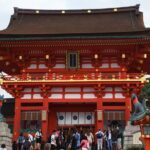
- Fushimi Inari Taisha is the photo stop: Thousands of vermilion torii gates make it a must-do, even if crowds can happen.
- Real-world pacing from the guide: People praised guides for handling tight routes and keeping you moving.
- Weather matters in Kyoto: If it’s canceled due to poor weather, you’ll get another date or a full refund.
Why a chartered vehicle works so well in Kyoto
Kyoto rewards slow travel, but most itineraries are short and your legs are not magic. A private vehicle changes the game because it removes the middle stuff: waiting, transfers, and route confusion. For a one-day plan, that time savings is huge.
This tour runs about 8 hours starting at 9:00 am, with hotel pickup and drop-off included. That means you’re not burning your morning hunting down a train line or standing in the wrong station exit while your group gets grumpy.
I also like that it’s set up as a true private experience. You’re not getting folded into a larger group tour shuffle. Your day stays centered on your timing and your group size, and the operator offers different vehicle types (van or bus) based on how many people you have.
You can also read our reviews of more private tours in Kyoto

Picking your guide style: guided stops with Rumiko, Kiku, Kikuko, or Mazda
One clean advantage here is choice. You can select a guided experience or go with a driver-only setup. Either way, you still get the private transport and pickup/drop-off structure.
When you choose a local guide, the names that came through in feedback were impressive. Rumiko, nicknamed Sunshine, earned standout praise for being warm, welcoming, and very knowledgeable in English. Guides Kikuko and Kiku also received high marks, and Mazda was mentioned as an awesome guide alongside a separate driver setup.
This matters because Kyoto highlights can feel like a blur if you only see buildings and not the stories behind them. A good guide can also help you make sense of what you’re looking at—like how the golden pavilion is organized, why Sanjusangendo is famous, or what makes Nijo Castle significant. In one review-style experience, the guide even helped with restaurant choices and explained Japanese menu items, which is a small thing that makes the day feel smoother.
If you’re traveling with kids, or you just want your group to move at a pace that feels doable, driver-only can be the better call. You’ll still see the big sites, but you’ll have less structure around narration and timing.
The Golden Pavilion at Kinkaku-ji: what fits into 1 hour
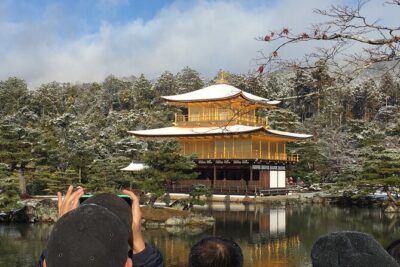
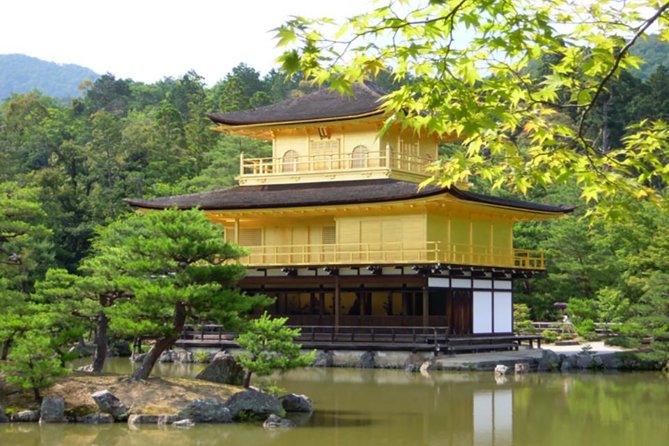
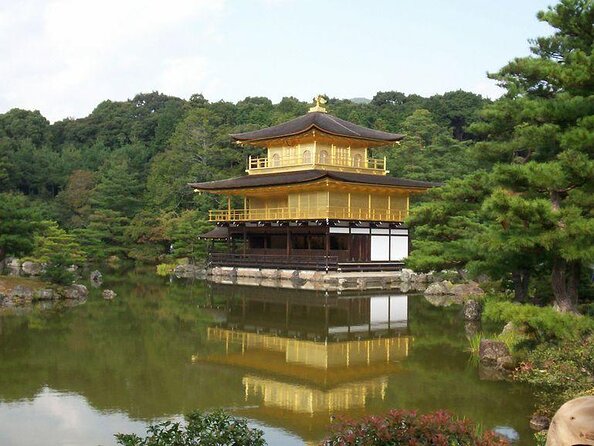
Kinkaku-ji is the “Temple of the Golden Pavilion,” and it’s one of those Kyoto landmarks that looks instantly recognizable even if you’ve only seen photos. It’s a three-story building where the top two stories are covered with pure gold leaf, giving it that signature shimmer.
The stop here is about 1 hour, and admission tickets are not included. That timing is useful because it keeps you from overscheduling: you get enough time to see the pavilion area and regroup as a group without turning it into a half-day ordeal.
A practical note: if you’re the type who likes to linger for photos, plan to do that strategically. With only an hour, you’ll want your group aligned on where you’re meeting afterward. If your group separates for pictures, set a clear meeting point early so nobody has to sprint around the grounds at the end.
Sanjusangendo and its 1,001 statues: a 40-minute stop that still lands

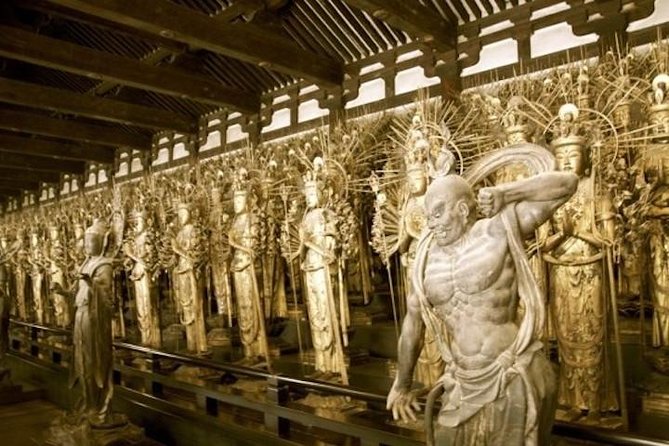
Sanjusangendo is famous for a long main hall and for 1,001 life-sized wooden statues. The temple was founded in 1164, linked with Taira no Kiyomori, and that ancient origin helps explain why the place feels so ceremonial and focused.
You’ll have about 40 minutes here, with admission not included. That duration is actually a good match for this particular stop. The experience is intense and visual, but it doesn’t require hours of wandering the way a larger garden-style site can.
What you can do in this time window is simple: walk in, look at the hall layout, take your photos, then do one deliberate scan of the statues rather than trying to see everything from every angle. You’ll leave feeling like you understood the point of the place, not just that you spent time inside.
Fushimi Inari Taisha’s torii trail: photos, pacing, and practical expectations

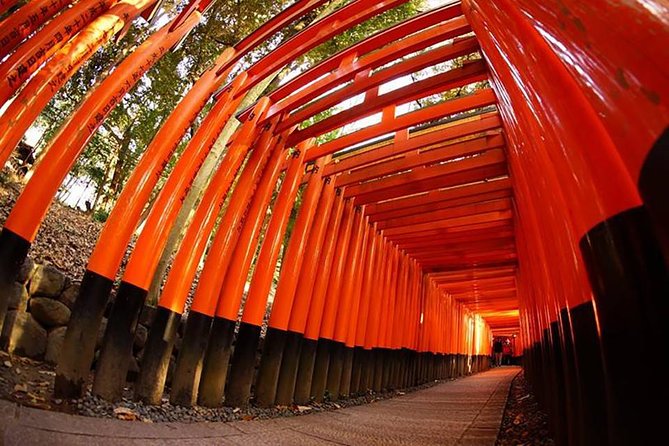
If Kyoto has a “postcard” you can walk into, it’s Fushimi Inari Taisha. This shrine is known for the thousands of vermilion torii gates lined up behind the main shrine. It’s also the head shrine of the kami Inari, which is one reason it feels so culturally central and not just touristy.
The tour treats it as one of the main stops. You’ll want comfortable shoes and a plan for how far you want to go along the torii-lined path. Since the exact time at this stop isn’t specified in the basic outline, treat it as part of the overall 8-hour flow rather than an isolated adventure.
Here’s the best way to stay happy in a place like this: decide ahead of time what success looks like. For some people, it’s getting a few great shots and walking a reasonable distance. For others, it’s continuing deeper until your legs tell you it’s enough. Either way, keep your group synced and let the driver/tour timing help you avoid turning the day into a rushed scramble.
You can also read our reviews of more tours and experiences in Kyoto




Nijo Castle and the Tokugawa shogunate: UNESCO highlights without the hassle
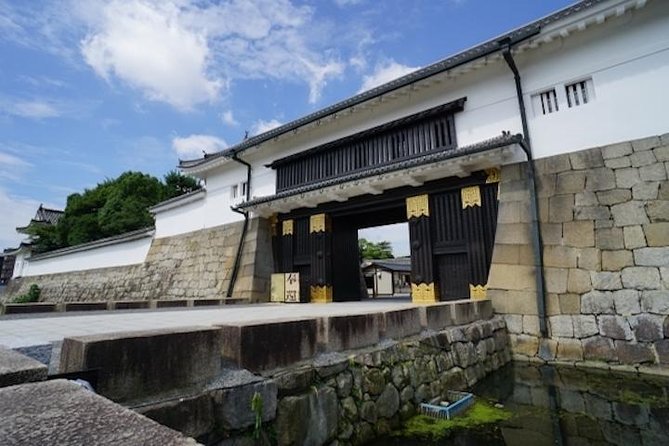
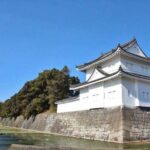
Nijo Castle is a UNESCO World Heritage Site and one of the best contrasts to the temple days on a Kyoto itinerary. Built by the Tokugawa shogunate, it was established as a residence for Tokugawa Ieyasu, the first shogun of the Edo period.
Your stop here is about 1 hour, with admission tickets not included. That’s a solid time block for a castle without turning it into an all-day museum session. You’ll get to experience the scale and the historical purpose without needing to build a full research project in advance.
If you’re the kind of person who likes architectural details, this is where you’ll naturally slow down. If history isn’t your thing, still treat it as a “change of scene” between the religious sites. The castle atmosphere helps you keep the day varied, and that variety is part of the value of a chartered one-day plan.
Comfort details that make the day feel organized
This experience is designed around comfort and handoffs. It includes hotel pickup and drop-off and pickup/drop-off from designated meeting points. You’re also given a mobile ticket, which tends to simplify day-of check-in.
The transport is by private vehicle, and only your group participates. That private setup also helps with timing. Instead of a group losing time because someone got lost on public transit, you’re working from a single pickup framework.
In guided mode, the structure can be split: one review-style experience described a guide accompanying you through the sights while a separate driver handled drop-off and pick-up. That setup can be ideal because it keeps your group supported on foot, while still letting the driver manage traffic and route efficiency.
Speaking of traffic, at least one driver (Mr. Suzuki) was praised for offering suggestions when traffic might trap you. That kind of real-time judgment is exactly what you’re paying for when you choose a private charter instead of DIY.
Price and value: is $1,273.75 per group really fair?

The price is listed as $1,273.75 per group (up to 5) for an approximately 8-hour day. Yes, it’s premium. But value in Kyoto is often about what you buy with your time: fewer transfers, fewer logistics headaches, and more time spent at the actual sights.
Here’s how I think about it. If you’re traveling as a group of four or five, you’re likely spreading the cost across people who would otherwise need multiple tickets, taxis, or a patchwork plan. That’s not the same as paying for private service for just one person, where the price can feel harder to justify.
The fact that this is often booked about 47 days in advance is a useful clue: it’s a popular “time-saving” style itinerary, and availability matters. If your dates are fixed, booking earlier helps lock in the vehicle and the day plan.
Also remember what’s included and what isn’t. Admission fees are separate, and food and drinks are not included. So the total cost of your day will be the charter plus whatever tickets you need for Kinkaku-ji, Sanjusangendo, Fushimi Inari Taisha, and Nijo Castle. That’s normal, but it’s the kind of detail that keeps surprises away.
Who this one-day charter is best for
This kind of tour is built for people who want top Kyoto highlights in a single day without playing transport roulette.
It tends to be a strong match if:
- You have a group size that benefits from a van or bus and you want to keep everyone together
- You want to see major UNESCO and iconic shrines without losing time to transfers
- You care about having an English-speaking guide option, with support for things like restaurant suggestions
It can also work well for families. One feedback-style note specifically said it was great for a group including young kids, mainly because the charter approach made the day doable.
On the other hand, if you want long, free-form wandering and deep stops—like half-day temple grounds or long scenic hikes—this schedule may feel tight. Kyoto rewards patience, and an 8-hour highlight loop can only do so much.
The quick “day-of reality” checklist
To get the most out of the charter, keep these in mind:
- Plan for admission tickets at multiple stops.
- Wear shoes you can walk in for shrine and temple grounds.
- Make a group plan for Fushimi Inari Taisha: how far you’ll go and where you’ll regroup.
- If you choose a guide, use them as your advantage for timing and context.
And because the tour notes that it requires good weather, keep your day flexible in attitude. If the weather turns and the operator cancels, you’ll be offered another date or a full refund.
Should you book this private Kyoto one-day tour?
If your goal is a low-stress day that covers Kyoto’s headline sights—Kinkaku-ji, Sanjusangendo, Fushimi Inari Taisha, and Nijo Castle—this charter is a very sensible way to do it. The strongest reasons to book are the private pickup/drop-off, the efficient routing, and the real value of having guides like Rumiko, Kikuko, Kiku, or Mazda supporting your English understanding.
I’d only hesitate if you’re the type who wants to explore slowly and independently for many hours at one place. In that case, a day built around a fixed circuit might feel like you’re moving faster than your interests.
FAQ
FAQ
What time does the tour start?
The start time is 9:00 am.
How long is the private Kyoto one-day tour?
It runs for about 8 hours (approx.).
Is a local guide included?
A driver is included. A local guide is included only if you select the guided option.
Are admission fees to temples included?
No. Admission fees are not included, including for the guide if the guided option is selected.
What group size is this tour priced for?
The price is per group for up to 5 people.
What happens if weather is bad?
This experience requires good weather. If it’s canceled due to poor weather, you’ll be offered a different date or a full refund.