REVIEW · KYOTO
Kyoto 4hr Private Tour with Government-Licensed Guide
Book on Viator →Operated by Japan Guide Agency · Bookable on Viator
Kyoto can feel like a puzzle. This 4-hour private tour turns it into a clear route with a nationally licensed English guide, and I like that you can build your own set of 2–3 stops instead of getting stuck on a preset bus loop. You also get front-door style pickup help and guidance on public transport or taxis, which matters when streets get confusing fast. One thing to weigh: it is a walking tour, so comfy shoes and a bit of patience with crowds and hills really help.
What makes the experience click is how practical the guidance feels once you are in motion. Guides such as Yuri, Tomy, Mizu, and Yuka (from recent tours) focused on getting people oriented quickly, translating what you see, and adjusting pace when the day got hot or crowded.
In This Review
- Key things to know before you go
- Why a government-licensed Kyoto guide makes a 4-hour day work
- Price and logistics: what $109.43 covers (and what you pay extra for)
- How to pick the right 2–3 sites for your Kyoto mood
- East Kyoto first: shrines, streets, and classic views
- Castles, imperial Kyoto, and a historical backbone
- Zen temples and quiet corners
- From torii gates to bamboo groves: what each stop feels like
- Fushimi Inari-taisha Shrine (Stop 1)
- Nijo Castle (Stop 2)
- Gion (Stop 3)
- Nishiki Market Shopping District (Stop 4)
- Kiyomizu-dera Temple (Stop 5)
- Kyoto Imperial Palace (Stop 6)
- Pontocho (Stop 7)
- Higashiyama Ward (Stop 8)
- Ginkakuji (Silver Pavilion) (Stop 9)
- Nanzenji Suirokaku (Stop 10)
- Tofuku-ji (Stop 11)
- Toji (Stop 12)
- Kinkakuji (Golden Pavilion) (Stop 13)
- Ninna-ji (Stop 14)
- Shugakuin Imperial Villa (Stop 15)
- Kibune River (Stop 16)
- Kurama-dera (Stop 17)
- Ryoan-ji (Stop 18)
- Arashiyama (Stop 19)
- Katsura Imperial Villa (Stop 20)
- Daikaku-ji (Stop 21)
- Tenryu-ji (Stop 22)
- Yoshimine-dera (Stop 23)
- Togetsukyo Bridge (Stop 24)
- Bamboo grove walking paths (Stop 25)
- Okochi Sanso Garden (Stop 26)
- Jojakkoji (Stop 27)
- Nisonin (Stop 28)
- Gioji (Stop 29)
- Adashino Nenbutsu-ji (Stop 30)
- Otagi Nenbutsu-ji (Stop 31)
- Katsura Imperial Villa (Stop 32)
- Shugakuin Imperial Villa (Stop 33)
- Kennin-ji (Stop 34)
- Byodoin Temple (Phoenix Hall) in Uji (Stop: Byodoin Temple)
- The walking-and-transit reality: what to expect and how to plan
- What the best guides do: tailoring, pace, and practical tips that matter
- Who this private tour suits best
- Should you book this Kyoto 4-hour private tour?
- FAQ
- How long is the Kyoto private tour?
- Is this a private tour?
- What does the tour include?
- Are hotel pickups included?
- Do I need to pay entrance fees?
- Is transportation included?
- Is the cancellation policy flexible?
Key things to know before you go
- Nationally licensed English guide who can explain what you are actually seeing (not just recite dates).
- Pick 2–3 sites from a long Kyoto menu, so your time matches your interests.
- Meet near your hotel on foot, plus optional upgrades like a private vehicle if you want less walking.
- Public transit or taxi routing, which keeps you closer to the action and not trapped in traffic.
- Walking-focused schedule that works best with realistic expectations and good footwear.
Why a government-licensed Kyoto guide makes a 4-hour day work
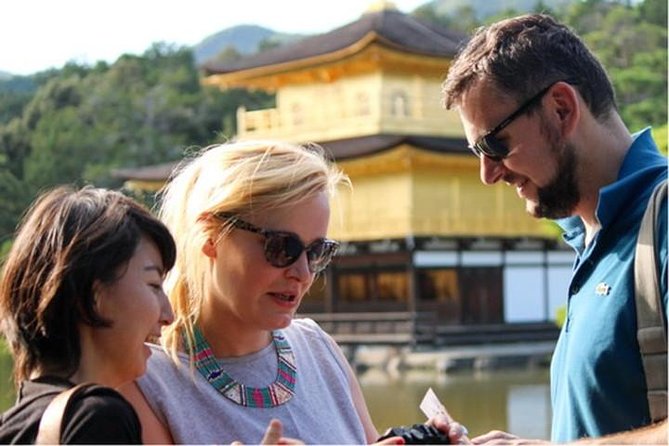
Kyoto rewards you for slowing down, but time usually forces the opposite. A private guide in 4 hours is a smart compromise: you still get the atmosphere, yet you do not waste half the day figuring out which gate to enter or what matters in each building.
I especially like that the guide is licensed and speaks English well enough to connect the dots—religion, history, and daily life around the sites. On tours led by people like Hiro-san and Nabet, the focus stayed on what those places meant, then on how to move between them without burning time.
You can also read our reviews of more guided tours in Kyoto
Price and logistics: what $109.43 covers (and what you pay extra for)
At about $109.43 per person for roughly four hours, you are paying for private time with a licensed guide plus help tailoring your route. That price makes sense if you would otherwise end up doing a self-guided day that still requires taxis, missed entrances, or long stops in the wrong place.
What is not included is also important. Entrance fees, transportation costs between stops, lunch, and personal expenses are on you. And while a private vehicle upgrade exists, it is not part of the base price—so the standard plan leans on walking plus public transport or taxis.
How to pick the right 2–3 sites for your Kyoto mood
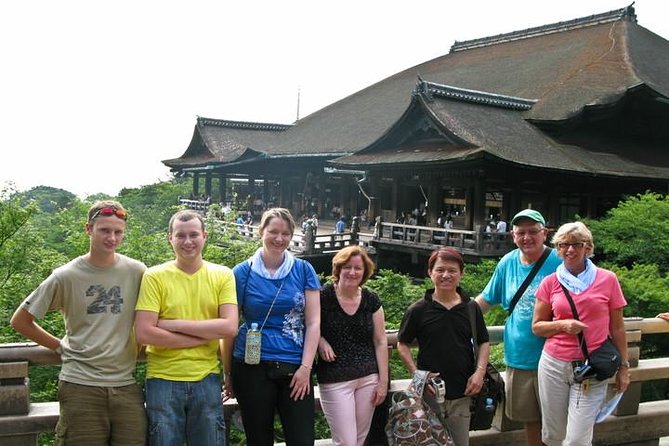
The biggest advantage here is not the length. It is the fact that you choose only 2–3 places, which keeps your energy intact. If you try to force five big sites into four hours on your own, you end up sprinting and missing the best parts.
Here are three ways I’d think about choosing your stops:
East Kyoto first: shrines, streets, and classic views
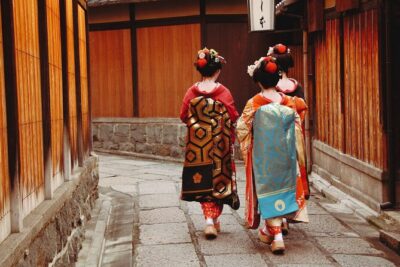
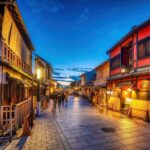
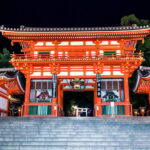
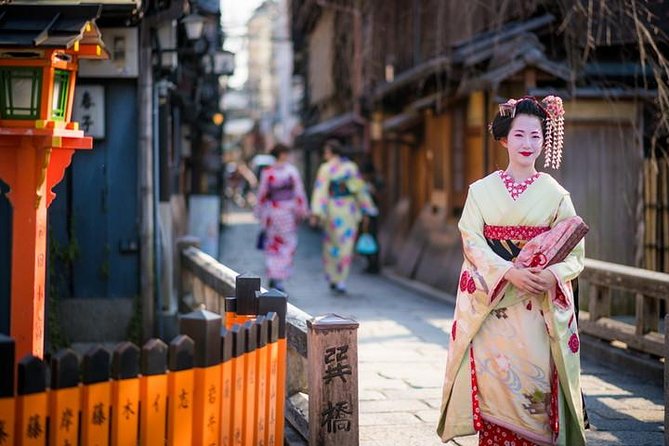
This is the route that feels most like Kyoto from a first visit. You can pair Fushimi Inari-taisha Shrine (for the red torii path and the stories behind it) with Gion (for the Geisha district atmosphere), then add a market or temple for variety like Nishiki Market or Kiyomizu-dera.
Castles, imperial Kyoto, and a historical backbone
If you want more structure and timeline, match Nijo Castle with Kyoto Imperial Palace, then use Nishiki Market or Pontocho as your food-and-street intermission.
You can also read our reviews of more private tours in Kyoto

Zen temples and quiet corners
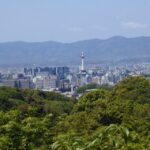
If your priority is temples and gardens, you can select from options like Ginkakuji, Nanzenji, Ryoan-ji, and Tofuku-ji. This is also the style of day where a guide’s explanations can quietly change how you see the place.
From torii gates to bamboo groves: what each stop feels like
You will choose 2–3 from a large menu, so think of this as your shopping list. Below is what each option tends to deliver, plus a practical note on pace or expectations.
Fushimi Inari-taisha Shrine (Stop 1)
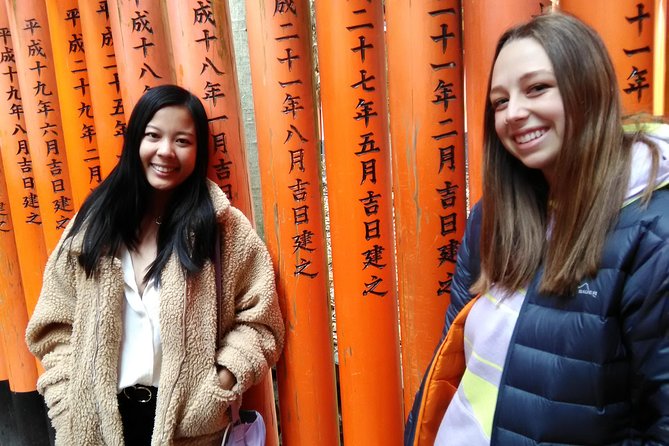
This is Kyoto’s famous torii route, but the guide angle matters because there is more going on than the iconic tunnel view. Expect crowd levels to vary by time of day; earlier is usually easier.
Nijo Castle (Stop 2)
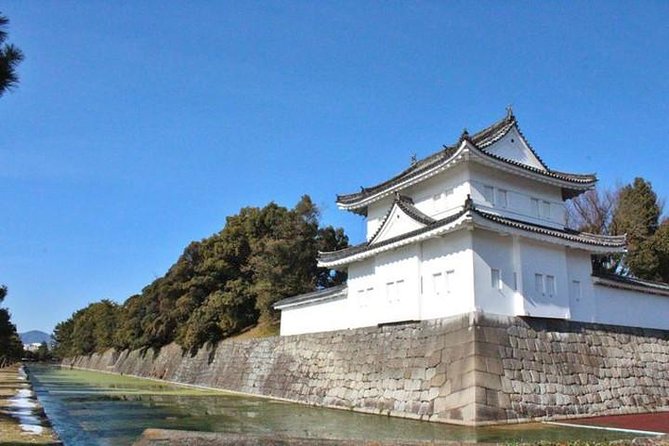
A UNESCO site tied to the Tokugawa era and shogun history. This one is great when you want palace architecture and political context—but it can slow you down if you stop for every detail, so let the guide set the rhythm.
Gion (Stop 3)
Gion is atmospheric, and it can feel confusing to navigate as a first-timer. A guide helps you stay oriented and find the quieter lanes without feeling like you are wandering in circles.
Nishiki Market Shopping District (Stop 4)
Think of it as Kyoto’s food street. It is lively, narrow, and easy to snack your way through, but it is also crowded—plan for standing room and quick choices.
Kiyomizu-dera Temple (Stop 5)
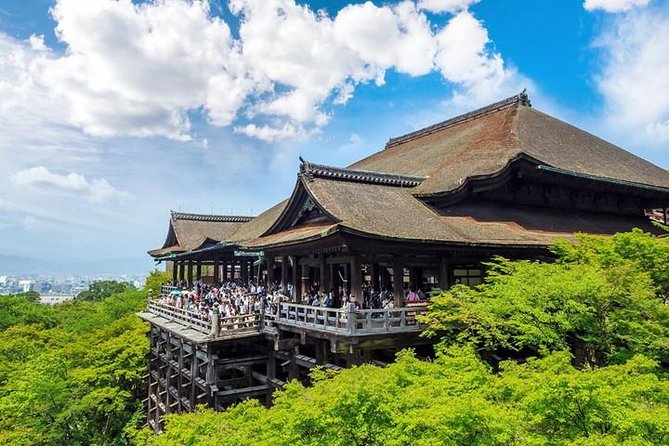
One of Kyoto’s top temples and a favorite for good reason. The guided component is helpful because you can focus your time on what makes it special instead of trying to read everything on the spot.
Kyoto Imperial Palace (Stop 6)
This gives you the sense of how the imperial residence shaped daily life in Kyoto. It is especially good if you like seeing how space and power were organized.
Pontocho (Stop 7)
An atmospheric dining lane along the river area. This stop works well as an evening-style mood change, even if you only walk through rather than eat.
Higashiyama Ward (Stop 8)
A classic old Kyoto feel along the eastern slopes. It is not one single attraction, so the guide helps you decide which streets and angles are worth your limited time.
Ginkakuji (Silver Pavilion) (Stop 9)
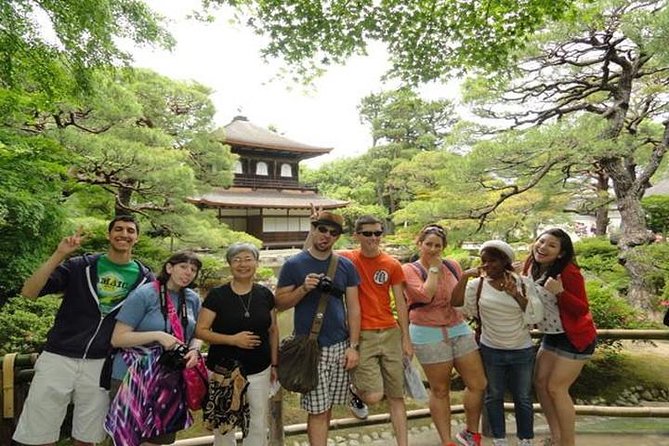
A Zen temple connected to the Ashikaga shogun era. It is a strong choice if you like garden design and calmer walking than the biggest-name crowds.
Nanzenji Suirokaku (Stop 10)
Nanzenji is a major Zen temple area, and Suirokaku adds a dramatic architectural feature. The grounds can be spread out, so you may want your guide to keep you from detouring into time-sink paths.
Tofuku-ji (Stop 11)
A large Zen temple known for dramatic autumn color. Even outside peak season, it is a good choice for temple atmosphere and structure, but timing changes the experience.
Toji (Stop 12)
This temple has serious Heian-era roots tied to the capital’s move to Kyoto. It can pair well with other nearby stops, especially when you want variety without long transit.
Kinkakuji (Golden Pavilion) (Stop 13)
The gold-leaf icon is instantly recognizable, and a guide can help you focus on what you are seeing and why it is arranged that way. It can be very busy, so your guide’s pacing matters.
Ninna-ji (Stop 14)
A World Heritage-listed temple with Shingon connections. It tends to feel more spacious than the most pressured attractions, which is nice for a walking day.
Shugakuin Imperial Villa (Stop 15)
An imperial villa setting with Upper, Middle, and Lower areas. This one leans toward garden-and-space appreciation, so it suits you if you like slow viewing more than constant movement.
Kibune River (Stop 16)
A small mountain-valley area built around Kifune Shrine. It is a great “reset” from heavy crowds, but it is not the same vibe as the center—expect a different pace.
Kurama-dera (Stop 17)
A rural mountain stop known for Kurama-dera and a hot spring connection. It can be a good choice if you want Kyoto beyond the postcard core, but it may take longer to reach than you think.
Ryoan-ji (Stop 18)
The famous rock garden is here, and the guide can help you understand how to look at it without turning it into a puzzle you never solve. This is one of those stops where time management really pays off.
Arashiyama (Stop 19)
Arashiyama is the western Kyoto scene with long-standing popularity. It is touristy, yes, but the scenery and atmosphere are why people keep returning—just pair it with a specific temple or garden for best value.
Katsura Imperial Villa (Stop 20)
A top-tier example of Japanese architecture and garden design. This is ideal if your interests run toward design and layout rather than only famous buildings.
Daikaku-ji (Stop 21)
A large temple tied to Emperor Saga’s detached palace past. It is a good fit for people who want temple history plus a calm setting, as opposed to quick photo stops.
Tenryu-ji (Stop 22)
A major Arashiyama Zen temple and a World Heritage listing. It pairs naturally with other Arashiyama walking, but your guide should help you avoid turning it into a rushed checklist.
Yoshimine-dera (Stop 23)
A Tendai sect temple on the western mountains. It is a nice option when you want something off the main foot-traffic lines.
Togetsukyo Bridge (Stop 24)
The Moon Crossing Bridge is Arashiyama’s recognizable landmark. It is best as a short, visual stop—your guide will likely steer your timing based on crowd flow.
Bamboo grove walking paths (Stop 25)
The bamboo groves can be gorgeous, especially when there is a light wind moving the stalks. If your main goal is the walk, ask your guide to factor that into your schedule so you do not get stuck on the edge of crowds without time to stroll.
Okochi Sanso Garden (Stop 26)
A former villa garden in the Arashiyama bamboo area. This is more garden-focused, so it suits you if you want a scenic, designed space rather than just outdoor walking.
Jojakkoji (Stop 27)
A mountainside temple experience with a quieter, understated atmosphere and seasonal maple/moss notes. It tends to feel calmer, but the hillside paths mean you should be ready for stairs and uneven ground.
Nisonin (Stop 28)
Another hillside temple with slightly larger buildings. If you like walking-temple transitions, this works well as a follow-up to Jojakkoji.
Gioji (Stop 29)
Known for a moss garden framed by maple trees. This is a great choice if your ideal Kyoto day is green textures and slow viewing.
Adashino Nenbutsu-ji (Stop 30)
A temple connected to early 9th-century devotion and rakan stone statues. It is a strong pick if you want a more reflective mood rather than a famous landmark overload.
Otagi Nenbutsu-ji (Stop 31)
Famous for its many stone statues (1200 rakan). It’s a memorable stop, but it takes time to actually look at the different faces, so plan for a steady pace.
Katsura Imperial Villa (Stop 32)
Yes, it appears again in the menu—this is your clue that it is a frequent top choice for architecture and garden lovers. Expect this to be a sit-and-look stop rather than a quick photo dash.
Shugakuin Imperial Villa (Stop 33)
Also repeats in the options. If you like the idea of palace-park structure and layered space, it can fit nicely when you want a calmer tempo.
Kennin-ji (Stop 34)
Close to Hanamikoji/Shijo area, with pleasant grounds and dry landscape garden elements. It is a good “bridge” between the city’s busy streets and quieter temple space.
Byodoin Temple (Phoenix Hall) in Uji (Stop: Byodoin Temple)
This is special because it is known for the Phoenix Hall and is a UNESCO World Heritage site. The catch: it sits in Uji city, so plan for extra travel time within your 4-hour window.
The walking-and-transit reality: what to expect and how to plan
This tour is designed as a walking tour with a meet-up near your hotel area. Some days will feel easier than others depending on which stops you choose—Arashiyama and the hillside temples will usually mean more walking and stairs than central highlights.
Crowds are part of Kyoto’s charm and also part of the math. Places like Fushimi Inari, Kinkakuji, and Nishiki can get busy, so your guide’s timing and route choice are a real value-add.
For comfort, I’d treat this day like a mini-hike. One review even called out a big steps count after starting early at Fushimi Inari—so bring water, eat something light if you need to, and plan to move.
What the best guides do: tailoring, pace, and practical tips that matter
The most praised aspect here is how guides adapt. People like Yuri and Tomy described their days as organized, friendly, and built around the choices you actually want, not just the ones that fit a fixed schedule.
A few concrete examples from recent guides:
- Yuri emphasized practical transit help and tips like grabbing a Suica card ahead of time, bringing yen cash, and hydrating well because Kyoto touring can feel like a marathon.
- Tomy highlighted using public transport to reduce time-wasting and get you from site to site with less stress.
- Ken included flexible extras like a kimono rental stop for a family member and took photos for the group, which can be a nice way to keep memories without turning the day into a camera duty.
- Mizu described using materials to help connect Japanese history and religion to what you were seeing, which is especially helpful when you arrive at a temple and think you are looking at “just a building.”
Also watch for the one thing that separates a good tour from a great one: the guide asks what you want and then adjusts. Multiple guides referenced tailoring in advance or on the spot, including handling shifting energy levels for families.
Who this private tour suits best
This experience is a great match if you want:
- A first-time Kyoto day with top sights explained clearly
- A route that avoids confusion and gets you oriented quickly
- A flexible plan where you can choose the blend of shrines, markets, castles, and temples you care about
- Someone to help you use transit and taxis efficiently between stops
It might be less ideal if you want a full-day sprint with many stops, because the format focuses on 2–3 sites for a reason. It is also not built for a stop-and-sit-only day, since it is primarily walking.
Should you book this Kyoto 4-hour private tour?
Yes, if your goal is a smart first Kyoto day and you care about context—not just photos. The combination of a licensed English guide, a flexible 2–3 stop plan, and practical routing is a strong value, especially when you would otherwise lose time to crowd navigation and transit uncertainty.
Book it with a simple strategy: pick two places close in area, add one contrast stop (food street, riverside alley, or a different temple style), and wear shoes that forgive stairs. If you do that, you will likely leave Kyoto feeling like you understood the city’s logic, not just its landmarks.
FAQ
How long is the Kyoto private tour?
It runs for about 4 hours.
Is this a private tour?
Yes. It is a private tour for only your group.
What does the tour include?
You get a licensed local English-speaking guide, and a customizable tour of 2–3 sites from the available options. You meet the guide on foot within a designated area in Kyoto.
Are hotel pickups included?
Pickup is offered at the front of your hotel, with the guide meeting you on foot within the designated area.
Do I need to pay entrance fees?
Entrance fees are not included. Many of the listed sites note that admission tickets are not included, so you should expect to pay separately where required.
Is transportation included?
Transportation fees are not included. The tour uses walking plus public transportation or taxi, and there is a private vehicle upgrade available at an additional cost.
Is the cancellation policy flexible?
Cancellation is free up to 24 hours in advance for a full refund. If you cancel less than 24 hours before the start time, the amount paid is not refunded.