REVIEW · KYOTO
Kyoto: Gion and Geisha District Walking Tour
Book on Viator →Operated by Traveling Kyoto · Bookable on Viator
Lantern light changes how you see Gion. This Kyoto: Gion and Geisha District Walking Tour is a focused, small-group walk through the geisha-world lanes you’d otherwise miss, with an English-speaking guide who turns street scenes into stories. I especially like the small-group size (max 10), because you get real explanations instead of a rushed slideshow.
The second thing I like: you get practical guidance on where geisha and related performers may be spotted, without turning the walk into a scavenger hunt. One possible drawback is the walking pace and tight lanes; if you’re not up for 2 hours of strolling and stepping aside for foot traffic, this may feel tiring rather than relaxing.
In This Review
- Key highlights you’ll notice right away
- Gion is the fast path to understanding Kyoto
- Small-group format, real guide time, better photos
- Route walk-through: Yasaka Shrine to Hanamikoji Street
- Stop 1: Yasaka Shrine and its lantern-lit entrance
- Stop 2: Maruyama Park, a pause near the action
- Stop 3: Nene-no-Michi and the samurai connection
- Stop 4: Sannenzaka and Ninenzaka, old streets you can actually feel
- Stop 5: Yasui-Konpiragu and the Power Stone tradition
- Stop 6: Hanamikoji Street, Gion’s main stage
- Geisha and samurai stories: what you’ll take away
- Price and value for a 2-hour orientation through Gion
- Who should book this tour (and who might want another option)
- Tips for getting the most from your walk
- Should you book Kyoto: Gion and Geisha District Walking Tour?
- FAQ
- How long is the Gion and Geisha District Walking Tour?
- What does the tour cost?
- How big is the group?
- Where is the meeting point?
- Is there an English-speaking guide?
- Is the ticket mobile?
- What’s included in the price?
- Can I cancel for a full refund?
- Is the tour easy to reach with public transportation?
Key highlights you’ll notice right away

- Max 10 travelers keeps the vibe personal, not crowded
- English-speaking guide with clear, friendly storytelling (names I’ve seen mentioned include Sam, Shin, Amy, Tim, Maria, and Naoya)
- Yasui-Konpiragu Power Stone archway brings a memorable, hands-on tradition into the route
- Yasaka Shrine, Maruyama Park, and Hanamikoji Street line up the spiritual, seasonal, and entertainment sides of Gion
- Old-street walking on Ninenzaka and Sannenzaka makes Kyoto feel visual and close up
- Optional tips means the experience is pay-what-feels-right at the end
Gion is the fast path to understanding Kyoto
If you only have a day or two in Kyoto, picking the right neighborhood matters. Gion is one of those places where the architecture, the street layout, and the traditions all show up at the same time, which makes it a great starting point.
This tour works because it doesn’t try to cover all of Kyoto. You stay focused on the geisha district feel—shrines, preserved streets, and the famed lanes around Hanamikoji—so you come away with a clearer sense of what you’re actually looking at.
You can also read our reviews of more walking tours in Kyoto


Small-group format, real guide time, better photos
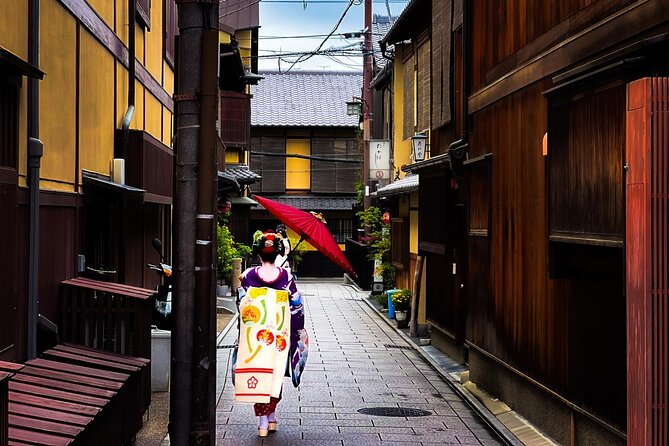
This is designed for a small-group experience with a maximum of 10 travelers, and that shows in the pacing. You get enough time to pause at the right spots, ask questions, and actually absorb details instead of keeping up with a fast-moving herd.
In particular, the guide quality is a big part of why people rate this tour so highly. Multiple guides are highlighted in feedback for strong English and for being patient with photography stops, even when the weather is hot. I like that the tone comes across as friendly and accommodating, not lecture-y.
Practical note: the meeting point is at Starbucks Coffee by Kyoto Gion Hotel (Gionmachi Minamigawa, Higashiyama Ward). Ending back at the same point keeps it simple if you want to continue on your own afterward.
Route walk-through: Yasaka Shrine to Hanamikoji Street
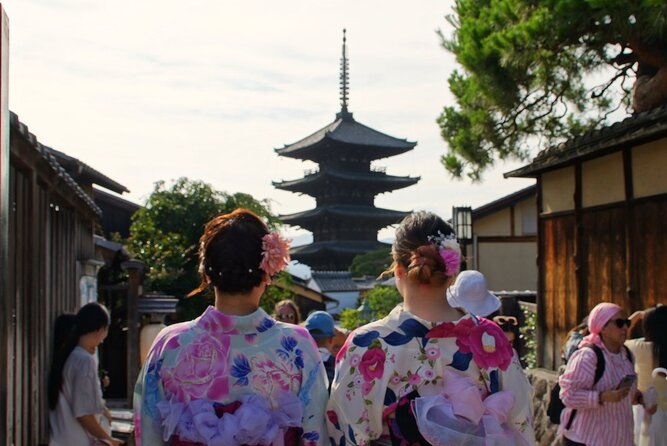
You’ll start at the edge of Gion and work through a sequence of sites that each explain a different layer of the area. Think of it as Kyoto in short chapters: spiritual landmarks, seasonal calm, samurai-era connections, preserved hillside streets, a shrine tradition, then the entertainment street itself.
Stop 1: Yasaka Shrine and its lantern-lit entrance
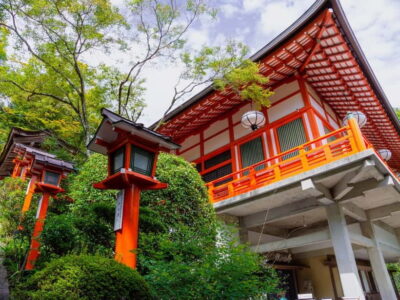
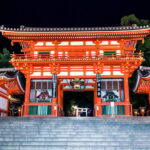
You’ll begin at Yasaka Shrine, one of the area’s best-known Shinto sites. Even if you’ve never studied shrine traditions, the place is visually easy to read: big gate, lantern atmosphere, and a sense of everyday Kyoto life around it.
This stop matters because it sets the cultural tone before the walk turns to tea shops and geisha-era storytelling. It’s also a good way to orient yourself; once you understand where Yasaka Shrine sits between Gion and Higashiyama, the rest of the area makes more sense.
Stop 2: Maruyama Park, a pause near the action
Next is Maruyama Park, Kyoto’s oldest public park. The big draw here is seasonal beauty, and it’s a calmer breather before the walk tightens into alleys and historic lanes.
I like this kind of stop on a walking tour. It lets you slow down, look around, and take in Kyoto’s street rhythm without feeling like you’re sprinting between photos.





Stop 3: Nene-no-Michi and the samurai connection
Then you head to Nene-no-Michi, a lane tied to Nene, the wife of Toyotomi Hideyoshi. This is where the tour’s storytelling starts to connect the dots between past figures and the physical layout of the neighborhood.
It’s a nice change of pace from shrine sightseeing. Instead of only admiring old buildings, you’re learning how personal history shows up in the way Kyoto neighborhoods were remembered and named.
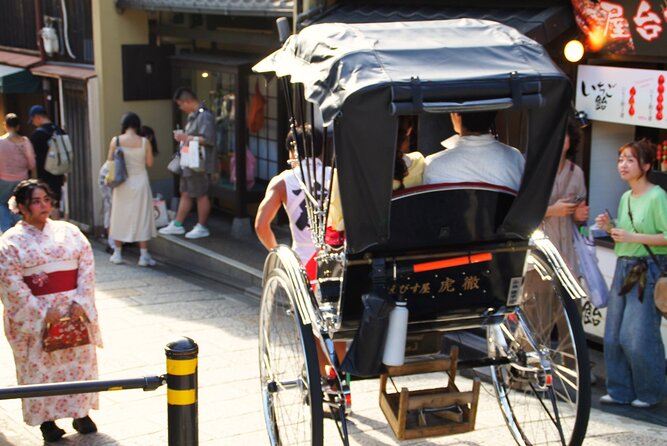
Practical drawback to consider: lanes like this can be narrow and busy around peak hours. If you’re traveling at a crowded time, expect to do a little sideways “Kyoto-style” walking and respect people’s space.
Stop 4: Sannenzaka and Ninenzaka, old streets you can actually feel
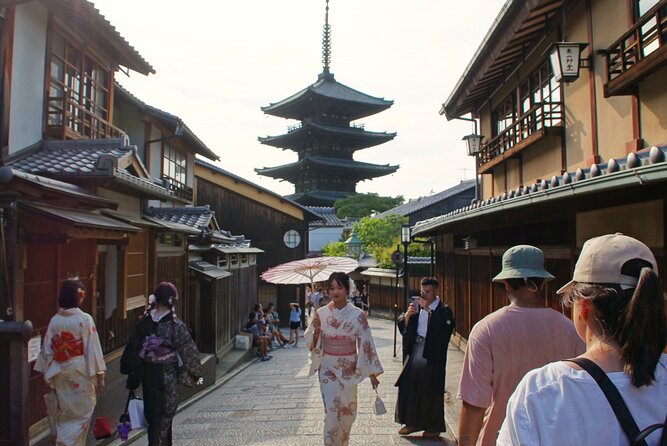
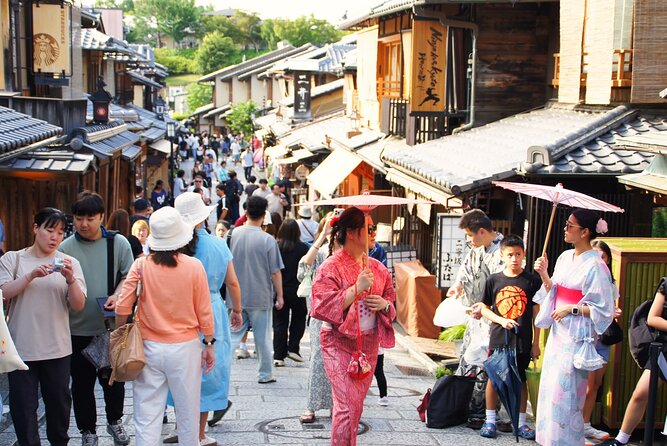
You’ll walk down the famous preserved slopes of Sannenzaka and Ninenzaka. These stone-paved streets and traditional wooden buildings make Kyoto look like a real time capsule, not a theme park set.
This is one of the best sections for first-timers because it teaches you what to notice: building shapes, street textures, and how the streets funnel visitors through the historic core. You’ll likely also see artisan-style shops, which makes the area fun even if you’re not shopping.
Stop 5: Yasui-Konpiragu and the Power Stone tradition
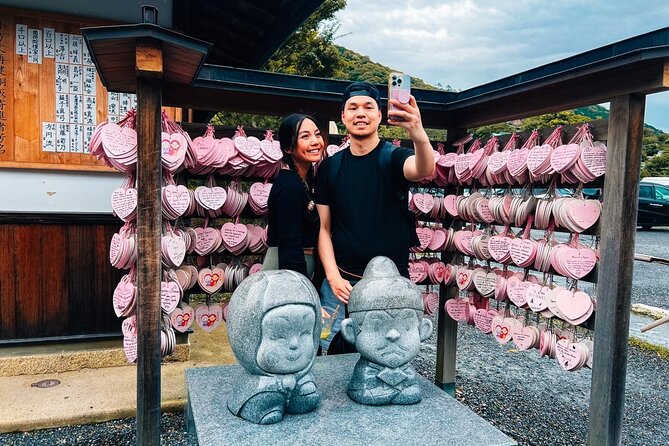
A standout stop is Yasui-Konpiragu, known for its “Power Stone” archway tradition. People crawl through it as part of praying for strong relationships or breaking ties with the past, and the guide’s explanation is often what turns this from a quick photo into something you remember.
One reason I think this works: it’s not abstract culture. It’s a specific custom you can watch, understand, and then carry forward as context for other shrine practices you’ll see later in the city.
Stop 6: Hanamikoji Street, Gion’s main stage
The tour ends at Hanamikoji Street, the iconic heart of Gion lined with preserved machiya townhouses and historic teahouse areas. This is where the geisha-district atmosphere becomes obvious: lantern glow, classic street geometry, and that sense of a curated old-world entertainment quarter.
If you’re hoping to spot geiko or maiko (and you want the kind of guidance that doesn’t ruin the mood), this is the part of the walk where your guide’s tips are most useful. The best advice is usually simple: be respectful, keep your distance, and let the street remain a street.
Geisha and samurai stories: what you’ll take away
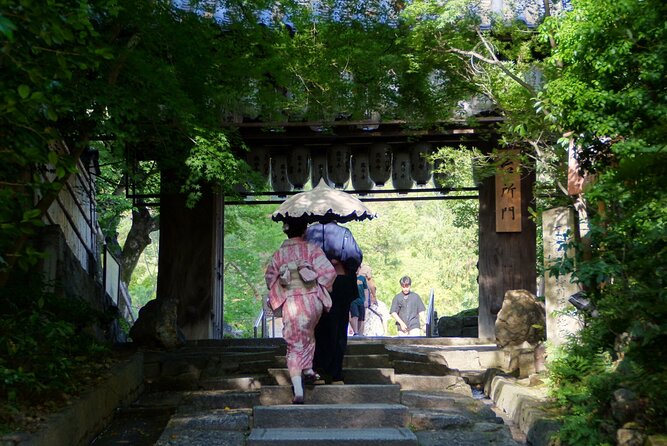
The goal here isn’t to turn geisha culture into a mystery box. It’s to give you a framework so the sights make sense.
As you move through shrines, parks, and old lanes, you get explanations tied to samurai-era stories, plus details about traditional entertainment culture. Many guides are praised for telling these stories clearly and with humor, so the subject doesn’t feel too academic.
A couple of themes that come through in high marks:
- Maiko training comes up in a way that helps you understand what you’re seeing when you notice formal hairstyles or traditional appearances.
- The guide’s street-level tips help you know what to look for without chasing people.
- The mix of history and present-day street views helps you connect why the district feels the way it does.
You’ll finish with a better sense of how Kyoto’s old-world traditions are practiced, remembered, and still visible in daily life.
Price and value for a 2-hour orientation through Gion
At $22.55 per person for about 2 hours, this tour is priced like a smart mid-range buy: you’re paying for an English-speaking guide, organized pacing, and the structured route through the key Gion spaces.
What’s especially good value is that the tour doesn’t require you to figure out which streets matter or how they connect. You’re also getting included entry/admission tied to Gion and Hanamikoji Street as listed, plus the guide’s explanations that turn free stops into paid learning.
If you’re the kind of traveler who would otherwise wander Gion for a couple of hours and feel like you missed half the meaning, this is the kind of tour that can level up your time fast.
Who should book this tour (and who might want another option)
This tour fits you if:
- You want a focused Gion and geisha district experience instead of a general sightseeing bus-style loop
- You like walking tours where the guide helps you notice details you’d skip on your own
- You want context on geisha culture, plus samurai-era connections tied to specific places
It might be less ideal if:
- You hate walking or don’t like small crowded lanes
- You prefer museums and ticketed attractions over street-level culture
- You’re looking for something very hands-on (this is still primarily a walk)
Tips for getting the most from your walk
A few things will make the experience smoother and more enjoyable:
- Wear shoes you trust. This is an outdoor route with stone and slopes in the old-street section.
- Bring sun or rain cover. Even with a good guide, you’ll still be outside most of the time.
- Keep your voice and space respectful around the main streets. You’ll get a better atmosphere and a calmer experience.
- If you want photos, plan for pauses rather than sprinting ahead. The guide’s patience with photography is part of the tour’s quality.
Should you book Kyoto: Gion and Geisha District Walking Tour?
Yes, if you want a simple way to understand Gion without doing homework first. The biggest strengths are the small-group setting, the English-speaking guide experience, and the fact that the route links shrines, preserved streets, and the entertainment district into one coherent story.
If you’re comfortable walking and you like learning culture through real places, this is an easy recommendation. If you’re sensitive to crowds or you’d rather stay flexible and roam solo, you might prefer a self-guided approach. But for most visitors, this tour is a solid, cost-effective way to get oriented and then explore the rest of Kyoto with a clearer sense of what you’re seeing.
FAQ
How long is the Gion and Geisha District Walking Tour?
It’s approximately 2 hours.
What does the tour cost?
The price is $22.55 per person.
How big is the group?
The tour has a maximum of 10 travelers.
Where is the meeting point?
Meet at Starbucks Coffee – Kyoto Gion Hotel, Kyoto, Higashiyama Ward, Gionmachi Minamigawa, 555 祇園ホテル 1F.
Is there an English-speaking guide?
Yes, the tour includes an English-speaking guide.
Is the ticket mobile?
Yes, it uses a mobile ticket.
What’s included in the price?
Included items are the English-speaking guide and entry/admission to Gion and Hanamikoji Street.
Can I cancel for a full refund?
Yes. Free cancellation is available if you cancel at least 24 hours in advance for a full refund.
Is the tour easy to reach with public transportation?
It is noted as near public transportation, and most travelers can participate.