REVIEW · KYOTO
Private Customized 3 Full Days Tour Package: Discover Kyoto, Arashiyama and Nara
Book on Viator →Operated by Ahmed Abu Tayeh · Bookable on Viator
Three days of Kyoto, paced by a real plan.
What makes this one work is the private setup and the fact you can customize the flow with your guide, while still hitting the big-name sights early. I like how it mixes palaces and temples with real Kyoto streets, plus Arashiyama’s scenery and Nara’s famous deer day. One thing to plan for: the schedule is full and temple tickets plus lunch are not included, so your day can feel less relaxed than it looks on paper.
You start and end in Gion (Higashiyama Ward), which is handy when you’re staying near that classic old-street area. I also like that the day-by-day timing is built around sightseeing blocks (morning culture, midday breaks, then evening neighborhoods), so you’re not wandering with no direction. Possible drawback: because it covers a lot across Kyoto and Nara, you’ll want good walking shoes and an attitude of getting a lot done.
In This Review
- What You’re Really Buying: a Private Kyoto-Plus Plan
- Day 1 in Kyoto: Nijo Castle, Golden Pavilion, Zen Rocks, Nishiki, Fushimi Inari
- Day 2 in Kyoto: Arashiyama Bamboo, Togetsu Bridge, Monkey’s Park, Kiyomizu and Gion
- Day 3 to Nara: Deer Park, Kofuku-ji, Todaiji, Kasuga Shrine Back in Kyoto
- Price and Value: What $1,480 Gets You (and What Adds Up)
- The Included Guide Factor: Why Timing Feels Easier
- Who This 3-Day Kyoto Plus Tour Fits Best
- Should You Book This Private Kyoto, Arashiyama, and Nara Tour?
- FAQ
- How long is the tour?
- Is this tour private?
- What’s the group size limit?
- Where does the tour start and end?
- Can the itinerary be customized?
- Are entrance fees included?
- Is lunch included?
- Is transportation included in the price?
- What if the weather is bad?
- What’s the cancellation policy?
What You’re Really Buying: a Private Kyoto-Plus Plan
This is a 3 full-day style package (about 20 hours total, with each day running roughly from late morning through the late afternoon). It’s private, so it’s only your group, and your guide is the one doing the thinking: route order, site timing, and small adjustments if you ask for something different.
The big value here is not just checklists of famous places. It’s the sequence. Kyoto rewards early starts. Arashiyama and the main Nara sights also get busy fast. Having a guide and (where arranged) a car and driver means you spend less time figuring out transit transfers and more time actually looking at the places.
From the guides named in past bookings, you’ll want to know two things: professionalism and organization. One guide, Kingo, was described as pleasant, well prepared, and easygoing—like a friend showing you around. Another guide, Ahmed (the provider is Ahmed Abu Tayeh), was praised for being organized and passionate, and for making the private car add-on feel worth it.
Day 1 in Kyoto: Nijo Castle, Golden Pavilion, Zen Rocks, Nishiki, Fushimi Inari
Day one is about Kyoto’s “greatest hits,” but it doesn’t feel like a blur because the itinerary staggers the locations across a broad loop.
- 09:30 Nijo Castle
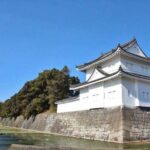
You’ll meet the guide at 09:00, then head to Nijo Castle. It’s a UNESCO World Heritage site with Edo-period architecture and carefully designed gardens. The highlight is the Ninomaru Palace—an opulent-feeling interior that’s famous for its presence and form. If you like court life, power, and design details, this is a strong opener.
- 11:00 Kinkaku-ji (Golden Pavilion)
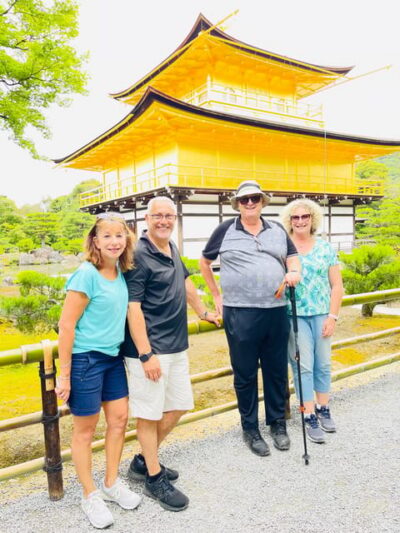
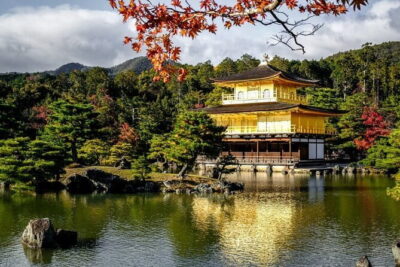
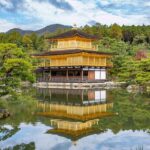
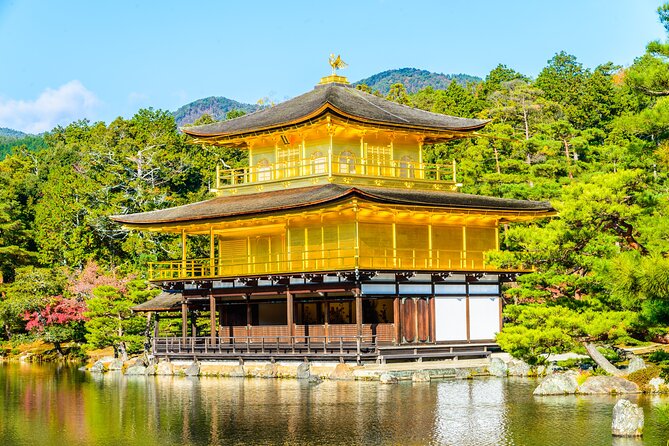
Next comes Kinkaku-ji, Kyoto’s iconic Golden Pavilion. Expect a classic composition: temple against a pond setting, plus gardens that frame the scene. This is one of those stops where your guide’s timing matters—arriving when you can still enjoy the view without feeling stuck in a crowd.
- 12:30 Ryoan-ji
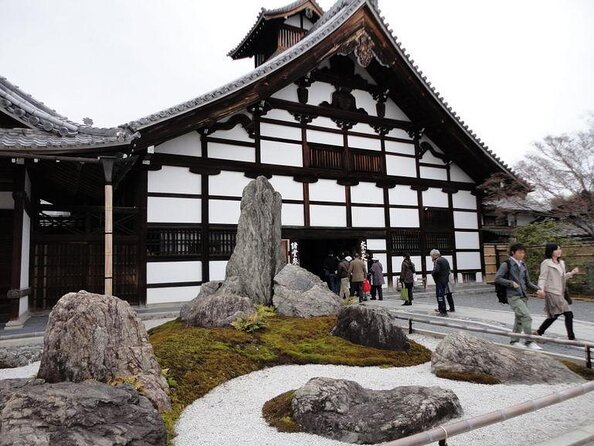
Ryoan-ji’s Zen rock garden is simple on the surface and strangely effective. You’ll see the famous layout and then take in the quiet that surrounds it. This stop is less about photos and more about slowing your brain down for a moment. If you’re tired already, it can actually feel refreshing.
- 14:00 Lunch break / Nishiki Market
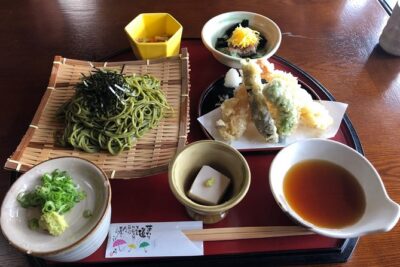
Lunch is on your own. The itinerary points you toward Nishiki Market, sometimes called Kyoto’s kitchen. It’s a walk-through style market with many stalls—good for snacks and quick bites if you want something fast. Keep your budget in mind because it’s easy to over-snack here.
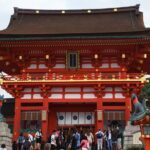
- 15:30 Fushimi Inari Taisha
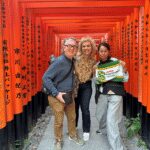
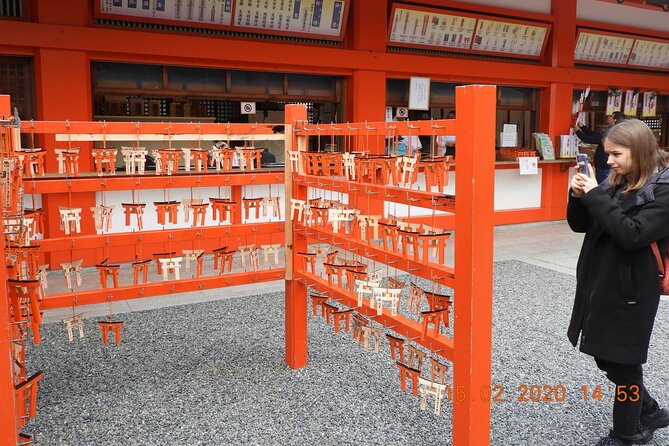
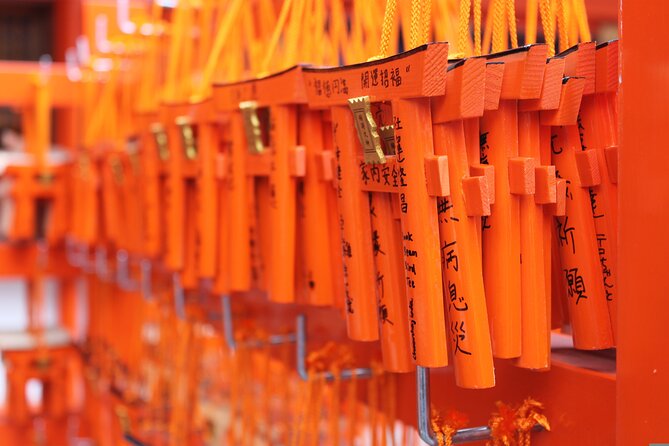
The day ends with Fushimi Inari, famous for thousands of red torii gates forming paths into the hills. You’ll get a focused visit, not an all-day hike, and you’ll still come away with the signature feeling of the shrine.
What I’d watch for: Day one starts with major indoor/outdoor sites and then finishes with a shrine walk. If you’re prone to “temple fatigue,” take water seriously and don’t try to do the entire shrine area at maximum pace.
You can also read our reviews of more private tours in Kyoto
Day 2 in Kyoto: Arashiyama Bamboo, Togetsu Bridge, Monkey’s Park, Kiyomizu and Gion
Day two is where the scenery ramps up. Arashiyama gives you natural views and classic photo spots, then you swing back into central Kyoto for two of its most atmospheric areas.
- 10:00 Bamboo Grove, Nonomiya Shrine, and Tenryu-ji Garden
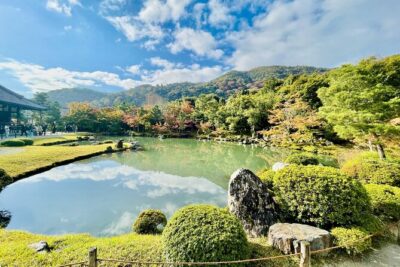
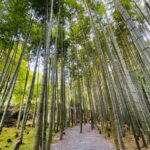
After meeting at 09:00, you start in Arashiyama with the bamboo grove and a nearby shrine stop at Nonomiya, followed by the Tenryu-ji Temple garden. The bamboo grove is famous for a reason: tall stalks, filtered light, and a calm feeling that’s hard to recreate elsewhere. If you’ve seen photos, this is where it becomes real in front of you.
- 11:30 Hozu-gawa River and Togetsu Bridge
You’ll head to the Hozu-gawa River and Togetsu Bridge. This part is calmer and scenic, with the river corridor giving you a sense of place beyond Kyoto’s temple walls. Even if you don’t do a boat tour, the river view still helps “reset” your eyes after bamboo.
- 12:00 Monkey’s Park
The itinerary includes Monkey’s Park. The key point isn’t the park trivia; it’s the practical payoff: it adds a change of scenery and a bit of elevation so you’re not flat-walking all day.
- 14:00 Lunch, then 15:30 Kiyomizu-dera and Gion
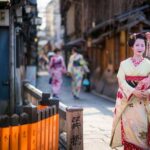
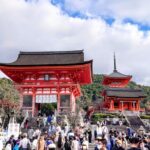
Lunch is not included. After that, Kiyomizu-dera and Gion take over the afternoon. Kiyomizu-dera is a UNESCO World Heritage site and one of Kyoto’s most iconic landmarks, perched on the hillside. The vibe here is dramatic: long views, old-stone feel, and the classic Kyoto temple experience. Then you’ll finish in Gion, where the atmosphere shifts to traditional machiya streets and teahouse-lined lanes.
One consideration for day two: it’s the most “packed scenery” day. If you’re the kind of traveler who wants long sits at every site, you might feel slightly rushed. The workaround is simple: choose what you want to linger on—bamboo, Kiyomizu, or Gion streets—and let the others be “well-paced highlights” rather than everything-at-full-speed.
Day 3 to Nara: Deer Park, Kofuku-ji, Todaiji, Kasuga Shrine Back in Kyoto
Day three is a clean day trip feel: Kyoto morning meeting, Nara station arrival, then a tight loop through Nara’s signature sights.
- 10:15 Arriving Nara Station
You’ll start by arriving at Nara Station at about 10:15. This is a practical way to begin—less time lost finding the right area, more time getting into the sights.
- 10:30 Nara Deer Park
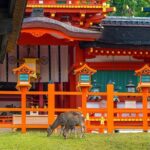
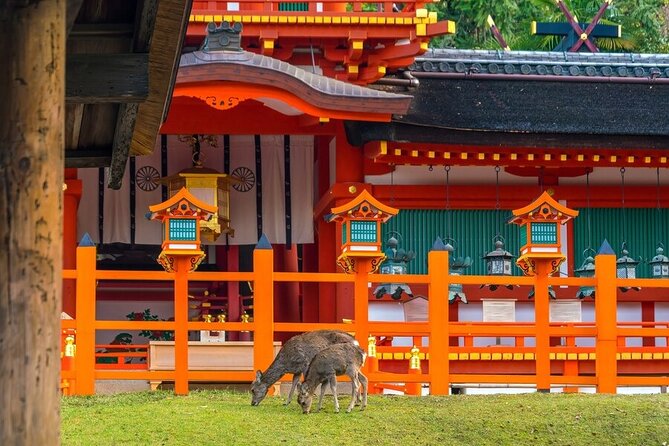
Nara Deer Park is simple and effective: you walk through the park and you’ll see the deer close by. Admission here is free per the itinerary notes. The charm comes from how natural it feels once you’re walking and not just taking quick photos.
- 11:30 Kofuku-ji Temple and Five-Storied Pagoda
Kofuku-ji is where you get more of the grand temple scale. You’ll also see the Five-Storied Pagoda. This stop helps balance the deer park’s casual feel with the heavier sacred architecture side of Nara.
- 12:30 Todaiji Temple and Kasuga Shrine
Todaiji is famous for the Great Buddha Hall and its massive bronze Buddha statue. The itinerary wraps Todaiji with Kasuga Shrine time as well. The shrine is known for bronze and stone lanterns, and for a forested setting that makes the approach feel calm and ritual-like.
- 14:00 Back to Kyoto, 15:00 Tour finish
The day is built to end back in Kyoto in the mid-afternoon. That matters if you don’t want your Nara day to eat your whole evening.
My practical advice for Nara day: bring cash for small purchases and keep your schedule flexible if you get slowed by deer encounters. It’s hard to time that part precisely, and you’ll have more fun if you’re not fighting the pace.
Price and Value: What $1,480 Gets You (and What Adds Up)
The price is $1,480 per group up to 10, for the 3-day experience. That structure can be a good deal when you’re traveling as a small group (or families with kids) because you’re not paying per person for the guiding/management portion.
What’s included:
- Tour guiding and management
- Pickup in Kyoto city
- Car and driver arrangement (with a note that transportation cost may be an extra add-on if not included in the listed price)
What’s not included:
- Transportation (if additional)
- Entrance fees
- Lunch
- Gratuities (appreciated, not expected)
Entrance fees are listed as about ¥8,250 per person for the temples mentioned. That number is useful for budgeting. Lunch is also a real cost, and it’s your choice where to eat—market snacks like Nishiki can keep costs down, while sit-down meals will raise them.
So is this good value? For many people, yes—because you get a private, guided structure across Kyoto and Nara instead of piecing together trains, buses, and long walking routes between top sites. But if you’re traveling solo and you don’t plan to add the private vehicle, it’s worth checking how the transportation piece works for your booking since that affects the final total.
The Included Guide Factor: Why Timing Feels Easier
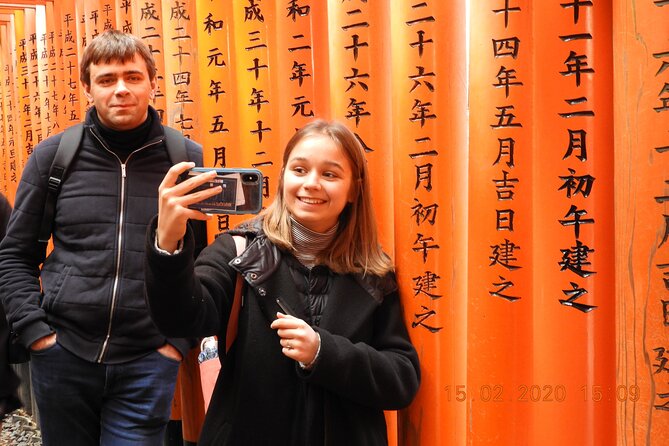
This tour lives or dies on timing and on how your guide handles the day. The named guides from prior bookings were praised for being prepared and for making the experience feel personal. That matters because Kyoto’s sites reward arrival order. When you reach Kinkaku-ji, Ryoan-ji, or Fushimi Inari at the right moment, the experience feels calm even when the area can be crowded.
It also helps that you start and finish in Gion, which reduces friction. Instead of getting dropped miles away from where you’re staying, you have an easy anchor point for your hotel life.
Who This 3-Day Kyoto Plus Tour Fits Best
I think this tour is a strong match if you:
- Want major sights without logistics headaches
- Like structure but still want customization by asking your guide
- Are okay with a busy pace across three days (this is not a slow strolling vacation)
It’s also a good option for first-timers who want the Kyoto arc (temples, markets, classic neighborhoods), plus Arashiyama’s scenery and Nara’s deer-and-temple loop.
If you’re the kind of traveler who likes long, unplanned wandering time in one area, consider booking a smaller scope. This one is built for coverage, not for spending half a day at a single shrine.
Should You Book This Private Kyoto, Arashiyama, and Nara Tour?
I’d book it if you want a plan that hits Kyoto’s best-known places in a logical order, and you’re traveling in a group where the per-group price makes sense. The private guide + the option to customize is the core strength, and the day-to-day rhythm (temples in the morning, neighborhoods and scenic stops later) is designed to keep you moving at a usable pace.
I’d hesitate only if:
- You hate busy schedules
- You’re on a tight budget once entrance fees and lunch are added
- You want long downtime in each location rather than smart sequencing
FAQ
How long is the tour?
It runs for about 20 hours to 1 day across three full days, with each day starting in the morning and finishing around the late afternoon.
Is this tour private?
Yes. It’s a private experience, and only your group will participate.
What’s the group size limit?
The price is per group for up to 10 people.
Where does the tour start and end?
It starts and ends in Gion, Higashiyama Ward, Kyoto, Japan.
Can the itinerary be customized?
Yes. The itinerary shown is a guide, and you can customize the plan with your guide based on your request.
Are entrance fees included?
No. Entrance fees for the temples mentioned are not included, and they’re listed as about ¥8,250 per person.
Is lunch included?
No. Lunch is not included, and you’ll have a lunch break during the schedule.
Is transportation included in the price?
The tour includes pick up in Kyoto city and arrangement of a car and driver, but transportation cost may be extra depending on what is included in your specific booking.
What if the weather is bad?
This experience requires good weather. If it’s canceled due to poor weather, you’ll be offered a different date or a full refund.
What’s the cancellation policy?
Free cancellation is available. You can cancel up to 24 hours in advance for a full refund.