REVIEW · KYOTO
Kyoto Customized Guided, Private Tour
Book on GetYourGuide →Operated by Japan Travel and Tour · Bookable on GetYourGuide
Kyoto hits harder when you move fast. This private, guided full-day tour strings together big-name sights efficiently, including Fushimi Inari’s torii-gate walk, plus Arashiyama bamboo and the Golden Temple, so you’re not wasting half your day figuring out transit. I especially like that you get hotel pickup and an organized route that still leaves time to look around.
The big catch is guide style can vary. In one recent experience, the guide focused heavily on photography and didn’t share much history during drives, so you’ll want to be ready to ask questions on the spot and steer the day if you care about stories.
This route is built for people who want a greatest-hits Kyoto day without turning it into a transportation project. You’ll ride in an air-conditioned luxury van, cover 7 stops, and include both temple culture and photo-friendly set pieces like the Kimono Forest.
In This Review
- Key Things You’ll Notice on This Kyoto Tour
- Kyoto in One Day Can Be Worth $102
- Pickup, Van Time, and the 8:00 A.M. Start
- Kiyomizu-dera: Big Views, Morning Energy, and Terraces
- Sanjusangen-do: Long Wooden Structure and the Kannon Statues
- Arashiyama and Sagano Bamboo Forest: Green Tunnels and Photo Timing
- Arashiyama time
- Sagano Bamboo Forest
- Togetsukyo Bridge: The Bridge View Stop That People Actually Remember
- Tenryu-ji and Kinkaku-ji: UNESCO Gardens and the Golden Temple
- Fushimi Inari Taisha: Walking Through Thousands of Red Torii Gates
- The One Variable: Guide Engagement and How to Get History Out of the Day
- Tickets, Lunch, and Food Reality Checks
- Who This Kyoto Private Tour Fits Best
- Should You Book This Kyoto Private Guided Tour?
- FAQ
- What’s included in the Kyoto Customized Guided, Private Tour?
- Are entry tickets included?
- Is lunch included, and do you have dietary options?
- How long is the tour and when does it start?
- Where do the pickup and drop-off locations work?
- What language options are available?
- Is this tour wheelchair accessible and private?
Key Things You’ll Notice on This Kyoto Tour
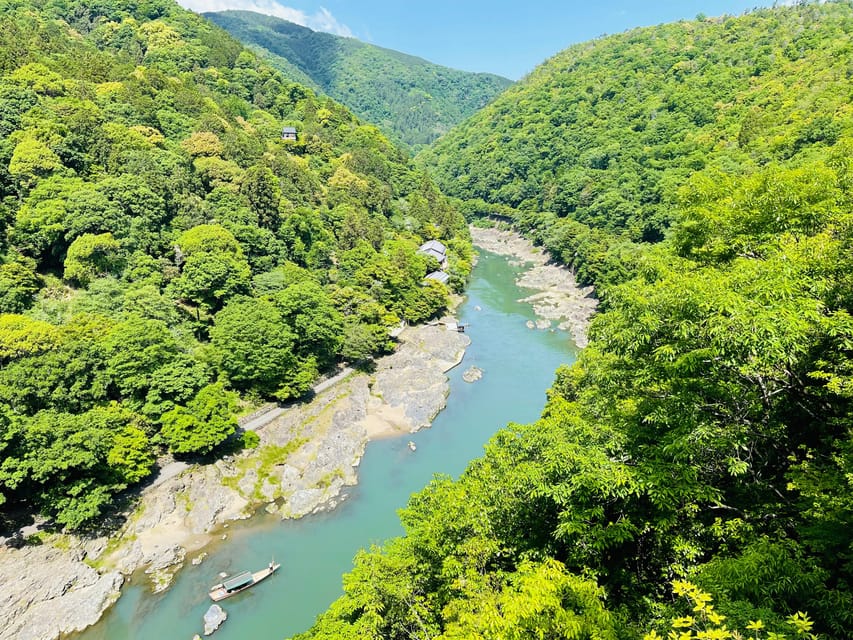
- A tight “greatest hits” route: 7 stops with 3 UNESCO World Heritage sites in one long day
- Fushimi Inari Taisha at torii-gate level: thousands of red gates and a real walking experience
- Arashiyama + Sagano Bamboo Forest photo time: green corridors made for cameras
- Garden and temple variety: Tenryu-ji gardens after bamboo, then Kinkaku-ji (Golden Temple)
- Time-efficient van logistics: hotel pickup and drop-off make this easier than DIY
- Guide engagement can be uneven: one guide (called NOMI) was strong on photos but lighter on historical commentary
Kyoto in One Day Can Be Worth $102
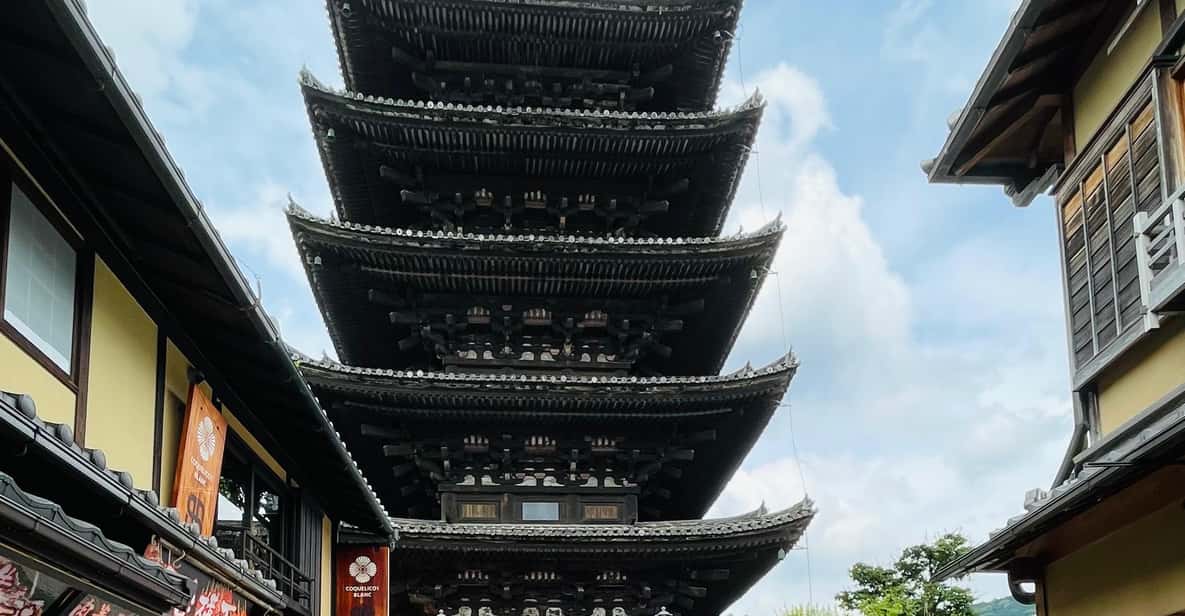
Price is where this tour has to justify itself. At $102 per person for a 10-hour private day with hotel pickup, an English-speaking guide, and transportation, it’s not cheap. But it can still feel like good value if you’d otherwise spend real money (and energy) on trains, taxis, and ticket lines while trying to cover the same essentials.
What you’re paying for is compression. Kyoto’s top sights are spread out, and a one-day plan is always a trade-off. Here, the trade is clear: you get fewer pauses and a more structured pace, but you do get a lot of famous places in the same day.
Also, it’s not just “see temples.” The schedule builds in photo stops, shopping windows, and time for walking inside key areas. That matters because Kyoto isn’t a museum you sprint through; it’s a city where small details (woodwork, garden layouts, carved statues, the slope of a hillside path) are the whole point.
You can also read our reviews of more guided tours in Kyoto
Pickup, Van Time, and the 8:00 A.M. Start
The tour begins with pickup from one of three options: Kyoto, Osaka, or Nara. Even better, pickup is arranged directly from hotels. That’s a big practical win because the day is tight, and Kyoto traffic can turn a “quick stop” into a long delay.
Departure is listed as 8:00 a.m. from Kyoto, and the overall duration is 10 hours. In real life, an early start helps you hit the busiest sights before they fully lock in. You’ll also appreciate having your transportation handled in advance, especially if you’re traveling with luggage or aren’t confident navigating Japanese transit.
One more thing: pickup is available outside Kyoto too, but extra charges may apply. If you’re staying just beyond the usual tourist radius, it’s worth confirming the details when you book so you don’t get surprised later.
Kiyomizu-dera: Big Views, Morning Energy, and Terraces
Your morning anchor is Kiyomizudera Temple. Expect a photo stop, then a visit with guided time and time to walk. This is one of Kyoto’s most famous temple complexes, and the main reason people remember it is the way the site rewards viewpoint hunting.
You’ll have the chance to take in the panoramic views from its dramatic terrace setup. The temple’s founding date is listed as 778, which gives you a bit of historical grounding before you start climbing and circling.
Practical tip: plan to arrive ready to move. Even if you’re not a hardcore walker, Kiyomizu-dera is a place where you’ll naturally take multiple angles, and the best photos usually mean a few short climbs and stops.
Sanjusangen-do: Long Wooden Structure and the Kannon Statues
After Kiyomizu-dera, the plan includes Sanjusangen-do Temple. This stop is built around two things: the building itself and the statues inside. It’s noted as Japan’s longest wooden structure, with 35 columns that create 33 sections.
Then there are the famous 1,000 Kannon statues that people come to see. This is the kind of stop where the experience changes depending on how much you slow down. If you’re the type who likes to read small plaques and compare faces of statues, you’ll probably find time well spent.
If you care about context, this is where you should ask your guide direct questions. Even if the day overall isn’t heavy on history, you can still get your value here with a little “tell me what I’m looking at” energy.
Arashiyama and Sagano Bamboo Forest: Green Tunnels and Photo Timing
Next comes the Arashiyama area, and this is where the tour starts feeling like Kyoto postcards in real life. The plan includes Arashiyama, Togetsukyo Bridge, and the Sagano Bamboo Forest. You’ll also have time for shopping and sightseeing around the area.
You can also read our reviews of more private tours in Kyoto
Arashiyama time
Arashiyama is listed with a mix of photo stop, guided time, and free wandering. There’s even time mentioned for a panoramic train ride in the schedule. If you’re the kind of traveler who enjoys “transport-as-experience,” that’s a nice bonus because it’s not just another transfer between temples.
Sagano Bamboo Forest
Then you step into the Sagano Bamboo Forest, the “green corridor” Kyoto people photograph for a reason. The tour includes a visit with guided time and walking time in the bamboo area.
There’s also time in the schedule for another panoramic train ride and a segway ride segment (listed as 30 minutes). If you’ve never tried a segway, it can be fun in controlled conditions, and the short duration makes it feel less like a detour. If you prefer to keep things low-tech, you can still enjoy the bamboo even if the rides aren’t your favorite part.
Practical tip for photos: the forest is best when you don’t just rush to the “main” angle. Walk deeper than the obvious entrance shots. Even small changes in distance make a big difference with bamboo reflections and the “tunnel” feel.
Togetsukyo Bridge: The Bridge View Stop That People Actually Remember
You’ll also stop at Togetsukyo Bridge. This is a shorter stop (about 30 minutes in the plan), but it’s included for a reason: it’s the visual centerpiece people connect with Arashiyama.
You’ll have a photo stop and guided time plus walking. If you’re doing Kyoto for the first time, this is a “yes, that’s the one” moment. If you’ve been before, it still works because it gives you a calm pause between busier temple clusters.
Tenryu-ji and Kinkaku-ji: UNESCO Gardens and the Golden Temple
After bamboo, the tour shifts into UNESCO mode with Tenryu-ji Temple. It’s included as a World Heritage site in the overall count, and the schedule emphasizes the Japanese gardens. This is one of the better contrasts after bamboo: bamboo is motion and height; Tenryu-ji gardens are layout and stillness.
You’ll have time to stroll and see the gardens in a way that’s seasonal, with the tour mentioning gardens as a delight in every season. That’s also your cue to be flexible: what you get visually depends on when you visit.
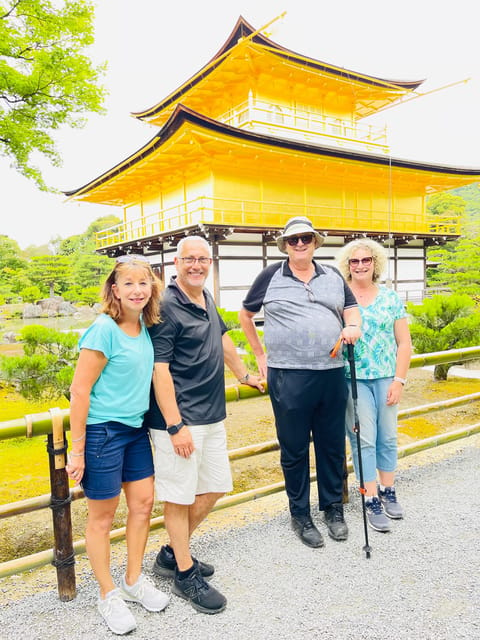
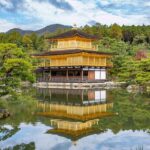
Then comes Kinkaku-ji (the Golden Temple), also known as Rokuon-ji. This part of the day includes photo stops, guided time, and walking/free time. It’s included for obvious reasons: the architecture is dramatic, and the setting makes photos feel easy even for casual shutterbugs.
Practical tip: treat Kinkaku-ji like a “slow look” temple. The shine is attention-grabbing, but the small details around the edges (angles, reflections, how the paths frame the building) are what turn a decent photo into a great one.
Fushimi Inari Taisha: Walking Through Thousands of Red Torii Gates
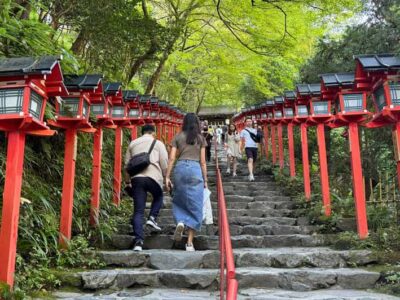
The final “wow” stop is Fushimi Inari Taisha. This is where the tour earns its mystical reputation. You’ll have a break time, a photo stop, guided time, and a longer walking slot (about 1.5 hours).
The plan focuses on walking through the thousands of torii gates, and that walk is the whole experience. It feels different from a typical temple visit because it becomes a route you keep following. The red gates create a rhythm, and you gradually shift from “I’m sightseeing” into “I’m walking a Kyoto ritual.”
Practical tip: wear shoes you trust. The torii path includes uneven ground and long stretches of walking. If you’re hoping to climb higher for the best views, you’ll want energy saved for that last push.
At the end of the tour, you’re dropped at Kyoto Station (with drop-off options also listed for Kyoto, Nara, or Osaka).
The One Variable: Guide Engagement and How to Get History Out of the Day
Here’s the honest part. This tour can feel like two different experiences depending on who your guide is that day.
One guide mentioned by name, NOMI, is credited with strong photography skills, which can really help if you’re traveling with a camera but not sure where to stand. That matters because some spots (Kinkaku-ji angles, bamboo tunnel framing, torii-gate spacing) can look better with guidance.
But there’s also a warning sign: in at least one case, the guide didn’t share much city knowledge and spent more time on personal calls during drives. In that scenario, the tour becomes more about movement and less about understanding what you’re seeing.
So here’s how you protect yourself:
- Ask one question early like what’s the meaning of what I’m about to see at this temple.
- If the guide skips background, ask again during the next walking segment, not while you’re stuck in transit.
- Treat guided time as your “ask time,” and use free time for your own exploration.
Also note: the tour includes both a live guide and a multilingual audio guide accessible on mobile devices (listed in English, French, Italian, Spanish, German, Portuguese, and Ukrainian). If the live commentary is thin, you can still get context from the audio while you walk.
Tickets, Lunch, and Food Reality Checks
This plan is heavy on sights, but entry tickets aren’t included. Even though the tour says it helps you skip the ticket line, you should assume you still need to purchase tickets for each site on your own. The value is that you lose less time with queueing and get guidance on what to do next.
Food is another practical area. The schedule mentions a Japanese buffet lunch with seasonal ingredients and views of Togetsukyo Bridge. However, the tour data also says food isn’t included. That usually means lunch might be optional or an add-on depending on the package you choose.
There’s also a dietary limitation note: Muslim-friendly, allergy-friendly, lactose-free, gluten-free, and vegan options are unavailable, and the guidance suggests booking without lunch. If any of those dietary needs apply to you, I’d plan on eating on your own rather than relying on the included/assumed buffet.
Bring water too. Kyoto days add up fast, and the route includes lots of outdoor walking, especially at Sagano Bamboo Forest and Fushimi Inari.
Who This Kyoto Private Tour Fits Best
This tour is best if you want a structured day with major stops and minimal logistics stress.
You’ll likely love it if:
- You’re short on time and want UNESCO + iconic Kyoto in one go.
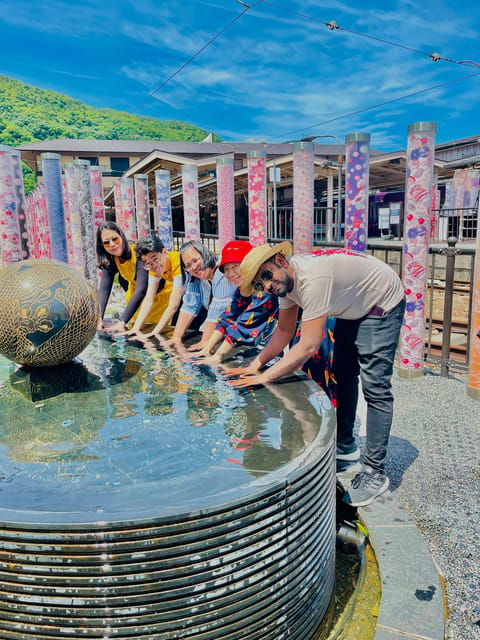
- You like photo-focused sightseeing (bamboo, Kimono Forest, torii gates).
- You appreciate hotel pickup and a private van instead of riding transit with multiple transfers.
It may not be the right match if:
- You want deep, detailed historical storytelling without having to ask for it.
- You’d rather slow down and spend longer at fewer sites.
- Your day needs carefully planned dietary options for lunch.
Should You Book This Kyoto Private Guided Tour?
My take: it’s a strong option for a one-day “Kyoto essentials” plan, especially if you’re traveling with limited time and want everything organized. The itinerary hits major sights that people come to Kyoto for: Kiyomizudera, the Arashiyama bamboo area, Tenryu-ji gardens, Kinkaku-ji, and Fushimi Inari.
Book it if you’ll benefit from private van comfort, pickup/drop-off convenience, and a plan that packs in multiple UNESCO stops. Skip or reassess if lunch planning is critical for your diet, or if you’re the kind of traveler who expects every drive to come with strong historical commentary.
If you do book, do two things: wear good walking shoes, and start asking questions early so the guide helps you get more than just photos out of the day.
FAQ
What’s included in the Kyoto Customized Guided, Private Tour?
The tour includes an English speaking tour guide, transportation in an air-conditioned luxury van, and hotel pickup & drop-off. It’s also listed as customizable, and it includes a skip-the-ticket-line benefit.
Are entry tickets included?
No. Entry tickets aren’t included, so you’ll need to cover them separately even though the tour helps with getting through lines faster.
Is lunch included, and do you have dietary options?
Food isn’t listed as included. The day’s plan mentions a Japanese buffet lunch, but dietary options like lactose-free, gluten-free, vegan, and allergy-friendly are listed as unavailable, so booking without lunch is recommended if that applies to you.
How long is the tour and when does it start?
The duration is 10 hours, with a listed departure time of 8:00 a.m. from Kyoto.
Where do the pickup and drop-off locations work?
Pickup can be arranged from Kyoto, Osaka, or Nara. Drop-off is listed for Kyoto, Nara, or Osaka, with the tour ending at Kyoto Station. Pickup outside Kyoto may be possible, but additional charges may apply.
What language options are available?
You’ll have an English-speaking guide, and the tour data lists guides in English, Hindi, Japanese, and Arabic. There’s also a multilingual audio guide on mobile devices in English, French, Italian, Spanish, German, Portuguese, and Ukrainian.
Is this tour wheelchair accessible and private?
Yes. It’s listed as wheelchair accessible and a private group.