REVIEW · KYOTO
Private & Unique Kyoto Cherry Blossom “Sakura” Experience
Book on Viator →Operated by City Unscripted · Bookable on Viator
Sakura season in Kyoto needs a plan. This private 4-hour experience blends hanami guidance with smart food-hunt stops so you see more than just the postcard version. You’ll start in Maruyama Park, get steered toward calmer viewing spots, and then finish with a picnic built around seasonal flavors and cherry-themed treats.
At $290.79 per person, the biggest thing to consider is simple: this is priced as a private, custom-feeling outing, so it may not feel like a deal if you’re mainly chasing the cheapest way to spot blossoms.
In This Review
- Key highlights at a glance
- Maruyama Park hanami: where the day actually feels calm
- Kyoto Gyoen National Garden: a gentler cherry stop
- Daimaru depachika: turning cherry season into a meal (not just a snack)
- Your hanami picnic: what’s included and why it feels right
- Yoza-kura focus: evening blossoms and weeping cherry trees
- “Off the tourist trail” in real life: what your host actually does
- Pricing and value: what $290.79 buys in Kyoto
- Pacing, logistics, and where to meet
- Who should book this Kyoto sakura experience
- Should you book this Kyoto cherry blossom tour?
- FAQ
- How long is the Kyoto cherry blossom experience?
- Is this tour private?
- Where do I meet, and where does the tour end?
- What’s included in the picnic?
- Are attraction tickets included?
- Do I need to pay for transportation?
- Is it possible to meet the host at my accommodation?
- What kind of ticketing does it use?
- Can I cancel and get a refund?
- Are service animals allowed?
Key highlights at a glance
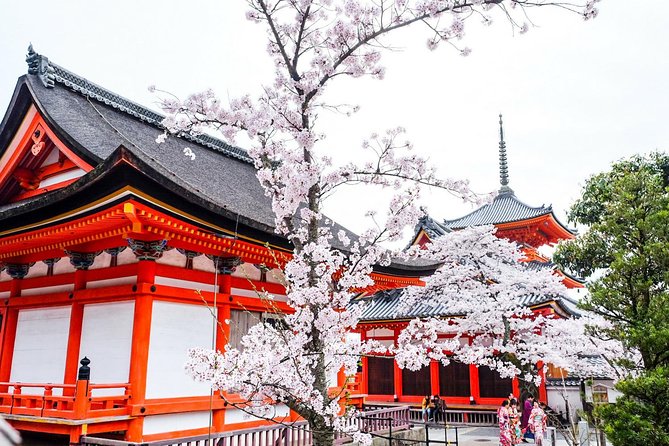
- Maruyama Park hanami, with quieter viewing spots instead of only the busiest lanes
- Kyoto Gyoen National Garden for a slower, more relaxed cherry walk
- Daimaru depachika picnic shopping so your meal matches the season
- A tailored picnic with bento, shared sushi platter, sweets, and two drinks
- Evening weeping cherry viewing (yozakura) as part of the sakura-season focus
- A local host who can adjust pacing and routes to fit your style
Maruyama Park hanami: where the day actually feels calm
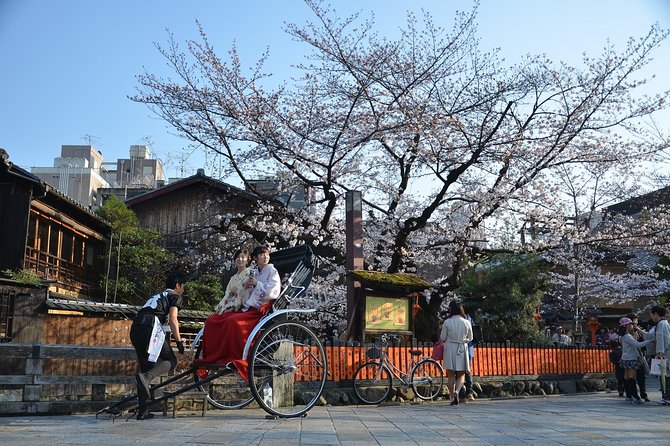
Maruyama Park is famous for cherry blossoms for a reason. In peak season, though, that fame can mean crowds, hard-to-find seating, and lots of people doing the same quick photo sweep. This tour’s start is designed to solve that exact problem: you begin in Maruyama Park, then your host guides you to peaceful corners within the park.
What I like about this setup is that it treats hanami as more than sightseeing. You’re not just looking upward at petals—you’re stepping into a local rhythm. The host helps you slow down, notice the tree shapes, and choose where to stand or sit so the scene feels like a real pause in your day, not a traffic jam with blossoms overhead.
Practical tip: if you’re picky about where you sit, you’ll be glad you’re not just arriving and hoping for luck. A host who knows the park flow makes it easier to get comfortable without turning the whole experience into a search.
You can also read our reviews of more private tours in Kyoto
Kyoto Gyoen National Garden: a gentler cherry stop
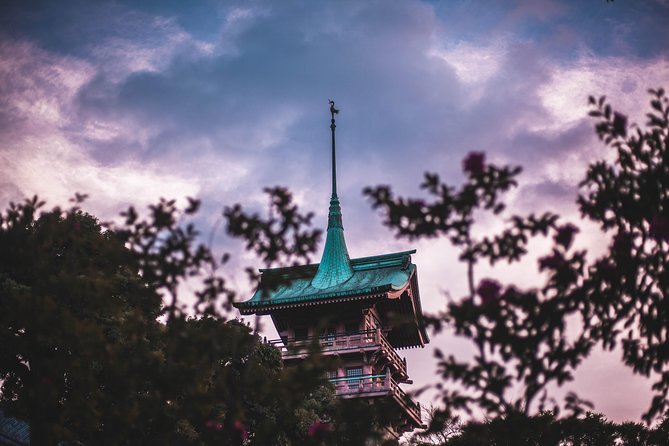
Next comes Kyoto Gyoen National Garden, which acts like a breather between bigger, more famous city areas. The point here is quiet elegance: cherry trees, open space, and a calmer pace. This stop works well when your goal is to see a different “feeling” of sakura rather than repeating the same kind of crowd-and-photo loop.
From a value perspective, this second garden stop matters. If you’ve only got time for one blossom area, you might accidentally pick the most crowded option and spend half the day dodging people. Adding Kyoto Gyoen gives you a second chance at that classic hanami mood—especially if blossoms are at different stages across areas.
Consideration: parks can mean uneven walking paths and standing lots of the time. The experience is listed as Most travelers can participate, but if you’re dealing with mobility limits, go in with realistic expectations about walking duration and where you’ll be able to stop.
Daimaru depachika: turning cherry season into a meal (not just a snack)
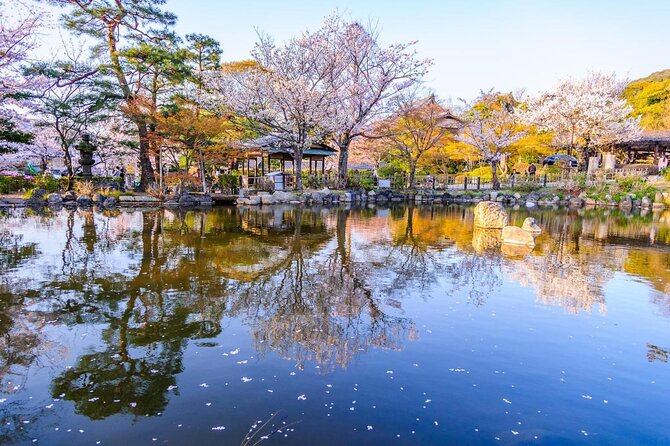
Then you head to Daimaru’s depachika, the underground food hall. If you love Japanese food, this is one of the best parts of Kyoto sakura season because you’re matching your blossoms with flavors that feel current and seasonal, not picked at random.
Here’s how the stop helps you: your host assists you in choosing an obento and drinks for your picnic. You’re also aiming for sakura-themed touches—think visually pretty items and seasonal sweets that make the whole day feel intentional. Instead of a generic store-bought lunch, this becomes part of the experience.
Why this is a smart choice: cherry blossom viewing is short. The season window is real. Eating something seasonal while you’re in the middle of the sakura moment makes the day feel tied together, not stitched from separate attractions.
Practical tip: depachika food can be time-sensitive around peak hours. Having a guide who can help you decide quickly saves time and reduces the stress of reading menus with limited Japanese.
Your hanami picnic: what’s included and why it feels right
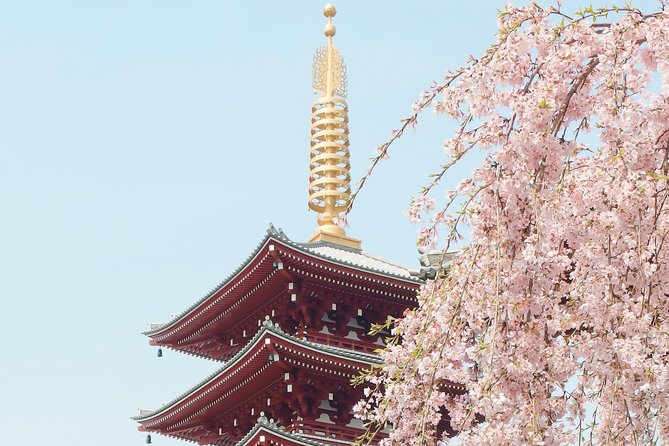
The picnic is built around a traditional spread: bento box, a shared sushi platter, Japanese sweets, and two drinks. You’ll take your selected food and eat it in an intimate spot—either a secluded area of the park or another quieter place your host knows.
This matters because picnic locations in Kyoto can be unpredictable. Some spots are beautiful but too crowded to settle in. Others are calmer but harder to find. A host’s job is basically to remove the guessing and make you comfortable faster.
What you should expect from the picnic itself:
- A meal that’s meant for sitting outdoors and eating at an unhurried pace
- Food choices that are practical for walking days (not things that spill or require complicated dishes)
- A built-in sakura-season feel, since the selection is guided toward cherry-themed items
Possible drawback: the included meal is fixed. If you have strong preferences (or food restrictions), you’ll want to think ahead. The experience notes additional food and drinks are not included, so if you want more variety beyond the included set, that can add cost.
Yoza-kura focus: evening blossoms and weeping cherry trees
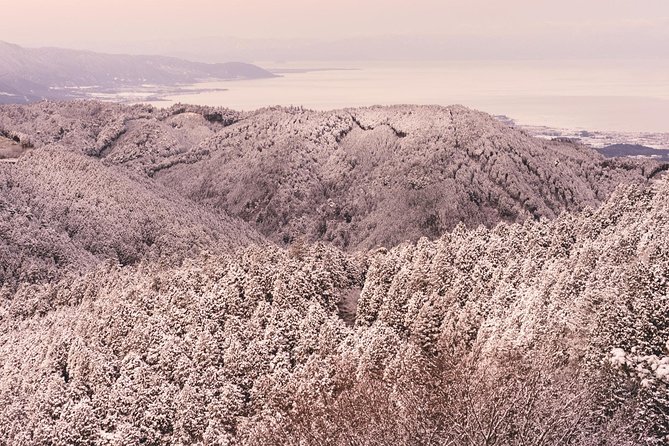
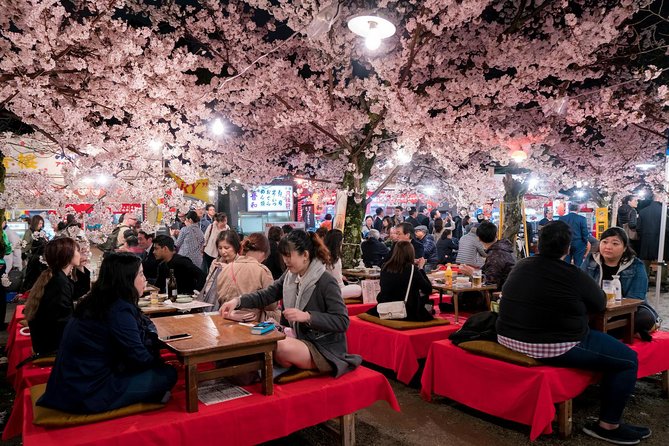
Kyoto’s sakura doesn’t end at sunset. This experience is designed around yozakura, nighttime blossom viewing, including weeping cherry trees illuminated against the sky. Even in a 4-hour window, that evening focus changes the whole day—your timing shifts from just a morning sightseeing block into something more like a candlelit spring moment.
In practical terms, it’s not about forcing a long temple circuit. It’s about positioning yourself for the blossoms when the light is different and the atmosphere feels quieter. If you’re the kind of traveler who loves atmosphere and not just checklists, yoza-kura is the part that tends to stick.
Tip for planning your timing: bring a light layer. Nighttime in spring can be cool, and you’ll appreciate being comfortable when the scenery turns magical.




“Off the tourist trail” in real life: what your host actually does
Kyoto can be tough for independent travelers during peak cherry season. The problem isn’t that things are impossible to see. It’s that you waste energy on crowds, bottlenecks, and following the same footpaths as everyone else.
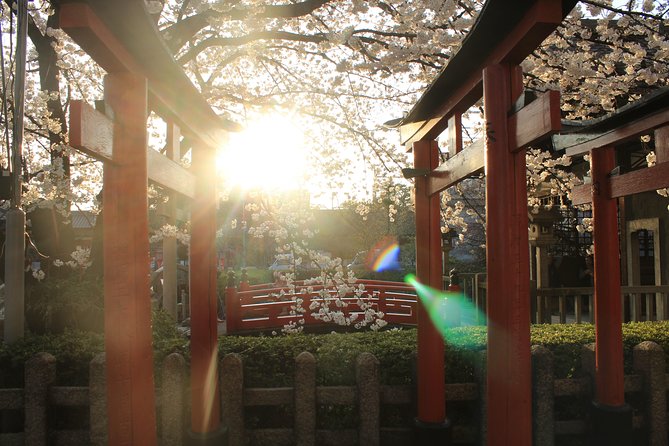
This tour’s real advantage is that your host helps you navigate off the main trail while still hitting meaningful spots. The experience includes a stroll along the riverbank or a shrine visit off the most crowded routes, depending on the flow of the day.
From guide names in the provided feedback, the style is consistent:
- Jose is described as laid-back and friendly, with a real love for the city
- Afifa is praised for personalizing the route and even finding pink cherry blossoms for one guest
- Fatima is noted for being fun and making the trip feel personal
- Eva is remembered for talking about life and traditions in Japan, plus showing less touristy spots
So what does that mean for you? You’re more likely to get context and small course corrections. Instead of just reading signs, you’ll understand why certain places feel special and how locals treat sakura season.
Practical tip: tell your host what you care about most. If you’re chasing a specific color of blossom, a calmer vibe, or more food time, say it early. The tour’s structure is built for a host to adjust.
Pricing and value: what $290.79 buys in Kyoto
Let’s talk money with clear eyes. At $290.79 per person for about 4 hours, you’re paying for:
- A private walking experience with a local host
- Entry to a route that avoids the easiest crowd traps
- A department-store depachika shopping stop
- A traditional picnic with bento, sushi platter, sweets, and drinks
- Optional meet-up at your central location accommodation
- A mobile ticket (so you’re not dealing with paper logistics)
If you compare this to a group tour, it can look expensive. But in Kyoto cherry blossom season, the cost of “figuring it out” is often your time and your comfort. This gives you a guided plan, plus the meal experience that many self-guided travelers skip because it takes decision time.
When it’s especially good value
- You want a quieter experience rather than standing shoulder-to-shoulder
- Food is a big part of your travel style
- You don’t want to spend precious sakura hours decoding where to picnic and what to buy
- You’d rather pay for guidance than fight crowds
When it may feel less worth it
- You’re mostly after photos and don’t care about guided choices
- You already have a solid game plan for hanami spots and food halls
- You’re trying to keep costs tight and you don’t mind navigating on your own
Pacing, logistics, and where to meet
The tour runs about 4 hours and ends back at the meeting point. The meeting point is FamilyMart, Kyoto Gion300 (Gionmachi Kitagawa), Higashiyama Ward, Kyoto. It’s also noted as near public transportation, which helps a lot because getting to Gion areas can be simpler than you’d expect.
Here’s what the pacing usually implies:
- You’ll walk between two cherry-focused areas
- You’ll shop for picnic food at depachika
- You’ll sit down long enough to actually eat and enjoy the blossoms
Practical tip: wear shoes that work for walking and standing. Even when a tour is “just four hours,” sakura days can involve lots of slow steps and time spent where the view is best.
Transportation costs aren’t included, so plan to cover your own gets to and from the meeting point.
Who should book this Kyoto sakura experience
This is a strong fit if you want:
- A private cherry blossom day with a host who adapts
- Better-than-average hanami spots and a less chaotic feel
- A picnic that tastes like Kyoto spring, not a random grab-and-go lunch
- A guide who can explain traditions in everyday terms
It’s also a good choice for solo travelers or couples who want to do something special without turning the day into planning stress.
If you prefer a temple-and-museum agenda or you want to maximize multiple major sites in one day, you might find four hours limiting. In that case, you could still enjoy the food and sakura, but it won’t replace a full sightseeing day.
Should you book this Kyoto cherry blossom tour?
Yes, if you’re aiming for a more personal sakura day than the standard crowd loop. The pairing of Maruyama Park + Kyoto Gyoen + depachika picnic is exactly the kind of planning that saves energy in busy season. Add the host element, and you’re more likely to get comfortable quickly and see blossoms in more than one mood.
I’d skip it or consider alternatives if you’re budget-first or if you already know you’ll be happy winging it with a grocery-bought picnic. For most people, though, paying for the food stop plus a local host who steers you to calmer viewing is what makes this tour feel worth it.
If you book, do two things: arrive with a food preference in mind (so your depachika choices match you), and tell your host what kind of cherry-viewing you want most—quiet, romantic, photo-focused, or very food-forward.
FAQ
How long is the Kyoto cherry blossom experience?
It lasts about 4 hours.
Is this tour private?
Yes. It’s a private tour/activity, and only your group will participate.
Where do I meet, and where does the tour end?
The start is at FamilyMart (Kyoto Gion300, Gionmachi Kitagawa, Higashiyama Ward, Kyoto). The tour ends back at the meeting point.
What’s included in the picnic?
The picnic includes a bento box, a shared sushi platter, Japanese sweets, and two drinks.
Are attraction tickets included?
No. Tickets to any attractions are not included.
Do I need to pay for transportation?
Transportation costs are not included, so you’ll need to arrange your own travel to and from the meeting point.
Is it possible to meet the host at my accommodation?
Yes, an optional meet-up at your central location accommodation is offered.
What kind of ticketing does it use?
It includes a mobile ticket.
Can I cancel and get a refund?
You can cancel for a full refund if you cancel up to 24 hours in advance of the experience start time.
Are service animals allowed?
Yes, service animals are allowed, and most travelers can participate.