REVIEW · KYOTO
Kyoto: Highlights Guided Walking Tour
Book on GetYourGuide →Operated by Made in Nippon · Bookable on GetYourGuide
Kyoto makes more sense on foot. This 3–4 hour walk connects Kyoto Station-area landmarks, major temples, and the atmospheric streets people actually wander, all led by a real local guide like Yu Noda. I love that the route is structured but not rigid, so you get context fast without feeling herded.
My second favorite part is the mix of sacred spaces and everyday Kyoto. You’ll move from Kiyomizu-dera’s dramatic wooden stage views to Gion’s Hanamikoji street and then on to Nishiki Market for local flavors. The only drawback I’d flag: food and drinks aren’t included, and you’re walking a lot across old-street terrain, so plan a simple snack strategy.
In This Review
- Key things I’d watch for before you go
- Kyoto Avanti to Kiyomizu-dera: where the day gets real
- A note on transit and comfort
- Kiyomizu-dera: the UNESCO stop with the dramatic stage
- Timing reality
- Yasaka Shrine and the spiritual thread of eastern Kyoto
- Why 20 minutes works
- Sannenzaka and the old-street approach to Gion
- A practical tip
- Hanamikoji Street: geisha-town atmosphere in motion
- Don’t rush it
- Crossing the Kamo River into Pontocho Alley’s glow
- A note on food
- Nishiki Market and Nishiki-Tenmangu: Kyoto’s food and shrine layers
- How to enjoy both without getting overwhelmed
- Nijo Castle as a grand closer with nightingale floors
- Why ending here works on a walking tour
- Price and value: what $34 really buys you
- Who this tour is best for (and who might want something else)
- Booking check: should you book this Kyoto Highlights walk
- FAQ
- Where is the meeting point for the tour?
- How long is the Kyoto Highlights guided walking tour?
- What languages are the live tour guides?
- Is food and drinks included in the tour price?
- Is transportation included?
- What places will the tour visit?
- What is the cancellation policy?
- What should I bring with me?
- Are wheelchairs allowed?
Key things I’d watch for before you go
- Yu Noda’s on-the-ground storytelling: guide insights that turn landmarks into something you understand, not just see.
- A smart sequence of Kyoto highlights: temple to shrine to heritage streets to food street, without long detours.
- UNESCO Kiyomizu-dera with city-view stakes: the wooden stage and seasonal scenery are the star here.
- Gion at the human pace: Sannenzaka, Hanamikoji, and the chance to see geiko/geisha heading to engagements.
- Night-light Kyoto at Pontocho Alley: lantern-lit restaurant lane across the Kamo River.
- Shogun-era atmosphere at Nijo Castle: famous nightingale floors plus gardens as a grand closer.
Kyoto Avanti to Kiyomizu-dera: where the day gets real

The meeting point is in front of Kyoto Avanti, easy to find if you’re already using Kyoto Station as your base. The tour kicks off with a short bus/coach segment, then you start walking toward Kiyomizu-dera. That setup matters: you’re not spending your limited time figuring out how to get out of the station maze. You’re already moving in the direction of the city’s big spiritual and historic center.
Right away, the tour’s style shows itself. You’re not just checking boxes. You’re walking through the layers of Kyoto: approach streets with traditional shops, then the temple complex, then onward to shrines and neighborhoods where daily life still has a strong cultural rhythm. Reviews highlight that Yu was able to tailor the experience and answer personal interests, which is exactly what you want from a guided route in Kyoto.
You can also read our reviews of more walking tours in Kyoto

A note on transit and comfort
Transportation is listed as not included. Since the itinerary includes a bus/coach transfer, I recommend treating that as something you may need to pay for separately. Also, the walk is only 3–4 hours, but Kyoto streets can include slopes and uneven stones around older districts. Comfortable shoes are non-negotiable, even if you think you are a light walker.
Kiyomizu-dera: the UNESCO stop with the dramatic stage
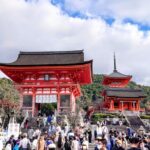
Kiyomizu-dera is the first major anchor, with about 30 minutes here including guided touring and sightseeing. The headline feature is the wooden stage overlooking Kyoto’s cityscape, plus the way the temple’s beauty shifts with the seasons. Even if you have seen temple photos before, being there changes how you read the structure. The stage isn’t just scenic. It’s part of the story of how people came to worship and gather.
What I like about this stop on a walking tour is the guided lens. You’re not left staring up and guessing what matters. A good guide points out what to look for, and why the setting was designed to connect sacred space with the city beyond it. One of the review highlights was the guide’s knowledge and personal engagement, and this is the type of place where that really shows.
Timing reality
30 minutes sounds short, but it’s a good fit for a highlights tour. You get the essentials without losing the rest of your day to one location. If you’re someone who prefers slow temple wandering, you may want to pair this tour with additional solo time afterward.
Yasaka Shrine and the spiritual thread of eastern Kyoto

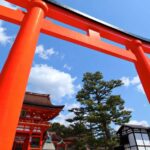
Next up is Yasaka Shrine for about 20 minutes of guided visit and sightseeing. This shrine is a major spiritual symbol for Kyoto, and the tour uses it to link Kiyomizu-dera’s presence with the city’s ongoing religious life. You’ll walk and learn as you move, which is a simple way to understand how Kyoto’s sacred sites form a network rather than isolated tourist stops.
This is also one of the moments where a guide helps you avoid the usual trap: thinking you need to read every sign. Instead, you follow the story, and you start noticing patterns like where people pause, how the space is used, and what the shrine atmosphere feels like when you slow down for a few minutes.
You can also read our reviews of more guided tours in Kyoto


Why 20 minutes works
If the tour were longer, you could spend hours. But 20 minutes is enough to absorb the meaning and then move on while the day still feels energetic.
Sannenzaka and the old-street approach to Gion
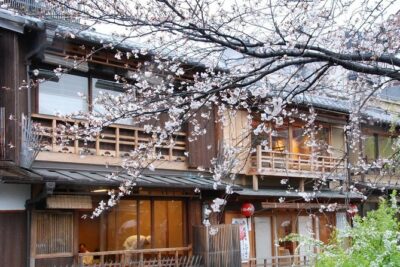
From there you head into Sannenzaka for about 20 minutes, with guided touring and sightseeing. Sannenzaka is the kind of street where you can feel the old Kyoto shopping street energy even if you’ve only been in the area for an hour. Traditional shops line the approach, and it makes sense as a transition from the shrine world into the neighborhood world.
What I like about Sannenzaka as a stop is that it teaches your eyes. You start seeing the difference between a pretty street and a street that used to matter for how Kyoto people lived, bought things, and moved around. The tour’s pacing keeps you walking through the texture rather than treating it like a quick photo line.
A practical tip
If you’re hoping for the best photos, look up and to the sides as much as you look forward. Old streets in Kyoto reward observation, and the guide can help you spot what is worth your attention.
Hanamikoji Street: geisha-town atmosphere in motion

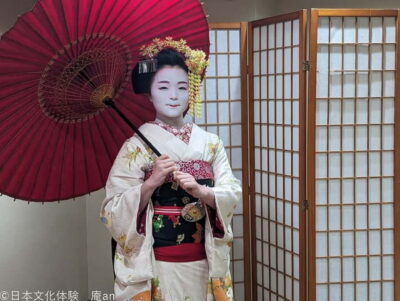
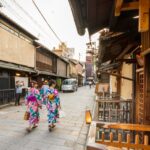
Then comes Hanamikoji Street in Gion for about 20 minutes. This is one of the most famous Kyoto streets for a reason: it feels like an elegant corridor between history and the present. The tour description notes a chance to spot elegantly dressed geisha heading to evening appointments.
Even if you don’t see them, the value is still there. Hanamikoji is a living stage where the mood of Kyoto comes through: clothing style, street scale, and the way people move. A guide also helps you understand what you’re looking at, so you are not just scanning for a celebrity sighting.
Don’t rush it
20 minutes is tight, but it’s enough time to let the street reveal itself. If you keep snapping photos nonstop, you’ll miss the small details that make this place feel different.
Crossing the Kamo River into Pontocho Alley’s glow
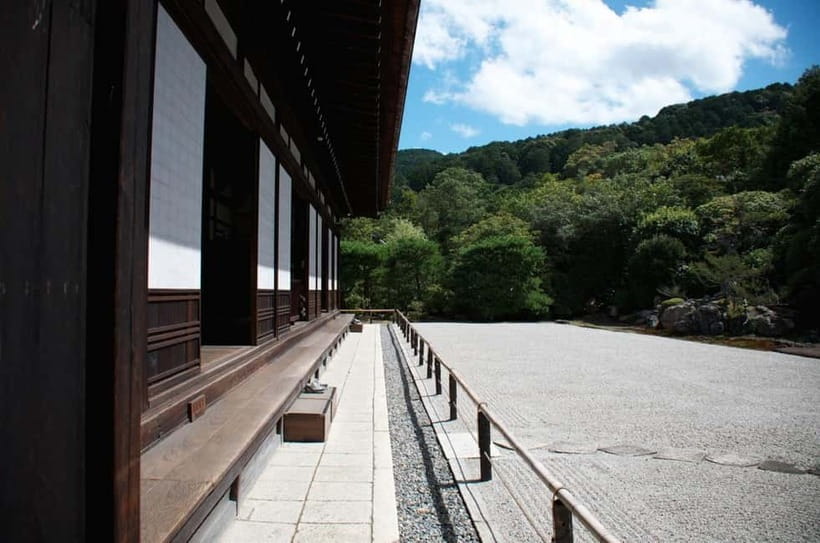
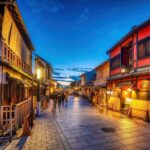
After Gion, the tour crosses the Kamo River for about 10 minutes, then heads into Pontocho Alley for about 20 minutes. This stretch is one of the best rhythm changes in the whole walk: more open views near the river, then a return to narrow lanes and lantern light.
Pontocho Alley is described as a narrow lane filled with lantern-lit restaurants, and that matches the feel. It’s the kind of place where you start understanding Kyoto at night before the night even fully arrives. The guide can point out what to notice about the lane—how the restaurants relate to the street, how the atmosphere shifts, and why this area draws people.
A note on food
Food and drinks aren’t included on the tour. That’s fine. It also means you stay flexible. If you want to try something after you’ve built your appetite with the walking route, Pontocho and Nishiki Market are great places to decide in the moment.
Nishiki Market and Nishiki-Tenmangu: Kyoto’s food and shrine layers
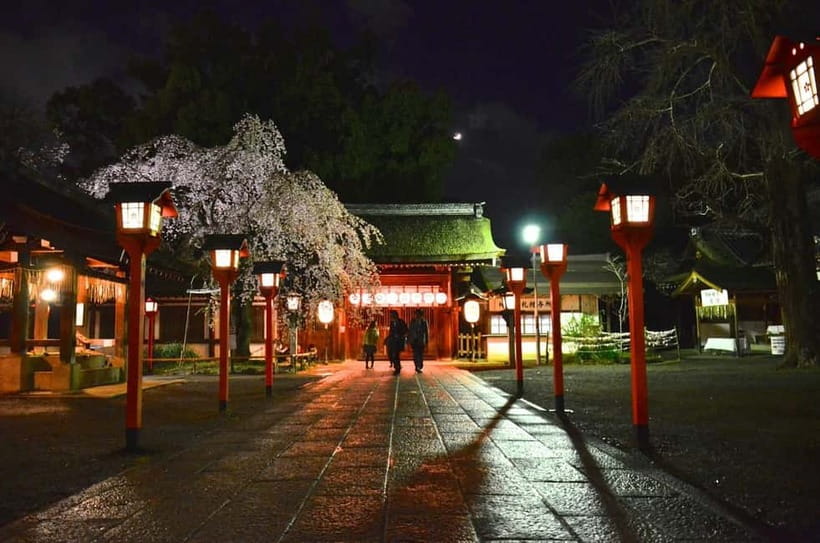
Nishiki Market is next, with about 20 minutes. It’s often called Kyoto’s Kitchen, and the idea is simple: you can see, smell, and taste local delicacies. Because food isn’t included, the best strategy is to bring small cash for a few bites you can choose as you go. Even when you don’t eat a lot, Nishiki Market is worth it for your senses and for watching how the market works.
Then you’ll visit Nishiki-Tenmangu Shrine for about 10 minutes. That might feel short next to a market, but it’s a smart pairing. You get both Kyoto’s cultural palate and its spiritual texture in the same arc of time. A guide also helps you avoid treating the shrine like a random stop squeezed between snack decisions.
How to enjoy both without getting overwhelmed
If you want to eat at Nishiki Market, keep it light during your time here. The tour still has more walking and a grand finale. If you snack too heavily, you’ll feel it later.
Nijo Castle as a grand closer with nightingale floors
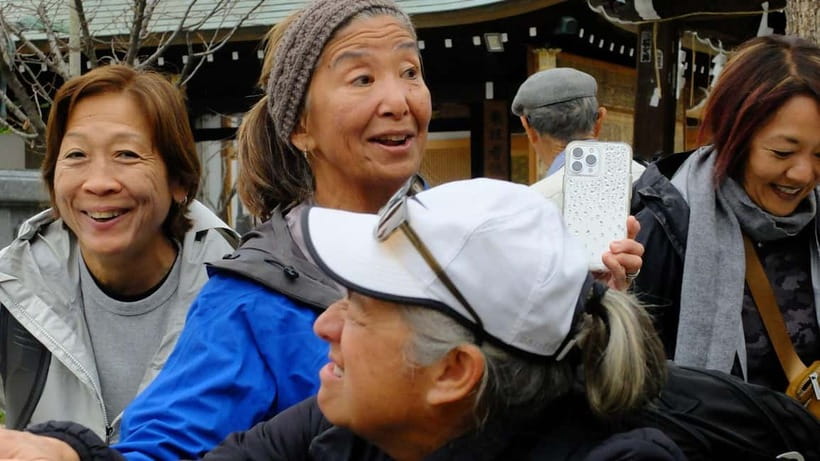
The tour’s final big theme includes Nijo Castle, known for its nightingale floors and exquisite gardens, before returning toward Kyoto Station. This is a high-impact way to end: you start with Kiyomizu-dera’s stage views and finish with a former shogun residence setting that feels formal and powerful.
The nightingale floors are famous for a reason. Even if you only learn about the concept during your time there, it adds a layer of intrigue to the architecture. The gardens then balance the experience, keeping it from becoming only about stories of power.
Why ending here works on a walking tour
Nijo Castle feels like a natural capstone. You’ve already moved through temple streets, shrine rhythm, and neighborhood lanes. Finishing with a grand residence turns your day into more of a full Kyoto storyline than a list of separate sights.
Price and value: what $34 really buys you
At $34 per person for a 3–4 hour guided walking tour, the value comes from the structure. This price includes a personalized walking tour with a local guide. That matters in Kyoto, where getting context can make the difference between looking at a place and understanding it.
What you should mentally subtract: food and drinks aren’t included, and transportation isn’t included either. That doesn’t make it a bad deal. It just means you should budget a little extra for snacks at Nishiki Market and for any transit costs tied to the bus/coach segment.
So the real question becomes: do you want a guide to connect dots across multiple neighborhoods in a limited time? If yes, this price looks fair for what you get—especially with the chance of a highly engaged guide like Yu Noda from the experiences you shared.
Who this tour is best for (and who might want something else)
This tour fits you best if you:
- want a one-day route that links major Kyoto areas without complex planning
- enjoy learning as you walk, with a guide who can answer questions
- like the blend of sacred sites plus streets like Hanamikoji and Pontocho
It may feel less ideal if you:
- want long, slow time inside big attractions (this tour is built for highlights)
- hate walking on uneven surfaces, even for a short duration
- expect the tour to include meals (it doesn’t)
Booking check: should you book this Kyoto Highlights walk
I’d book it if you want a practical way to get Kyoto context fast, and you’re happy to handle your own food choices. The big win here is the guided flow across Kiyomizu-dera, Yasaka Shrine, classic old streets, Gion atmosphere, Nishiki Market, and the finish at Nijo Castle. That’s a lot of emotional variety in one afternoon.
I’d skip or consider other options if you know you want a foodie day that includes tastings, or if you prefer self-paced wandering without any scheduled stops. In those cases, a solo itinerary might match your style better.
If you do book, take advantage of the guide. Ask about what you’re looking at in the moment, not just what the next landmark is. That turns a good walking tour into a memorable one.
FAQ
Where is the meeting point for the tour?
Meet in front of the entrance of Kyoto Avanti.
How long is the Kyoto Highlights guided walking tour?
The duration is 3 to 4 hours.
What languages are the live tour guides?
The tour offers English and Japanese live tour guiding.
Is food and drinks included in the tour price?
No. Food and drinks are not included.
Is transportation included?
No. Transportation is not included, even though the route includes a short bus/coach segment.
What places will the tour visit?
You’ll visit Kiyomizu-dera, Yasaka Shrine, Nishiki Market, Sannenzaka, Hanamikoji Street, the Kamo River area, Pontocho Alley, Nishiki-Tenmangu Shrine, and Nijo Castle, then return toward Kyoto Station.
What is the cancellation policy?
You can cancel up to 24 hours in advance for a full refund.
What should I bring with me?
Bring a credit card and cash.
Are wheelchairs allowed?
Non-folding wheelchairs and electric wheelchairs are not allowed.
If you want, tell me your travel dates and what you care about most—temples, food, or geisha streets—and I’ll help you decide whether this route fits your day in Kyoto.