REVIEW · KYOTO
Fushimi Kyoto Walking Tour with Sake Tasting and Canal Boat Ride
Book on Viator →Operated by TripGuru · Bookable on Viator
Fushimi can feel like Kyoto’s quieter backstage. This walking-and-boat tour strings together Choken-ji Temple, a long canal ride on a traditional Jikkoku-bune, and a structured sake stop that makes the whole area make sense. I love that the pace is light enough to enjoy Kyoto, not just rush through it, and the small group keeps things from turning into a factory line.
My favorite part is the way the tour mixes senses. You get a guided look at how sake is made at Gekkeikan Ōkura Sake Museum, then you actually do a sake tasting instead of just watching and moving on. If Marcelo is your guide, you’ll likely get extra clarity about why waterways mattered in Kyoto’s history, not just surface-level facts.
One thing to plan around: the experience depends on good weather. If it’s poor weather, you may need to switch dates, and the canal component is hard to replace on the spot.
In This Review
- Key highlights you’ll feel while you’re there
- Fushimi in 3.5 hours: temples, canals, and sake that actually connect
- Meeting points and pacing: how the 9:00 am start shapes your day
- Stop 1: Choken-ji Temple and why this quiet pause matters
- Stop 2: Fushimi Jikkoku-bune canal boat ride (the best view in the whole route)
- Stop 3: Gekkeikan Ōkura Sake Museum—how the making leads to the tasting
- Stop 4: Fushimi Yume Hyakushu Cafe for a breather (and old-house atmosphere)
- Sake tasting basics: how to enjoy it (and not just collect cups)
- Price and value: why $58 feels fair for what you get
- Who this tour fits best (and who might want a different plan)
- Should you book this Fushimi canal and sake tour?
- FAQ
- How long is the Fushimi Kyoto Walking Tour with Sake Tasting and Canal Boat Ride?
- What’s included in the tour price?
- What are the main stops?
- Where do you meet and where does the tour end?
- How big is the group?
- Is there free cancellation or weather backup?
Key highlights you’ll feel while you’re there
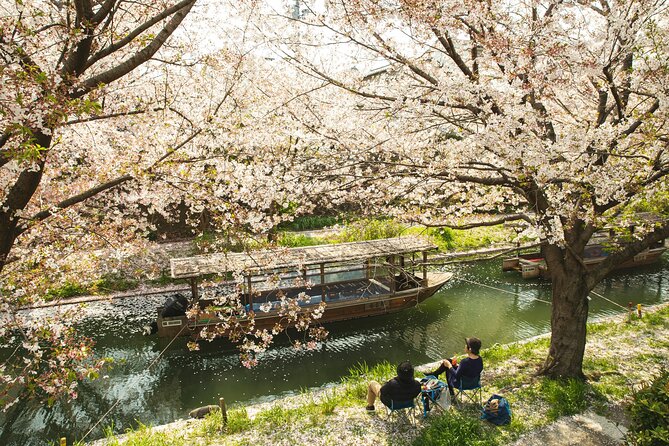
- Traditional Jikkoku-bune canal boat ride through willows and old warehouse lanes
- Choken-ji Temple visit with a calm break from train-and-shop Kyoto
- Gekkeikan Ōkura Sake Museum plus hands-on tasting time
- Small group size (max 9 travelers) for better pacing and Q&A
- Fushimi Yume Hyakushu Cafe to decompress in a former merchant house
- English-speaking guide who ties the stops together so it clicks
Fushimi in 3.5 hours: temples, canals, and sake that actually connect
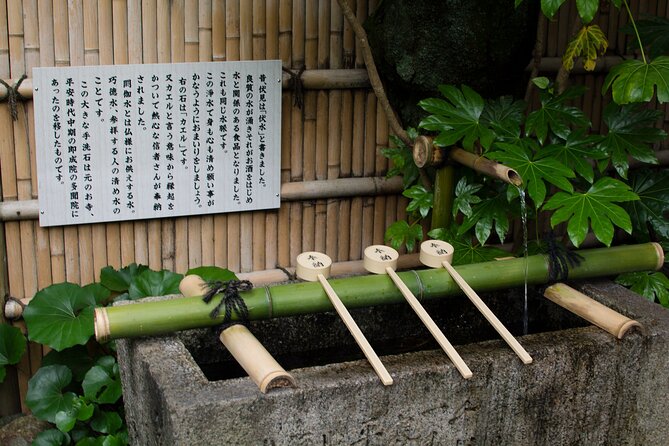
This is a half-day plan built around one area—Fushimi—so you’re not constantly relocating. That matters because Fushimi is one of those places where details make the story. The canals, the old sake warehouses, the temple setting, and the brewery stop are all part of the same ecosystem.
You start with a temple visit, then switch to waterways, then land at one of the famous sake names in Kyoto. That order works well. Temples slow your brain down. The canal ride gets you moving again and gives you a new vantage point. Then the museum and tasting put all that “why” into a taste you can remember.
The price—$58 per person—feels reasonable once you realize what’s bundled: the English guide, the walking tour, the boat fee, and the sake tasting. In Kyoto, those add up fast if you piece things together on your own, especially when you also want someone to interpret what you’re seeing.
You can also read our reviews of more walking tours in Kyoto

Meeting points and pacing: how the 9:00 am start shapes your day
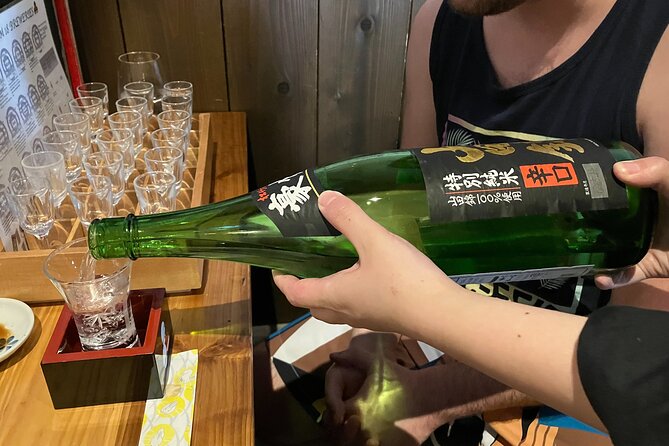
The tour starts at Chushojima Station (Fushimi Ward, Kyoto) and runs about 3 hours 30 minutes, with a 9:00 am start. It ends at Fushimi Yume Hyakushu Cafe (Minamihamachō area, near the provided address).
That timing is a plus. A morning start gives you cooler walking, fewer crowds, and time to keep exploring after you finish—rather than feeling trapped in a full-day schedule. It also helps with the temple visit, since quiet moments are easier when the day hasn’t fully kicked off.
Group size is capped at 9 travelers. For you, that usually means fewer delays and more flexibility if you have questions—especially during the sake portion. And yes, you’ll use a mobile ticket, which is convenient if you don’t want to manage paper.
Stop 1: Choken-ji Temple and why this quiet pause matters
Your first stop is Choken-ji Temple for about 30 minutes. The key word here is calm. Fushimi is active, but this temple stop gives you a reset—space to observe, ask questions, and understand Kyoto’s spiritual side without sprinting.
The tour includes guidance in English, and the structure matters: you’re not just dropped at a temple gate. You get explanations tied to spiritual traditions, so you can see what you’re looking at as more than architecture and gravel paths.
Practical tip: plan for a slower rhythm at this stop. Kyoto temples often reward you for standing still for a minute. If you rush photos, you miss the atmosphere. Bring a light layer if the morning is cool, since temple grounds can feel breezy.
This stop is listed as free admission, so there’s no extra ticket hassle—just show up ready to listen and look.
Stop 2: Fushimi Jikkoku-bune canal boat ride (the best view in the whole route)
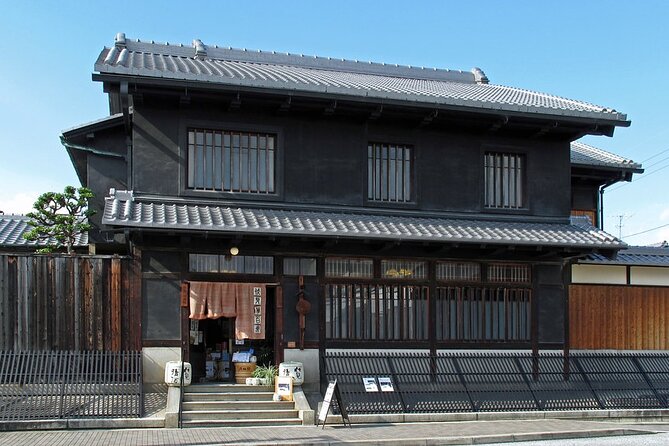
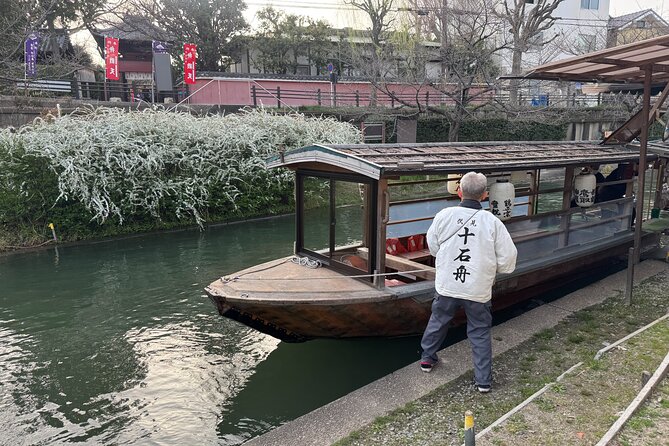
Then you shift to the water. The Jikkoku-bune boat ride takes about 1 hour, and it’s included. This is where the tour earns its keep.
From the boat, you see Fushimi from the perspective that built the district. The canals run past willows and traditional sake-warehouse areas, so the scenery isn’t just pretty—it’s functional. In Kyoto, transport and trade shaped everything, and the guide helps connect those dots.
A standout detail: your guide explains the locks and the importance of waterways. That’s exactly the kind of context that turns a simple sightseeing cruise into understanding. You stop thinking of “a canal” and start thinking of a working system that supported the sake industry and daily life.
Practical tip: the boat part can be photo-heavy, but keep your bags secure and your posture comfortable. If you get motion-sensitive, sit in a spot that feels stable and take slow breaths between scenery stops.
If you care about authentic Kyoto, this is the part that feels the most local. It’s not a staged performance. It’s a traditional way to move through the same water network that shaped Fushimi.
Stop 3: Gekkeikan Ōkura Sake Museum—how the making leads to the tasting
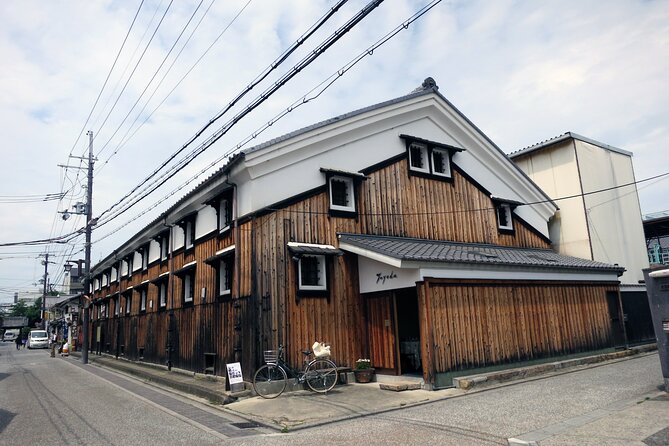
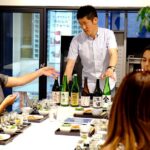
Next is Gekkeikan Ōkura Sake Museum for about 1 hour. Admission is listed as free for this stop, but what you’re really paying for is the guide-led connection between brewing history and what you’ll taste later.
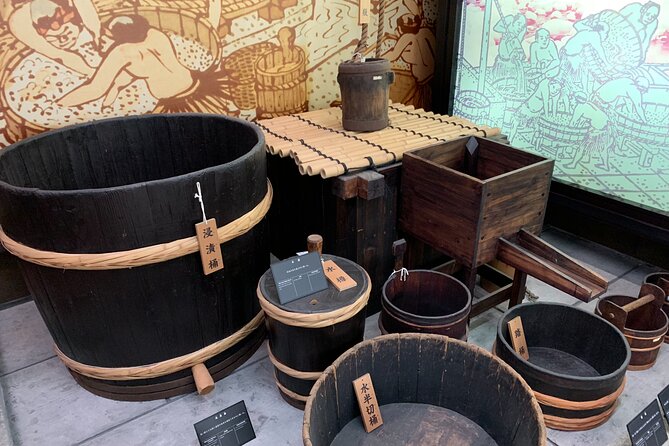
Inside, you’ll see how sake brewing developed over centuries—historical tools and techniques are part of what’s shown. And the museum stop doesn’t end with facts. You also get sake tasting as part of the overall tour experience.
One of the reasons this works for first-timers is that you get a sense of process before you start sampling. That keeps you from treating the tasting like a random flight of drinks. Instead, you taste with a framework: you can pay attention to differences you’d otherwise miss.
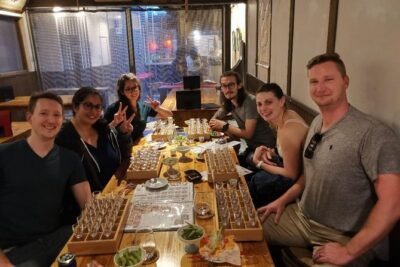
What to watch for during the tasting: take small sips and compare notes in your head. Your palate will make more sense of the differences if you don’t rush. And if you’re not a big alcohol fan, don’t force it—pace yourself. You can enjoy learning even if you don’t want to drink a lot.
If Marcelo is your guide, expect a clear, friendly explanation style. The best guides don’t just list facts; they make you understand why the details matter.
You can also read our reviews of more food & drink experiences in Kyoto

Stop 4: Fushimi Yume Hyakushu Cafe for a breather (and old-house atmosphere)
After the sake and boat, you finish with a 30-minute stop at Fushimi Yume Hyakushu Cafe. Admission is listed as free here too.
This is a smart closing move. A temple, a boat, and a brewery can stack up fast for your senses, so the cafe gives you a place to sit, decompress, and reflect. The setting is a former merchant house, which helps you stay in the right mood for Fushimi—less “tour mode,” more “slow Kyoto.”
Practical tip: treat this as your reset. If you want snacks later, you might grab water or something light here so you’re not scrambling after the tour ends.
The tour ends at the cafe’s location, so it’s also a natural jumping-off point for any post-tour wandering in the area.
Sake tasting basics: how to enjoy it (and not just collect cups)
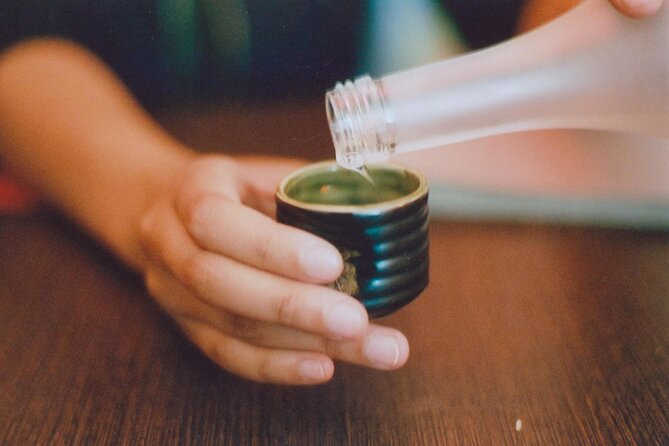
The sake tasting is a highlight, but it can also be the part where people overdo it or tune out. Here’s how to get the most out of it with minimal effort.
First, go in with curiosity, not a mission. You don’t need to rank everything like a sommelier. Your guide’s job is to explain what you’re tasting, and your job is to notice differences in scent and flavor—then let your personal preference lead.
Second, slow down between sips. If you’re comparing multiple types, your palate needs a moment to reset. Even a brief pause helps you separate flavors instead of blending them together.
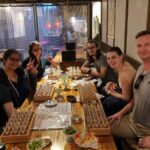
Third, ask your guide questions. With a max group size of 9, you’re more likely to get time to talk. And because the museum walk precedes the tasting, your questions will land better than if you start sampling first.
Finally, plan your day accordingly. This is a tour where alcohol is included, so keep your next steps easy. If you’re going to do a long walk right after, bring water and wear comfortable shoes.
Price and value: why $58 feels fair for what you get
Let’s do a straight value check. At $58 per person, you’re buying more than a few checkmarks. You’re paying for:
- an English-speaking guide who connects the stops
- a walking tour format that keeps you oriented
- the boat fee for the canal ride
- sake tasting time tied to the museum visit
Some stops on the route are free admission (Choken-ji, the sake museum stop, and the cafe), which reduces the “pay for tickets” feeling. But the big-ticket piece is the boat and the guided tasting portion—those are harder to replicate cheaply without organizing yourself.
This tour also avoids the common downside of group tours: too many people, too little explanation. The maximum of 9 travelers supports a calmer pace and better listening—especially during the museum and tasting segments.
If you’re the kind of traveler who wants authentic local rhythm—temple calm, canal perspective, brewery insight—this price is in the sensible range for Kyoto.
Who this tour fits best (and who might want a different plan)
This tour suits you if you want a clear structure for exploring Fushimi without burning half a day getting lost. It’s also a good match if you like mixing viewpoints: land (temple and cafe) and water (canal ride), then a sensory payoff (tasting).
It’s especially good for first-time Kyoto visitors who want a focused district experience. The route makes the area easier to understand—Fushimi isn’t just a photo location; it’s a place where water and brewing shaped daily life.
A possible mismatch: if you’re not interested in any alcohol at all, or you hate guided tastings, you may find the museum-and-taste format less compelling. You can still enjoy the museum portion, but the tour’s centerpiece includes tasting.
Also keep in mind that the experience requires good weather, so if your trip dates are shaky, you’ll want a flexible schedule.
Should you book this Fushimi canal and sake tour?
I think you should book it if you want Fushimi to make sense fast. This tour is one of the better formats for Kyoto because it ties together Choken-ji, the Jikkoku-bune canal ride, and Gekkeikan Ōkura in a way that’s easy to follow and genuinely memorable.
Book it if:
- you want a morning start and a half-day plan
- you’d enjoy learning why canals and brewing mattered
- you like the idea of tasting sake after seeing how it’s made
- you prefer smaller groups (max 9)
Skip it or look for an alternative if:
- you don’t want any alcohol involved
- you’re visiting during weather you can’t realistically adjust for
- you prefer a fully self-guided day with no structured timing
FAQ
How long is the Fushimi Kyoto Walking Tour with Sake Tasting and Canal Boat Ride?
It runs about 3 hours 30 minutes.
What’s included in the tour price?
Included are an English-speaking guide, the walking tour, the sake tasting, and the boat fee.
What are the main stops?
The tour includes Choken-ji Temple, a canal boat ride on Fushimi Jikkoku-bune boats, Gekkeikan Ōkura Sake Museum, and a stop at Fushimi Yume Hyakushu Cafe.
Where do you meet and where does the tour end?
The tour starts at Chushojima Station (Fushimi Ward, Kyoto) and ends at Fushimi Yume Hyakushu Cafe (Minamihamachō area, Kyoto).
How big is the group?
The tour has a maximum of 9 travelers.
Is there free cancellation or weather backup?
Yes, there is free cancellation up to 24 hours in advance for a full refund. The experience requires good weather, and if it’s canceled due to poor weather, you’ll be offered a different date or a full refund.