REVIEW · KYOTO
Kyoto: Nijo-jo Castle and Ninomaru Palace Guided Tour
Book on GetYourGuide →Operated by KYOTO CITY TOURISM ASSOCIATION · Bookable on GetYourGuide
Feudal Japan comes alive fast. In this guided walk through Nijo Castle, I love how the Ninomaru Palace details turn big historical events into something you can actually picture, and I like that the guide points out what to look for from gate to room. You get a tight, well-paced tour that doesn’t just show buildings, it explains why they were built the way they were.
One consideration: the tour price does not include the castle admission, so you’ll need to pay the site entry fee separately in cash. Also, the palace interiors can be rules-heavy (some areas don’t allow things like photos and there’s no air-conditioning), so plan for that before you go.
In This Review
- Key highlights you’ll care about
- Why Nijo Castle’s Ninomaru Palace is the point
- Enter through the East Main Gate and get oriented quickly
- Kara-mon Gate: reading power in the design
- Ninomaru-goten Palace: where the guide turns rooms into meaning
- The Ninomaru Garden: a calmer finish that still fits the story
- How the timing works: a 1-hour tour that won’t derail your Kyoto plan
- Price and value: $16 plus admission, and why the guide still matters
- What to expect from the guide (and why names matter)
- Small-group feel and hearing the guide clearly
- Who this tour fits best
- Should you book the Kyoto Nijo-jo Castle and Ninomaru Palace guided tour?
- FAQ
- Is the tour conducted in English?
- How long is the guided portion?
- What is included in the tour price?
- Do I need to pay admission fees separately?
- Where do I meet the group?
- Can children join for free?
- When is Ninomaru-goten closed?
Key highlights you’ll care about
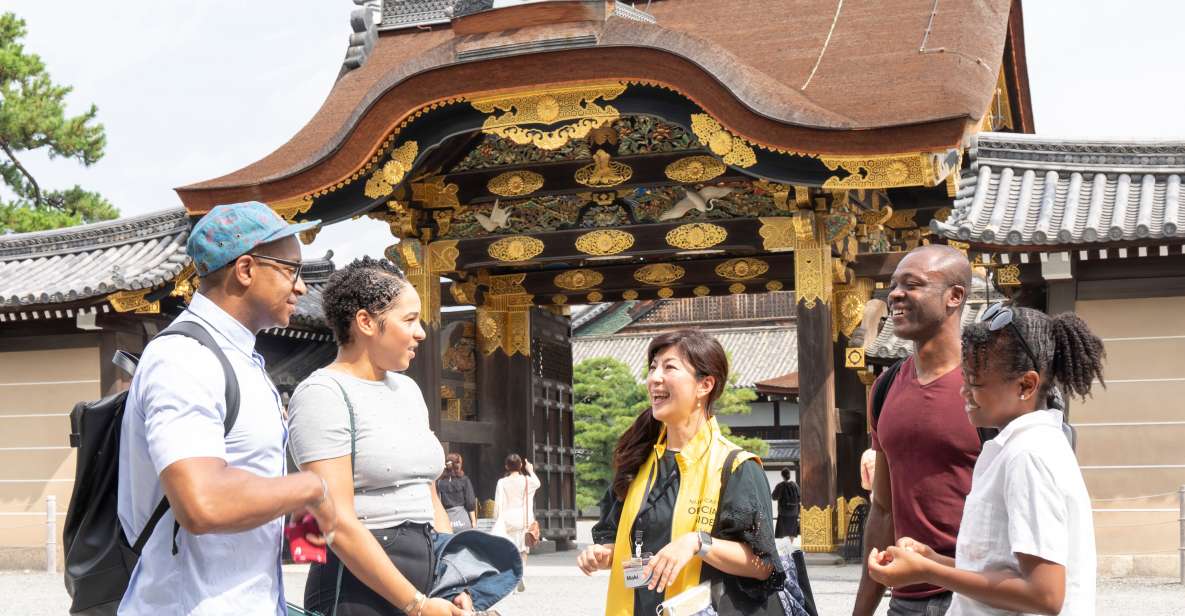
- Exclusive access to Ninomaru-goten Palace areas that are normally off-limits to regular visitors
- UNESCO-listed Nijo Castle with real Edo-era layout: Honmaru, Ninomaru, and the surrounding gardens
- English-only live guide who helps you connect architecture, symbols, and power politics
- A practical 1-hour format that fits Kyoto day planning without eating your whole afternoon
- Kara-mon Gate and Ninomaru Garden stops that make the palace visit feel complete
- Small-group energy in practice, including reports of groups as small as four people
Why Nijo Castle’s Ninomaru Palace is the point
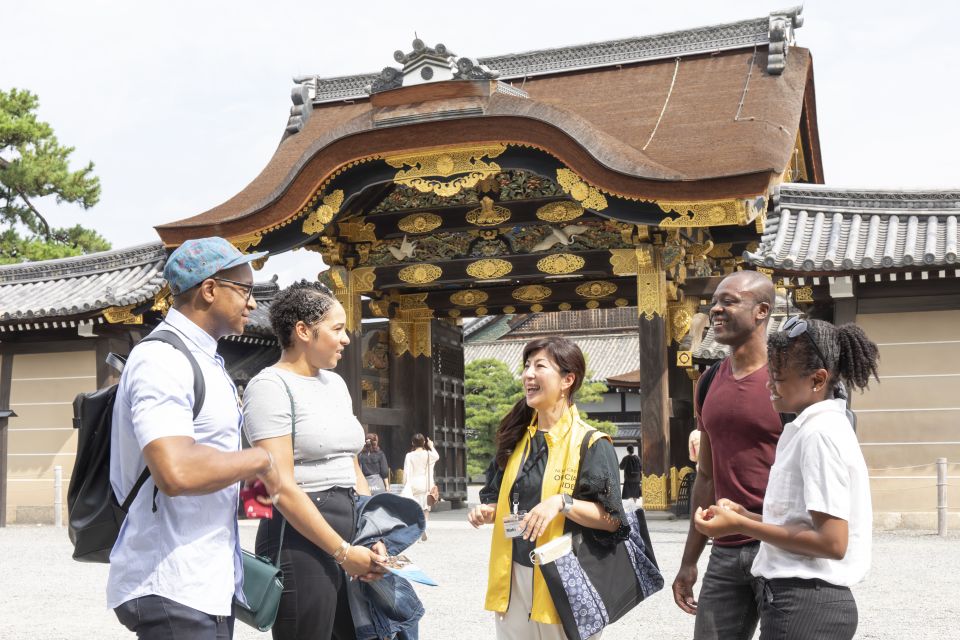
Nijo Castle is one of Kyoto’s clearest windows into Japan’s feudal era. Built in 1603 as the Kyoto residence of Tokugawa Ieyasu (the first shogun of the Edo Period), it later shifted roles: after the Tokugawa Shogunate ended in 1867, the castle served as an imperial palace, then was donated to Kyoto City and opened to the public.
What makes this tour especially worth your time is the focus on the Ninomaru side—where the shogun’s presence and authority were felt most. Nijo Castle is organized into three areas: the Honmaru (main circle of defense), the Ninomaru (secondary circle), and the gardens that wrap around both. Even if you walk on your own, you can miss the “why” behind what you’re seeing. A good guide helps you read the place.
You can also read our reviews of more guided tours in Kyoto


Enter through the East Main Gate and get oriented quickly
The meeting point is straightforward: you enter through the East Main Gate and meet at the reception area next to the General Reception (on the left side as you come in). Once you arrive, you’ll check in with staff so the group stays together before the tour begins.
That matters more than it sounds. Nijo Castle can get crowded, and this tour is only 60 minutes, with a guided route that depends on timing. If you’re not present when the tour starts, you won’t be able to join—so I’d treat the start time like a train, not a suggestion.
Kara-mon Gate: reading power in the design
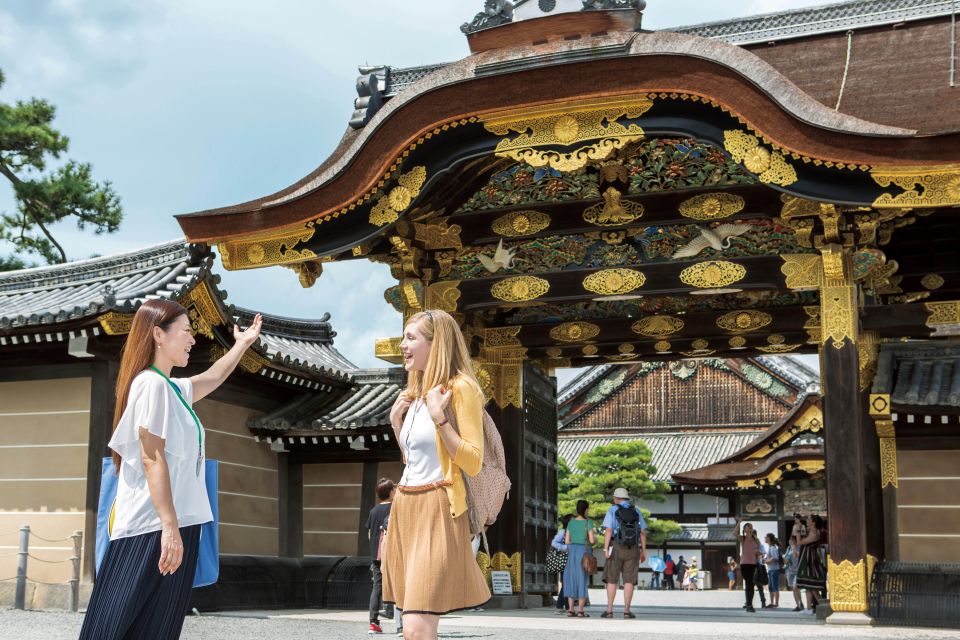
The tour includes the walk to the Kara-mon Gate (one of the castle’s landmark structures) and uses it as more than a photo stop. Gates like this aren’t just entrances; they’re visual statements. You’ll get context for how feudal authority showed up in craftsmanship, ornamentation, and layout.
This is where an English guide earns their keep. Even strong travelers can stand in front of carvings and say, nice detail—without knowing what it was meant to communicate. The better guides in this program have a habit of connecting those details to day-to-day court life and political messaging. One guide even mixed in surprising cultural references—like pop-culture style connections to carvings—while still tying it back to the original symbols.
Ninomaru-goten Palace: where the guide turns rooms into meaning
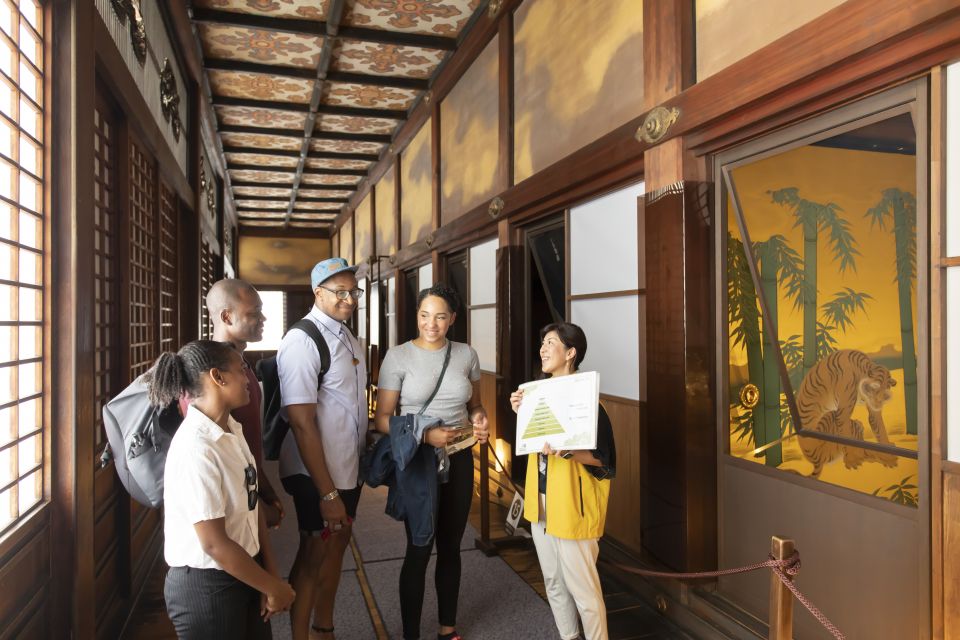
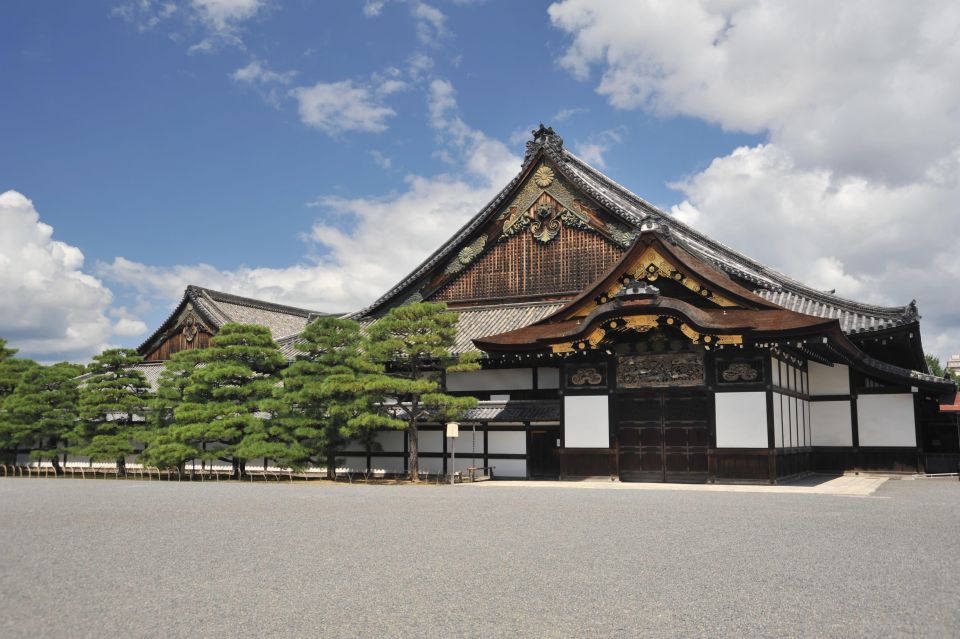
The centerpiece is Ninomaru-goten Palace, once used as the shogun’s residence and office during visits to Kyoto. The palace is still intact, which is a big deal. A lot of historic sites are “inspired by” the past. Here, you’re walking through structures that survived in a way that lets you study how people lived and worked in a power center.
Inside the palace, the guiding style makes the difference. The best tours keep you from getting lost in the sheer number of halls, doors, and decorative elements. A guide should help you understand what each room was for—so you’re not just staring at architecture, you’re matching spaces to function. In past groups, guides such as Kingo, Ai, Kaoru, Don, and Michiko stood out for clear explanations in English and for keeping the group together even when the palace area got busy.
A practical note from experience reports: palace interiors may come with restrictions like no water, no photos, and limited comfort (including lack of air-conditioning). If you’re going in hot months, plan to be patient and dress for heat. I’d also bring the calm mindset of a museum visit, not a sprint-and-snap.
The Ninomaru Garden: a calmer finish that still fits the story
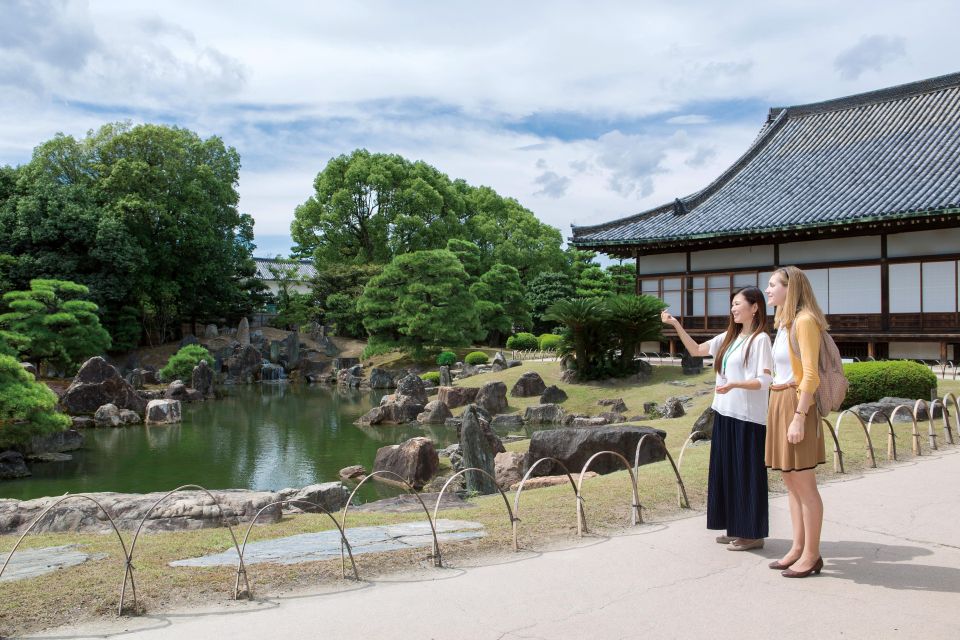
After the palace time, the tour continues into the Ninomaru Garden. This stop isn’t random greenery. In Japanese castles, gardens weren’t just for looks—they were part of how the space guided movement, offered views, and created a controlled atmosphere around authority.
This is also where the tour often feels less intense. People tend to slow down and actually look, partly because you’re walking outdoors and partly because the guide’s explanations give the scenery context. If the palace felt like learning a new language, the garden is where that language starts to make sense.





How the timing works: a 1-hour tour that won’t derail your Kyoto plan
This experience is listed as 1 hour, and that tight window shapes everything. You’re not meant to wander freely for long. Instead, you get a structured route: gates and the palace core first, then a garden segment to round it out.
In practice, that makes it a strong add-on if your Kyoto day is packed. You’re also unlikely to feel “late” for other sights, which is huge in a city where queues and walking time can stack up quickly. One more plus: because the tour is short, the guide can keep momentum without rushing you through the main points.
Price and value: $16 plus admission, and why the guide still matters
The tour fee is $16 per person, but castle admission is not included. You’ll need to pay the site entry fee on site with cash. One person reported admission at 1300 yen extra, which lines up with the idea that you’re paying two separate things: the guided service and the venue entry.
So is it good value? I think it often is, because the tour includes guided access to areas that are otherwise harder to reach. The highlights note exclusive access to part of the castle that’s normally unavailable to the public, and multiple people praised how the guide led them into spaces others couldn’t enter.
If your plan is to casually wander and read a few signs, you might not need a guide. But if you want to understand what you’re looking at—especially inside Ninomaru-goten Palace—the guide is usually the difference between a nice walk and a meaningful one. With English live guidance and earphones provided only to paid participants, the experience is built for comprehension, not just movement.
What to expect from the guide (and why names matter)
A recurring theme is that the guide isn’t just reciting facts. People highlighted guides for:
- clear English delivery
- room-by-room explanations
- answering questions
- keeping the group together in busier sections
Names that showed up in strong experiences include Ayu, Ai, Kaoru, Miki, Kaori, Don, and Kiku. While your exact guide can vary, this track record suggests you’re signing up for explanations that connect the architecture to daily life and power structure, not just dates.
Small-group feel and hearing the guide clearly
Even though the tour is short, it’s still a walking experience inside active tourist zones. Earphones are provided to paid participants, which helps you stay connected to the guide’s narration without craning your neck.
If you’re traveling with kids, there’s an important detail: the tour allows each paid participant to bring one child aged 0–12 for free, but earphones are only provided to paid participants. If your child needs earphones, you may need adult tickets for them (and each additional child beyond the first free one requires an adult ticket). Also, children must be accompanied by an adult during the tour.
Who this tour fits best
I’d aim for this guided tour if:
- you want Edo-period context without needing to research beforehand
- you care about how politics and symbolism showed up in design
- you want to spend only one hour at a major historic site
- you prefer a guide to decode rooms and decorations for you
It’s less ideal if you’re the type who wants to linger silently and take lots of photos with no restrictions. This tour can also be a bit warm in hotter seasons due to the lack of air-conditioning in palace interiors.
Should you book the Kyoto Nijo-jo Castle and Ninomaru Palace guided tour?
Book it if you want the fastest route to understanding why this castle matters, and you like guided walking that explains the logic behind the layout. The Ninomaru-goten Palace focus, plus the chance at exclusive access areas, makes it harder to replicate on your own in the same amount of time.
Skip or reconsider if you’re traveling with tight constraints around indoor rules (like no photos or limited comfort) or if you’re only looking for a casual stroll. In that case, you could go without the guide and plan to spend extra time reading signage.
If you do book: arrive early at the East Main Gate, bring cash for admission, and wear heat-friendly clothing in summer. Then let the guide do the heavy lifting—because Nijo Castle rewards attention, and this tour is built for that.
FAQ
Is the tour conducted in English?
Yes. The guide runs the experience in English only.
How long is the guided portion?
The tour is scheduled for 60 minutes.
What is included in the tour price?
The guided portion includes stops at the Higashi Ote-mon Gate, Kara-mon Gate, Ninomaru-goten Palace, and the Ninomaru Garden.
Do I need to pay admission fees separately?
Yes. The castle admission fee is not included and must be paid on site with cash.
Where do I meet the group?
Meet at the Nijo Castle Tour Ticket Booth area. After entering through the East Main Gate, gather at the reception area next to the General Reception (left side after entering).
Can children join for free?
Each paid participant can bring one child aged 0–12 for free. The child must be accompanied by an adult, and additional children require adult tickets. Earphones are provided to paid participants, and you may need adult tickets for children if earphones are required.
When is Ninomaru-goten closed?
Ninomaru-goten is closed on every Tuesday of July, August, December, and January, and it is closed from December 26th to January 3rd.