REVIEW · KYOTO
Kyoto Sushi Making Experience with a Professional Sushi Chef
Book on Viator →Operated by MagicalTrip Inc. · Bookable on Viator
One great way to understand Kyoto food is to make it yourself. This Kyoto sushi-making experience takes you from a local sweets stop to a chef-led restaurant session, ending in a calm Kyoto-style garden with matcha.
I really like how hands-on it is while still being easygoing. You learn classic skills from a true Taisho (experienced sushi chef), and you get to taste everything you make, not just watch.
The main thing to consider is time: the session runs about 3 hours 30 minutes, starting at 3:30 pm, so it works best if you want a planned food-focused evening rather than an open-ended hangout.
In This Review
- Key things to know before you go
- Kyoto at 3:30: where you start and how the evening flows
- From sweets to sushi: setting the flavor stage
- Meet the Taisho chef: learning nigiri and roll sushi the right way
- The sushi you make is the sushi you eat
- Tempura set: why it fits after sushi
- Sake tastings with pairing tips that actually help
- Matcha in a Kyoto-style garden: finish with calm
- Price and value: what you’re really paying for
- Who this is best for (and who should skip it)
- My take: should you book this Kyoto sushi-making class?
- FAQ
- How long is the Kyoto sushi making experience?
- What time does the experience start?
- What will I make during the class?
- Is there sake and matcha included?
- Do I need to know Japanese?
- Will I be handling sharp knives?
- What does the price include?
Key things to know before you go
- Small group size (max 8) makes it feel personal and practical
- Taisho-led sushi means real technique, but you are not stuck on safety worries
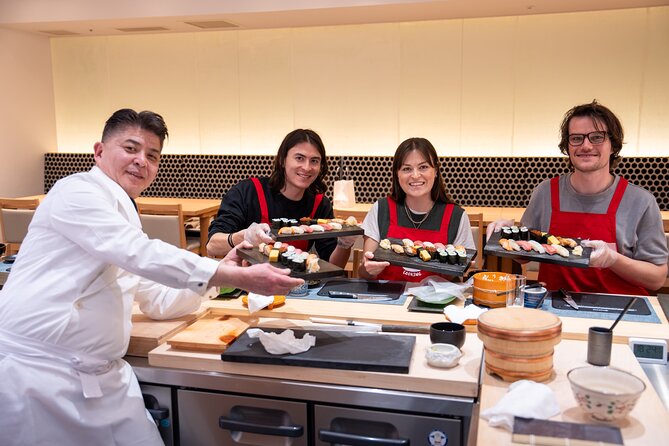
- You make 9 nigiri plus roll sushi, then eat it on the spot
- The class includes tempura, sake tastings, and Japanese sweets
- You end with a matcha whisking moment in a Kyoto-style garden
- Mobile ticket and an easy meeting point help you keep things simple
Kyoto at 3:30: where you start and how the evening flows
This experience is set up like a smooth food walk that turns into a full meal. You begin at 3:30 pm at Diesel604 Banochō, Nakagyo Ward, Kyoto (604-8172). It ends back at the same meeting point, so you do not need to figure out a late-night transit puzzle.
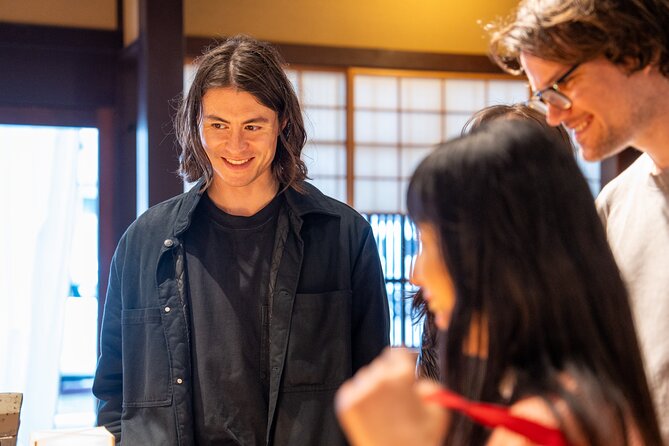
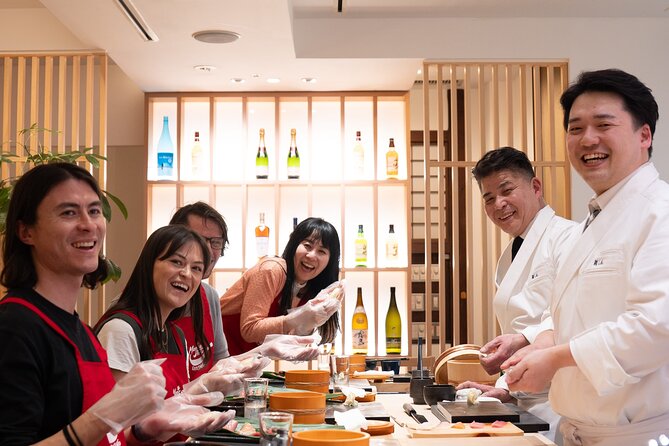
The group is kept small, up to 8 people. That matters more than it sounds. In a small class, you get time to ask questions and actually shape sushi with guidance, instead of just standing around while someone else gets all the attention.
You also get a mobile ticket, and the meeting point is near public transportation. So you can treat it like one booked plan in an otherwise flexible Kyoto day. And since it is only about 3.5 hours, it fits nicely if you want dinner already handled by the end of the class.
You can also read our reviews of more tours and experiences in Kyoto.
From sweets to sushi: setting the flavor stage
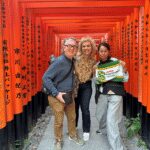
Before you touch fish or rice, you start with a visit to a local shop for traditional Japanese sweets. It may sound like a warm-up, but it is not random. The sweets you pick end up playing a role later when you enjoy matcha at the end.
This kind of structure is smart if you are food-curious. Kyoto is full of flavors that make more sense when you taste them in sequence. Starting with sweets helps you understand how Japanese desserts and tea can balance richness, like the tempura and the savory notes you will get in sushi.
It also keeps the vibe friendly. When people arrive hungry (which is most of us), the sweets give you something comforting right away. Then you step into the sushi restaurant ready to focus.
Meet the Taisho chef: learning nigiri and roll sushi the right way
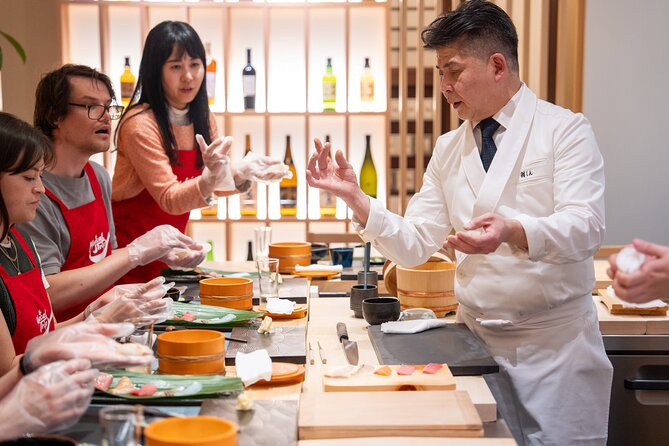
The heart of this experience is working with a professional Taisho chef. You do not just get a demo. The chef shows precise knife work and how nigiri should be formed, then you make your own sushi under careful guidance.
The class covers:
- 9 nigiri sushi
- Roll sushi
- Plus tempura, sake tastings, and more
One of the biggest practical wins is how they handle sharp tools. The information you are given is very clear: you do not need to worry about sharp knives or tricky cutting. The Taisho handles the slicing while you focus on shaping, rolling, and learning the rhythm of making sushi.
And that is where the real value sits. Nigiri is all about balance: rice texture, fish placement, and how it sits in your hand. Rolls add another set of skills: rolling tension, even thickness, and clean edges. Even if you go home and never become a sushi craftsman, you leave with better instincts for what makes sushi taste right.
The sushi you make is the sushi you eat
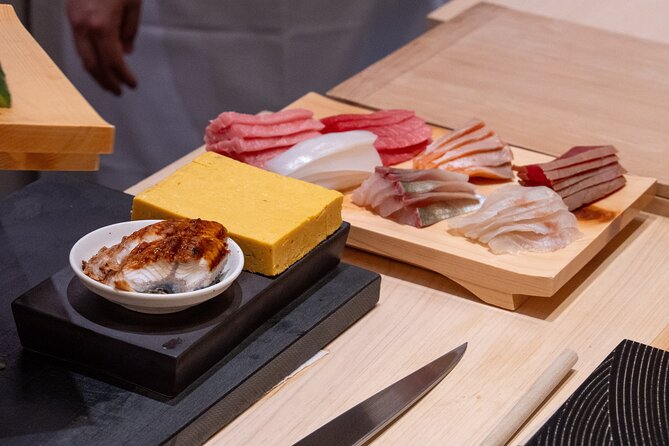
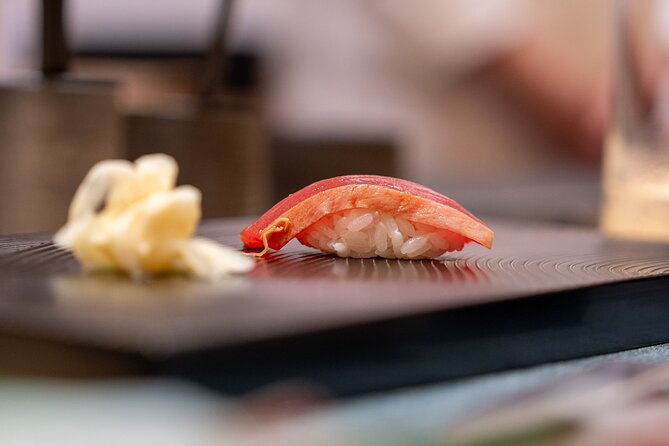
After you form each piece, you taste your creations on the spot. That detail changes the whole experience. Instead of just collecting photos, you can connect technique to flavor immediately.
This is also where the fresh ingredients show up. In one of the reviews, the fresh fish quality and the overall class experience stood out. The chef’s tempura was also described as the best the reviewer had in Japan so far, which tells me the food isn’t treated like a sideshow.
You should expect to learn more than technique. You likely get context about sushi as a craft and what goes into making it feel right. One review specifically mentioned learning about sushi history during the session. That kind of short explanation can turn a meal into a story you can repeat later.
Tempura set: why it fits after sushi
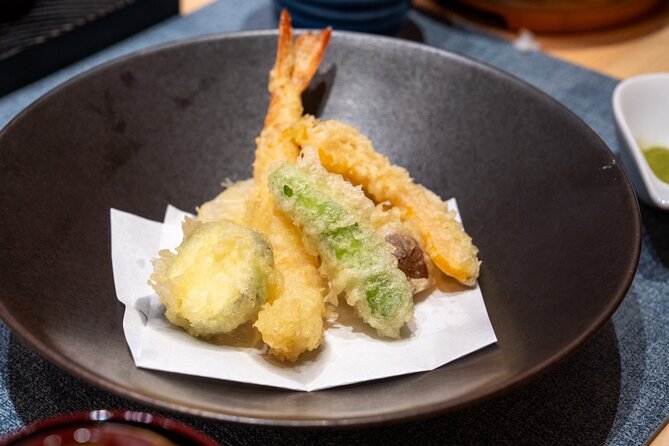
After your sushi-making time, you enjoy a tempura set made by the chef. Tempura is a great pairing for a sushi class because it adds crunch and contrast. Sushi can be delicate and clean; tempura brings warmth and texture.
Chef-made tempura is also a relief for anyone who does not want to learn frying technique in a group setting. You get to enjoy it right away, and it rounds out the meal so you are not just eating rice and fish for the entire session.
If you are thinking about value, this matters. Tempura in Japan can be “easy to find” but harder to find done with that fresh, made-to-order feel. When the class includes it as a real course, you are getting an experience that looks and tastes more like a restaurant meal than a snack workshop.
Sake tastings with pairing tips that actually help
Next comes the sake tasting part. You try different sake types and you get pairing tips with sushi. This is one of those segments that can go either way on tours: sometimes it’s vague. Here, the structure is designed for you to learn how to match sake to food.
Practical reason: sushi flavors can shift depending on the fish and the rice balance. With pairing tips, you start noticing how sake acidity, sweetness, or dryness changes the bite. You do not need to become a sake expert. You just need enough guidance to taste with intention.
And yes, it is fun. One review mentioned sampling different types of saki and learning tips that made the whole experience feel more educational. That lines up with why sake tastings are a popular add-on: they turn eating into a small tasting lesson without getting too technical.
Also included are two drinks, which is a nice bonus for a class-based evening. Just plan on pacing yourself, especially if you are doing more sightseeing right after.
Matcha in a Kyoto-style garden: finish with calm
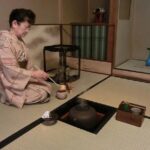
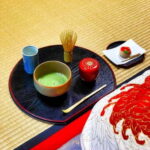
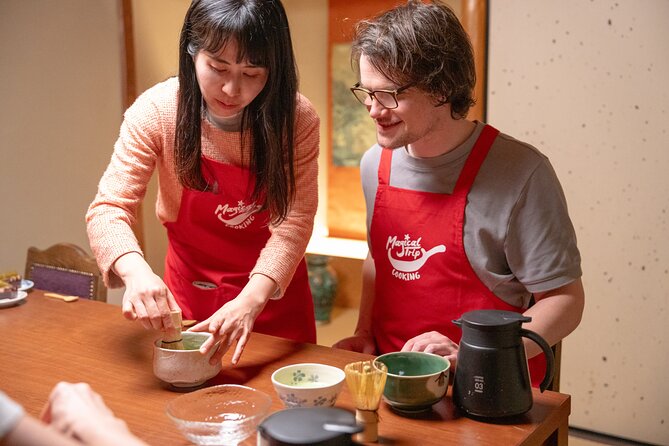
The final stretch is where the whole tour breathes. After the meal and tastings, you relax in a Kyoto-style garden. Then your guide teaches you how to whisk matcha, and you enjoy the matcha with the Japanese sweets you selected earlier.
This part matters for two reasons:
- It slows the pace after a hands-on cooking session.
- It connects the sweets from the start to a final flavor moment.
Matcha whisking is also something you can repeat at home. You may not perfectly nail the foam texture on your first try, but you will understand the idea: technique matters, and so does the right consistency.
And that garden setting is more than scenery. It is a gentle landing. You finish the class feeling like you did something real, not like you rushed through a checklist.
Price and value: what you’re really paying for
At $163.30 per person, this is not a budget class. But it also is not just a 101-level tasting. You are paying for several things bundled together:
- A professional Taisho chef instruction session
- Making 9 nigiri + roll sushi
- A tempura set
- Sake tastings with pairing tips
- Japanese sweets and a matcha experience
- Included drinks and on-the-spot tasting of your creations
- A small group (up to 8), which supports real hands-on help
If you tried to recreate this on your own in Kyoto—chef-led instruction plus ingredients plus tastings—it would likely cost more and take longer to coordinate. Here, everything is built into a single evening plan.
So the value question becomes: do you want to learn by doing, not just eating? If yes, the price starts to make sense fast. You get food you helped make, plus the kind of cultural add-ons (sake pairing and matcha whisking) that turn a meal into a memory.
Who this is best for (and who should skip it)
This class is a strong fit for:
- Sushi lovers who want technique, not just dinner
- Foodies who like tasting notes and pairing ideas
- Solo travelers who want a guided, social small group experience
- Families (kids 4+ are welcome)
- Anyone who wants an evening plan with minimal stress
It is also friendly for people who do not know any Japanese. The guide provides English support, and you are not expected to handle knives yourself.
You might skip it if:
- You already feel overwhelmed by cooking classes and want pure sightseeing time
- You hate structured schedules and would rather wander without a start time
- You are on a very tight budget (this is a premium, food-and-skill style experience)
My take: should you book this Kyoto sushi-making class?
I would book it if you want a Kyoto evening that is equal parts skill, food, and calm. The combination of Taisho instruction, you actually making nigiri and rolls, and the meal finishing with matcha in a garden is a strong mix of hands-on and atmospherics.
If you want one clear decision rule: book this when your top priority is learning by doing and eating well in the same sitting. With a small group and chef-led pacing, it hits the sweet spot between fun and real technique.
FAQ
How long is the Kyoto sushi making experience?
It lasts about 3 hours 30 minutes.
What time does the experience start?
It starts at 3:30 pm.
What will I make during the class?
You will make 9 nigiri sushi and roll sushi.
Is there sake and matcha included?
Yes. The experience includes sake tastings and a matcha experience where you learn to whisk matcha.
Do I need to know Japanese?
No. An English-speaking guide is included.
Will I be handling sharp knives?
You do not need to worry about sharp knives or tricky techniques. The chef handles the slicing while you focus on making sushi.
What does the price include?
It includes sushi making components, a tempura set, two drinks, sake tastings, Japanese sweets, and the matcha experience.