REVIEW · KYOTO
Kyoto Sagano Insider: Rickshaw and Walking Tour
Book on Viator →Operated by Ebisuya · Bookable on Viator
A ride through Arashiyama bamboo beats grid-walking. This tour pairs a private rickshaw for speed and photo moments with a short walk for traditional Kyoto sights and narration. I love the photo stops planned along the route, and I also like that the guide explains what you’re seeing as you pass old buildings. One thing to plan for: it includes walking up and down a slope, and temple admissions are partly extra.
I also like the pacing: you’re not stuck in a long, slow line, and you get to stop at specific photo spots instead of just hoping you’ll find them. The tour is private for your group, and guides can speak English plus Japanese, with other languages available at conversational level depending on the assignment. If you’re expecting a full-day marathon, this is shorter than that, so you’ll want to pair it with the rest of your Arashiyama plan.
In This Review
- Key things that make this Arashiyama tour work
- Why a private rickshaw through Arashiyama bamboo still wins
- Your 3-hour route: machiya, bamboo, and the Otagi figurines
- Stop 1: Kyoto City Sagatoriimotocho Nami Preservation Hall (machiya inside)
- Bamboo forest ride with photo pauses (plus an optional walk-off)
- Otagi Nenbutsu-ji temple: handmade figurines
- Historic cottages and the haiku connection
- Shinto shrine in the bamboo grove
- Traditional townhouses, preserved streets, and a pilgrim path vibe
- What the 3 hours 10 minutes actually feels like
- Photo stops are planned, and the guides make them easy
- Language and group comfort: private, but still flexible
- Price and value: what $228.62 buys you in Arashiyama
- Who should book this tour (and who might not)
- Practical tips before you go
- Should you book Kyoto Sagano Insider: Rickshaw and Walking Tour?
- FAQ
- Where does the tour start and end?
- How long is the tour?
- Is this tour private?
- Does it include a rickshaw ride through the bamboo forest?
- Can you walk in the bamboo forest beyond where the rickshaw goes?
- What are the main stops on the route?
- Are temple admissions included?
- Do you need hotel pick-up?
- What languages are available with the guide?
- How do children ride on the rickshaw?
Key things that make this Arashiyama tour work
- Private rickshaw ride so you don’t share the same vehicle with strangers
- Planned bamboo forest photo stops for better angles and easier timing
- Machiya house visit at a traditional Kyoto-style preserved home
- Otagi Nenbutsu-ji temple visit featuring quirky handmade figurines
- Optional walking in the bamboo area where the rickshaw can’t go
- Historic side streets and a preserved old pilgrim path with traditional wooden town houses
Why a private rickshaw through Arashiyama bamboo still wins
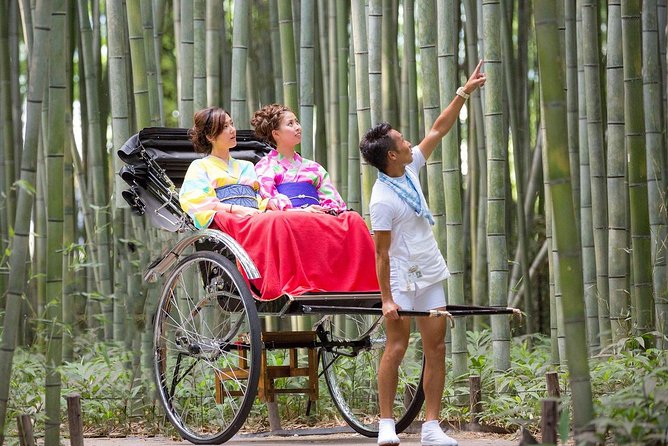
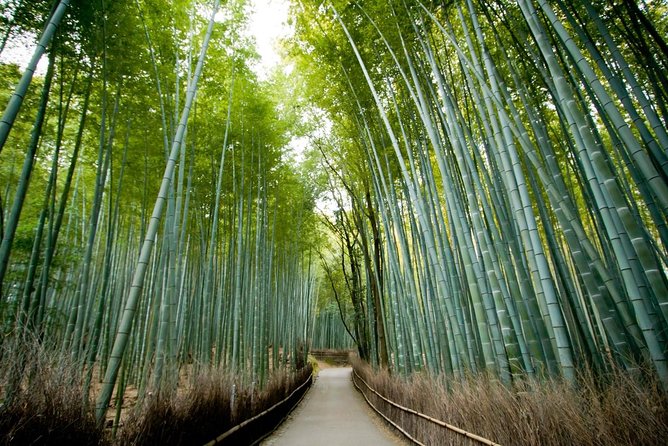
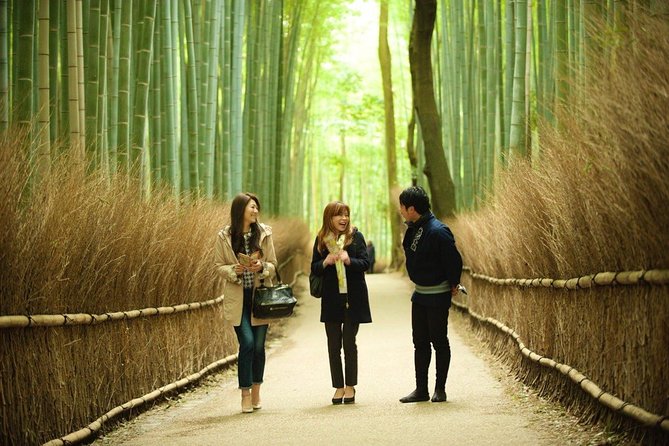
Arashiyama’s bamboo forest is famous for a reason, but it can also feel like you’re swimming through crowds. A rickshaw changes the mood fast. You glide past key points with your driver handling the turns, so you can focus on framing photos and watching the scenery unfold.
This setup also saves your energy. Instead of spending your legs on the busiest stretches, you use that time for the parts that reward a slower pace—like neighborhood side streets and preserved areas where the details matter.
And because it’s a private tour, your guide can adjust the flow to your group’s speed. You’re not stuck waiting for other people to decide what angle they want, or whether they want to keep going.
You can also read our reviews of more walking tours in Kyoto

Your 3-hour route: machiya, bamboo, and the Otagi figurines
You’ll meet at 1-1 Sagatenryūji Susukinobabachō, Ukyo Ward, Kyoto, and the tour ends back at the meeting spot. From there, the ride and walking split in a way that feels smart: you use the rickshaw where it’s most efficient, then get off for cultural stops that are better on foot.
Stop 1: Kyoto City Sagatoriimotocho Nami Preservation Hall (machiya inside)
The first major moment is a traditional Kyoto-style machiya house at the Nami Preservation Hall. You’ll have about 20 minutes, and the admission ticket here is free.
Why this matters: machiya are more than a pretty facade. The preserved structure helps you understand how Kyoto homes were built and lived in. This is the kind of stop that gives you context for everything you’ll see later—wooden lattices, town layout, and the overall quiet rhythm of old neighborhoods.
A quick note: this isn’t the longest stop, so you’ll want to move at a steady pace and actually look around. If you rush, you miss the details you paid for.
Bamboo forest ride with photo pauses (plus an optional walk-off)
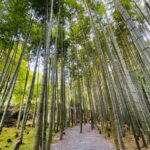
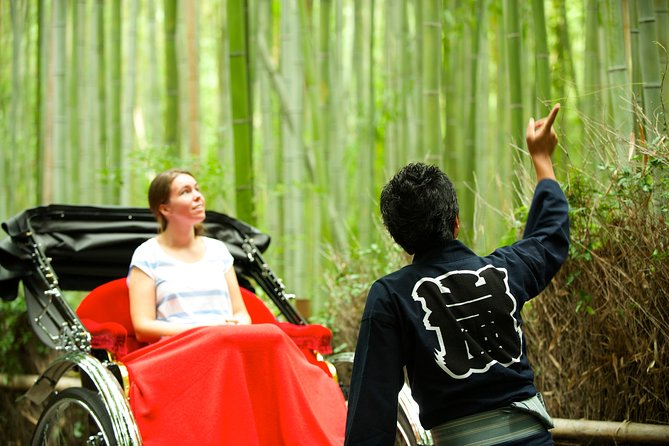
Next comes the Arashiyama bamboo forest segment. The rickshaw passes through the bamboo and makes planned stops for pictures. You’ll get guidance on great photo spots along the way, which is useful because the best angles aren’t always obvious when you’re surrounded by foot traffic.
Here’s a standout option: getting off the rickshaw to walk into a part of the bamboo forest that’s inaccessible by rickshaw. This is optional, so you can choose based on your comfort level and how much walking you want.
If you care about photos, you’ll likely appreciate this option. If you’re short on stamina, you can stay with the rickshaw and still see plenty.
Otagi Nenbutsu-ji temple: handmade figurines
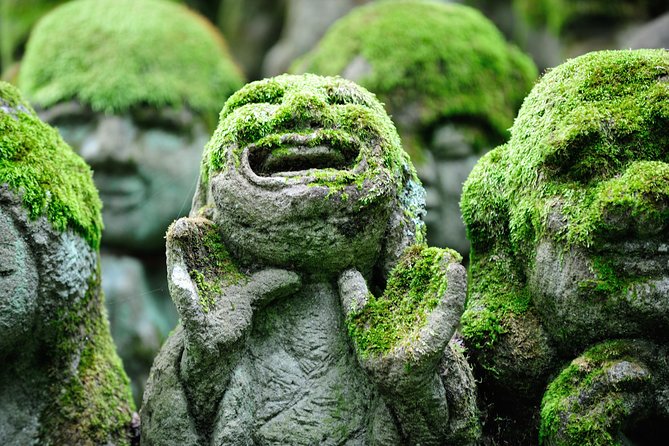
Then you visit Otagi Nenbutsu-ji, with about 30 minutes on site. The temple is known for its unique, quirky handmade figurines (you’ll be looking at a collection that feels more personal and oddball than the average temple decoration).
This stop’s admission fee is not included, so budget a little extra if you didn’t plan for it. Still, it’s a good mix of visual oddity and temple atmosphere—an easy break from bamboo and town streets.
If you’re the type who likes collecting small, specific images rather than only big landmarks, this is a strong pick.
Historic cottages and the haiku connection
On the way through the area, you’ll pass an old traditional cottage with a straw-thatched roof. It’s described as the former home of one of Japan’s famous haiku poets.
Even without a long sit-down inside, this kind of stop gives Arashiyama an emotional layer. Bamboo isn’t just scenery; it’s tied to how writers and observers noticed seasonal change in Japan.
Because no exact name is provided here, don’t worry about trying to identify the poet on the spot. Use it as a prompt to notice how often poetry and place overlap in Kyoto.
Shinto shrine in the bamboo grove
You’ll also see a Shinto shrine nestled in the bamboo grove. Shrines in Kyoto often feel tucked away, and this one is presented in that classic Arashiyama style—quiet, framed by greenery, and set into the natural flow of the area.
It’s a good “pause moment” where the group can reset between the bigger visual highlights.
Traditional townhouses, preserved streets, and a pilgrim path vibe
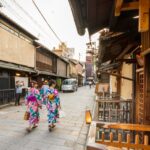
As you continue, you’ll move through typical Arashiyama neighborhoods: traditional townhouses, local streets, and side lanes. After that, the route reaches a preserved district with an old pilgrim path lined by traditional wooden town houses that you won’t find in the downtown core.
Why I like this design: it keeps the tour from turning into only postcard stops. You get a sense of how the area feels when you’re not in the main crush.
This section also rewards slower looking. Stop and check the details in doorways, the materials, and how the street bends. The rickshaw gets you there; the walk helps you understand it.
What the 3 hours 10 minutes actually feels like
The stated duration is about 3 hours 10 minutes. The time breaks down naturally: rickshaw ride time plus walking for the machiya house and the temple, plus short transitions with photo stops.
The tour includes walking up and down a slope, so bring shoes that won’t punish you after 90 minutes. You don’t need hiking boots, but you do want solid grip if the ground feels slick or crowded.
One more practical point: this tour includes temple/garden admission fees only where it’s listed as included. In plain terms, you may need cashless payment planning for temple entry.
Photo stops are planned, and the guides make them easy
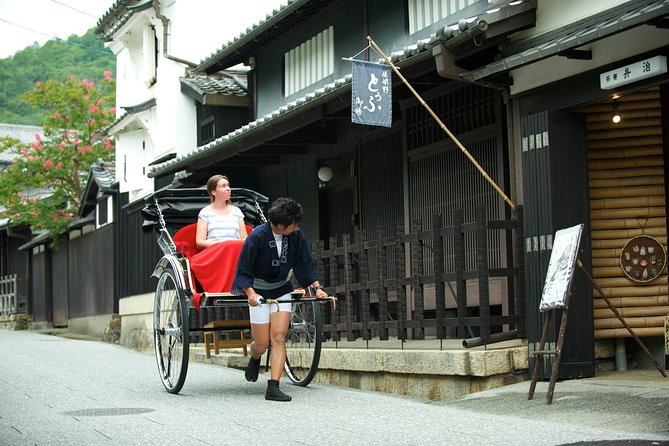
A rickshaw ride can be fun on its own. What makes this one feel worth the money is how the guide supports your photos rather than just driving through scenic areas.
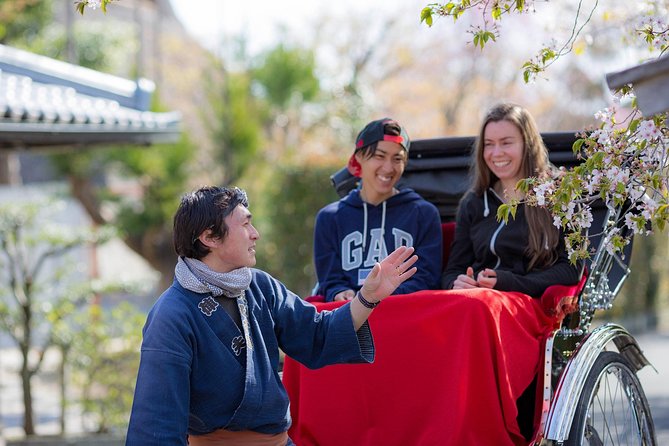
In real terms, that looks like the guide and driver creating time for picture-perfect pauses and helping with angles from the rickshaw position. Several guides are described as taking photos for you using your camera or phone, and it’s part of why people remember the experience.
If you’re lucky enough to be with guides like Atsu (described as a friendly driver and photographer) or Shota (noted for taking great photos and managing cold-weather comfort), you’ll likely get that extra bit of care that turns a scenic ride into a set of usable images.
Also, the guide context matters. Names that come up include Takumi and Yuya, both credited for clear English and lively explanations. That narration helps you connect the bamboo, the machiya, and the temple to the place itself, not just to what it looks like in a photo.
Language and group comfort: private, but still flexible
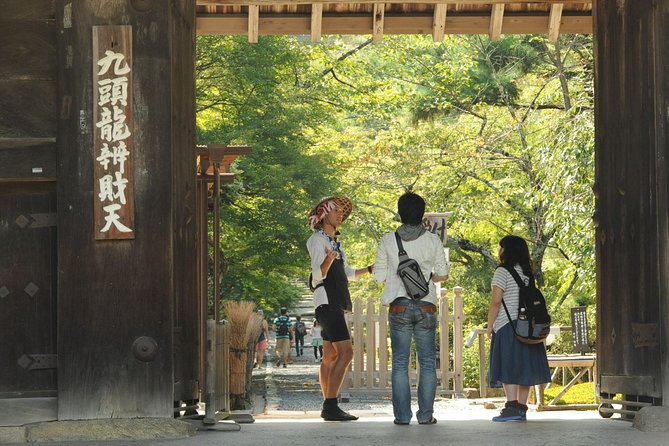
This is a private tour/activity, meaning only your group participates. That matters for comfort and timing. If your group needs an extra minute to read a sign or reposition for a photo, you’re not being rushed by other people’s preferences.
Language support is also part of the value:
- English and Japanese speaking guide (fluent)
- Other languages may be available at conversational level, including Chinese, Korean, or Spanish, depending on availability
Seats are roomy for a rickshaw: the seat width is about 74 cm (29.1 inches), and up to two adults can ride side by side.
If you’re bringing kids, the rules are clear:
- Children 6+ need a seat and pay the same price as adults
- Children 5 and under can ride for free if they sit on an adult’s lap (one child per adult, max 2 adults & 2 children per rickshaw)
- If a child under 5 uses a seat instead of a lap, they must book as an adult
So if your group includes small kids, it’s worth thinking ahead about how your child will ride.
Price and value: what $228.62 buys you in Arashiyama
At $228.62 per person, this isn’t the cheapest way to see Arashiyama. The way it earns its cost is through three value anchors:
First, you’re paying for private transport inside a spot that’s easiest when someone else handles navigation and timing. In peak bamboo hours, self-guided wandering can feel slow and chaotic.
Second, you’re paying for guided interpretation. The guide provides context as you pass by historical buildings, and the itinerary includes specific cultural targets like the machiya house and Otagi Nenbutsu-ji figurines. That turns a ride into something more meaningful.
Third, you’re paying for photo support. People highlight that the drivers and guides know where to stop and can help capture you from the rickshaw. If you care about photos but don’t want to spend your time doing stop-and-go picture management, this adds real value.
Where you might feel extra cost:
- Temple admission fees aren’t included across the board
- The tour doesn’t include hotel pick-up, so you’ll need to get to the meeting point on your own (it’s near public transportation)
If you’re traveling with a group of two adults and you value a guided, photo-supported experience more than purely low-cost sightseeing, the price can make sense.
Who should book this tour (and who might not)
This tour is a great match if you:
- Want a shortcut through crowds and save your legs for the right walking parts
- Like your sightseeing with clear explanations and photo assistance
- Prefer a private experience with a guide who can talk you through what you’re seeing
- Are interested in Kyoto’s machiya house style and Arashiyama’s preserved streets
You might skip it if:
- Your group hates any slopes or walking at all (the tour includes slope sections)
- You’re strictly on a low budget and don’t want to handle extra admission fees
- You already plan a detailed Arashiyama day with multiple temple tickets and don’t need a guided flow
If you’re the kind of traveler who likes a mix—scenery plus specific culture stops—this lands well.
Practical tips before you go
- Wear shoes for uneven paths and slope walking.
- Have a plan for temple admission fees since those aren’t included across every stop.
- If you want the optional bamboo forest walk-off, decide early. That choice can change how long you spend on foot.
- If you’re in Arashiyama during busy times, booking ahead helps smooth your schedule. The tour is typically booked about 23 days in advance on average.
Should you book Kyoto Sagano Insider: Rickshaw and Walking Tour?
If your goal is to experience Arashiyama bamboo with less crowd stress, get guided context, and come away with solid photos, I think this is a smart booking. The mix of private rickshaw speed plus walking through machiya areas and a distinct temple stop hits a good balance.
I’d especially recommend it for couples and small groups who want Kyoto flavor without turning the day into a logistics puzzle. If you can handle a bit of walking on slopes and you’re okay with some temple admission fees, this tour is very likely to feel like money well spent.
FAQ
Where does the tour start and end?
The tour starts at 1-1 Sagatenryūji Susukinobabachō, Ukyo Ward, Kyoto and ends back at the same meeting point.
How long is the tour?
It runs for about 3 hours 10 minutes (approx.).
Is this tour private?
Yes. It’s a private tour/activity, so only your group participates.
Does it include a rickshaw ride through the bamboo forest?
Yes. The rickshaw passes through the Arashiyama Bamboo Forest and makes stops for pictures.
Can you walk in the bamboo forest beyond where the rickshaw goes?
There’s an optional chance to get off and walk in a bamboo forest area that is inaccessible by rickshaw.
What are the main stops on the route?
You’ll visit the Kyoto City Sagatoriimotocho Nami Preservation Hall (machiya house), Otagi Nenbutsu-ji temple, and see other Arashiyama sights along the way such as a straw-thatched cottage tied to a famous haiku poet, a Shinto shrine in the bamboo grove, traditional townhouses and a preserved old pilgrim path.
Are temple admissions included?
Not fully. Admission fees to temples and gardens are not included. Some stops note free entry (like the Nami Preservation Hall), while others do not include admission.
Do you need hotel pick-up?
No. Hotel pick-up isn’t included, and the meeting point is near public transportation.
What languages are available with the guide?
You’ll have an English and Japanese fluent guide. Chinese, Korean, or Spanish may be available at a conversational level depending on availability.
How do children ride on the rickshaw?
Children 6 and older must have a seat and pay the adult price. Children 5 and under can ride for free if they sit on an adult’s lap (one child per adult, max 2 adults & 2 children per rickshaw). If a child under 5 uses a seat, they must book as an adult.