REVIEW · KYOTO
Kyoto: Tea Ceremony Experience
Book on GetYourGuide →Operated by Camellia Tea Ceremony · Bookable on GetYourGuide
Matcha, whisked by candle-warm ritual. This Kyoto tea ceremony lesson pairs a calm machiya setting with hands-on coaching to craft frothy matcha and taste Kyoto sweets. I like the way it explains the utensils and room setup, and I love that you get to try the whisking yourself.
The one thing to plan for is seating. The tearoom is upstairs, and unless you use the available chairs, you’ll be on the floor for much of the session.
For $32, you’re not just watching. You get seasonal sweets, matcha, the utensils, and an English-speaking host who guides you through the basics of making a proper bowl, right near Higashiyama’s big sights.
In This Review
- Key Things You’ll Get Out of This Kyoto Matcha Experience
- Tea Ceremony Value: What $32 Buys You in Kyoto
- Finding the Place in Higashiyama: The Ninenzaka Alley Trick
- The Machiya Start: How the Room Layout Teaches Etiquette
- Seasonal Sweets + Matcha Talk: Asking Questions the Right Way
- Watching the Ceremony: Why Those Minutes Feel Longer
- Making Matcha by Hand: Utensils, Foam, and Host Help
- Sitting Comfort and Upstairs Tearoom Reality
- Kimono Plans: What’s Included and What You Add Yourself
- Photo Rules: What You Can Capture During the Workshop
- Who This Kyoto Tea Ceremony Suits Best
- Should You Book This Kyoto Tea Ceremony?
- FAQ
- How long is the Kyoto tea ceremony experience?
- Is the tea ceremony instructor available in English?
- What is included in the price?
- Is kimono rental included?
- Where is the meeting point in Higashiyama?
- Can I take video during the workshop?
- Can I take photos?
- Do I have to sit on the floor?
- Are there options for wheelchair access?
Key Things You’ll Get Out of This Kyoto Matcha Experience
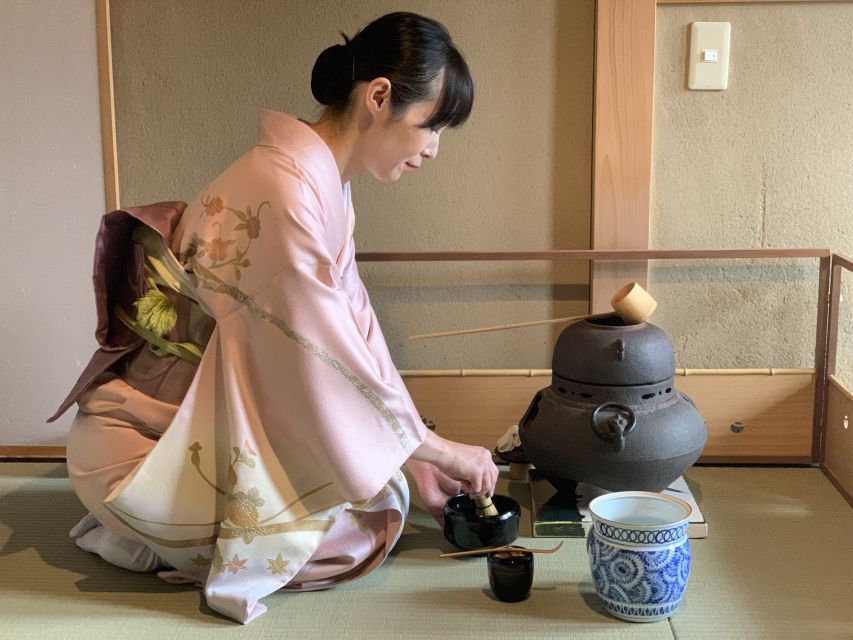
- Hands-on whisking, not only watching: you’ll froth your own bowl with help when you need it
- Kyoto sweets + matcha pairing: a seasonal sweet shows up alongside the tea
- A real explanation of the ritual: utensils, steps, and how the room is arranged matter
- Utterly convenient sightseeing area: you’re in Higashiyama, a walk or short ride from Kiyomizu-dera and Gion
- English instruction with Q&A time: you can ask about the tea ceremony schools and Japanese culture
- Photograph safely, no video: still photos are allowed; video recording is not
Tea Ceremony Value: What $32 Buys You in Kyoto
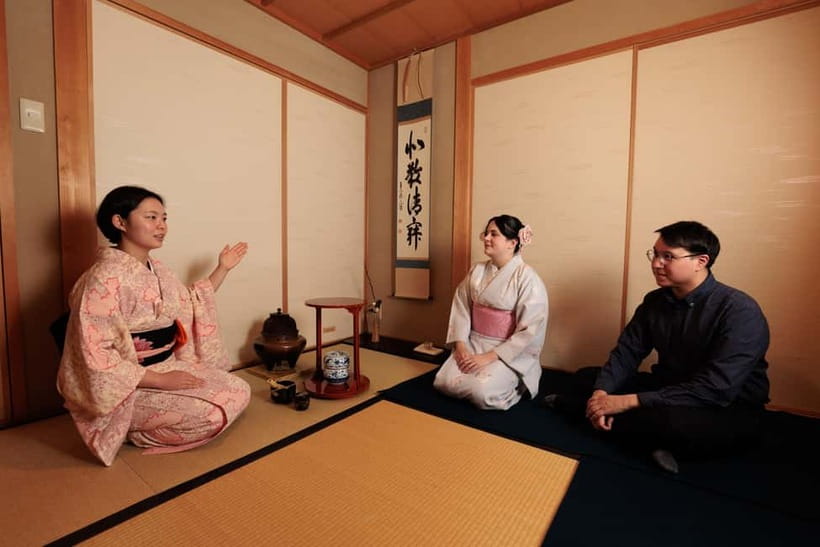
At $32 per person for 45 minutes, this isn’t a casual tasting where someone pours tea and you’re on your way. You’re paying for a guided mini-lesson: matcha plus seasonal sweets, the utensils, and an instructor/host who takes time to explain what’s happening and then helps you do it.
That makes the price feel fair for Kyoto, especially because the location is built into a day of sightseeing. You can pair this with Kiyomizu-dera, Kodai-ji, Yasaka-jinja, Maruyama Park, Chion-in, and Gion without adding another big transit puzzle.
Two practical notes to keep expectations grounded. This is a short session, so you’ll learn the essentials and participate in the main action, not become a full tea-ceremony practitioner. Also, you’re in a traditional tearoom setup, so plan for the body mechanics of sitting before you plan for the photos.
You can also read our reviews of more tours and experiences in Kyoto.
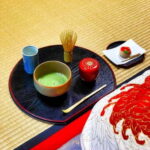
Finding the Place in Higashiyama: The Ninenzaka Alley Trick
The meeting point is easy once you use the landmark method. Head to the Park Hyatt hotel area, then look opposite for the Studio Ghibli store.
From there, walk to the alleyway that branches from the main thoroughfare of Ninenzaka in Higashiyama. The alley is just to the left of the Studio Ghibli store, and you’ll be looking for the team down that narrow passage.
This matters because Higashiyama is a maze of small streets. If you show up without a plan, you can burn your time circling. Use Park Hyatt and the Studio Ghibli store as your north star, and you’ll get there without drama.
The Machiya Start: How the Room Layout Teaches Etiquette
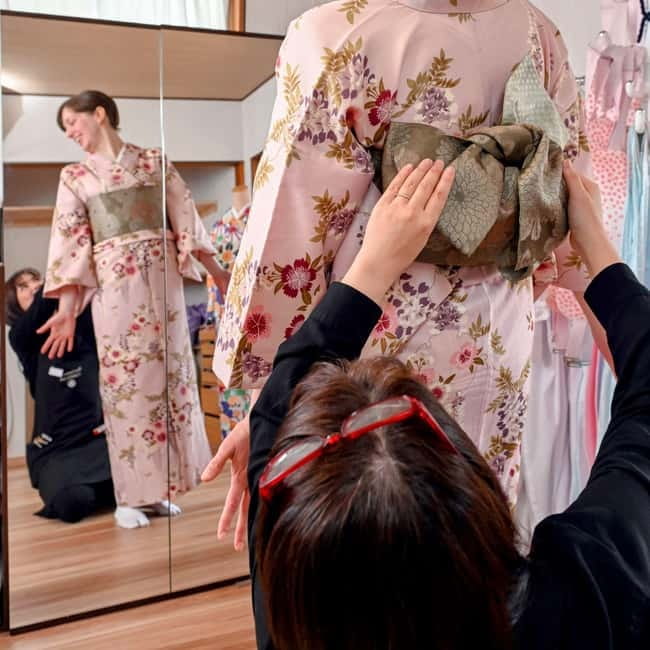
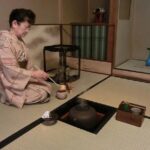
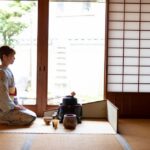
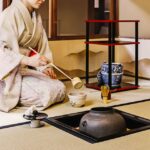
You begin in a traditional machiya in Higashiyama. After you settle in, your host gives a structured intro to matcha and the tea ceremony process, including how the utensils are used and why the room decoration and layout matter.
This is more than decor talk. In the tea ceremony, the setting helps set your pace. The way objects are positioned, how you move, and what you pay attention to all shape the experience, even in a short class like this.
Expect a brief primer first, then the actual ceremony flow begins. It helps to know you’ll have time to watch, snack lightly on a seasonal sweet, and ask questions before you start whisking.
Seasonal Sweets + Matcha Talk: Asking Questions the Right Way
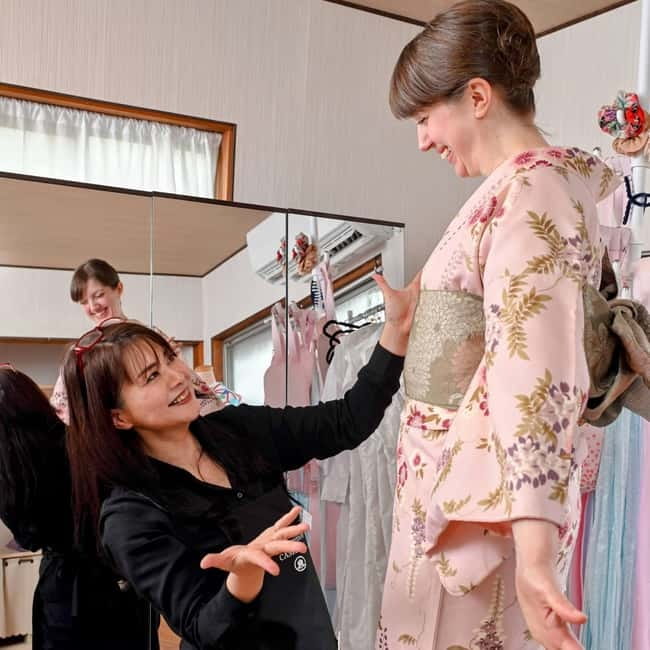
Before you make your own tea, you’ll nibble a seasonal sweet while you chat. That snack moment is useful because it slows you down from tourist mode. It also gives you a natural time to ask questions without feeling rushed.
Your host can explain the basics and answer things like the three schools of tea ceremony, plus other Japanese culture questions that come up in conversation. If you’re the type who likes meaning behind small details, this is the part you’ll appreciate most.
One smart move: come with one or two questions. Even simple ones like how matcha differs from other green teas, or why certain utensils are used, usually leads to a clear explanation.
Watching the Ceremony: Why Those Minutes Feel Longer
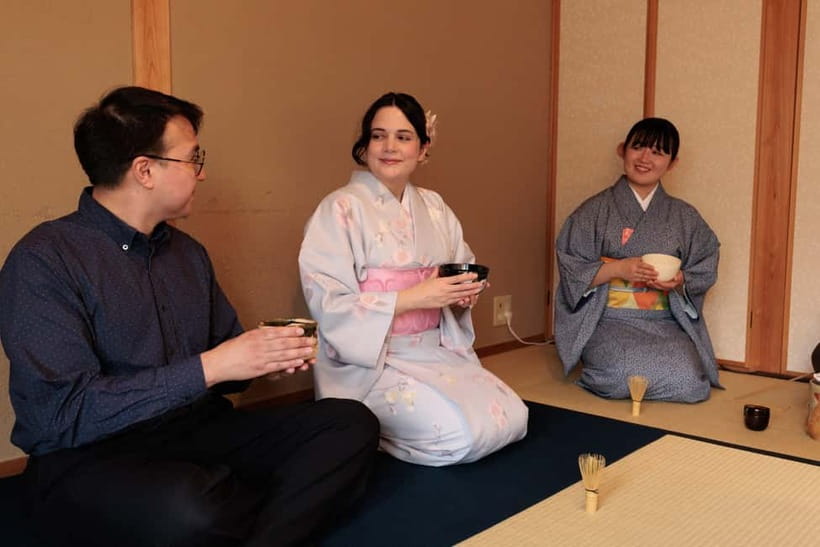
The ceremony demonstration is short, but it’s done with care. One common timeline is that the main demonstration takes around 10 minutes, followed by your hands-on step.
Watch closely during those minutes. You’re learning timing, posture, and the sequence of what happens first and what happens after. If you’re worried you won’t understand fast enough, don’t. Your host explains steps, and then you’ll practice the part that matters most for you: producing a good bowl of frothy matcha.
This is also where you’ll see how precise the movements are. Not complicated in a “do this perfectly” way, but precise in a “every motion has a reason” way. It’s one of the reasons the whole experience feels calming rather than performative.
Making Matcha by Hand: Utensils, Foam, and Host Help
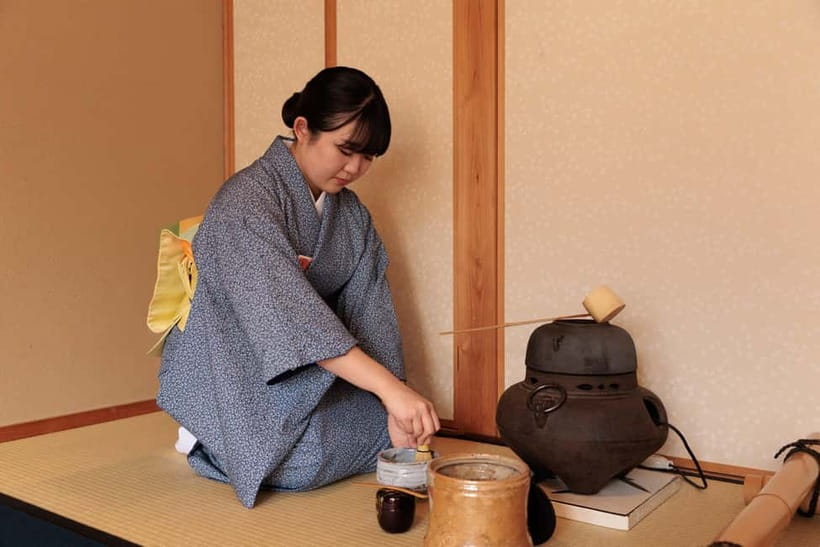
Then it’s your turn. You’ll froth your own bowl with help from the host, using the traditional tea-making utensils provided.
The practical goal is foam. Matcha isn’t just about color; it’s about texture. Your host will guide you through the steps and help you get the frothy result, so you don’t leave with a flat green drink that tastes like regret.
Keep an eye on two things as you whisk:
- Consistency of the motion so the tea aerates properly
- What to do next once the bowl is ready, so the serving moment matches the ceremony flow
Even if you only get a portion of the full, formal sequence, you’ll learn the core skills that make matcha work: the utensils, the order of steps, and how to produce the right bowl to drink.
Sitting Comfort and Upstairs Tearoom Reality
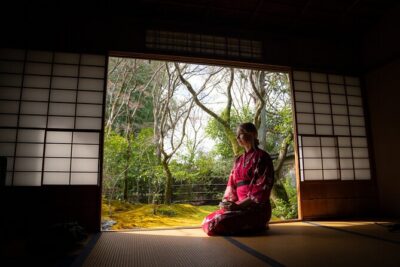
This is where you should plan ahead. The tearooms are upstairs, and chairs and tables are available if you find it hard to sit on the floor. If you’re okay doing it for short stretches, you’ll likely manage just fine, but some people still feel it after 40 minutes or so.
If mobility is a concern, don’t guess—choose the right room. The Garden Teahouse is wheelchair accessible. That’s the option you want to consider if you need it, since the standard tearoom setup is upstairs and more traditional seating is involved.
Bottom line: you can make this comfortable with the right choice. The staff also encourage guests to make themselves comfortable, so you’re not supposed to suffer silently like it’s a badge of honor.
Kimono Plans: What’s Included and What You Add Yourself
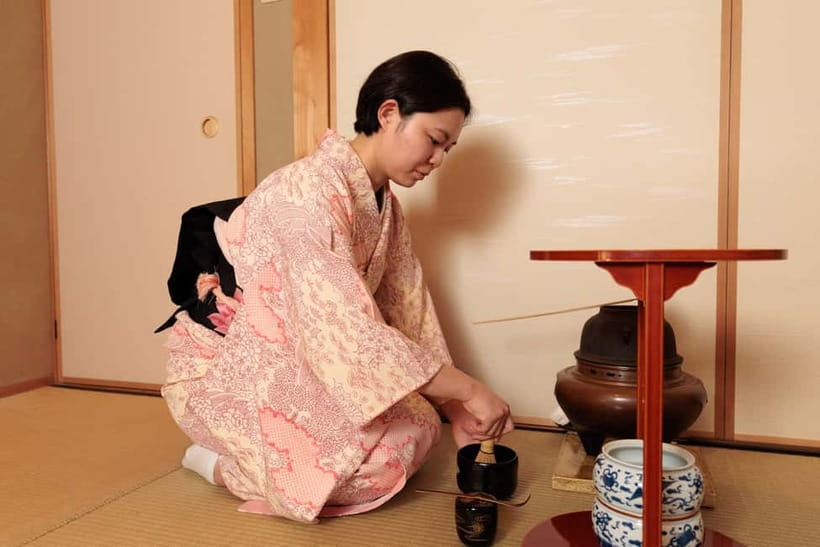
Kimono rentals aren’t included with the tea ceremony. If you want the full picture—kimono + tea ritual—you’ll need to arrange it separately.
That said, kimono rental is commonly done nearby, so you can still build a themed outing. If you do go this route, schedule smart. Don’t tack it on at the last second if you’re already arriving near Kiyomizu-dera and the streets are crowded.
Photo Rules: What You Can Capture During the Workshop
For images, you’ll have clear limits. Video recording isn’t allowed. Non-flash, still photography is permitted during the workshop.
That’s good news for you. It means you can document the tea making and the setting without violating the rules, but keep your phone out of recording mode. If you’re the person who wants action shots of whisking, plan your timing before you start whisking.
Who This Kyoto Tea Ceremony Suits Best
This experience is a strong fit if you want a short cultural reset in the middle of a Kyoto day. It’s also ideal if you like hands-on learning more than passive sightseeing. You’ll get matcha, sweets, utensils, and instructor guidance in just 45 minutes.
You’ll also enjoy it if you care about small details and meaning. The explanation covers utensils, the ceremony steps, and why the room layout and decoration matter. That’s a different kind of “Kyoto” than just snapping a picture and moving on.
If your main goal is a long, intensive practice session where you learn the full formal choreography from start to finish, you might find this too brief. But if you want the essentials and a chance to whisk and taste, it hits the mark.
Should You Book This Kyoto Tea Ceremony?
Yes, if you want an efficient, high-impact Kyoto experience. This is good value because it includes matcha, seasonal sweets, utensils, and an English-speaking host who guides you through the basics and helps you make your own frothy bowl.
Book it especially if you’ll be in Higashiyama anyway. The meeting point is built into a classic sightseeing area, so you don’t need extra logistics to justify the class.
Skip or plan carefully if floor seating is a deal-breaker for you. Chairs are available, and the Garden Teahouse is wheelchair accessible, but the session happens upstairs, so make sure you choose the right setup for your needs.
FAQ
How long is the Kyoto tea ceremony experience?
It lasts 45 minutes.
Is the tea ceremony instructor available in English?
Yes, the instructor/host provides the experience in English.
What is included in the price?
You get matcha, traditional seasonal sweets, the tea-making utensils, and your personal instructor/host.
Is kimono rental included?
No. Kimono rentals are not included.
Where is the meeting point in Higashiyama?
You meet down an alley branching from the main thoroughfare of Ninenzaka in Higashiyama. The simplest way to find it is to go to the Park Hyatt hotel area; opposite the hotel is a Studio Ghibli store, and the alley is to the left of that store.
Can I take video during the workshop?
No. Video recording is not allowed.
Can I take photos?
Non-flash still photography is permitted.
Do I have to sit on the floor?
You can, but chairs and tables are available if you find floor seating difficult.
Are there options for wheelchair access?
Yes. The Garden Teahouse is wheelchair accessible.