REVIEW · KYOTO
Higashiyama | Kyoto: Sakura Season Private Rickshaw Tour
Book on GetYourGuide →Operated by Ebisuya Rickshaw · Bookable on GetYourGuide
Cherry blossoms look different from a rickshaw. This private Higashiyama ride keeps you close to the streets, townhouses, and river scenes while you glide through Kyoto’s most beloved spring mood. You’ll also get guided photo stops timed for the prettiest angles, plus views that turn the sky pink with cherry blossoms.
What I like most is the way the guide makes the area make sense. You’re not just moving through Kyoto—you’re hearing clear, practical context about the neighborhood and the geisha culture around Gion, with English (and Japanese) that’s easy to follow.
The other big win is how photo-friendly the pacing is. You’ll stop where the blossoms and scenery line up, instead of trying to wrestle for a view on crowded sidewalks. The main drawback: you can’t assume peak bloom—this tour can’t guarantee full cherry blossom coverage.
In This Review
- Key Things That Make This Tour Worth It
- Kyoto’s Higashiyama in Sakura Mode, Slow and Close
- Private Rickshaw Comfort: Capacity, Width, and Seating Reality
- Where the Pink Happens: Wooden Streets, River Views, and Photo Stops
- Gion’s Geisha District Pass and the Guide’s Stories
- Kiyomizu-Dera Walk Option: Choosing 70 or 120 Minutes
- Value Check: What You Pay For, What You Don’t
- Bloom Uncertainty and How to Stay Flexible
- Who Should Book This Tour (and Who Should Skip It)
- Should You Book the Higashiyama Sakura Private Rickshaw Tour?
- FAQ
- How long is the Higashiyama Sakura private rickshaw tour?
- Is this tour private or shared with other groups?
- What languages does the guide speak?
- Where do we meet the guide?
- Is there an option to walk near Kiyomizu-Dera during the cherry blossom season?
- Are entrance fees included?
- Are selfie sticks allowed?
- How does seating work for children?
- Is this tour suitable for wheelchairs or strollers?
- Is it okay for early pregnancy?
Key Things That Make This Tour Worth It
- Private rickshaw pace for spring photos without the stop-start feeling of bigger groups
- Helpful guide communication in English or Japanese, with attention to details
- Gion area passing with stories that connect what you see to local culture
- Cherry blossom photo stops aimed at the most photogenic spots along the route
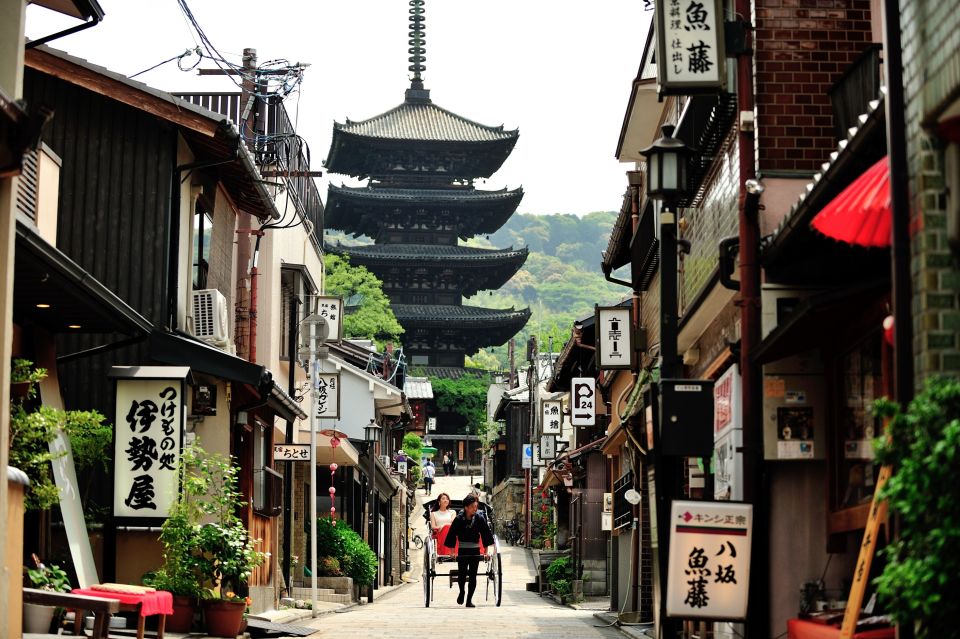
- Wooden townhouses and riverside views from street level, not from a bus window
Kyoto’s Higashiyama in Sakura Mode, Slow and Close
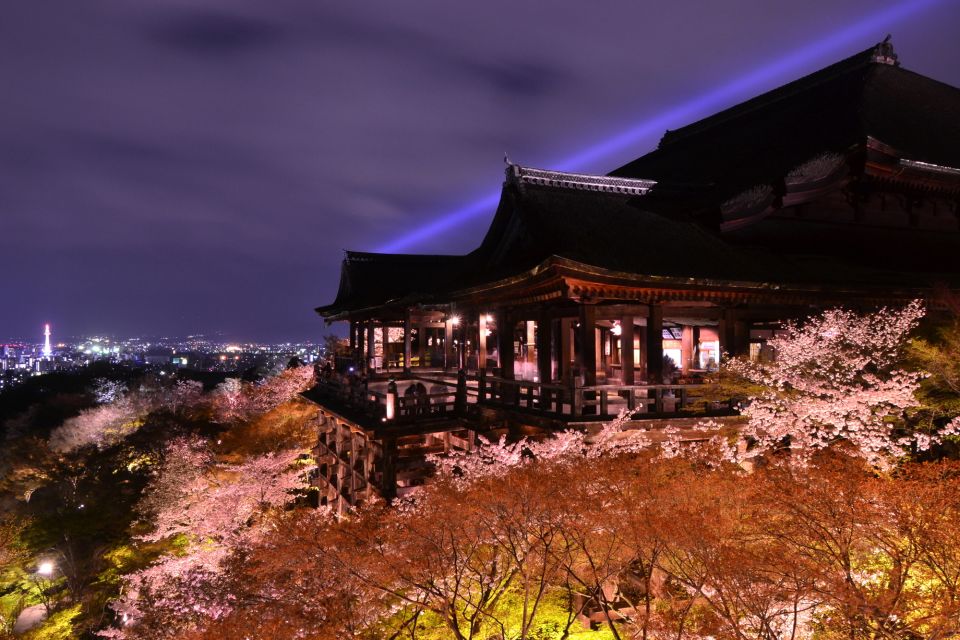
If you want Kyoto in spring but hate the chaos, this is a strong fit. Higashiyama is the kind of place where the charm comes from small details: weathered wood, narrow lanes, and corners that suddenly frame pink blossoms above you. A rickshaw makes that feel immediate, because you’re moving at a human pace and you’re positioned for views along the street, not just across it.
I also like that the cherry blossom experience isn’t treated as a one-off photo stop. The tour is built around the idea that sakura can color parts of the cityscape—so you’ll see the blossoms as they paint the sky and the street feel pink and airy.
One more quiet advantage: you get a guide alongside you, so you’re not guessing what you’re looking at or why it matters. That turns the walk-and-look moments into something more satisfying.
You can also read our reviews of more private tours in Kyoto
Private Rickshaw Comfort: Capacity, Width, and Seating Reality
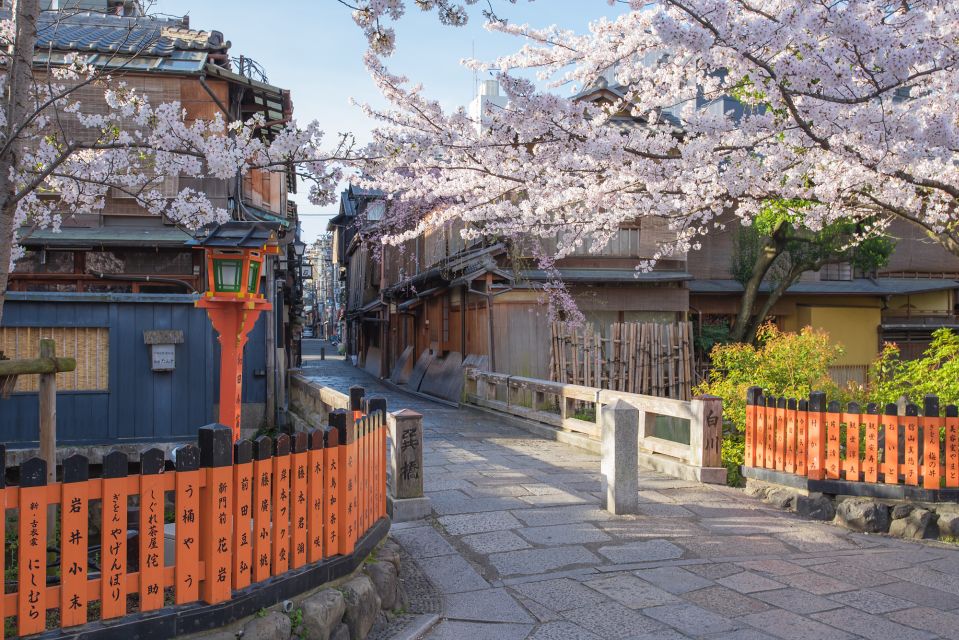
This is a private group tour, and that matters more than people expect in Kyoto. With fewer people, you can move cleanly through tighter lanes and spend more time at each stop instead of constantly sidestepping crowds.
For fit and comfort, here are the practical points you should know:
- Max 2 adults per rickshaw.
- Up to 2 children aged 5 and under can ride with 2 adults, sitting on an adult’s lap.
- If a child 5 and younger will use one of the two seats, it must be booked as an adult participant.
- The rickshaw is 21.1 inches (74 cm) wide, so if you want extra elbow room, booking separate rickshaws can feel better.
Good news if you’re traveling with strollers: it’s listed as wheelchair and stroller-friendly. On the other hand, it’s not recommended for people with back problems, and expecting mothers in the first 16 weeks are advised against it.
Also note: selfie sticks are not allowed, so plan to use your phone normally for photos.
Meeting point is on the corner of Ichinenzaka and Nene Street. You’ll get a JPG map by email, and you can also search Ebisuya Higashiyama Rickshaw on Google Maps to find it quickly.
Where the Pink Happens: Wooden Streets, River Views, and Photo Stops
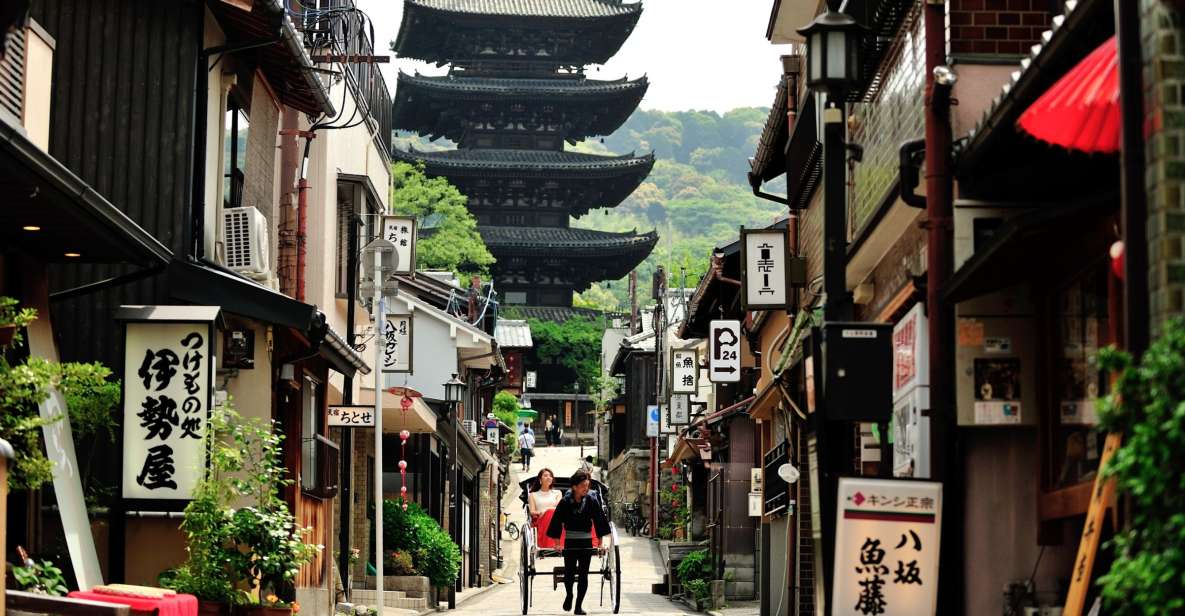
This tour’s core “yes, that’s exactly what I came for” moment is the cherry blossom atmosphere. You’ll see pink-and-white blossom clouds and walk through the neighborhood when the trees and streets create that soft spring look Kyoto is famous for.
You’re also not stuck with generic sightseeing. The route is designed to show you:
- well-preserved wooden townhouses
- riverside scenery
- traditional-looking shops and lanes that feel like you’ve stepped into an older Kyoto
The photo stops are included, and that’s a big value driver. Instead of racing to be in the right spot at the right minute, your guide helps time the stops for the most beautiful angles. If you care about photos (or you just want a few strong ones without stress), this structure is worth it.
One practical detail: the tour duration is flexible (70 minutes to 2 hours), so the guide can better adapt the pace depending on what you want most—pure viewing time or a bit more walking.
Gion’s Geisha District Pass and the Guide’s Stories
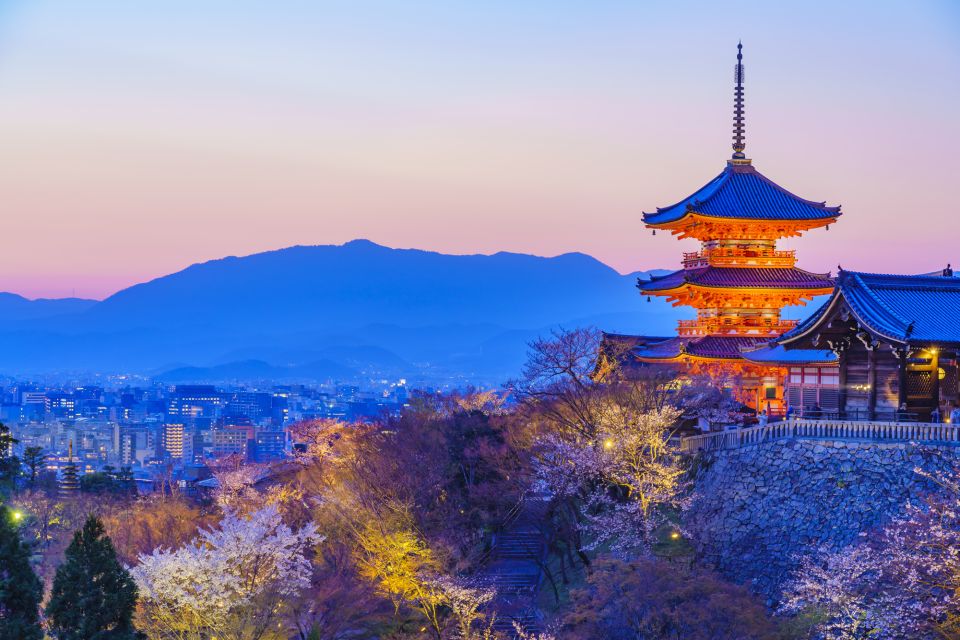
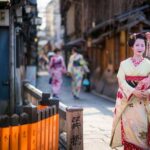
A key part of this experience is the pass through the Gion area, where you’ll catch sight of the geisha district. This isn’t just “look at buildings.” The guide is there to connect the scenery to what locals understand about the neighborhood.
In particular, the guides are praised for being attentive and for explaining details clearly in English. That lines up with what you’d want in Kyoto: you want the how-and-why, not a checklist.
The best part of hearing those stories while you’re moving is that it changes how you see the streets. A lane or storefront becomes more than a background—it becomes part of a living culture. You’ll likely find yourself pausing longer in certain spots because you’ll understand what makes that corner recognizable.
If you want a respectful, low-stress way to experience Gion without spending your whole day trying to figure out where to go, this is a solid way to do it.
Kiyomizu-Dera Walk Option: Choosing 70 or 120 Minutes
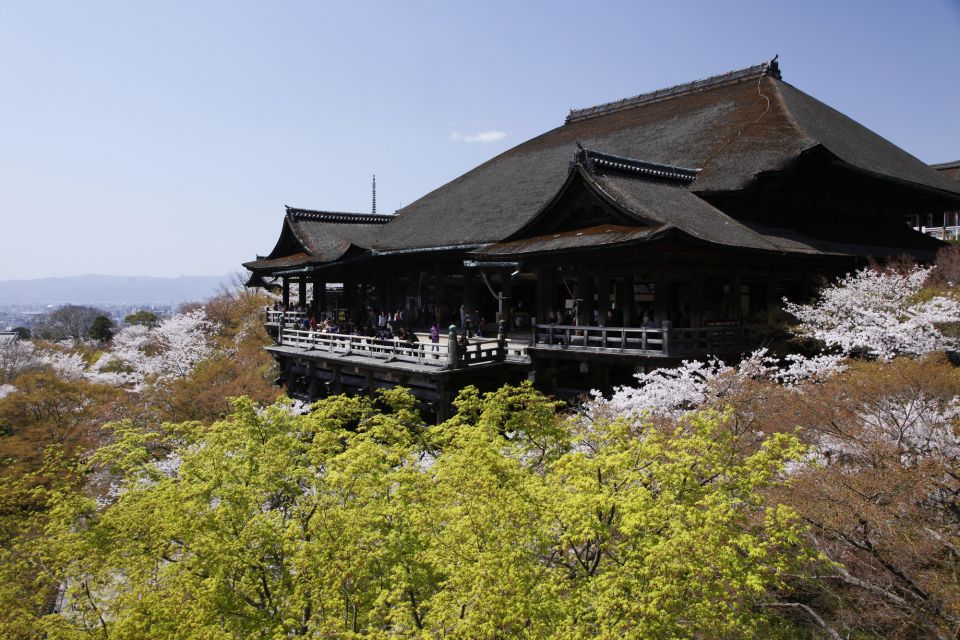
You get two main timing options: 70 minutes or 120 minutes. The longer option can include a stop to walk among the cherry blossoms at the World Heritage Kiyomizu-Dera Temple area.
That choice matters because cherry blossom viewing has a real time component. If blossoms are dropping petals or lighting changes quickly, a shorter tour can still feel satisfying, but a longer tour gives you room to slow down.
Here’s how I’d think about it:
- Choose closer to 70 minutes if you want a focused Higashiyama sakura experience with photo stops and minimal walking.
- Choose closer to 120 minutes if you want a temple walk element in the middle of the sakura season and more time to soak in the atmosphere.
Either way, entrance fees to attractions are included, so you’re not left scrambling for tickets mid-tour.
If you dislike long days in heels (or you just want to keep energy for dinner plans), the shorter option is usually the safer bet.




Value Check: What You Pay For, What You Don’t
Let’s talk value honestly. The listed price is $125 per group up to 1, and the total depends on how many people you’re bringing because the tour provides one rickshaw for 1–2 participants and two rickshaws for 3–4 participants.
What you’re getting for that money is the private pacing plus guided context, and that usually costs more in Kyoto than you expect once you add up time and entry fees. You also get:
- a private rickshaw tour
- a guide
- entrance fees to the attractions on the route
- photo stops
What you don’t get is food and drinks, and there’s no hotel pickup or drop-off. So plan to eat before or after, and use the meeting point as your anchor.
For me, the best value angle here is the combination of comfort + photos + guide context. If you were doing this on your own, you’d still need to manage transportation, find the right photo corners, and decide which areas are worth your time. This tour turns that uncertainty into a planned route.
Bloom Uncertainty and How to Stay Flexible
One of the most important realities about sakura season: you can’t guarantee perfect bloom. This tour explicitly says it can’t guarantee that cherry blossoms will be in full bloom. Dates are selected using previous years and estimates, but spring timing can shift.
So how do you protect your experience? Treat the tour as a best-attempt sakura itinerary rather than a guaranteed peak day.
Even if blossoms aren’t at maximum fullness, Higashiyama still delivers because the setting is traditional year-round. You’ll still see wooden townhouses, riverside views, and the sakura atmosphere tinting the neighborhood when flowers are present.
If peak bloom is your one and only requirement, it’s worth considering that nature sets the schedule, not the calendar. But if you’re open to a beautiful spring day with strong photo stops and a guide-led route, the unpredictability becomes less of a problem.
Free cancellation up to 24 hours in advance and reserve now & pay later options make it easier to adjust your plans if you see bloom updates closer to your travel dates.
Who Should Book This Tour (and Who Should Skip It)
This experience is a great match if you want:
- a private Kyoto moment with less walking pressure
- cherry blossoms in Higashiyama with photo stops
- guided storytelling, including the geisha district context around Gion
- a flexible time option (70 or 120 minutes)
I’d also say it’s a good choice for couples and small groups who don’t want to negotiate crowded streets alone.
You should skip it or choose another format if:
- you have back problems (it’s not recommended)
- you’re in the first 16 weeks of pregnancy (also not recommended)
- you need selfie sticks (not allowed)
- you’re traveling in a way that doesn’t work with lap seating rules for young children
Kids can ride, but the rickshaw seating rules are specific: kids aged 5 and under can sit on laps, while a child using a seat must be booked at the adult/participant price.
Should You Book the Higashiyama Sakura Private Rickshaw Tour?
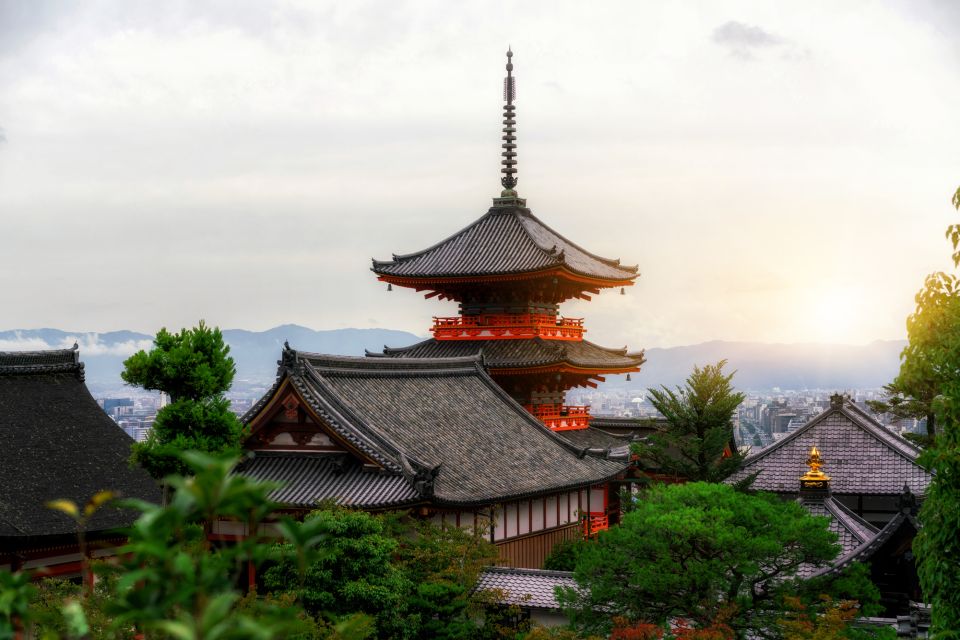
If your goal is Kyoto cherry blossoms with a calm, guided pace, I think this is worth booking. The private rickshaw format tackles two big friction points: where to go and how to get a good view without wasting time. Add in photo stops and a guide who explains what you’re seeing in clear English or Japanese, and it becomes a practical way to experience sakura season.
The decision comes down to your expectations about bloom. If you’re okay with the reality that blossoms may not be at peak, you’ll likely love the street-level views, the wooden townhouse atmosphere, and the Gion pass with context.
If peak-full-bloom perfection is your non-negotiable, you’ll want to build in some flexibility for spring timing, because the tour itself can’t promise full bloom.
FAQ
How long is the Higashiyama Sakura private rickshaw tour?
It runs from 70 minutes up to 2 hours, depending on the option you choose and availability.
Is this tour private or shared with other groups?
It’s a private group tour.
What languages does the guide speak?
The live tour guide is available in English and Japanese.
Where do we meet the guide?
You meet at the corner of Ichinenzaka and Nene Street. The provider sends a JPG map by email. You can also find the meeting area by searching Ebisuya Higashiyama Rickshaw on Google Maps.
Is there an option to walk near Kiyomizu-Dera during the cherry blossom season?
Yes. Depending on the tour length you choose, the longer option can include a stop to walk amidst cherry blossoms at World Heritage Kiyomizu-Dera Temple.
Are entrance fees included?
Yes. Entrance fees to attractions are included.
Are selfie sticks allowed?
No. Selfie sticks are not allowed.
How does seating work for children?
The tour allows up to 2 children aged 5 and under to ride with 2 adults, sitting on an adult’s lap. If a child 5 years and younger will use one of the two rickshaw seats, they must be booked as an adult/participant.
Is this tour suitable for wheelchairs or strollers?
It’s listed as wheelchair and stroller-friendly.
Is it okay for early pregnancy?
It’s not recommended for expecting mothers in the first 16 weeks of pregnancy.