REVIEW · KYOTO
Kyoto in a Day by eBike: The Best Bits Tour (East Course)
Book on Viator →Operated by KCTP · Bookable on Viator
Kyoto’s Shogun-era trail is easiest by eBike. This East Course ties together big sights and quieter streets, moving you from Kyoto Station to the tranquil Philosopher’s Path area and back in one day without turning your legs into noodles. I really like that the route is built around major temple and palace stops, starting calmly at Nishi Honganji and building up to places like Nijo Castle and Kiyomizu-dera.
Two things I’d pick again: the smooth pace of e-bike touring for covering real distance, and the fact that your guide handles the how-and-when so you can focus on Kyoto itself. One drawback to plan for is weather: the tour runs in the rain, and while there are options, you’ll still be outside for long stretches.
In This Review
- Key highlights (what makes this tour click)
- Why an eBike East Course makes sense for Kyoto
- Meeting at Kyoto Station Cycle Terminal and getting ready
- Stop 1: Nishi Honganji for a calm start (and fewer crowds)
- Stop 2: Nijo Castle’s architecture and interior artworks
- Kyoto Gyoen National Garden: a quiet cycle by the Imperial Palace area
- Ginkakuji (Silver Pavilion Temple): 45 minutes with gardens and shoreline vibes
- Philosopher’s Path: the cycling stretch that often steals the show
- Stop 5: Kiyomizu-dera for city views from the eastern mountains
- Lunch and entry fees: where the $247.12 value really shows
- Rain won’t cancel the plan, but it will change the feel
- Guide quality: safety, storytelling, and flexible detours
- Who this tour fits best (and who should think twice)
- Should you book this Kyoto in a Day by eBike East Course?
- FAQ
- What is the duration of the Kyoto in a Day by eBike East Course?
- Where does the tour start and where does it end?
- What time does the tour begin?
- Is the tour private?
- How many people can be in the group with a guide?
- Do I need to pay entry fees or lunch separately?
- Does the tour run in the rain?
- Are kids allowed?
- Is the guide English-speaking?
- What is the cancellation policy?
Key highlights (what makes this tour click)
- English-speaking guide, small private group: your group rides together with a guide who can adjust pacing and detours.
- Major sights + quieter city edges: you get landmark entries plus peaceful cycling stretches like Philosopher’s Path.
- Lunch and listed entry fees included: you’re paying once and not hunting down tickets all day.
- Rain plan built in: poncho option or a walking alternative using public transportation.
- Guides like Makoto Yanai, Kay, Tad, and Tomoko: from the feedback, they prioritize safety, storytelling, and photo/comfort breaks.
Why an eBike East Course makes sense for Kyoto
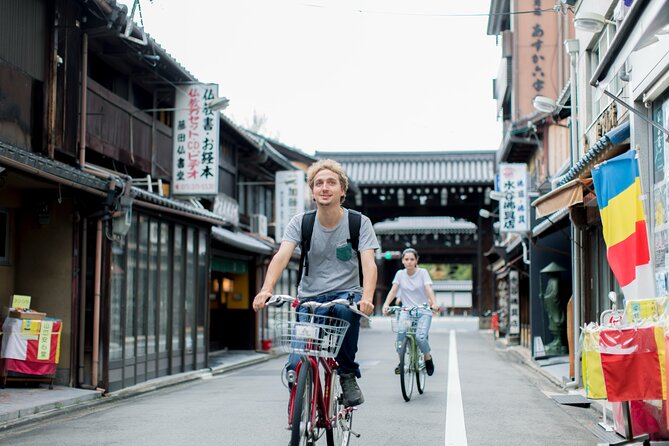
Kyoto can be a trap for foot power. Distances look short on a map, but walking plus crowds plus stairs can turn your day into a grind. On an eBike, you trade that stress for steadier momentum, which matters most when your itinerary includes multiple temple areas and palace-side gardens.
This route also aims at flow. You start at Kyoto Station, then head through a chain of stops that build a story around Kyoto’s governing legacy—temples and castle-like power centers side by side with calmer garden spaces. If you like history but also want time to enjoy the streets, the East Course style is a smart match.
You can also read our reviews of more cycling tours in Kyoto
Meeting at Kyoto Station Cycle Terminal and getting ready
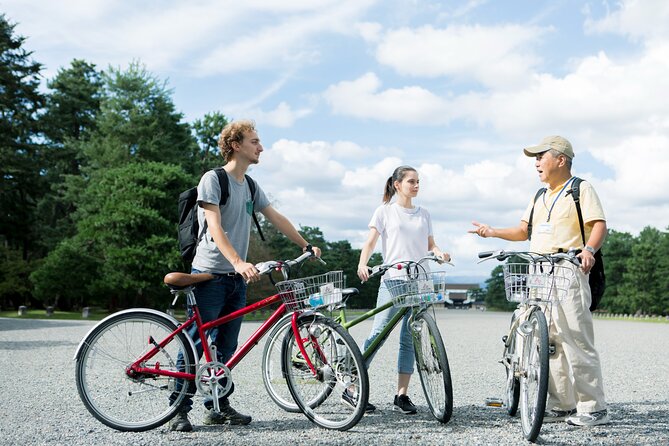
The meeting point is Kyoto Cycling Tour Project at the Kyoto Station Cycle Terminal (552-13 Higashiaburanokōjichō, Shimogyo Ward). Tours start at 9:00 am, and they end back at the same place, which helps you plan the rest of your day without guesswork.
This is a private tour/activity, and that matters for how the day feels. Your group rides with one guide, and the tour is capped at 2 to 6 guests per guide. If your group is 7 to 12, the provider can arrange an extra guide—so you’re not squeezed into one chaotic ride.
One practical note: the tour isn’t for solo participants, and children have rules. Kids must be at least 10 years old, 145 cm or above, and able to ride safely on the road unassisted. If that describes your group, great; if not, you’ll want to look at other options.
Stop 1: Nishi Honganji for a calm start (and fewer crowds)
The day begins at Nishi-Honganji, a major temple in Kyoto that’s known for impressiveness with relatively fewer crowds than some other big-name sites. You’ll get about 15 minutes here, and admission is free.
What I like about this kind of opening is mental reset. Instead of starting with the most famous peak-hour temples, you begin with a place that still delivers awe, but doesn’t shove you into a wall of people. It’s a good first stop to get your bearings for the ride and let your guide set the tone with context.
Stop 2: Nijo Castle’s architecture and interior artworks
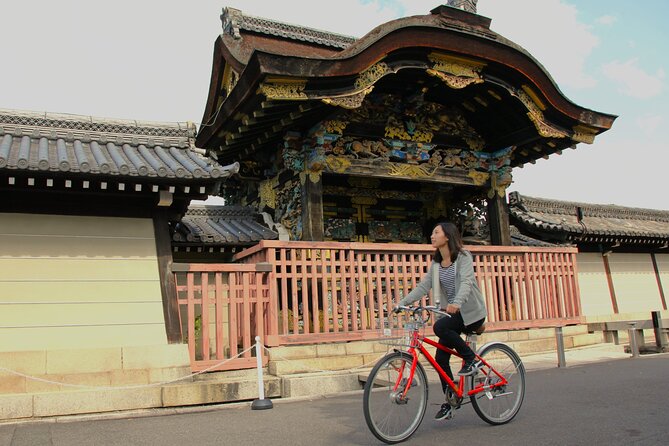
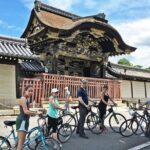
Next up is Nijo Castle, located in central Kyoto. The time here is about 1 hour, and admission is included.
Nijo Castle is the kind of stop where you understand why leaders wanted power displayed in stone, wood, and layout. The guide focuses on the impressive architecture and the interior artworks, so you’re not just staring at walls—you’re learning how the building itself communicates status and authority.
The best part is timing. A full hour gives you a chance to slow down, catch details, and not feel rushed between photo spots. Just keep in mind that castles are also where you can end up doing lots of reading and standing—so wear comfortable shoes and don’t plan to power through without breaks.
Kyoto Gyoen National Garden: a quiet cycle by the Imperial Palace area
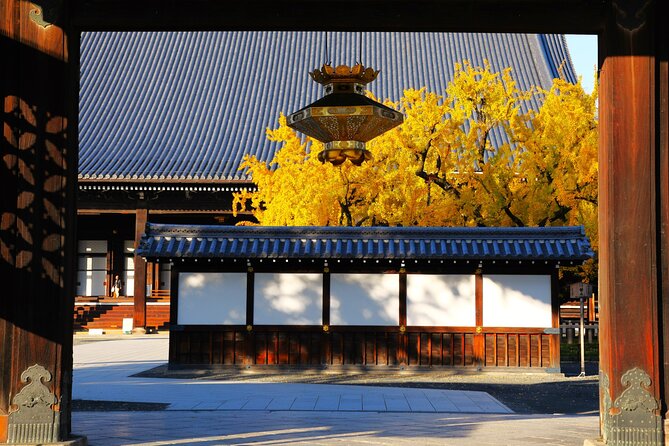
Then you roll into Kyoto Gyoen National Garden, around the quiet garden space near the Imperial Palace area. You’ll spend about 15 minutes, with admission free.
This is a breather stop, and it’s more useful than it looks. In the middle of a long day, it helps to have one segment that’s calm enough to reset your eyes after ornate interiors and busy streets. Cycling through garden-adjacent paths also gives you a different Kyoto feeling—less performance, more atmosphere.
If you’re the type who likes to pause and absorb, this garden time is where you can do it without feeling like you missed the important stuff.
You can also read our reviews of more tours and experiences in Kyoto
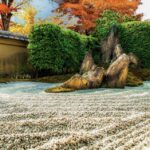
Ginkakuji (Silver Pavilion Temple): 45 minutes with gardens and shoreline vibes
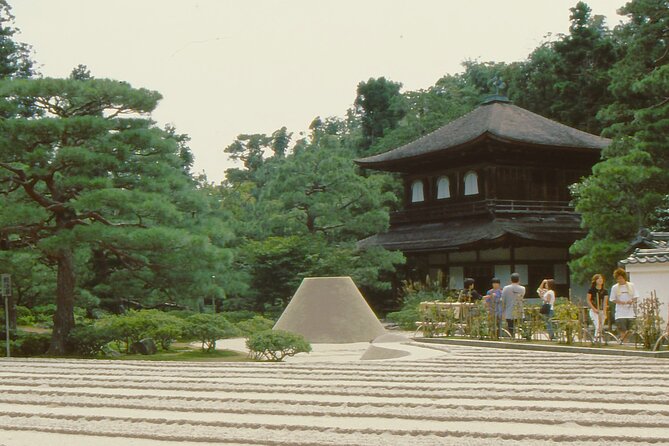
Ginkakuji Temple, also called the Silver Pavilion Temple, is next. Plan for about 45 minutes, and admission is included.
The guide presentation here focuses on pavilion architecture and the garden design, including how the setting is arranged along a water edge (the route description notes it as along the quai). That matters because Japanese garden design isn’t only what you see head-on. It’s also how the water and pathways shape your movement and sight lines.
This stop also gives you a better chance to slow your pace. After castle intensity, you can shift into a more observational mode—standing, looking, then moving on again. If you tend to love garden composition, this is one of the best uses of time on the itinerary.
Philosopher’s Path: the cycling stretch that often steals the show
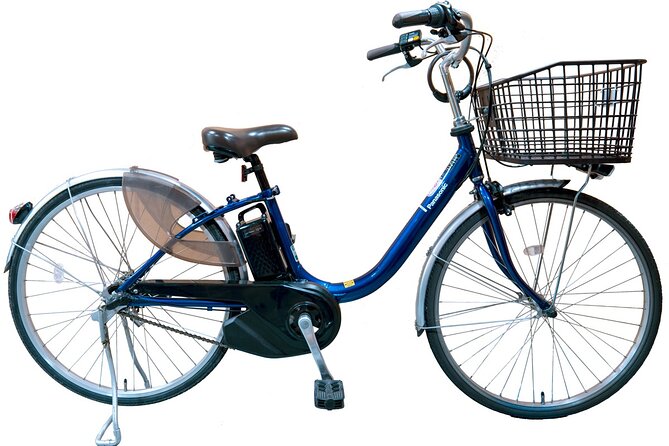
The route then includes Philosopher’s Path, a quaint street along Kyoto’s north-eastern corner. The description is clear that it’s particularly perfect for cycling, and it’s especially breathtaking during the autumn maple season.
Here’s the big reason this matters for your day: it’s not just a stop you visit. It’s a slow-moving stretch of Kyoto you experience while moving. You’re not trapped at one viewpoint; you can glide along the path and let the atmosphere build.
If you’re going in a non-fall month, you’ll still get the charm of the street itself—just expect less dramatic color. Either way, bring your camera, and plan to keep one hand free for photos when the ride pauses.
Stop 5: Kiyomizu-dera for city views from the eastern mountains
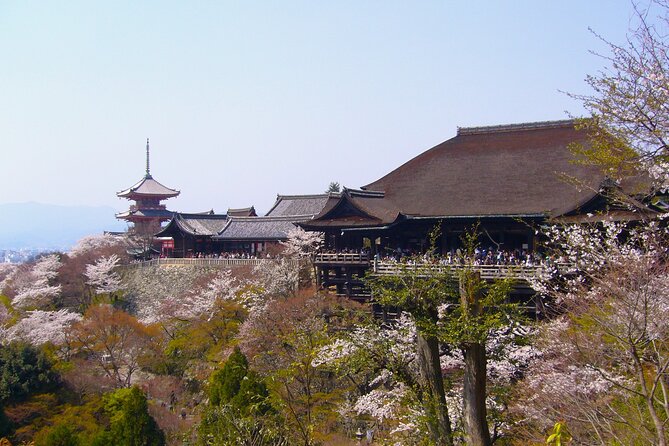
The final temple highlight is Kiyomizu-dera Temple, with about 30 minutes on site and admission included.
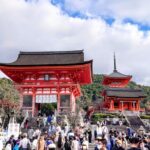
Kiyomizu-dera is famous for its views from the eastern mountains, and your guide explains its significance as a major early Shogun-era build. That guided context is important here, because the sight can feel dramatic at first glance—but the meaning gives it staying power once you understand why it was built this way.
This is also a stop that rewards good energy management. Thirty minutes isn’t long if you decide to do everything at a sprint pace. If you want the views and the story, pace yourself: take in the panorama, then circle back to focus on any details your guide points out.
Lunch and entry fees: where the $247.12 value really shows
The tour costs $247.12 per person, runs about 8 hours, and includes lunch plus all listed entry fees. In Kyoto, that inclusion isn’t small change. Many guided days become a paperwork headache once you start adding temple tickets, transport costs, and food on top.
By bundling lunch and admissions, you avoid two common problems: decision fatigue and time loss. I like tours that remove the mental math, especially on a day that already starts early at 9:00 am.
Also, consider what else you’re effectively paying for: an experienced English-speaking guide, an e-bike experience, and a preplanned route that stitches together Kyoto’s major sites with calmer segments. At this price point, you’re not just buying entry tickets—you’re buying a smoother day that’s easier to navigate.
Rain won’t cancel the plan, but it will change the feel
The tour operates in rain. You’re given options: you can continue on bikes with rain poncho support at no extra charge, or you can switch to a walking tour using public transportation (bus or metro), with that alternative included in the tour fee.
This is one of the most practical aspects of the experience. If you’ve ever been trapped on a rainy day trying to stitch together temples by yourself, you know how fast the day unravels. Here, you’re not left guessing what happens next.
If rain is in the forecast, dress for wet hands and slippery surfaces. Even with ponchos, cold wind can make you feel underdressed once you’re off the bike and waiting around. A small umbrella and grippy shoes are helpful in general, and a dry layer for later is worth bringing.
Guide quality: safety, storytelling, and flexible detours
The tour lives or dies by the guide, and the names that come up in the feedback stand out: Makoto Yanai, Kay, Tad, and Tomoko. A recurring theme is safety with good pacing. People also point out that guides share historical facts while keeping the day fun and not lecture-heavy.
Makoto Yanai is highlighted for kindness and entertainment, and for adapting the tour to the group’s wishes. One example mentioned is a detour along the Kamo River, which can add a scenic cycling section and a different neighborhood feel without breaking the day’s structure.
Kay and Tad are praised for keeping safety in the foreground while sharing information and steering toward less-frequented stops. Tomoko is noted for providing information, keeping time for photos, and even building in a refreshment moment during an August trip.
So when you book, what you’re really buying is less stress and more momentum, with a guide who can adjust when the day needs it.
Who this tour fits best (and who should think twice)
This tour is a strong fit if you want a full-day Kyoto sampler without doing the logistics puzzle yourself. The stops cover a classic arc—temples and power centers, then gardens, then major viewpoints—so it works for people who like history but also want to see Kyoto’s mood changes across neighborhoods.
It also fits groups that value shared pace. Because it’s private and small, you’re less likely to feel lost in a crowd. You’ll also appreciate the guidance if you’re not sure how to connect Kyoto Station to the calmer north/east cycling areas efficiently.
If you dislike cycling in traffic-adjacent streets, or if wet weather would make you miserable outdoors, you may want to reconsider. Rain is part of the plan, and even with ponchos, the experience won’t feel like a dry-day stroll.
Should you book this Kyoto in a Day by eBike East Course?
If you want an efficient, guided Kyoto day where lunch and entry fees are already handled, I’d say it’s worth serious consideration. The route structure makes sense: start at a calm temple, move into castle territory, step into garden quiet, ride through Philosopher’s Path, and end with city views at Kiyomizu-dera. That’s a good mix of big landmarks and the kind of cycling that helps you enjoy the streets instead of just checking boxes.
Book it if:
- you can ride a bicycle safely and want less walking
- you like having an English-speaking guide connect the dots
- you want a day plan that includes meals and admissions
Think twice if:
- rain would ruin the experience for you, or you strongly prefer a dry-day itinerary
- your group doesn’t meet the participation rules for kids or solo riders
FAQ
What is the duration of the Kyoto in a Day by eBike East Course?
It runs for about 8 hours.
Where does the tour start and where does it end?
It starts at Kyoto Cycling Tour Project (Kyoto Station Cycle Terminal) and ends back at the same meeting point.
What time does the tour begin?
The start time is 9:00 am.
Is the tour private?
Yes. It’s a private tour/activity, so only your group participates.
How many people can be in the group with a guide?
The tour accepts a minimum of 2 and a maximum of 6 guests per guide. If there are 7–12 people, an extra guide can be arranged.
Do I need to pay entry fees or lunch separately?
No. Lunch and all listed entry fees are included in the tour fee.
Does the tour run in the rain?
Yes, it operates in rain. You can either keep riding on bikes with rain ponchos, or switch to a walking tour using public transportation.
Are kids allowed?
Children must be at least 10 years old, at least 145 cm tall, and able to ride a bicycle safely on the road unassisted.
Is the guide English-speaking?
Yes, the tour includes an experienced English-speaking tour guide.
What is the cancellation policy?
The experience notes that it is non-refundable and cannot be changed for any reason. It also says you should cancel at least 3 days prior to the tour date by 18:00 (JST) for a refund—so you’ll want to check the exact terms shown for your booking before you purchase.