Kyoto can feel like a blur of lines and buses. This private walk keeps it human, moving you from Fushimi Inari through Higashiyama-style lanes to Arashiyama bamboo at a steadier pace. You get guided stops, planned photo moments, and time to actually eat and look.
I really like two things here: first, the route strings together Kyoto’s most important sights without turning every stop into a sprint. Second, the guide team focuses on real street-level details—temple atmosphere, snack breaks, and local history—so you leave with more than just photos. I’ve also seen guides named Mariko and Mana, which hints at a small-team approach rather than one generic script.
One consideration: you’ll pay for things along the way. Admission fees and most meals are not included, and paid places can be cash-only—so bring about ¥1,000–¥1,500 per person for a full-day plan.
In This Review
- Key highlights worth planning around
- A 6–8 hour Kyoto route that works even when your feet are tired
- Price and logistics: what $116 buys you (and what it doesn’t)
- Fushimi Inari Taisha: torii gates, with time to breathe
- Kiyomizu-dera: the big viewpoint, plus a calmer climb
- Sannenzaka and Ninenzaka: lanes built for coffee, snacks, and quick browsing
- Yasaka Shrine, Hanamikoji-dori, and Gion: photo moments with a walking flow
- Nishiki Market lunch: use the break to eat first, browse second
- Kinkaku-ji: 50 minutes of golden-temple context
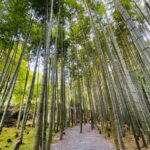
- Arashiyama Bamboo Forest: a short guided walk before the ride back
- What makes this tour feel personal (not canned)
- Who should book this, and who should skip it
- Should you book KIYOTO’s Kyoto Private Tour?
- FAQ
- How long is KIYOTO’s Kyoto Private Tour?
- Is this tour private?
- What languages do the guides speak?
- Are admission fees and meals included?
- Is transportation included in the price?
- How do you contact the guide before the tour?
- Is the tour suitable for wheelchair users?
Key highlights worth planning around
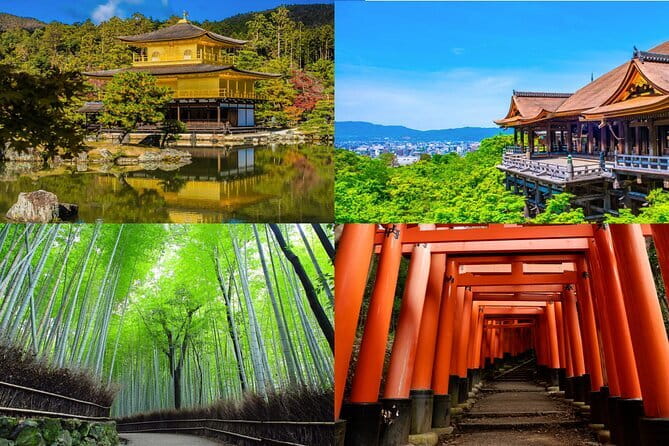
- Fushimi Inari Taisha torii walk with a guide: 40 minutes that helps you slow down instead of just “tick the box.”
- Kiyomizu-dera views built into the experience: 1 hour at the big viewpoint, with time to enjoy the approach.
- Higashiyama lanes (Sannenzaka + Ninenzaka) with snack time: coffee/dessert and quick tasting stops in small streets.
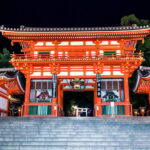
- Gion photo-stops + shrine moments: Yasaka Shrine, Hanamikoji-dori, and Gion are included as structured walks and photos.
- Nishiki Market as your midday reset: a long break with lunch and street food browsing.
- Golden Temple + bamboo in one day: Kinkaku-ji and Arashiyama fit into the same 6–8 hour flow.
A 6–8 hour Kyoto route that works even when your feet are tired
This tour is built like a careful day plan: it covers both sides of Kyoto—south/east first, then west—while keeping you on your own feet at a walking pace. You’re not spending the whole day commuting across town, waiting, and guessing where to go next. The schedule is tight enough to hit major sites, but it includes guided time plus short breaks for food and photos.
The private part matters. With a small group, you can ask questions on the spot. You can also adjust your speed when you run into a slow moment—whether that’s a line at a popular entrance or just the urge to linger at a temple gate. The walking approach also means you notice things that are easy to miss when you’re on a bus: incense drifting near quieter side corners, old wooden details, and small shops that don’t get a spotlight on typical big-group tours.
You can also read our reviews of more private tours in Kyoto


Price and logistics: what $116 buys you (and what it doesn’t)
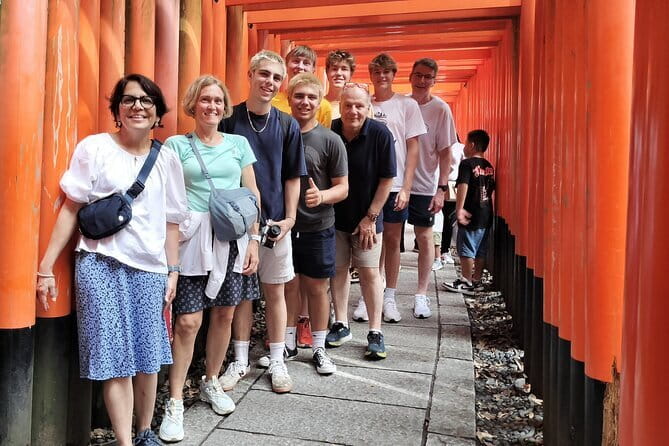
The listed price is $116 per person for 6–8 hours. That’s a fair rate for a private guide and the guided time at multiple paid attractions—especially with pickup included in Kyoto.
But the cost picture is not just the headline price. Here’s what you should expect to add:
- Admission fees are not included, and paid facilities generally run ¥300 to ¥800 each.
- Foods and drinks are not included.
- Transportation costs are not included in general, though there’s an important note for the van option: vehicle, driver, gas, parking, and water are included for that option.
So your real budgeting move is simple: plan to bring cash. The tour advice suggests roughly ¥1,000 for a half-day and ¥1,000–¥1,500 for a full-day to cover admissions, with the cash-only detail in mind. If you want lunch, treat it as a separate line item. The schedule includes a long Nishiki Market break, so you’ll likely spend there.
Fushimi Inari Taisha: torii gates, with time to breathe
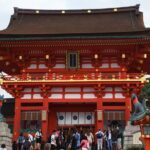
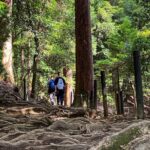
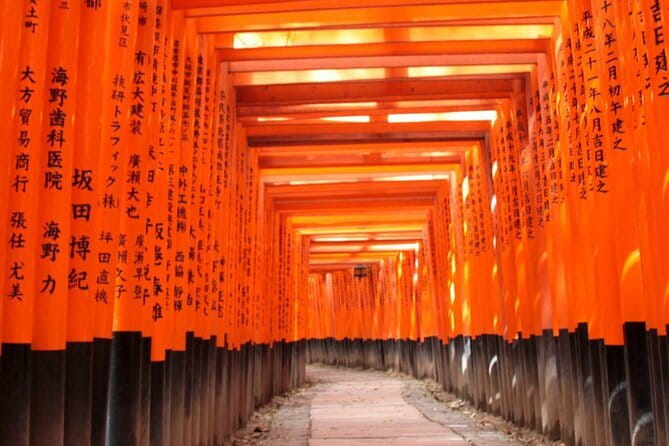
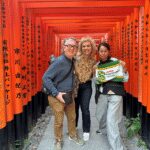
You start at Fushimi Inari Taisha, one of Kyoto’s most famous shrines. You get about 40 minutes with a guided visit, which is key. Without a guide, it’s easy to power-walk through torii after torii and miss the meaning behind the route.
What I like about doing it this way is that you’re given structure. You’re not just walking uphill; you’re learning what you’re seeing while you’re seeing it. Even if you’ve read about Inari before, the onsite context helps it click—especially when the guide can point out small visual cues and explain how the place fits into Kyoto’s spiritual life.
A practical tip: wear shoes you can keep on for a while. This part is straightforward walking, but the whole day adds up.
Kiyomizu-dera: the big viewpoint, plus a calmer climb
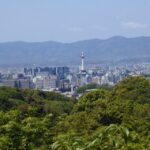
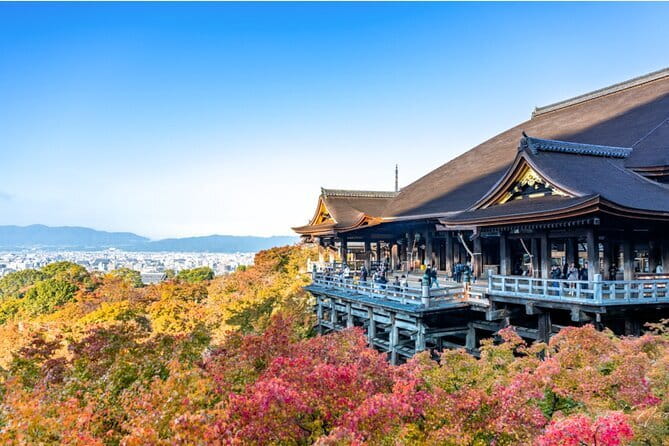
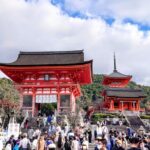
Next comes Kiyomizu-dera, scheduled for about 1 hour. This is the moment where Kyoto starts looking like a postcard from multiple angles. The tour frames it as a panoramic experience—so you’re not just passing through a temple courtyard. You get time at the viewpoint area and time to understand what makes this temple a major stop.
The value of a guided hour here is context. Kiyomizu-dera isn’t only about the dramatic scene—it’s also about why people care about this place, and what history connects it to the way Kyoto evolved.
Downside? One hour can feel like a lot and a little at the same time. If you’re the type who loves lingering at one angle for a long time, you may want to set expectations early with your guide so you still hit your next stops comfortably.
Sannenzaka and Ninenzaka: lanes built for coffee, snacks, and quick browsing
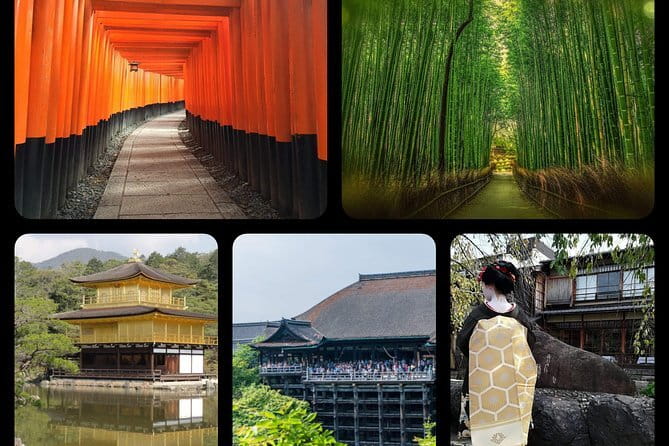
From Kiyomizu-dera, you move into the classic streets: Sannenzaka first, then Ninenzaka. Each is allotted about 15 minutes, and the tour includes time for:
- coffee and street snacks
- local tastings
- shopping stops in the lane shops
- scenic walk-by views
This is where the walking tour format shines. These streets are famous, but the experience here is more about pacing and choices than ticking off a checklist. You get short “decision windows.” You can try a sweet, pick up a small souvenir, and keep moving without losing the day.
Quick reality check: 15 minutes is not a long time. If you have your heart set on buying something specific, set your priorities fast—otherwise you can end up in a shopping loop without buying the thing you actually wanted.
You’ll also have a brief photo stop at Starbucks Kyoto Nineizaka Yasaka Chaya. Don’t worry if you don’t care about the café brand. It’s included mainly as a quick visual checkpoint in a scenic area.
Yasaka Shrine, Hanamikoji-dori, and Gion: photo moments with a walking flow
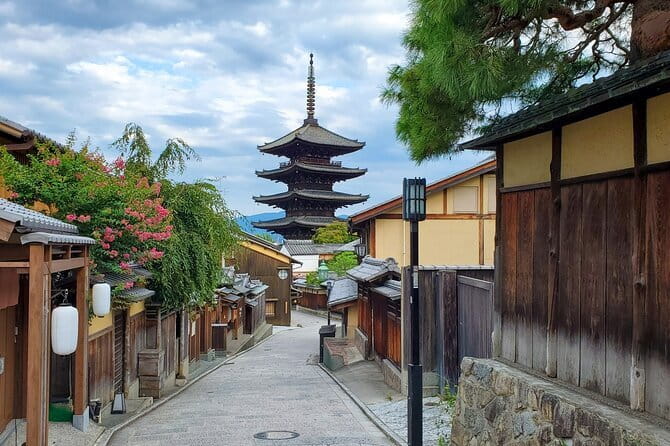
After the Sannenzaka/Ninenzaka lanes, you shift into the Yasaka Shrine area with a photo stop plus walking and guided time (about 10 minutes). Then you continue through Hanamikoji-dori with another photo stop and scenic walk time (about 10 minutes), followed by Gion with about 20 minutes.
The timing is smart. You’re not spending your whole day trying to chase one perfect Gion street photo. Instead, you move through multiple recognizable places as a connected walk. That matters because it keeps your feet and your attention aligned—you’re never far from the next “story beat.”
Also, the guide’s role shows up here. Knowing what you’re looking at helps the scenery feel less random. Even if you’re mostly there for atmosphere, a quick explanation can turn an ordinary street view into something you remember.
Nishiki Market lunch: use the break to eat first, browse second
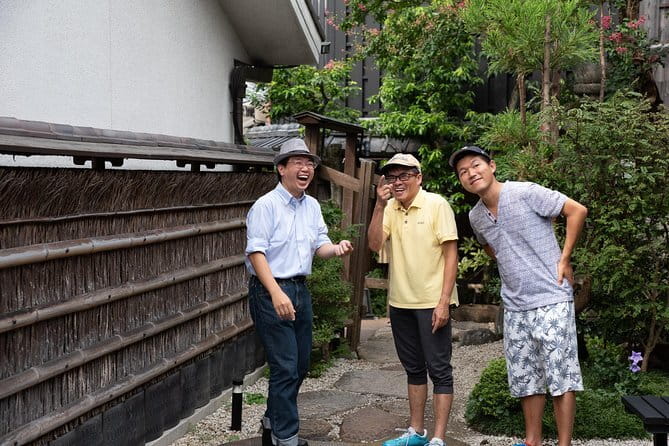
Nishiki Market is built for short wandering and rapid decisions, so the tour gives it a full 1-hour break with time for lunch and street food browsing.
This is the practical midpoint of the day. You get enough time to:
- eat something you’ll actually like
- sample a couple of small items
- browse without constantly checking your schedule
I like this structure because food is not an afterthought. It’s part of the pacing. You can also use this hour to reset your energy before the west-side sightseeing.
One caution: carry cash. The tour notes that many paid places accept cash only, and market purchases often follow the same reality on the ground.
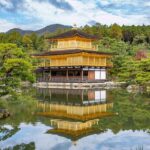
Kinkaku-ji: 50 minutes of golden-temple context
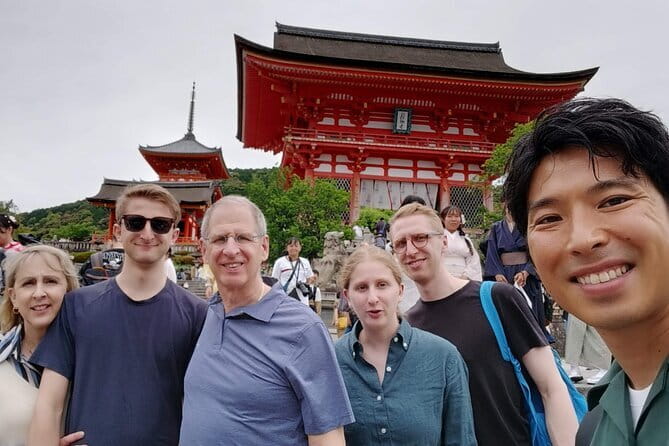
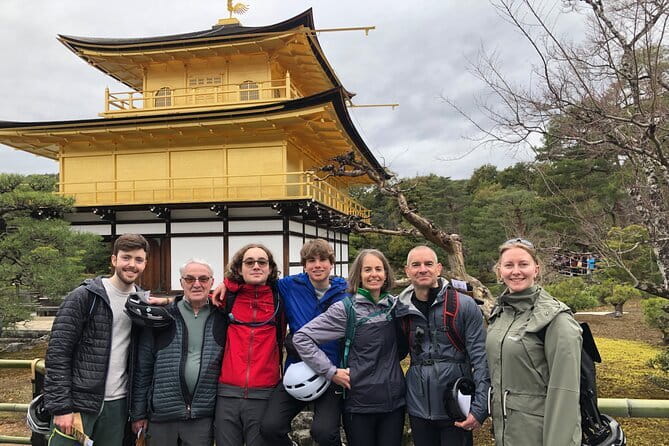
After lunch, you head toward Kinkaku-ji (the Golden Pavilion). You get about 50 minutes for the visit, with guided tour time and walking.
The highlight promise here is history alongside the visuals. That’s the sweet spot of a good temple stop: you look at the famous object, and then you learn what you’re seeing and why it matters in Kyoto’s Buddhist culture. When a guide explains the background while you’re still onsite, the temple doesn’t feel like a distant museum piece—it feels like a living part of the city.
The time is also realistic. Fifty minutes is long enough for a meaningful look without wiping out your afternoon.
Arashiyama Bamboo Forest: a short guided walk before the ride back
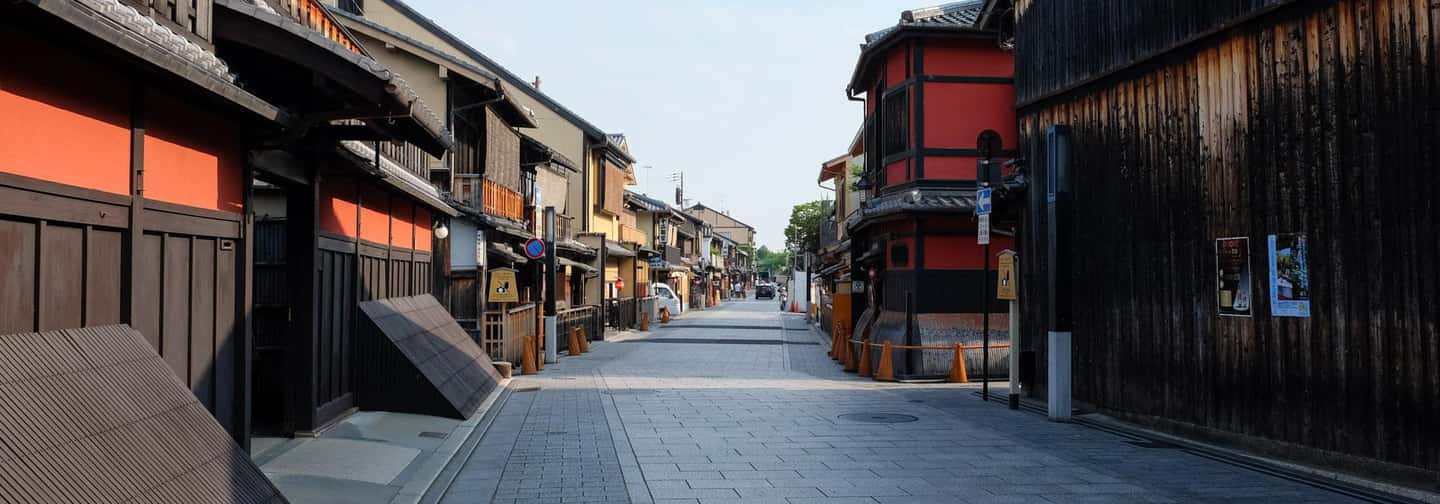
You finish with Arashiyama Bamboo Forest—scheduled for about 30 minutes of guided visit and walking, followed by a train segment (about 25 minutes) to return to Kyoto.
This ending works for two reasons:
- Bamboo feels best when you’re not rushed. The shorter slot helps you stay present without sprinting through it.
- You get a built-in transition back, which matters after a long day of walking.
Plan your expectations: 30 minutes is enough to enjoy the main bamboo walkway and soak up the atmosphere, but it’s not an all-day deep explore. If you want more time in Arashiyama beyond bamboo—river strolls, gardens, and extra viewpoints—you’d need additional time in Kyoto or a different tour.
What makes this tour feel personal (not canned)
The “private guide” part is more than a sales line. The tour’s approach emphasizes gentle pacing, rest breaks, and room for conversation. You’re walking, not being shuttled from stop to stop like cargo. That means you can ask about what you notice—temple details, local snacks, or how different neighborhoods connect.
It also helps that the guide team is small. Names like Kiyoto, Mariko, and Mana show up in guide references, suggesting you may be matched with someone who’s been trained in the same style rather than a rotating cast.
A crowd-smart note: one guide approach described is planning routes to avoid crowds as much as possible. Even when you can’t escape popularity, timing and pacing can make the difference between stress and calm.
Who should book this, and who should skip it
This tour is a strong fit for you if:
- you want a guided, private day without planning each hop yourself
- you like walking at a human pace
- you’re happy to spend time eating snack-style and doing photo checkpoints
- you want a mix of major landmarks (Inari, Kiyomizu-dera, Kinkaku-ji) plus neighborhood lanes (Sannenzaka/Ninenzaka, Gion, Hanamikoji)
You might want to skip or rethink it if:
- you’re not comfortable with long days on foot
- you need step-free mobility support. The details are mixed: the activity info says wheelchair accessible, but it also states it’s not suitable for wheelchair users and not suitable for people with mobility impairments. If accessibility matters, message the provider directly before booking and confirm what “accessible” means for your specific needs.
Should you book KIYOTO’s Kyoto Private Tour?
Book it if you want a Kyoto day that feels organized but still flexible—where you get guided context at the big sights and time for street-level snacks and lanes. The route is efficient, and the private format makes it easier to slow down when you want to, not when the schedule forces you.
Don’t book it if you hate paying extra on the fly. Between admission fees and meals, your final spend will be more than the $116 headline. Also, the tour includes a mix of transport segments, so you’ll want to be ready for the reality that transportation costs may not be fully covered unless you choose the van option.
If you like walking tours and want Kyoto’s “everyday street vibe” alongside the famous temples, this is a good bet.
FAQ
How long is KIYOTO’s Kyoto Private Tour?
The duration is listed as 6 to 8 hours, depending on availability and starting times.
Is this tour private?
Yes. It’s described as a private group tour.
What languages do the guides speak?
The tour lists English and Japanese for the live guide.
Are admission fees and meals included?
No. Admission fees and foods and drinks are not included. The tour notes paid facilities often cost ¥300 to ¥800, and it’s wise to bring cash (about ¥1,000–¥1,500 per person for a full-day plan). Meals are also not included, with lunch time built into the day.
Is transportation included in the price?
The information says transportation costs are not included generally, but it also notes that for the van option, the price includes vehicle, driver, gas, parking, and bottled water. The exact transport you use can affect your total day cost.
How do you contact the guide before the tour?
You’ll use WhatsApp for communication between guests and your assigned guide. If you can’t use WhatsApp, you can provide a direct email address instead.
Is the tour suitable for wheelchair users?
The info includes mixed statements: it says wheelchair accessible, but it also says it’s not suitable for wheelchair users and not suitable for people with mobility impairments. If you need accessibility support, confirm details with the provider before booking.