REVIEW · KYOTO
Kyoto: Maiko, Samurai, or Kimono Rental and Tea Ceremony
Book on GetYourGuide →Operated by Maiko Transformation Studio Shiki・Rental Kimono Shiki Sakura · Bookable on GetYourGuide
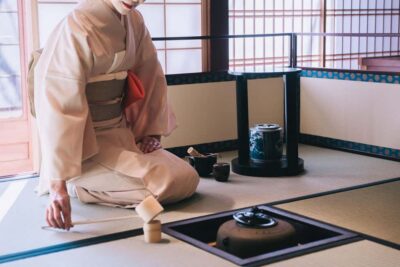
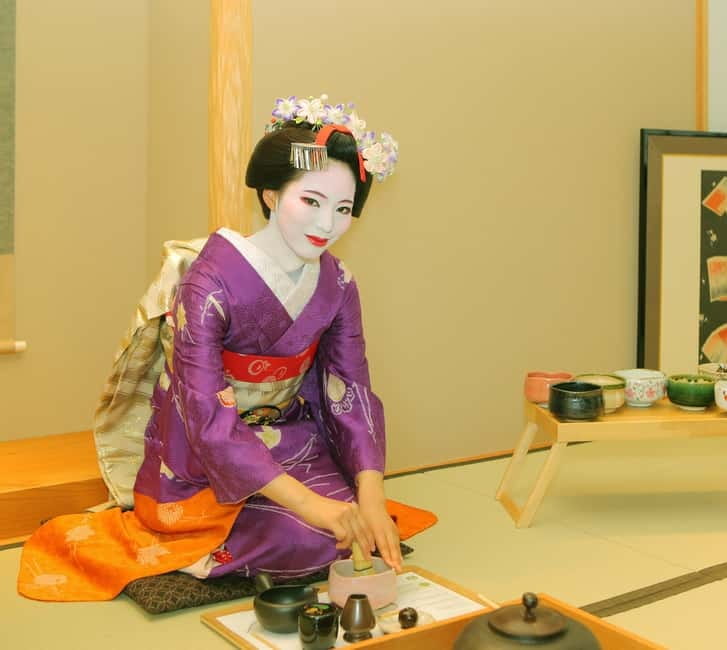
Kyoto gets more fun when you wear the story. This experience lets you dress up as maiko, samurai, or kimono, then head to the nearby tea ceremony parlor “Akebonotei” for matcha and sweets.
I especially like the location: the shop is a short walk from the Kiyomizu-dera area, so your costume day naturally connects to Kyoto’s classic streets like Ninenzaka and Sannenzaka. I also like that the tea ceremony is built to fit real schedules with multiple daily time slots, not one long, dragging block.
The main drawback to plan for is that it runs on a tight clock. If you’re late for either the dressing/kimono part or the matcha ceremony, you may have to join partway through or may miss out.
In This Review
- Key Highlights You Can Actually Use
- Renting a Costume Near Kiyomizu-dera (Not Far From the Action)
- Maiko, Samurai, or Kimono: Picking Your Kyoto Character
- The “Akebonotei” Tea Ceremony: Matcha Meets a Tight Schedule
- What the ceremony includes (and what to expect)
- Price and Value: How $77 Per Person Adds Up
- Timing Is the Whole Game: Why You Must Be Early
- Getting There: The Bus Stop to the Rental Shop Walk
- Included vs Not: What You’ll Want to Know Before Dressing
- What I Think About Authenticity (Based on How This Feels in Practice)
- Who This Fits Best (And Who Might Feel It’s Not Worth It)
- Small Group Comfort: Up to 6 Participants
- Should You Book This Kyoto Maiko/Samurai/Kimono + Tea Ceremony?
- FAQ
- What’s the duration of this Kyoto experience?
- How close is the tea ceremony location to the kimono rental shop?
- What’s included in the price?
- Is hair styling included?
- What are the age and health restrictions?
- Can we choose a maiko or samurai style?
- How late can you keep the kimono?
- Where do we meet if we’re arriving by city bus?
Key Highlights You Can Actually Use
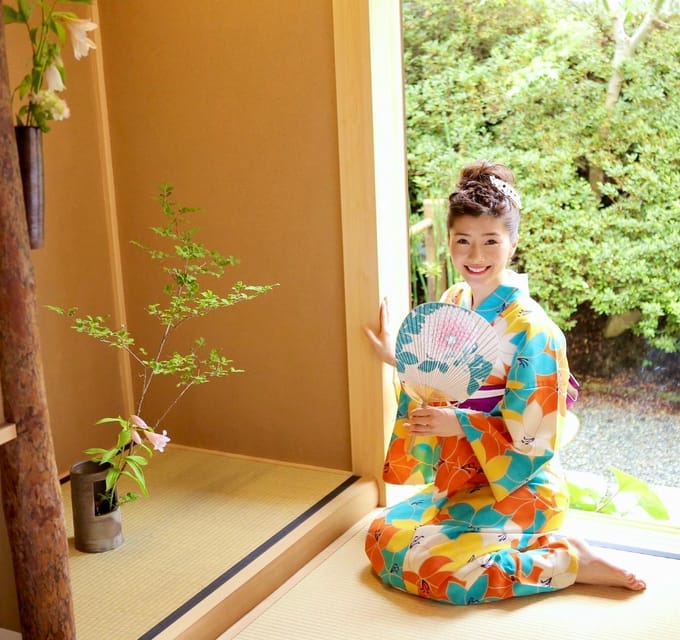
- Maiko, samurai, or kimono: choose the vibe you want without overthinking it
- Akebonotei matcha nearby: the ceremony is just a few minutes’ walk from the rental spot
- Timed slots through the day: multiple start times help families build a Kyoto morning
- Kimono rental until 5pm: you might be able to keep the outfit for more sightseeing
- Small group size (up to 6): less chaos than the big-funnel tours
- Family-limited (up to four): easier to manage with kids than standard group sessions
Renting a Costume Near Kiyomizu-dera (Not Far From the Action)
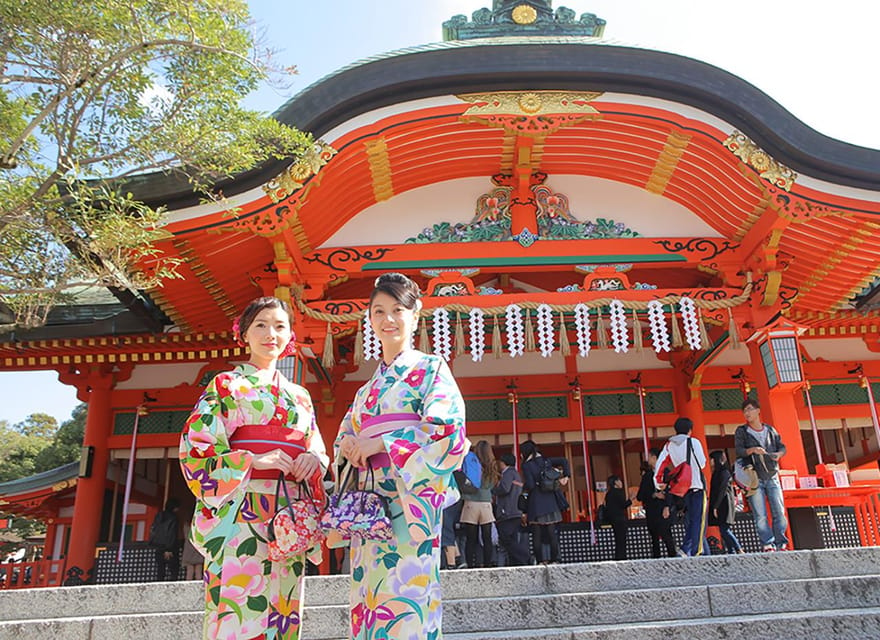
This is a costume-and-tea combo built for the Kyoto sightseeing core: you start right by the Kiyomizu-dera area, then you’re close to the old-streets circuit. The shop is about a 3-minute walk from Kiyomizu-dera Temple and near major landmarks like Yasaka Five-Story Pagoda, Yasaka Koshindo, and the Ninenzaka/Sannenzaka lanes.
From a value standpoint, that matters. Many Kyoto activities place you somewhere pretty, then you spend the rest of the day commuting. Here, your outfit day is already positioned for walking, photos, and hitting nearby sights without turning your day into logistics homework.
You’ll also want to pay attention to who this is designed for. The experience is limited to families of up to four people and is open to ages 5 and up, with a hard stop for younger kids and for pregnancy.
You can also read our reviews of more tours and experiences in Kyoto.



Maiko, Samurai, or Kimono: Picking Your Kyoto Character
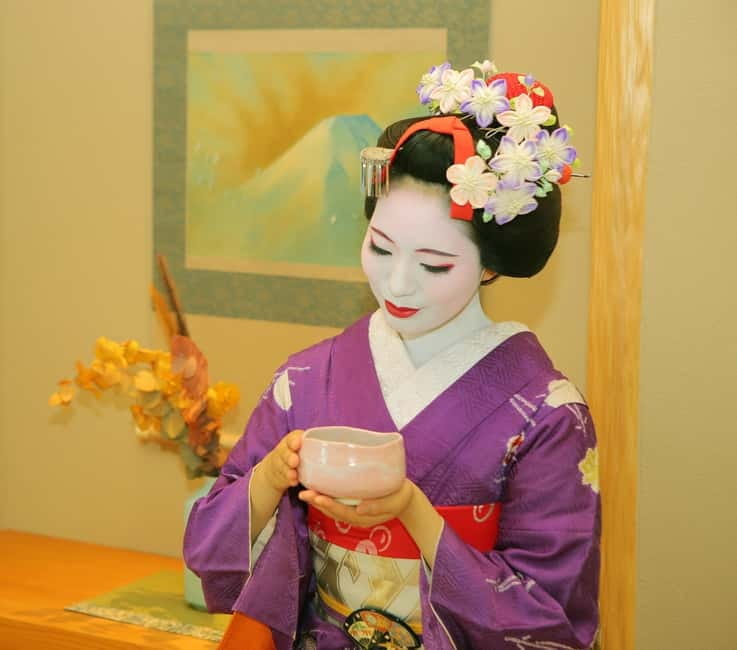
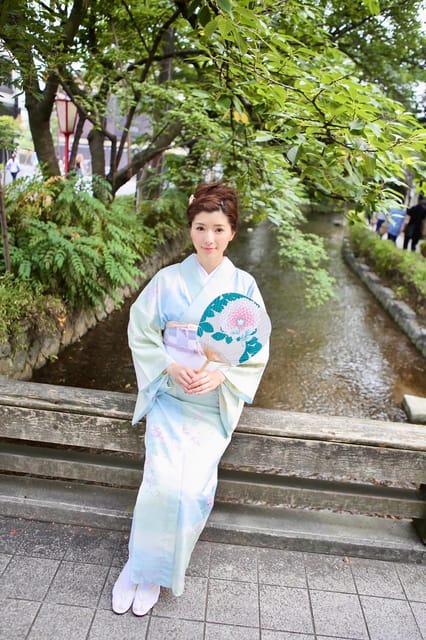
One of the most fun parts is the choice itself. You can rent a maiko-style look, a samurai-style look, or a kimono (yukata plan is offered during the summer window). That gives you a practical way to tailor the experience to your comfort level and photo goals.
From what you’re told in advance, the tea ceremony portion can also be experienced in different styles: kimono style and samurai style are both options depending on what you choose. So you’re not just dressing up for the rental photos; the costume ties into the tea moment.
A couple practical notes:
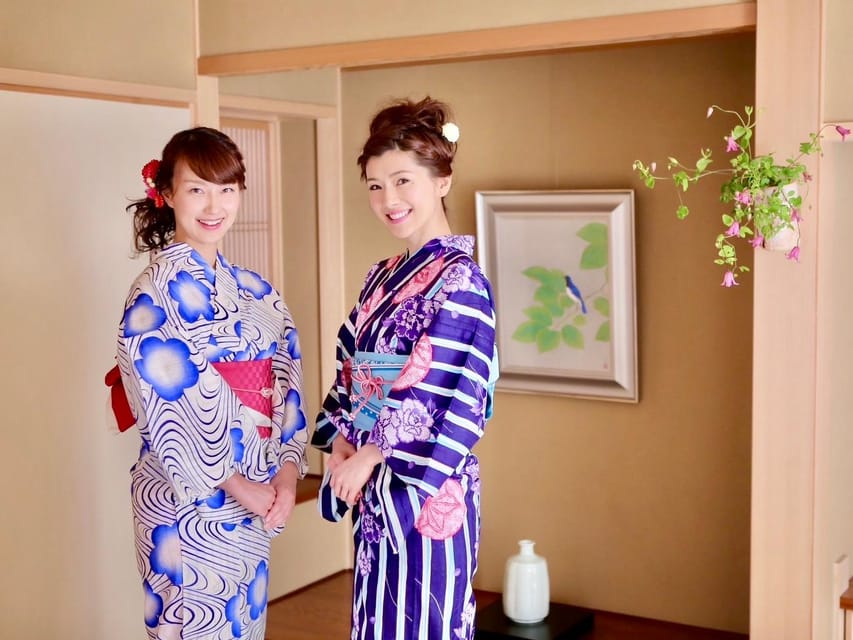
- If you go the kimono route, you may get to enjoy it until 5pm, which can stretch your sightseeing time.
- If you’re doing the summer yukata plan (June 1 to September 15), expect the lighter summer look rather than a heavier formal kimono.
The “Akebonotei” Tea Ceremony: Matcha Meets a Tight Schedule
The matcha part happens at the tea ceremony parlor Akebonotei, which is described as a short walk away from the rental location (about 3 minutes). That’s a big deal because the ceremony isn’t competing with a long transfer or a long wait after you get dressed.
Also, you’re not walking in blind. Your time slot is set, and you’ll do the ceremony at one of several planned windows. The ceremony times listed pair with specific dressing times:
- 9:00 AM kimono → 10:30 AM matcha
- 10:00 AM kimono → 11:30 AM matcha
- 11:00 AM kimono → 12:30 PM matcha
- 12:00 PM kimono → 1:30 PM matcha
- 1:00 PM kimono → 2:30 PM matcha
- 2:00 PM kimono → 3:30 PM matcha
- 3:00 PM kimono → 4:30 PM matcha
That structure helps you plan the day around Kyoto’s real rhythm. If you want to see Kiyomizu-dera and the nearby streets before crowds peak, morning slots can work well. If you want fewer temperature shocks in summer, a later slot might feel easier. Either way, your costume-to-tea flow stays compact.
What the ceremony includes (and what to expect)
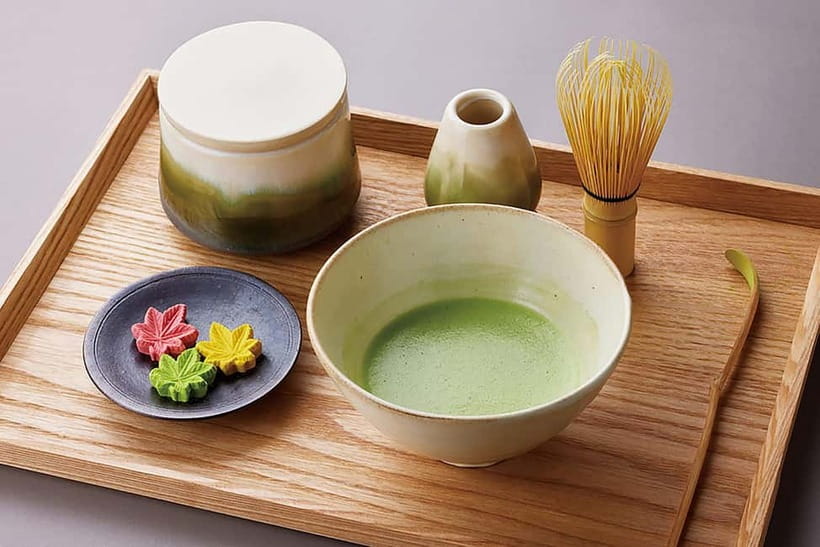
You’re getting a matcha tea ceremony experience, plus sweets. The listing also emphasizes that it’s punctual and timed, and at least one reviewer specifically noted the ceremony is a short version, which can be a good fit for kids (less sitting, more finishing).
One more thing to keep expectations on track: this is not described as an all-day cultural apprenticeship. It’s a focused, packaged ceremony that fits into a visitor-friendly timeframe.
Price and Value: How $77 Per Person Adds Up
At about $77 per person, you’re paying for more than a matcha cup. You’re getting:
- the kimono (or yukata plan in the summer window),
- obi,
- a bag,
- underwear,
- sandals,
- the tea ceremony experience (matcha),
- and sweets.
That bundle can be good value if you want the full “Kyoto in costume” day without hunting rentals, then separately booking tea, then separately figuring out transfers. Even if you only use the outfit for part of the day, you still avoid paying for a separate outfit rental and a separate organized tea session.
What costs extra (or may cost extra):
- Hair styling is not included, and one reviewer mentioned hair styling is offered as an add-on for 1,650 yen.
- If you don’t participate in the tea ceremony, admission fees can apply for those who skip it.
- You should also budget time for the dressing and ceremony pacing so you’re not paying with stress.
Bottom line: the price makes sense when you treat it as an organized package, not as a DIY alternative. If you’re hoping for a slow, deeply traditional ritual experience, you may feel the “tour format” more than the culture.

Timing Is the Whole Game: Why You Must Be Early
This experience is unusually clear about one thing: punctuality. You’re told to be on time for both the kimono setup and the matcha tea ceremony. If you’re late for either part, you may be forced to join halfway through or may not be able to participate.
So here’s how I’d handle it in real life:
- Build in buffer time before your dressing slot.
- If you’re taking a bus, treat the walk time and street-crossing time as real travel time, not “easy mode.”
- For families with kids, plan for bathroom breaks before the start, because the schedule doesn’t slow down for anyone.
In a place like Kyoto—where lines and pedestrian congestion are real—that punctuality requirement is the difference between a smooth day and a frustrating one.
Getting There: The Bus Stop to the Rental Shop Walk

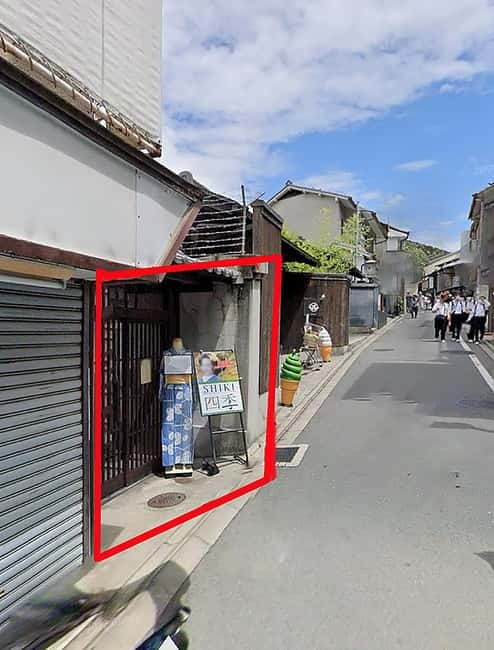
Most visitors using city bus routes get off at Kiyomizu-michi. From there, it’s about a 20-minute bus ride, then roughly a 10-minute walk to the store.
If you’re arriving by bus, this is fairly straightforward, but it still means you should watch your stop timing closely. One missed stop can turn a calm afternoon into a dash.
Included vs Not: What You’ll Want to Know Before Dressing
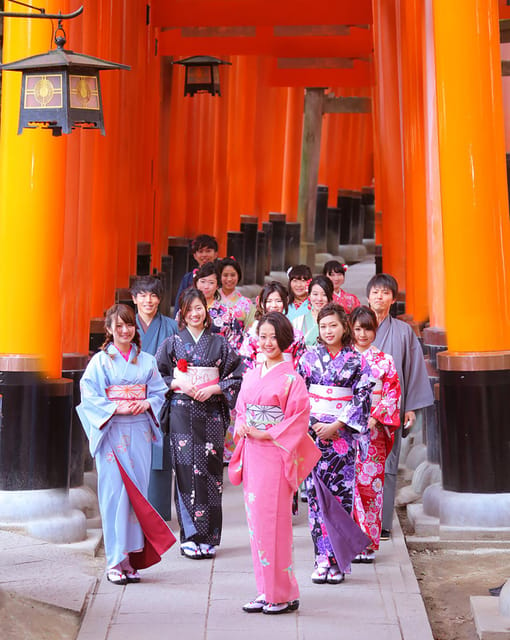
The included items are practical, and that helps you travel lighter. You’re provided with:
- kimono/obi,
- bag,
- underwear,
- sandals,
- and the tea ceremony plus sweets.
Not included:
- hair styling,
- and any admission fee for people who do not participate in the tea ceremony.
Also pay attention to the “yukata plan” note. If you’re visiting between June 1 and September 15, you’ll likely be offered the yukata option, which can be more comfortable in summer heat.
What I Think About Authenticity (Based on How This Feels in Practice)
Some of the hardest feedback says the experience can feel like a factory: lots of waiting, things moving quickly, and a format that feels aimed at tourists more than culture. That kind of critique usually comes when expectations are for something slow, private, or deeply traditional.
On the other hand, there’s also strong positive feedback about the basics working well: the location is convenient, families can manage the pacing, and the ceremony is short enough for kids. One reviewer also mentioned the shop is ideally placed for Kiyomizu-dera and not far from Gion, and that the staff communicate well in English.
So how should you read this as a decision?
- If your goal is character photos and a clean, organized kimono day plus a matcha ceremony, this is likely to satisfy.
- If your goal is a quieter, more immersive cultural experience with lots of explanation and breathing room, you might find the packaged timing limits that feeling.
Who This Fits Best (And Who Might Feel It’s Not Worth It)
This is a strong fit if you:
- want a costume day without juggling multiple bookings,
- are visiting the Kiyomizu-dera and old-street area anyway,
- are traveling as a family of up to four,
- and prefer a short tea ceremony (especially with kids).
It’s less fit if you:
- hate tight schedules and risk-missing-stuff situations,
- want a slow, high-touch ceremony with lots of detailed instruction,
- or are sensitive to crowding and fast-moving logistics.
Also, it has clear limits: no children under 5, and no pregnancy.
Small Group Comfort: Up to 6 Participants
The group size is limited to 6 participants, which generally helps. Smaller groups mean less waiting for instructions, and it can make it easier for families to keep track of everyone during dressing and the walk to the tea parlor.
That said, it’s still Kyoto and it’s still a scheduled activity. You’re not getting a private, empty-street experience—just a smaller group compared with big tours.
Should You Book This Kyoto Maiko/Samurai/Kimono + Tea Ceremony?
I’d book it if you want an easy, close-to-the-sights way to get the Kyoto costume look and taste matcha on the same outing. The combination of location near Kiyomizu-dera, the included outfit items, and the timed, walkable ceremony at Akebonotei makes it a practical option for families and first-timers.
I wouldn’t book it if you’re expecting a deeply traditional, unhurried cultural lesson or if you know your group is likely to run late. The punctuality requirement is real, and a “short ceremony” format can feel like too little if you’re chasing something long and introspective.
If you do book, plan your day around the slot and move with a little extra buffer. That’s the move that turns a costume schedule from stressful to fun.
FAQ
What’s the duration of this Kyoto experience?
It runs about 150 minutes to 3 hours, depending on your time slot.
How close is the tea ceremony location to the kimono rental shop?
The tea ceremony parlor “Akebonotei” is described as a 3-minute walk away.
What’s included in the price?
You get the kimono (or yukata plan in the summer window), obi, bag, underwear, sandals, the matcha tea ceremony experience, and sweets.
Is hair styling included?
No. Hair styling is not included.
What are the age and health restrictions?
Children under 5 can’t participate, and pregnant women are not allowed.
Can we choose a maiko or samurai style?
Yes. You can rent a maiko, samurai, or kimono look, and the tea ceremony can be experienced in kimono or samurai style.
How late can you keep the kimono?
The kimono rental includes the ability to enjoy it until 5pm.
Where do we meet if we’re arriving by city bus?
Get off at the Kiyomizu-michi bus stop, then walk about 10 minutes to the store.
![[2.3km / 1.43mi] Kyoto East Early Morning Walking Tour - Small group pace with local guide Akari](https://l.discoveringkyoto.com/wp-content/uploads/2-3km-1-43mi-kyoto-east-early-morning-walking-tour-400x300.jpg)