REVIEW · KYOTO
Natural Indigo Dyeing with Local Masters (Private Atelier)
Book on GetYourGuide →Operated by Chie · Bookable on GetYourGuide
Step into a centuries-old dye shop in Kyoto. This is a real natural indigo workshop inside an actual 300-year-old studio, with hands-on help from artisans and bilingual support from Chie and staff like Sakura translating on the day.
I love that you dye with natural fermented indigo (sukumo) using vats the studio still runs for their craft, not a staged setup. I also like the small group size (max 6), which means you get time to fold, bind, dip, and understand why the color changes.
One thing to consider: the studio is traditional, with wooden floors, and there’s no wheelchair access—plus you should dress like you’re okay getting indigo on your clothes.
In This Review
- Key Things I’d Prioritize
- Entering the 300-Year-Old Indigo Studio in Western Kyoto
- Sukumo Indigo Vats: Where the Magic Starts
- The Hands-On Part: Folding, Binding, and Dipping Your Textile
- Indigo Leaf Tea and the Kyoto Stories That Give It Meaning
- What You Dye and What You Can Upgrade On-Site
- Price and Value: Is $95 Fair for Two Hours?
- Timing, Group Size, and What Your Day in Kyoto Looks Like
- Practical Tips: What to Wear and What to Bring
- Who This Workshop Is Best For
- Should You Book This Natural Indigo Workshop?
- FAQ
- How long is the natural indigo dyeing workshop?
- How much does it cost?
- What’s included in the $95 fee?
- What item can I dye?
- Can I upgrade to dye something else?
- What languages do they use?
- How large is the group?
- Is it easy to reach from Kyoto Station?
- Is shipping available for my dyed item?
- Is the studio wheelchair accessible, and is there a restroom?
Key Things I’d Prioritize
- A working 300-year-old indigo studio, not a tourist replica
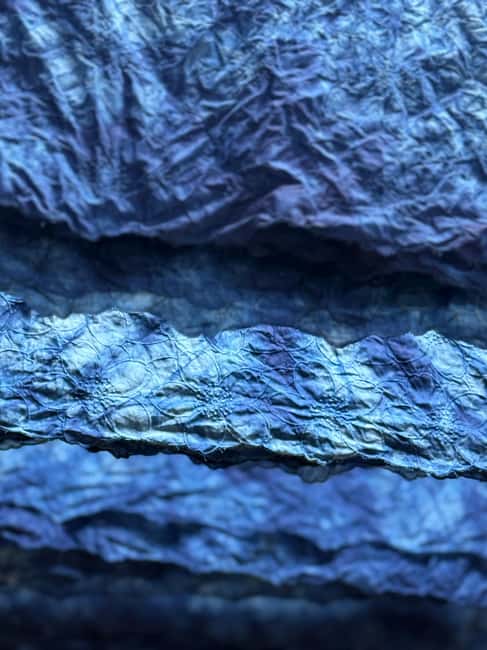
- Sukumo vats (fermented natural indigo) and real color-change chemistry
- Max 6 people, so you’re not rushed through the folding and dipping
- Indigo leaf tea plus cultural stories tied to everyday life in Kyoto
- Take home your dyed textile, with optional upgrades on-site
Entering the 300-Year-Old Indigo Studio in Western Kyoto
The first surprise is the place itself. You’re not walking into a classroom with tubs and props. You’re entering a genuine indigo dyeing workspace tucked into Kyoto’s quieter western side, where the tools and vats look like they belong there every day. It’s the kind of setting that makes you slow down without anyone telling you to.
This matters because indigo isn’t a quick dye. The results come from time, patience, and a process that’s been refined over generations. When you see the studio’s scale and setup up close—especially the vats used for larger fabrics—you understand why people treat indigo like craft and culture, not just color.
It also helps that this workshop has a special angle for international visitors. It’s been offered exclusively to international guests for the first time through a trusted local connection, which seems to keep the focus on the craft and the makers, not on turning the experience into a souvenir factory.
You can also read our reviews of more private tours in Kyoto

Sukumo Indigo Vats: Where the Magic Starts
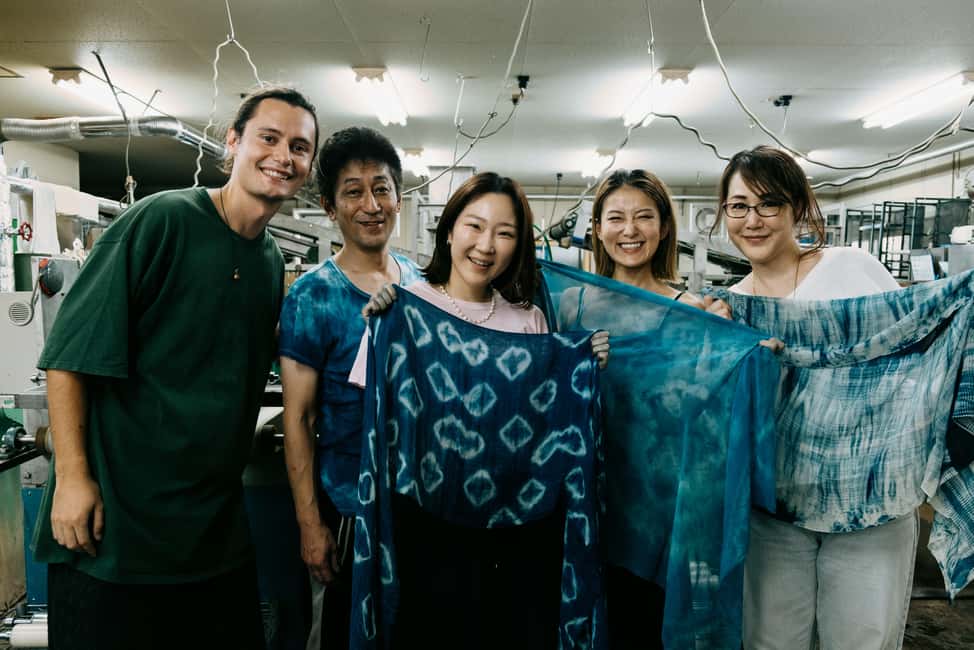
Natural indigo dyeing has a learning curve, and this one doesn’t hide it. Before you start your own work, you get a welcome and studio tour (about 15 minutes) that explains the history of indigo in Japan and its symbolic role in daily life. You also get to see the working tools, the vats, and the atmosphere of the dye studio.
Here’s the practical bit you’ll care about: you’re not dipping into “blue powder.” You’re dipping into a working fermented indigo vat made with sukumo—fermented natural indigo. That’s what makes the process real and what drives the color shift you’ll witness.
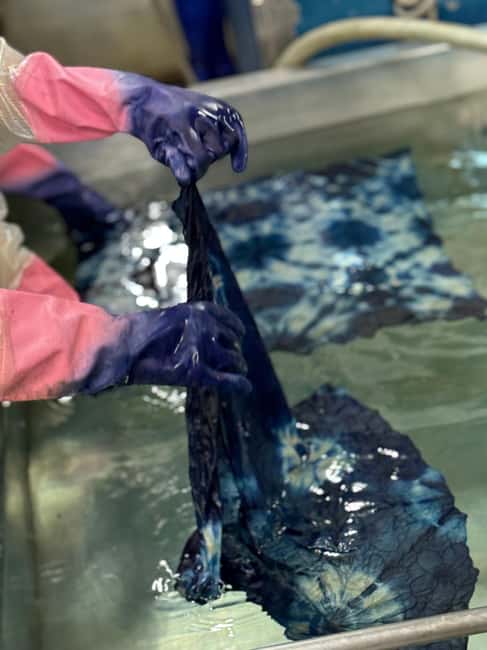
During the workshop, you watch the cloth move from green to deep blue as the dye oxidizes. If you’ve ever used modern dyes, this feels different in your hands. Indigo doesn’t simply transfer and stop. It changes as oxygen, time, and technique do their part. That’s why it’s worth doing in person rather than trying to copy at home.
The Hands-On Part: Folding, Binding, and Dipping Your Textile
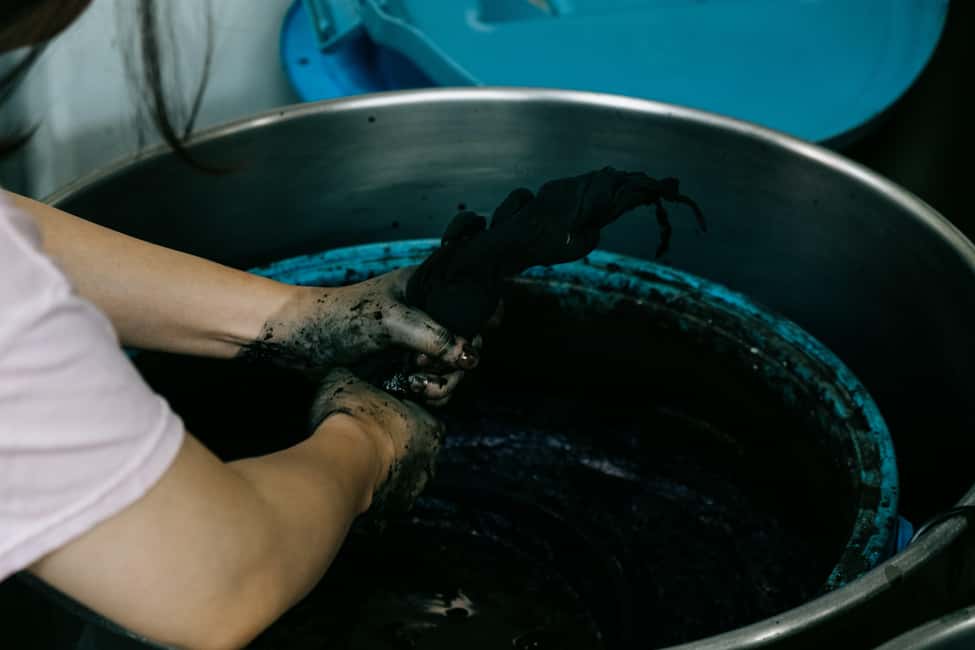
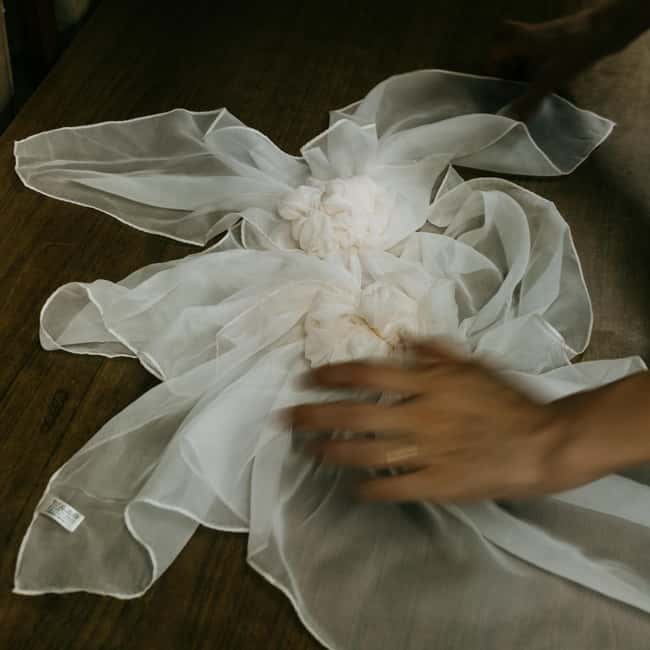
The main dyeing session runs about 60 minutes, and it’s very step-by-step. You choose your textile for dyeing, then learn the traditional folding and binding methods used to control the final pattern.
You’ll get guidance on:
- how to fold the fabric for the design effect
- how to bind so the dye reaches where it should
- how to dip properly into the indigo vat
This is also where group size really pays off. With a max of 6, you aren’t waiting in a long line while the artisans work with other people. You can ask questions as you go, and you get corrections before mistakes lock in.
One detail that helps your nerves: the studio supports you with protection so your clothes aren’t at risk. In practice, that can include things like aprons, and some participants mention gloves and shoe covers. Either way, the goal is clear—indigo stains, so you plan around that.
A small caution for your expectations: your dyed result will reflect the technique you’re taught that day. Indigo isn’t a “perfect every time” chemistry lesson. That’s part of the charm. You’ll likely feel proud of the final piece because you earned it through your own process.
Indigo Leaf Tea and the Kyoto Stories That Give It Meaning
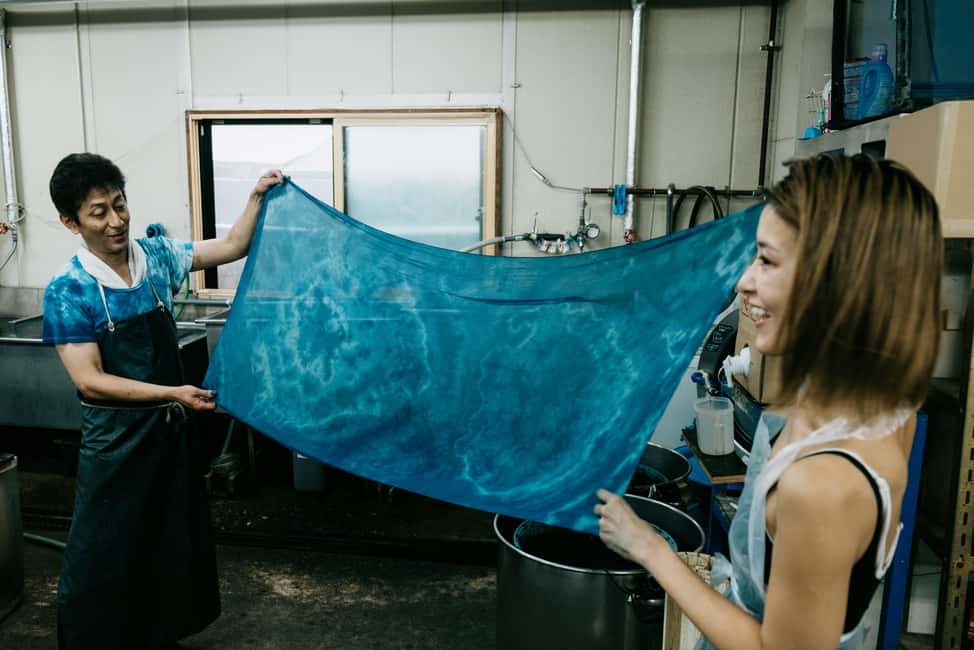
After you’ve dyed and finished your textile, you slow down. You get time for tea and a closing reflection (around 15–20 minutes). The tea is indigo leaf tea, served as part of the calm wrap-up.
What I like here is that it’s not just a snack break. The host shares cultural stories while you sit with what you made. It gives you a sense of why indigo dyeing is treated like a tradition with patience baked into it.
If you care about craft beyond the photo, this part lands. You’ll likely walk away understanding that indigo in Japan is tied to daily life, symbolism, and long craft lines—rather than being just a trendy technique.
You also get a moment for photos with your finished creation, so you can actually capture the pattern while it’s still fresh in your hands.
What You Dye and What You Can Upgrade On-Site
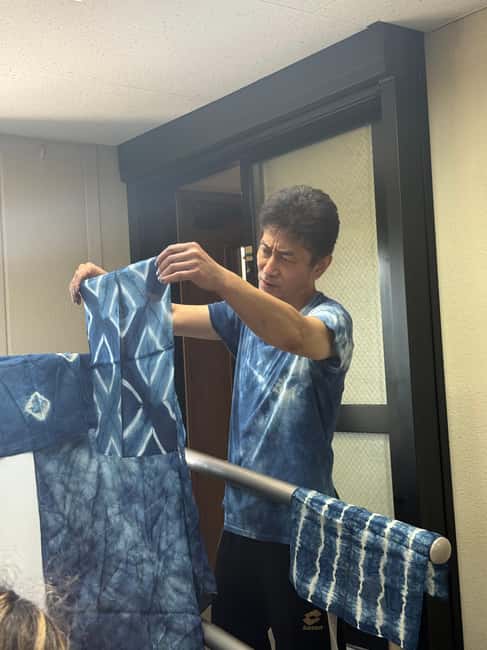
The workshop includes one dyeable item in the base fee. In this case, you’re typically selecting from options like a cotton furoshiki cloth (about 45–50 cm) and either a larger handkerchief style with cherry-blossom embroidery or a traditional tenugui. You’ll pick your preferred option on-site.
If you want something more wearable, you can upgrade during the workshop day. Additional fees apply, and the upgrade options listed include:
- Cotton scarf (lightweight, soft, wearable year-round)
- Silk scarf (luxurious texture and deep tones)
- Wool stole (made with high-quality wool)
This upgrade choice is one of the best value moments to consider. In a regular workshop, you pay for the class and take home a small sample. Here, the base includes a take-home textile, and upgrades let you decide whether you want a small keepsake or something you’ll actually use.
If you buy or upgrade, set aside cash. There’s also time to peruse dyed items from the shop and check out a gallery display, which some people found fun for turning the lesson into a shopping mission.
Price and Value: Is $95 Fair for Two Hours?
At $95 per person for about 2 hours, the cost makes sense for a few reasons that matter in Kyoto.
First, you’re paying for access to a working studio and for hands-on instruction from artisans, not just for a one-time demo. The vats used are natural fermented indigo (sukumo), which is more labor-intensive than many modern dye setups.
Second, the small group size (max 6) is part of the value. You get real attention while you learn folding and binding steps, and that directly affects your finished piece.
Third, you take something home. The included cotton furoshiki or handkerchief/tenugui isn’t a tiny swatch. It’s a functional textile, and if you upgrade, you can turn your experience into an item you might wear regularly.
The only place where the price might feel “limited” is if you want a larger garment or a full outfit. This workshop includes only a single small textile item for dyeing. If you’re dreaming of dyeing a big piece of clothing, you’ll need other arrangements.
Timing, Group Size, and What Your Day in Kyoto Looks Like
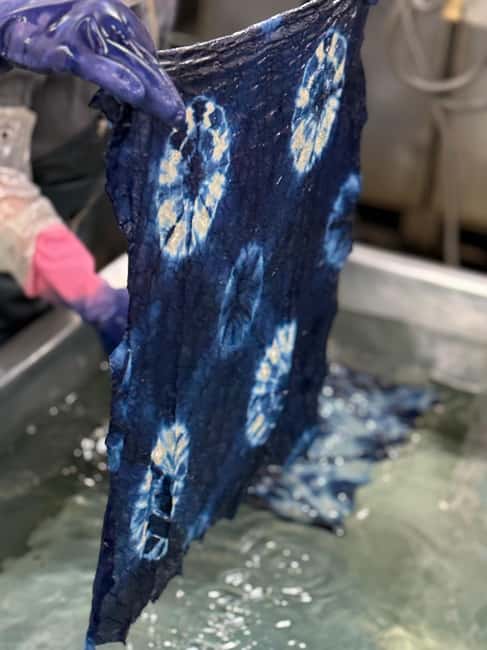
The workshop is scheduled at a time that fits a half-day plan, with total duration listed around 1.5–2 hours. You’ll start with welcome and studio tour (about 15 minutes), move into dyeing (about 60 minutes), then finish with tea and reflection (about 15–20 minutes).
Group size is kept small: max 6 participants, with English and Japanese support. That’s ideal if you want to actually participate and not just watch while someone else handles the vat.
Location-wise, it’s about 30 minutes from Kyoto Station by train and a walk. The exact address is shared after booking, and that’s typical for places that want to keep the studio from becoming a public thoroughfare.
If you’re planning the day, build in buffer time. You’re going to want a calm walk to the studio and the ability to arrive dressed appropriately.
Practical Tips: What to Wear and What to Bring
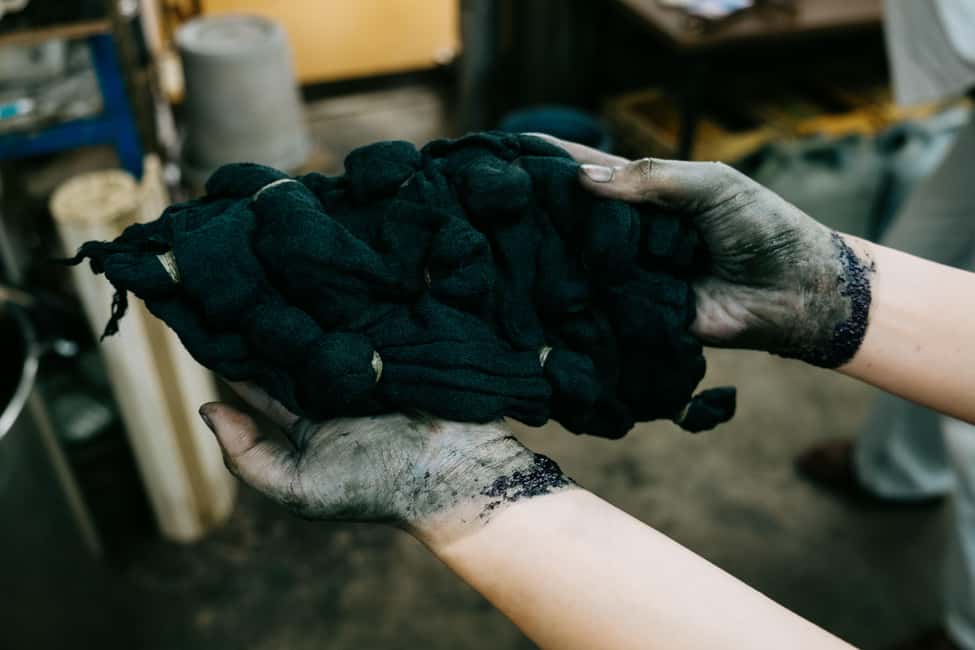
This is a hands-on dye workshop. Indigo stains, and you’ll work near vats.
Bring:
- comfortable shoes
- comfortable clothes you don’t mind getting marked
- clothes that can get dirty
Wear:
- casual clothing that you’re comfortable sacrificing a little
On-site, there is a restroom available. The studio itself uses traditional wooden floorboards, so you’ll want stable footwear. Also note: wheelchair access isn’t available, so plan accordingly.
One more practical tip: take the photos when you’re done, not before. The finished contrast—especially the deeper blue—shows best once everything is complete and you can actually see your pattern.
Who This Workshop Is Best For
I’d put this workshop in the “worth it even if you’re not a dye person” category.
It’s especially good if:
- you like hands-on craft and want to learn technique, not just watch
- you want a Kyoto experience tied to real makers and real processes
- you’re traveling with kids 8+ (minimum age listed as 8+) and want something they can actively do
- you’re interested in natural fibers and how dye behaves without chemicals
It might not be the best fit if:
- you need wheelchair accessibility
- you want a large garment dyed in one session
- you’re expecting a change room or a fully clean, clothing-protected environment
Should You Book This Natural Indigo Workshop?
If you care about authenticity, this is an easy yes. You’re stepping into a real indigo working studio, learning with natural fermented indigo (sukumo), and dyeing your own textile with small-group help. The included item and indigo leaf tea make the experience feel complete, not half-done.
Book it if you want a practical craft lesson in Kyoto, and you’re comfortable dressing for the possibility of stains. Pass if you need full accessibility accommodations or you’re only interested in something large-scale like garments.
If you do book, plan to enjoy the process: folding, binding, dipping, and waiting for that color shift. That’s the part you’ll remember—and it’s also where your final piece gains personality.
FAQ
How long is the natural indigo dyeing workshop?
The experience runs about 2 hours (listed duration is 1.5–2 hours).
How much does it cost?
The price is $95 per person.
What’s included in the $95 fee?
You get tools and materials for the workshop, one dyeable item (a cotton furoshiki cloth about 45–50 cm), use of natural fermented indigo vats (sukumo), hands-on guidance from local artisans, indigo leaf tea, a bilingual cultural host (English and Japanese support), a folding demonstration of furoshiki wrapping, a small souvenir gift, aprons for the dyeing process, and time for photos with your finished creation.
What item can I dye?
Your basic workshop includes one textile item, such as a cotton furoshiki cloth, with options mentioned as a larger handkerchief with cherry-blossom embroidery or a traditional tenugui.
Can I upgrade to dye something else?
Yes. Upgrades are available on the day for an additional fee, including a cotton scarf, silk scarf, or wool stole.
What languages do they use?
The host provides support in English and Japanese.
How large is the group?
The group is kept small, with a maximum of 6 participants.
Is it easy to reach from Kyoto Station?
It’s about 30 minutes by train and walk from Kyoto Station, though the exact address is provided after booking.
Is shipping available for my dyed item?
Shipping is available only upon request and for an extra cost.
Is the studio wheelchair accessible, and is there a restroom?
Wheelchair access is not available. A restroom is available on-site.