REVIEW · KYOTO
Sacred Pathways: Discover the Philosopher’s Path of Kyoto
Book on GetYourGuide →Operated by Kyoto Fun · Bookable on GetYourGuide
Kyoto’s most calming walk comes with context. The Philosopher’s Path follows a tree-lined canal under the Eastern mountains, with a gentle stream sound and the kind of quiet nature you actually notice. I love how the route mixes scenery with story, especially when you pause to take in Ginkakuji’s garden details like raked gravel and carefully placed stones. The only real drawback is practical: it’s about 5 km of walking, so it’s not a fit for kids under 10 or very limited mobility.
What makes this tour feel different is the pacing and the people leading it. Guides who live in Kyoto long term (I’m seeing names like Kevin and Craig in the guide reports) keep the day relaxed, answer questions in English or French, and move without turning the walk into a production. Just know the tour doesn’t include food or drinks, so you’ll want to plan a café stop on your own along the path.
In This Review
- Key moments that make Sacred Pathways worth it
- First steps on Kyoto’s Philosopher’s Path: scenery plus meaning
- Why small-group walking (under eight) changes the whole day
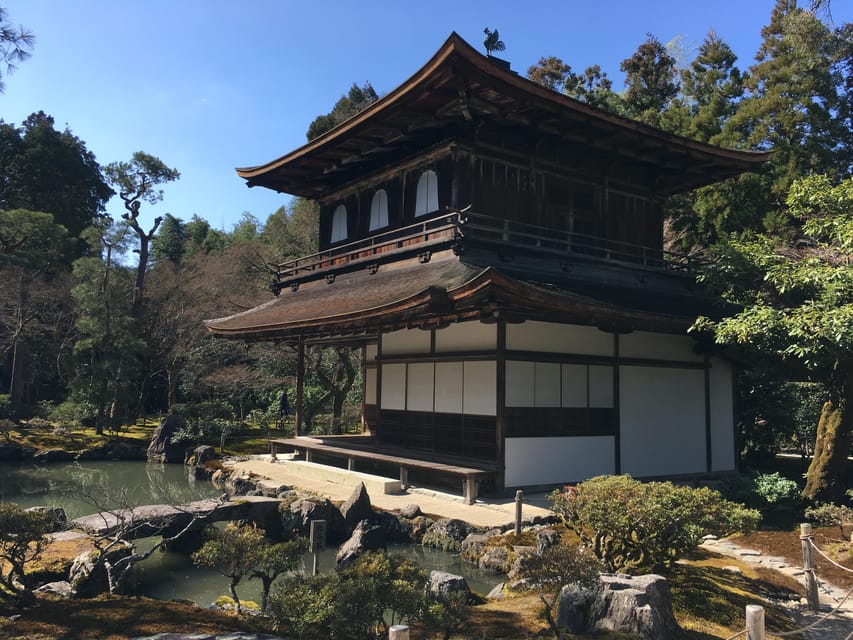
- Ginkakuji Temple: the Silver Pavilion garden and what to look for
- Nanzenji Temple and the aqueduct: architecture you can’t fake
- The route experience: quiet nature, tea pauses, and small shops
- Price and value: why $64 can work (if you hate surprise costs)
- What’s included, what’s not, and how to plan your day
- Pace, photos, and the “chill pace” advantage
- Who should book Sacred Pathways in Kyoto (and who should skip it)
- Notes you’ll want before you go
- Should you book this Kyoto Philosopher’s Path tour?
- FAQ
- How long is the Sacred Pathways: Philosopher’s Path of Kyoto tour?
- What entrance fees are included in the price?
- Do I need cash for this tour?
- Are food or drinks included?
- How much walking is involved?
- Is this tour suitable for children?
- What languages are the guides available in?
Key moments that make Sacred Pathways worth it
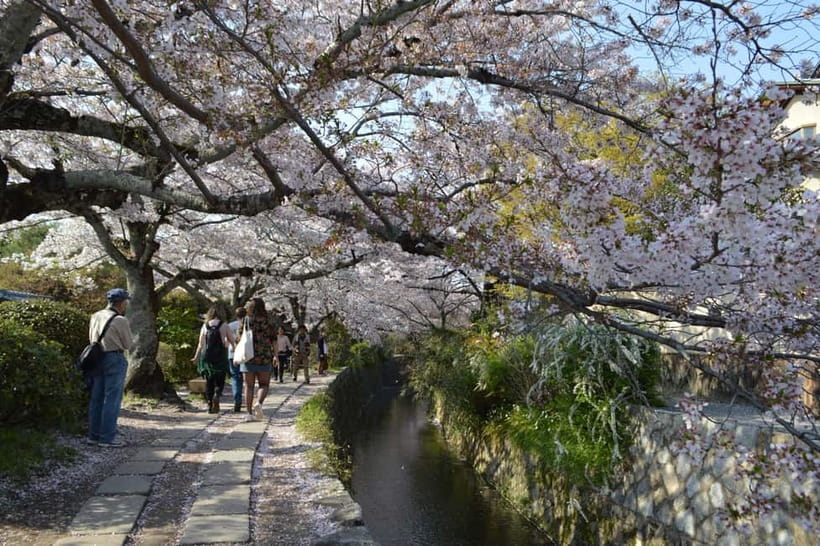
- A chill Philosopher’s Path pace along the canal, with time to slow down for photos
- Ginkakuji Temple’s garden—the kind of Zen design you appreciate more with explanations
- Nanzenji’s standout architecture and aqueduct, seen at a human walking pace
- Small groups (max eight) with no flags, mics, or bus energy
- All entrance fees included so you’re not hunting for cash mid-day
- Bilingual guide plus a digital city guide to help you understand what you’re seeing
First steps on Kyoto’s Philosopher’s Path: scenery plus meaning
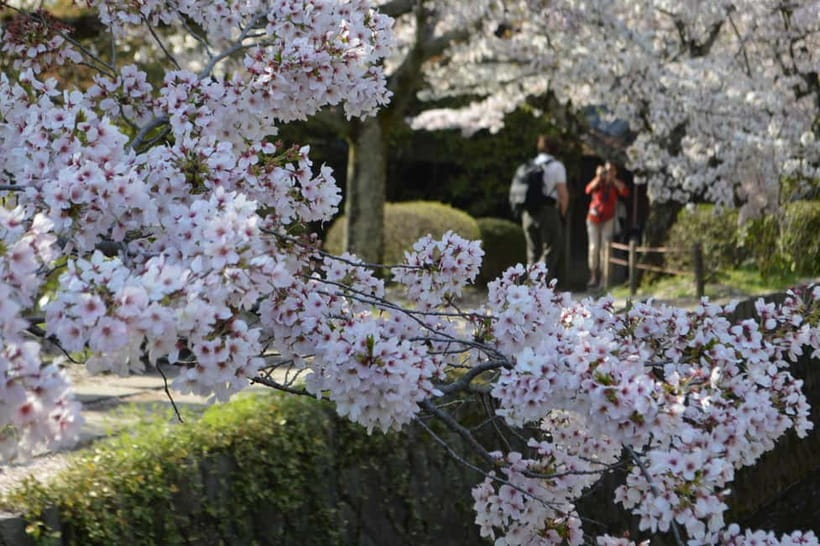
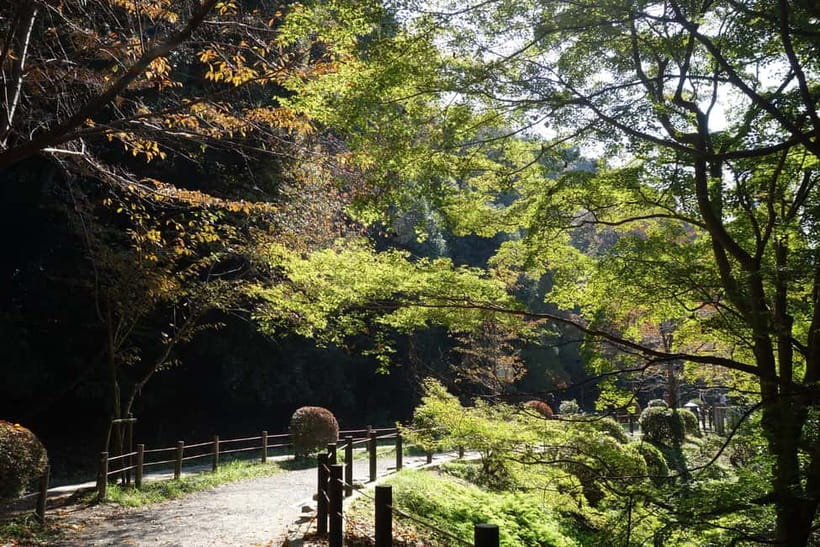
The Philosopher’s Path is one of those Kyoto walks people always describe as peaceful. The difference here is that you don’t just move from one photo spot to another. You walk along the canal and you listen—literally. The sound of the stream runs alongside the path, and the leaves rustle above it in a way that makes the whole stroll feel intentional, like the city is giving you permission to slow down.
One of the best parts is how the path hugs the foothills of Kyoto’s Eastern mountains. You get that “Kyoto in layers” feeling: water below, greenery around you, and hills looming in the background. Then, at key places, your guide ties it to Zen thinking and Japanese culture—why certain garden layouts feel calming, and why temples use space so carefully.
The other big win is the pace. This is a four-hour tour, but it doesn’t feel rushed. You’re not being herded; you’re strolling from stop to stop. That matters because so much of what makes this area special is subtle—moss on stones, the way gravel patterns guide your eye, and the quiet rhythm of a temple garden that’s meant to slow your mind down.
You can also read our reviews of more tours and experiences in Kyoto.



Why small-group walking (under eight) changes the whole day
Kyoto is popular, and the Philosopher’s Path can get crowded in peak seasons. This tour is built around staying flexible and keeping the group small—never more than eight people, with no flags, no mics, and no bus-style movement.
In practice, that means you’re less likely to feel like you’re stuck behind a wave of tour groups. It also means the guide can actually talk with you instead of shouting over a crowd. If you have questions—about Zen, temple design, Japanese art, daily life in Kyoto—there’s space for it.
I also like that the tour’s logistics don’t drain your energy. You’re moving efficiently, and the group keeps bathroom breaks short rather than turning the schedule into a chain of stops. You still get time to enjoy what’s in front of you, but you’re not losing the day to waiting around.
Ginkakuji Temple: the Silver Pavilion garden and what to look for
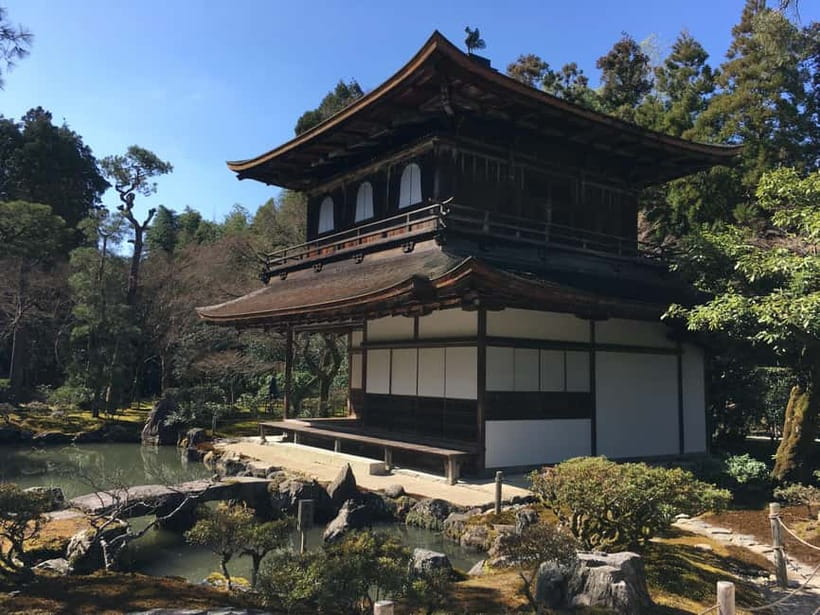
Ginkakuji is often called the Silver Pavilion, and it’s famous for its garden. But a garden is just stones and plants until you know what you’re looking at. That’s where this tour pays off.
Your time here focuses on the kind of Zen garden craftsmanship that shows up in the details:
- raked gravel that creates a visual rhythm
- moss that softens edges and makes surfaces feel alive
- stones placed with purpose, so your eye keeps returning to the same calm “anchor” points
You don’t need to be an art student to enjoy it. You just need a way to read the space. With a good guide, you’ll start noticing how the garden design encourages quiet attention—like it’s teaching you a slower way to look. One reason this stop gets such strong praise is that it’s beautiful even when you’re taking it in at walking speed, but it becomes even better when someone explains why the design works.
A neat bonus: the atmosphere changes when weather shifts. One guide experience noted how rain made the garden feel even better, changing the mood and making the whole place feel different without changing what’s there. If you show up with an open mind, even less-than-perfect weather can make the garden feel more intimate.
Practical tip: bring layers. Temple gardens can feel cooler, and that morning-to-midday shift can be noticeable along the path.
Nanzenji Temple and the aqueduct: architecture you can’t fake
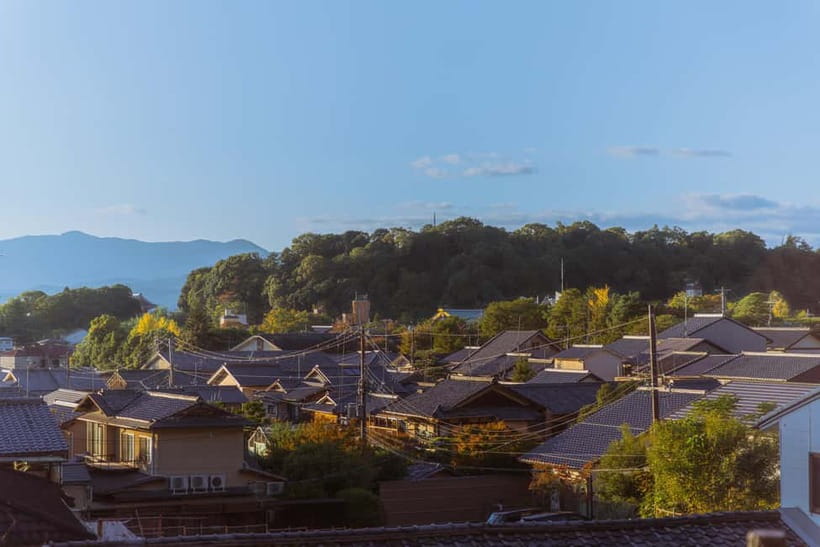
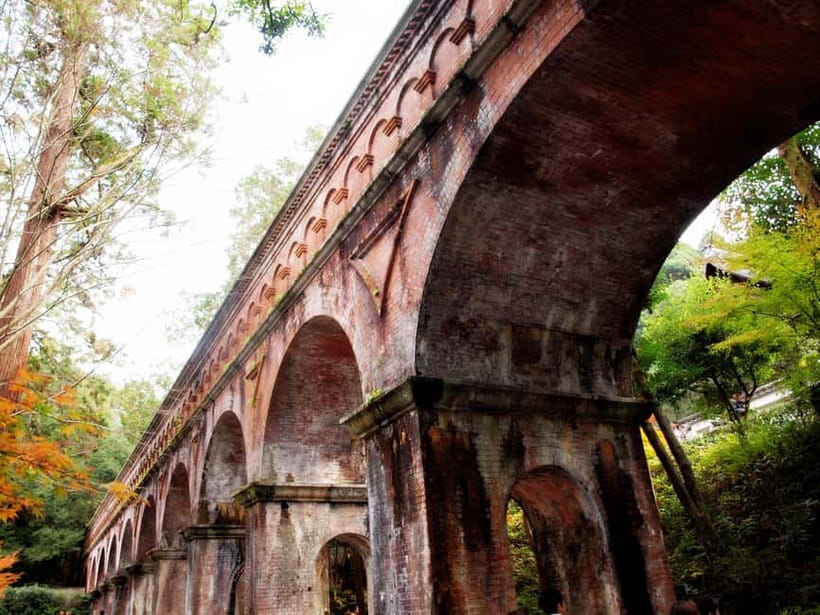
After Ginkakuji’s garden calm, Nanzenji brings you back into a bigger, more monumental sense of place. This is described as the most prominent Zen temple in Kyoto, and the architecture makes that claim feel obvious the moment you see the scale.
What stands out here is the aqueduct. It’s one of those features that sounds like a random extra—until you experience it in the temple setting. The structure gives the area a strong sense of engineering and history: water management meets sacred space. It also creates a dramatic visual layer as you walk through the temple grounds.
This stop matters because Zen culture isn’t only about gardens and gravel patterns. It also shows up in the way people shaped buildings, adapted land, and built infrastructure around a spiritual center. With the right explanation, Nanzenji helps you understand how Zen ideas influenced broader arts and culture in Japan.
And because this tour keeps a chill pace, you’re not sprinting through impressive architecture. You can actually pause, look up, and let the space register.
The route experience: quiet nature, tea pauses, and small shops
The Philosopher’s Path isn’t only about temples. It’s also about everyday Kyoto—cafés, small shops, and the in-between moments that turn sightseeing into a real walk through the city’s character.
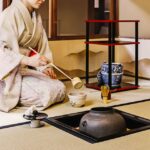
Along the route, you’ll find places to sit down and sip tea. You might also spot small handcrafted items and local goods worth browsing when you need a break. The tour pace leaves room for these stops, which I think is important. When you’re moving slowly, the day feels like a journey instead of a checklist.
This is also where the “sacred pathways” theme makes sense. Your guide isn’t just naming places. They’re connecting what you see to the cultural logic behind it, so a café isn’t just a pit stop—it’s part of how Kyoto life sits beside temple calm.

Price and value: why $64 can work (if you hate surprise costs)
The price is listed at $64 per person for 4 hours. For a tour that includes entrance fees, a live bilingual guide, and a digital city guide, the math tends to be straightforward.
Here’s the value I’d focus on:
- Entrance fees are included, so you avoid the mid-walk scramble for cash.
- You’re paying for context—stories about Zen and how it shaped art and culture—so the sights land harder.
- The small-group setup (max eight) is part of the “product,” not an afterthought.
If you’re the type who doesn’t want to pay separate ticket prices while also trying to follow directions in Japanese, this kind of guided structure can be worth it. And if you’re traveling with a group, small-group tours often feel less stressful than self-guided temple hopping because the route is already solved for you.
The only cost you should expect outside the listed price is food and drinks. Since those aren’t included, you’ll likely spend a bit at cafés along the path or wherever you prefer to eat.
What’s included, what’s not, and how to plan your day
Included in this experience:
- all entrance fees
- a bilingual guide (English and French)
- a digital city guide
Not included:
- food
- drinks
That means you should plan for at least one café stop on your own. If you’re trying to keep the day comfortable, I’d also budget for water (even if the area feels cool, walking builds thirst).
The walking distance is about 5 km (3 miles). That’s not a marathon, but it is steady. If you’re okay with a moderate walking day, you’ll likely enjoy the pace. If you tend to tire quickly, it could feel like more than you want for a single morning or afternoon—because it’s designed as a real stroll, not a shuttle-and-stop tour.
Pace, photos, and the “chill pace” advantage
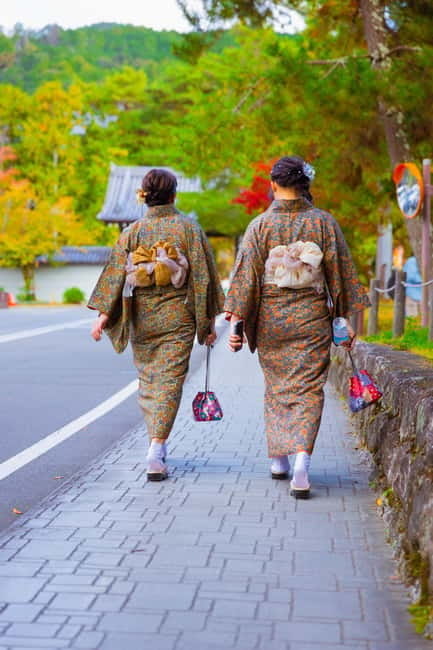
One of the most repeated reasons people like this tour is the relaxed timing. You’re not constantly rushing from one gate to another. Instead, you get enough time to absorb the gardens and stop for photos without feeling like the guide is tapping their watch.
This is especially useful at places like Ginkakuji, where the most impressive images come from noticing small composition details. If you only get a rushed look, you tend to photograph what’s obvious. With a slower pace, you can capture the mood—moss, gravel patterns, reflections, stone placement, the way light lands in the garden.
Also, having time to sit in a café along the way is a real mental reset. Kyoto temples reward patience. A tour that respects that instinct helps you enjoy the day instead of “getting through it.”
Who should book Sacred Pathways in Kyoto (and who should skip it)
This tour fits best if you want:
- a calmer way to see the Philosopher’s Path area
- Zen temple context explained in an easy, fun way
- a guide who can answer questions and tailor the walking pace
- smaller crowds and a less chaotic meeting-of-tours vibe
It may not fit if:
- you’re traveling with kids under 10 (private tours are suggested for younger children)
- you’re over 95 years old
- you don’t want to walk around 5 km in total
- you’re hoping for food to be provided (you’ll need to plan cafés)
If you’re the kind of traveler who likes to understand what you’re seeing—not only where you’re going—this is a strong match.
Notes you’ll want before you go
- The tour is about 4 hours, and starting times depend on availability.
- A live guide leads the experience in English or French.
- Meeting point can vary depending on the option you choose.
- Drones aren’t allowed.
If you’re deciding between a morning and midday slot, I’d pick the time when you’re most comfortable walking. Garden and path conditions can shift quickly with weather and light, and the tour is meant to be enjoyed at a relaxed walking pace.
Should you book this Kyoto Philosopher’s Path tour?
I’d book Sacred Pathways if you want the best of two things: the scenery of the Philosopher’s Path plus an explanation of Zen that helps you actually see the gardens and temples. The combination of a small group size, a guide who’s comfortable answering questions, and entrance fees handled for you makes the day easier to enjoy.
I’d skip it if walking 5 km is tough for you or if you need a food-included tour. Also, if you’re someone who hates any structure at all, this may feel like you’re being led on a planned route. But if you’re aiming for a stress-free, story-led Kyoto walk, this one is built for that.
FAQ
How long is the Sacred Pathways: Philosopher’s Path of Kyoto tour?
The tour lasts about 4 hours.
What entrance fees are included in the price?
All entrance fees are included, so you won’t need to pay temple entry charges during the tour.
Do I need cash for this tour?
No. The tour includes entrance fees, so you don’t need to bring cash just for admissions.
Are food or drinks included?
No. Food and drinks are not included, though there are cafés and shops along the route where you can take a break.
How much walking is involved?
The tour includes about 5 km (3 miles) of walking, so you’ll want at least a moderate level of fitness.
Is this tour suitable for children?
It’s not suitable for children under 10. If you want to travel with kids under 10, you’re asked to enquire about a private tour.
What languages are the guides available in?
Live guides are available in English and French.