REVIEW · KYOTO
Kyoto Kiyomizu Tea Ceremony with Scenic Garden Views
Book on Viator →Operated by 茶道体験 阪口庵 · Bookable on Viator
A tea ceremony with garden calm beats a café stop. This Kyoto Kiyomizu experience pairs a tea master’s guided ritual with scenic teahouse views you can actually watch in real time.
I love the careful pacing and the way you get hands-on guidance, not just a performance. I also love the small-group setup, which keeps it peaceful and makes questions easy.
One consideration: it’s not recommended if you have foot or knee issues, since the session is designed for comfortable sitting and movement in the traditional setting.
In This Review
- Key things I’d circle before you go
- Why This Kiyomizu Tea Ceremony Feels Like a Reset
- Meeting at SAKAGUCHIAN: How to Arrive Without Stress
- Inside the Teahouse: Garden Views and a Traditional Pace
- The Tea Master’s Matcha Ritual: What You Watch Closely
- Learning to Make It: The Second Cup Is the Point
- Wagashi and Taste Pairing: What to Expect on the Sweet Side
- Price and Value: Is $50.87 Worth It?
- Who This Tea Ceremony Fits Best (and Who Should Skip It)
- Practical Tips So You Actually Enjoy the Ceremony
- Weather, Timing, and the One Change You Might See
- Should You Book Kyoto Kiyomizu Tea Ceremony With Garden Views?
- FAQ
- How long is the Kyoto Kiyomizu Tea Ceremony?
- What’s included in the ticket price?
- Is a kimono rental included?
- Can I record video during the ceremony?
- How big is the group?
- Is the ceremony suitable for people with foot or knee problems?
- What happens if the weather is bad?
Key things I’d circle before you go
- SAKAGUCHIAN (茶道体験 阪口庵) is the real starting point, right in Kiyomizu, so you can pair it with nearby Higashiyama sightseeing.
- A maximum of 12 travelers keeps the experience intimate and calm.
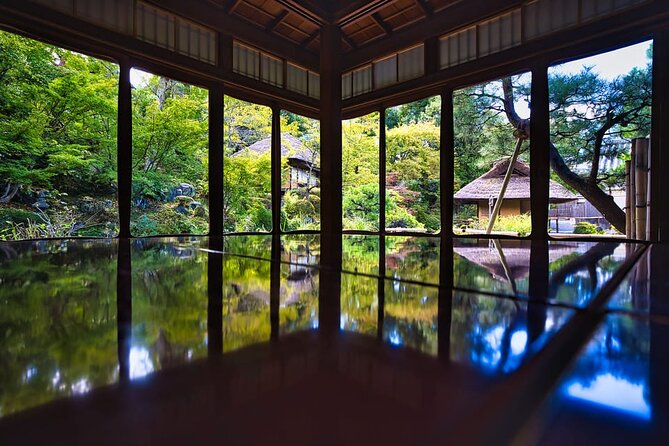
- Garden-view teahouse windows make the whole ceremony feel quieter than you expect.
- You get two cups of matcha—the second one after learning how to make it properly.
- Wagashi + matcha pairing adds a sweet counterpoint to the bitterness and grassiness of matcha.
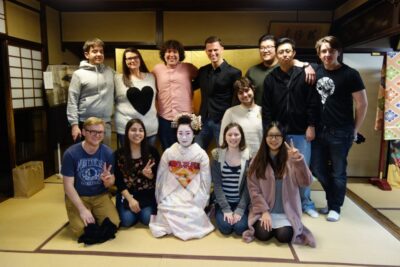
- Photo included, video not means you can enjoy the moment without worrying about recording gear.
Why This Kiyomizu Tea Ceremony Feels Like a Reset
Kyoto can be loud. Even when you’re walking through old neighborhoods and temples, your brain is still doing math: crowds, lines, timing, tickets. A tea ceremony is the opposite. It slows your hands, your breathing, and yes, your whole sense of time.
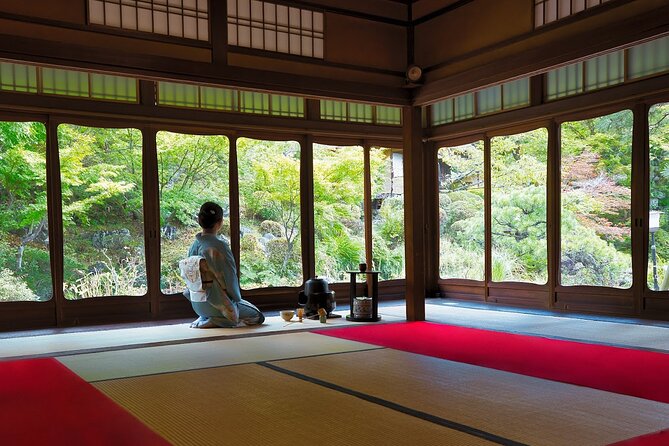
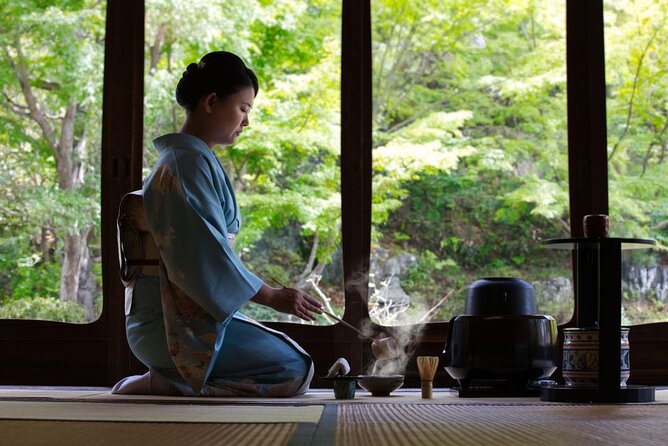
At Tea Ceremony SAKAGUCHIAN (茶道体験 阪口庵) in Kiyomizu, you sit in a traditional setting with views out to a famous Japanese garden. You don’t just taste matcha—you watch it being made from scratch. Then you learn the proper techniques yourself, including how to handle the tea bowl and create that frothy matcha texture.
Two things make this experience especially satisfying. First, the tea master’s movements are described as measured and precise, which turns each step into something you can actually observe. Second, the hosts guide you with enough context—history, symbolism, and practical process—that the ceremony makes sense, not like a random ritual you’re supposed to clap for.
The only real drawback is physical. The experience says it’s not recommended for people with foot and knee trouble. If you’re unsure, it’s worth thinking about your ability to sit comfortably and move carefully during the session.
You can also read our reviews of more tours and experiences in Kyoto.



Meeting at SAKAGUCHIAN: How to Arrive Without Stress
This activity starts and ends at the same place: Tea ceremony SAKAGUCHIAN(茶道体験 阪口庵), 3-chōme-334 Kiyomizu, Higashiyama Ward, Kyoto, 605-0043, Japan. The tour uses a mobile ticket, and you’ll get confirmation at booking time.
The address matters because Kiyomizu and Higashiyama can feel like a maze once you leave the main streets. I suggest building in a little buffer so you’re not rushing your last few minutes. Your tea session will feel better if you’re already calm when you sit down.
Also, a practical note from the experience style: traditional tea rooms often come with floor seating. One review specifically advised bringing or wearing socks. If you show up barefoot, you might be the kind of person who ends up thinking about socks the entire ceremony. Avoid that mental distraction.
Inside the Teahouse: Garden Views and a Traditional Pace
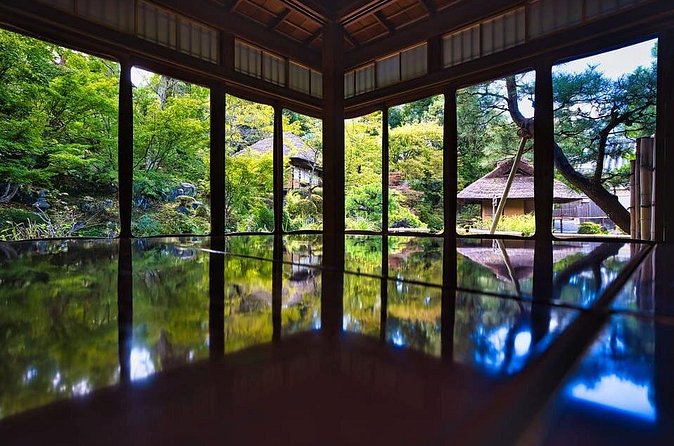
You step into a serene tea room where seasonal beauty shows through large windows. That garden-view setup is a big part of why this works. It’s not just culture in a room. It’s culture with a living backdrop, so your eyes get a break after hours of sightseeing.
The session structure is guided, not chaotic. You’ll be led through the ancient art of tea ceremony by a master in an intimate setting. That word “intimate” matters here: the group size is capped at 12 travelers, so you’re not elbow-to-elbow with strangers while someone tries to explain whisking technique.
You’ll also notice how the room feels. Reviews mention an outstanding facility and, in hotter weather, air conditioning. That combination can be rare in small cultural spaces—meaning you can stay comfortable enough to focus on what the host is showing you.
Timing is short by design. The duration is listed as about 45 minutes, and the ceremony often feels complete within that window because it’s structured around key steps: purification, whisking, serving, tasting, and then a guided do-it-yourself portion.
The Tea Master’s Matcha Ritual: What You Watch Closely
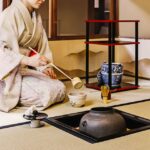
This is not a coffee-shop matcha experience. You see the process as a sequence of respectful, deliberate actions.
Here’s the flow you’ll experience in a way that’s easy to follow:
- Utensils are purified
Before anyone drinks, the ceremony starts with a cleansing step. The point isn’t spectacle—it’s mindset. You watch how the host handles items with care, which sets the tone for the rest of the session.
- Matcha is whisked to a frothy texture
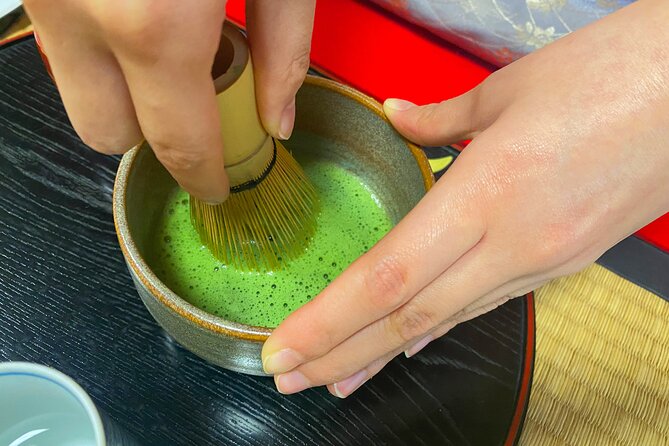
Then the tea master performs the whisking rituals—moving with measured control until the matcha becomes vibrant and frothy. If you’ve only had matcha as a bottled drink or a powdered latte, this step will feel like the difference between steam and a storm.
- Serving through formal gestures
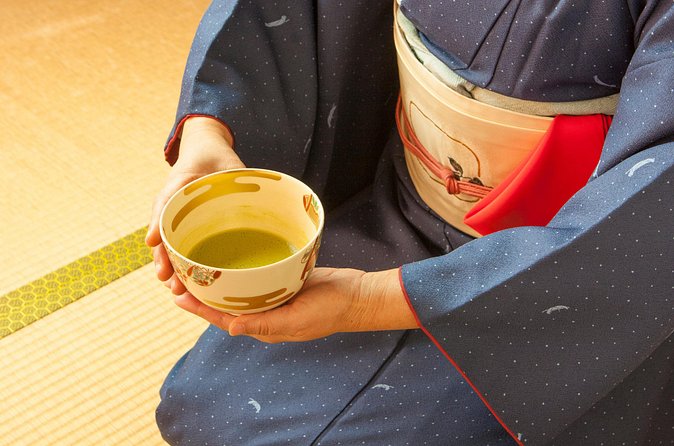
Even the serving moment follows ritual. You’ll see graceful, repeatable movements that show respect and intention.
A big reason this part lands well is that you’re not just watching once. The hosts explain what’s happening, and you get chances to ask questions. Reviews also mention that the assistant or translator provided helpful English, which makes the symbolism and practical steps easier to grasp.
If you want something authentic without being overwhelmed by rules, this is a good balance. You’ll learn enough to understand the ceremony’s logic, not just memorize hand movements.
Learning to Make It: The Second Cup Is the Point
The highlight isn’t only sipping. It’s the moment you learn to do it yourself.
The experience includes two cups of matcha. The first one starts the experience and helps you taste the tea in the proper form—smooth, earthy, and not overly sweet. The second cup comes after you’ve been shown the techniques.
What you’re taught includes practical basics like:
- how to handle the tea bowl
- how to whisk matcha to get the right texture
- how the ceremony’s steps connect to the overall experience
In other words, you get to turn the ceremony from something you observed into something you participated in.
This is also where the small group size pays off. With up to 12 people, you’re more likely to get individualized attention—especially if you ask questions about the process, ingredients, or meaning. Multiple reviews highlight hosts who were warm, professional, and ready to explain the details clearly.
And yes, it’s slower than fast-paced Kyoto activities. Reviews call it peaceful, relaxing, and even a slightly nerdy, history-plus-hands-on kind of activity. If your ideal day includes a pause button, you’ll like this.

Wagashi and Taste Pairing: What to Expect on the Sweet Side
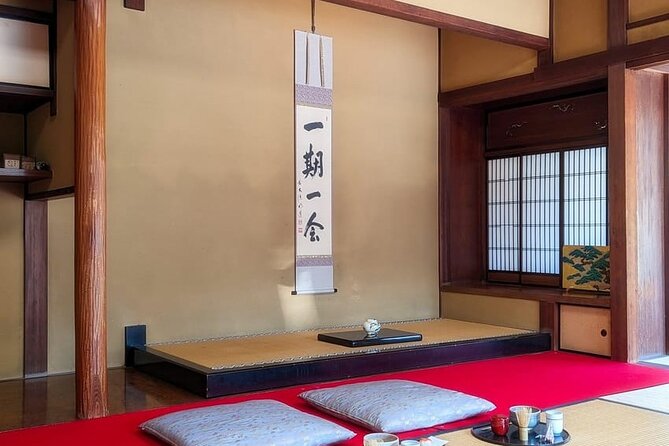
Your session includes traditional Japanese sweets (wagashi) served alongside the tea. The idea is pairing: the wagashi gives a gentle sweetness that balances matcha’s distinct flavor.
You don’t get wagashi as an afterthought. You’ll complete the journey with these delicate sweets perfectly paired with what you’re drinking, as part of the ceremony’s sequence. It makes the whole ritual feel complete, not like a class that ends at the whisk.
If you’re used to dessert that’s purely sugary, wagashi can feel more subtle and artful. Expect flavors and textures that are meant to complement the tea rather than overpower it.
Price and Value: Is $50.87 Worth It?
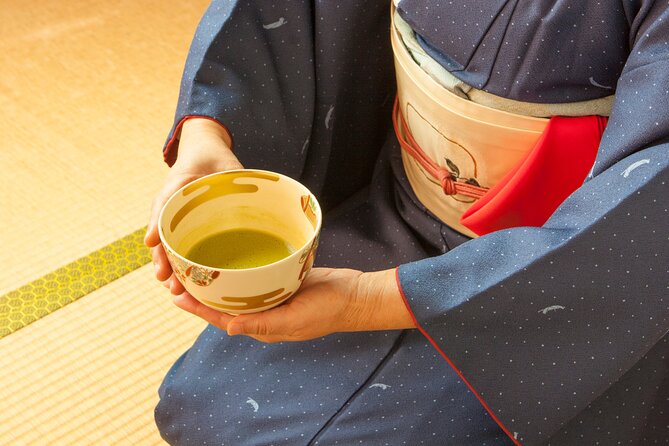
At $50.87 per person, this isn’t the cheapest activity in Kyoto. But it isn’t trying to be. You’re paying for three things that matter:
- A real tea master-led ceremony, with proper ritual pacing and hands-on instruction
- Two cups of matcha, not one quick taste
- Small-group attention (max 12) plus included wagashi and a photo
You’re also getting something many Kyoto experiences don’t offer: an atmosphere built for focus. That garden-view teahouse can feel like you stepped out of the city’s noise for a short time. For people who want culture without feeling like they’re trapped in a long museum lecture, this hits a sweet spot.
One reviewer did say the ceremony felt brief and a bit pricey for how much you can learn in a short window. I get that. Tea ceremony is a lifelong skill, and you won’t master it in 45 minutes. But you will walk away understanding the basic logic, the feel of whisking, and the taste differences that come from doing it properly.
So the value question becomes: do you want a quick photo-friendly moment or a guided, seated, hands-on cultural experience? This one is clearly aimed at the second.
Who This Tea Ceremony Fits Best (and Who Should Skip It)
This is best for you if:
- you want a calm break from temple and street-walking days
- you like learning through watching and then trying yourself
- you care about details like proper bowl handling and matcha texture
- you’re traveling with a small group or just prefer not being lost in a crowd
It’s also a solid option if you’re the kind of person who normally avoids overly touristy activities. The ceremony format feels respectful and intentional, not like a scripted show.
Skip or be cautious if:
- you have foot or knee issues, since it’s not recommended for those situations
- you need a lot of mobility or standing time (the session is designed around a seated experience)
- you want a long, deep, multi-hour program (this is intentionally short)
Practical Tips So You Actually Enjoy the Ceremony
These are small things, but they add up:
- Wear socks or bring them. You’ll be more comfortable and less distracted.
- Arrive a few minutes early so you’re not rushing.
- Keep your phone away during the ritual moment. You’ll get a photo included, and the point here is attention.
- If you don’t like sitting quietly, this might feel slow at first. Give it five minutes. Then the pace usually clicks.
Weather, Timing, and the One Change You Might See
This experience requires good weather. If it’s canceled due to poor weather, you’ll be offered a different date or a full refund.
Because the duration is about 45 minutes, you don’t lose half a day if something changes. Still, I’d plan it earlier rather than last-minute on your trip, so you have an option if rescheduling is needed.
Should You Book Kyoto Kiyomizu Tea Ceremony With Garden Views?
Yes—if you want a genuine, guided matcha experience in a quiet setting that makes Kyoto feel human again.
Book it if your must-do list includes matcha but you also want the cultural side: the ritual steps, the meaning behind actions, and the hands-on practice that leads to a second cup you made yourself. The combination of garden views, a small group (up to 12), and a tea master-led flow is a strong value for the price, even if the session is short.
Don’t book it if your body needs a more mobile format or if foot/knee issues make sitting difficult. In that case, you’ll be better choosing an activity that matches your comfort needs.
If you’re on the fence, I’d use this rule: if you can enjoy a slower, seated hour with careful instruction, this is your kind of Kyoto.
FAQ
How long is the Kyoto Kiyomizu Tea Ceremony?
The duration is listed as about 45 minutes (approx.).
What’s included in the ticket price?
You get 2 cups of matcha, wagashi (traditional Japanese sweets), and a photo.
Is a kimono rental included?
No. Kimono rental is not included.
Can I record video during the ceremony?
Video recording is not included.
How big is the group?
The experience has a maximum of 12 travelers.
Is the ceremony suitable for people with foot or knee problems?
It’s not recommended for people with foot and knee issues.
What happens if the weather is bad?
The experience requires good weather. If canceled due to poor weather, you’ll be offered a different date or a full refund.