Tea fields feel like another Kyoto. In about 5.5 hours, this private ride brings you into Wazuka and the surrounding countryside for photo-ready green tea fields and matcha tastings that are hard to piece together on your own. You also get a comfortable, door-to-door style plan with pickup, plus a guide who keeps the day moving without rushing the moments that matter.
I especially love the mix of big, iconic heritage and smaller, quieter tea spots: Byodoin’s Phoenix Hall gives you the famous Kyoto contrast, while the rural tea areas slow your pace and focus you on the craft. One consideration: key temple admissions (and any extra tea purchases) are not included, and you should expect short walks and stairs at temple stops.
In This Review
- Key Highlights Worth Booking
- Why Wazuka’s Tea Country Feels Like a Different Kyoto
- Byodoin Phoenix Hall: The 10-Yen Icon Stop
- Wazuka-cha Cafe Matcha: Tea Tasted, Not Just Bought
- Ishitera Tea Plantation: The Sky-High Green Fields Moment
- Ujitawara-cho: Where Green Tea and Matcha Were Invented
- Shoju-in and the Love-Heart Window in the Tea Room
- The Private Ride: Pickup, Van Comfort, and Mini Cooper Open-Air Fun
- Timing That Works: How 5.5 Hours Fits the Day
- Is the $250.38 Price a Good Deal for This Much Tea Time?
- Who Should Book This Tea Country Private Tour
- Should You Book Scenic Green Tea Fields of Hidden Kyoto?
- FAQ
- What is the duration of this tour?
- How much does it cost?
- Where does the tour take place?
- What times does the tour start?
- Is pickup offered?
- What vehicle will we use?
- Is the tour fully ticketed?
- Is the Wazuka-cha Cafe tasting included?
- Is this a private tour?
- Can I cancel and get a full refund?
Key Highlights Worth Booking
- Byodoin Phoenix Hall: A 10-yen coin icon stop with a long enough visit (about 2 hours) to take it in.
- Wazuka-cha tasting time: A dedicated hour to try high-quality green tea and matcha, plus matcha desserts.
- Tea fields you can walk into: Ishitera and Ujitawara-cho give you that classic Kyoto tea-country view, including a walk for a photo.
- Shoju-in’s love-heart window: A countryside temple stop with a special tea room detail and extra scenery time.
- A private, comfortable ride: Air-conditioned Nissan van for 2–6 people, or an open-air Mini Cooper convertible for solo travelers.
Why Wazuka’s Tea Country Feels Like a Different Kyoto
Kyoto can be intense. Even if you love shrines and streets, it’s easy for your day to become one crowded line after another. This is the antidote: you leave the main city rhythm and head into Wazuka, where the tea culture is the point.
What makes this route special is that the views stay strong in any season. The tea hills are described as evergreen waves that look striking year-round, so winter photos won’t feel like a compromise. And because it’s private, you can focus on the scenery and the tea stops without losing time to transfers or waiting around.
The other big win is the guide’s storytelling. In reviews, Daiki gets praised for his energy, patience with picture-taking, and the way he connects tea culture to everyday life and older legends tied to monks and ninjas. That matters, because it turns a “pretty tea field” stop into a day you actually understand.
You can also read our reviews of more private tours in Kyoto


Byodoin Phoenix Hall: The 10-Yen Icon Stop
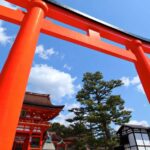
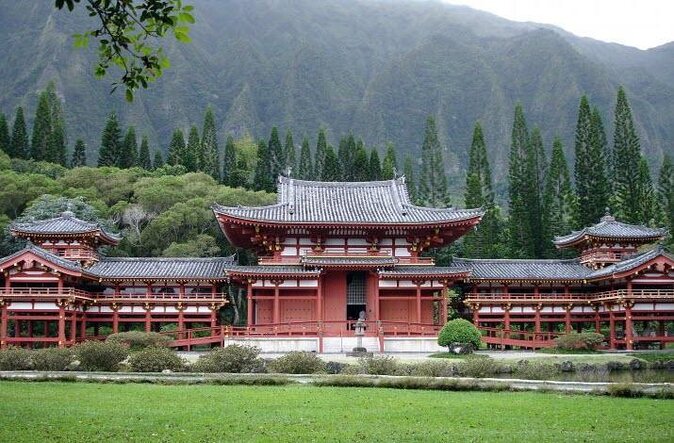
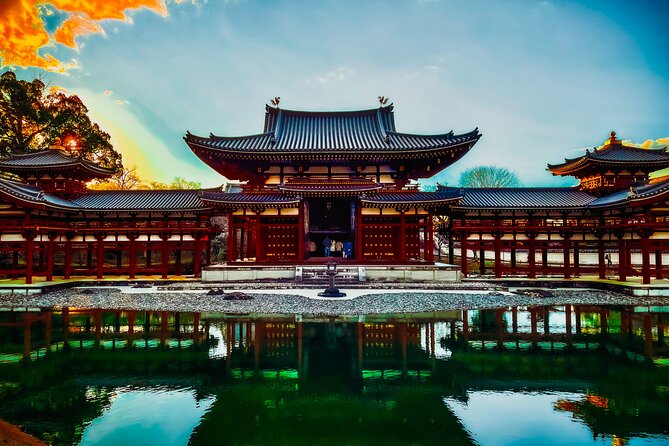
Your first big anchor is Byodo-in (Byodoin Temple), with the Phoenix Hall as the star. This is one of Japan’s most recognizable temple sights for a reason: it’s famously tied to the Pure Land idea of Buddhist paradise, and it’s even pictured on the Japanese 10-yen coin.
You’ll have about 2 hours here, which is enough time to slow down. Don’t treat this like a quick photo and leave. Spend time looking at how the building fits into the water and the surrounding grounds, then circle back for another angle when the light changes.
Practical note: admission isn’t included for Byodo-in (¥600 per person). Also, the day includes short walks and stairs, so comfortable footwear is worth it.
Wazuka-cha Cafe Matcha: Tea Tasted, Not Just Bought
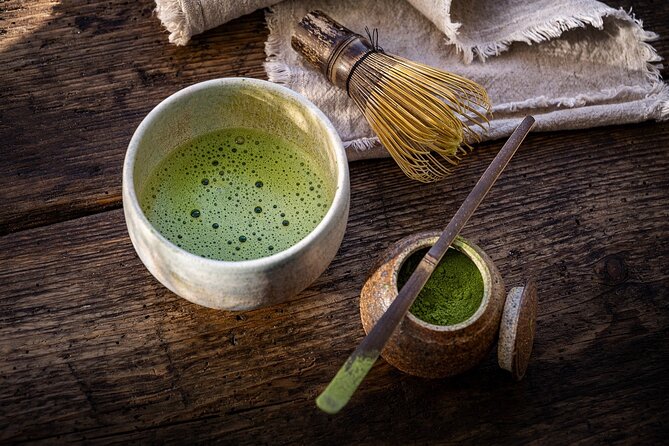
After the first temple stop, the day shifts into something more sensory. At the Wazuka-cha Cafe you get about an hour focused on tasting green tea and matcha. This isn’t presented as a generic shop stop. The pitch is that Wazuka tea quality is even purer and more authentic than the more famous Uji tea tradition, with matcha desserts you can try alongside your drinks.
This is also where the day’s value shows up. You’re not only seeing tea farms. You’re learning how the product tastes when it comes from the region that produces it. If you’re a matcha person, this hour is likely the moment you’ll remember most clearly.
Shopping is part of this stop too, and the highlight notes you can find premium tea at about half to a third of city prices. That’s a rare advantage in Japan, where “good buys” often depend on timing and location. Still, keep in mind the tour description also notes that coffee and/or tea fees for your own order aren’t included, so you may want to decide what you actually want to pay for on-site.
Ishitera Tea Plantation: The Sky-High Green Fields Moment
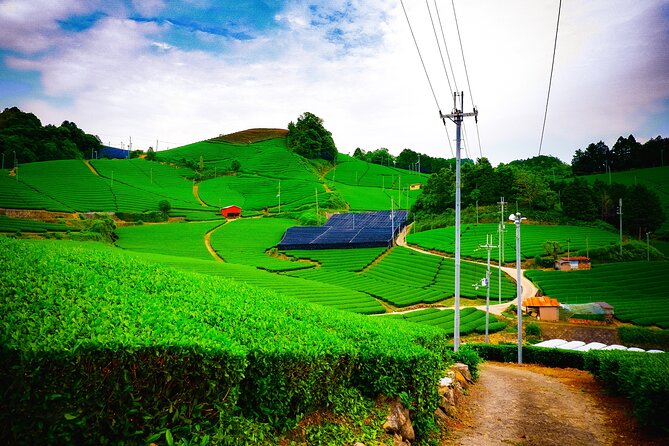
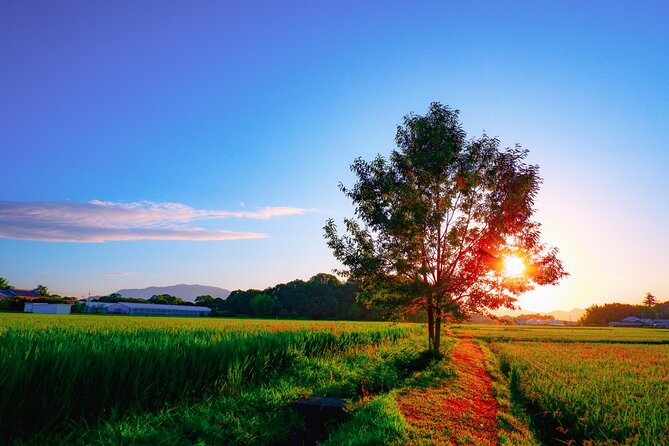
Next comes the tea-field photo hit: Ishitera Tea Plantation. The time here is about 30 minutes, and the emphasis is on those manicured plots that create a tall, sweeping visual when you look across the rows.
Even if you’re not a serious photographer, you’ll still feel the effect. Tea fields have a repeating geometry that makes compositions easy. The shorter visit also helps here: you don’t get tired of looking at the same scene before you get the best angles.
You don’t need to over-plan this stop. The value is in stepping into the countryside for a fast burst of “wow” and then moving on while the day still feels fresh.
Ujitawara-cho: Where Green Tea and Matcha Were Invented
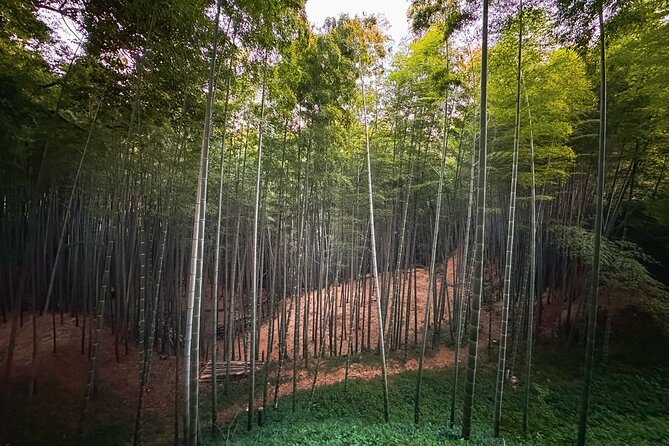
Ujitawara-cho is the next 30-minute tea-country stop, and it’s positioned as one of the most famous production areas in Japan. The tour info also calls out that green tea and matcha were invented here, which gives this place extra meaning beyond the views.
You’ll get a walk in a tea field for a magical photo. This is a practical advantage compared with many tours that only offer a roadside look. Being able to step into the farm area means you can capture that classic Kyoto tea-country look with depth and perspective, not just flat horizon views.
What I like about combining Ishitera and Ujitawara-cho is variety. One stop is about the sky-reaching field perspective, and the other is about the origin story and the chance to walk for photos.

Shoju-in and the Love-Heart Window in the Tea Room

The day’s countryside payoff comes at Shoju-in (Seijuin-Temple). You’ll spend about 1.5 hours here, and the tour description flags that it can take around an hour to reach from central Kyoto. That’s a sign you’re leaving the easy circuit and going after something more specific.
The star detail is the love-heart window in the tea room. It’s the kind of architectural feature that turns into a built-in photo moment, but the real value is the atmosphere. Shoju-in is described as being in the south countryside area, so the quiet and the surroundings become part of the experience.
Admission isn’t included here either (¥1,000 per person). Since the day already includes Byodo-in and tea tastings, I recommend treating these temple ticket add-ons as the unavoidable “artifacts budget” part of the trip.
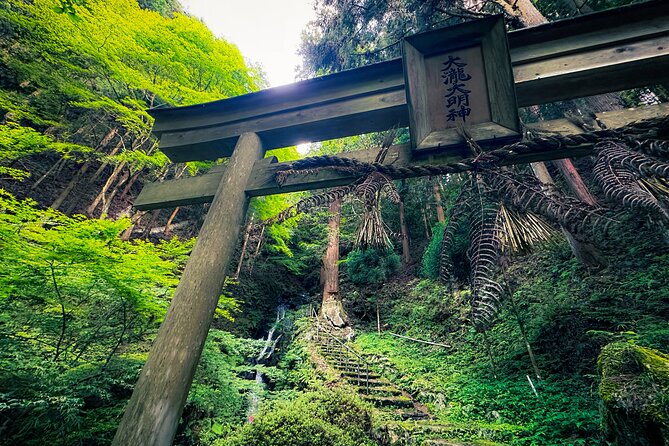
Also, tea culture here isn’t only about flavors. The tour highlights how monks, samurai, and even ninjas influenced tea culture, and reviews mention a forest shrine tied to ninja lore. Even if you don’t go hunting for every story detail, the guide’s connections help you see why people linked these traditions to landscape, training grounds, and everyday ritual.
The Private Ride: Pickup, Van Comfort, and Mini Cooper Open-Air Fun
This is a private tour, so only your group goes. That changes the entire pace of the day.
Transport is handled in a couple of ways:
- For groups of 2–6, you ride in an air-conditioned Nissan van.
- For solo travelers, the tour offers an open-air convertible Mini Cooper.
Both options include fuel and highway fees, and the description notes pinpoint pickup and drop-off, with the ability to set different start and goal points. That matters in Kyoto, where getting from point A to point B can be its own mini adventure.
Reviews consistently highlight Daiki’s role here. People call out his patience during picture stops and his enthusiasm and history-and-culture storytelling. One review even praises how he helps you get to dinner at the end by dropping you off near a nearby restaurant. That’s the kind of small, practical kindness that makes a day feel smoother.
One more thing: the itinerary may change due to unexpected closures, road conditions, or crowd levels. It’s normal for countryside routes to deal with timing shifts. The private format helps because your guide can adapt while still protecting the core tea + temple experience.
Timing That Works: How 5.5 Hours Fits the Day
The tour starts at 1:00 pm and runs about 5 hours 30 minutes. That length hits a sweet spot: long enough to get countryside views and two temple moments, but not so long that you lose the rest of your evening.
You also get a clear stop rhythm:
- About 2 hours at Byodo-in
- About 1 hour at the Wazuka-cha Cafe
- About 30 minutes at Ishitera Tea Plantation
- About 30 minutes in Ujitawara-cho
- About 1.5 hours at Shoju-in
Because the day is structured this way, you’re not stuck improvising. You also avoid the “half-day that turns into a full-day” trap that sometimes happens when transport is complicated.
Is the $250.38 Price a Good Deal for This Much Tea Time?
The price is $250.38 per group (up to 6). That structure is important: it’s not priced per person.
So the value depends on how many seats you fill:
- If you’re splitting among a group, your cost per person drops quickly, and you basically pay for private transport plus a guided day with multiple stops.
- If you’re traveling solo, you may pay more in raw dollar terms, but you’re getting the open-air convertible experience plus door-to-door service and the guided context that makes the sights more meaningful.
Now add the temple admissions that aren’t included:
- Byodo-in: ¥600 per person
- Shoju-in: ¥1,000 per person
That means you should budget around ¥1,600 per person for those two temple entries, plus you’ll decide what you want to buy or drink at the tea cafe. The good news is that the tasting and the shopping pitch at Wazuka-cha suggests you may find premium tea for less than city prices, so some of that extra spending can come back to you as souvenirs you’ll actually use.
For me, this tour feels worth it if you want convenience and countryside access more than you want a free-form day. If you already know how to travel out to Uji and Wazuka by public transport and you don’t care about a guide, you could DIY. But if you want the easy version with a tight schedule and the tea-country viewpoint, the math often favors booking.
Who Should Book This Tea Country Private Tour
This works best if you:
- Want tea fields plus major temple sights in one afternoon
- Care about matcha taste and not just souvenir shopping
- Prefer a private guide who can slow down for photos
- Like countryside scenery without dealing with transfers
It might not fit as well if you:
- Have limited mobility, since short walks and stairs are part of the day
- Are strictly budget-focused and don’t want to add temple admissions and tea cafe purchases on top of the tour price
- Only want a quick look and don’t care about the tea culture context
If you’re a solo traveler, the open-air Mini Cooper option is a fun reason alone to choose this style of tour. If you’re in a small group, the van makes the day feel relaxed and “no stress” even when you’re moving between multiple sites.
Should You Book Scenic Green Tea Fields of Hidden Kyoto?
I’d book this if your ideal Kyoto day includes countryside tea views, matcha tasting, and at least two temple stops that have enough time built in. The biggest reasons to choose it are the private transport that actually gets you into tea country, the matcha-focused cafe hour, and Daiki’s approach—energetic, patient, and tuned to making time for photos instead of turning every stop into a rush.
Skip it only if you know you hate stairs and temple entry fees, or if you’d rather spend your afternoon wandering on your own and timing every bus and train without help. For most people who want an authentic tea day without the logistics headache, this is a strong choice.
FAQ
What is the duration of this tour?
The tour lasts about 5 hours 30 minutes.
How much does it cost?
It costs $250.38 per group, with a maximum group size of up to 6.
Where does the tour take place?
It runs in Kyoto, Japan, including tea country stops in the Wazuka/Ujitawara area and temple stops such as Byodo-in and Shoju-in.
What times does the tour start?
The start time is 1:00 pm.
Is pickup offered?
Yes. Pickup and drop-off are available, with pinpoint options noted in the tour details.
What vehicle will we use?
The tour uses an air-conditioned Nissan van for 2–6 people, and a Mini Cooper convertible for 1 person.
Is the tour fully ticketed?
No. Admission fees are not included for Byodo-in (¥600 per person) and Shoju-in (¥1,000 per person).
Is the Wazuka-cha Cafe tasting included?
The stop includes tasting time at Wazuka-cha Cafe, and the tour lists the tea cafe admission as free, but coffee and/or tea fees for your own tea are not included.
Is this a private tour?
Yes. It is private, and only your group participates.
Can I cancel and get a full refund?
Free cancellation is available up to 24 hours in advance for a full refund.