REVIEW · KYOTO
Kyoto: Kendo and Samurai Experience with Uniform and Gear
Book on GetYourGuide →Operated by Kendo Experience · Bookable on GetYourGuide
Suit up like a samurai in Kyoto. What I loved most was putting on the real kendo uniform and gear and training with safe sword forms in a 120-year-old machiya setting. The one thing to consider: the dojo room can feel a bit worn—think lived-in, not polished.
This is one of those Kyoto activities where you do more than watch. You get an English-led lesson built around etiquette, posture, and practical movements, then you finish with a fun partner session and memory-packed photos/videos.
In This Review
- Key points that make this samurai-and-kendo experience worth your time
- A 100+ year Kyoto machiya makes the kendo lesson feel real
- Suiting up: uniform, armor, and shoe rental that saves time (and looks great)
- Safety briefing first: grip, posture, and what you should never rush
- Learning the kendo fundamentals: stance, footwork, and clean technique
- Partner practice and the sparring finale with foam swords
- The samurai mindset part you’ll actually remember after Kyoto
- Photos and videos while you’re fully geared up
- Location and arrival: the large gate meeting point is key
- Price and value: why $103 can work out well for what you actually get
- Who should book this Kyoto kendo and samurai workshop?
- Should you book this Kyoto Samurai Kendo experience?
- FAQ
- How long is the Kyoto kendo and samurai experience?
- How much does it cost?
- Where does the experience meet?
- Is the instruction available in English?
- Do I need any prior kendo or sword experience?
- What gear is provided?
- Will I practice with real swords?
- Is the experience suitable for children?
- Are alcohol or drugs allowed?
- Is cancellation free, and can I pay later?
- Final decision: book it or skip it?
Key points that make this samurai-and-kendo experience worth your time
- Full uniform and gear rental: you don’t have to guess sizes or style—everything is ready for you.
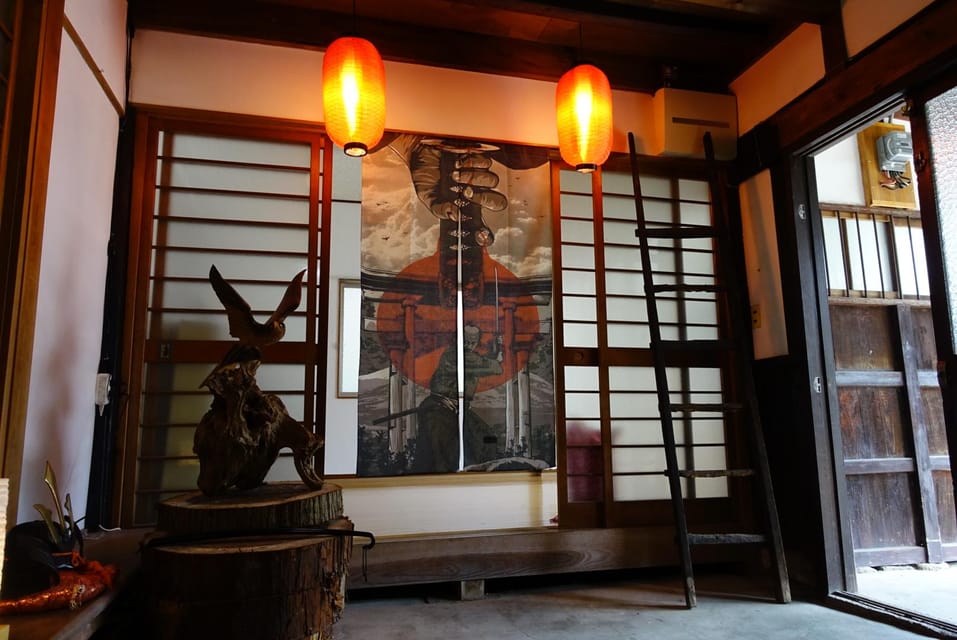
- Training inside an older Kyoto machiya: the historic wooden building adds real atmosphere.
- Safety-first sword handling: you’ll practice with bamboo/foam training tools or replica-style options.
- English instruction with a calm, patient tone: instructors explain clearly and help you keep proper form.
- You leave with photos and videos: taken while you’re fully suited up.
- A fun finale: many sessions end with a small competition or sparring moment using training swords.
A 100+ year Kyoto machiya makes the kendo lesson feel real
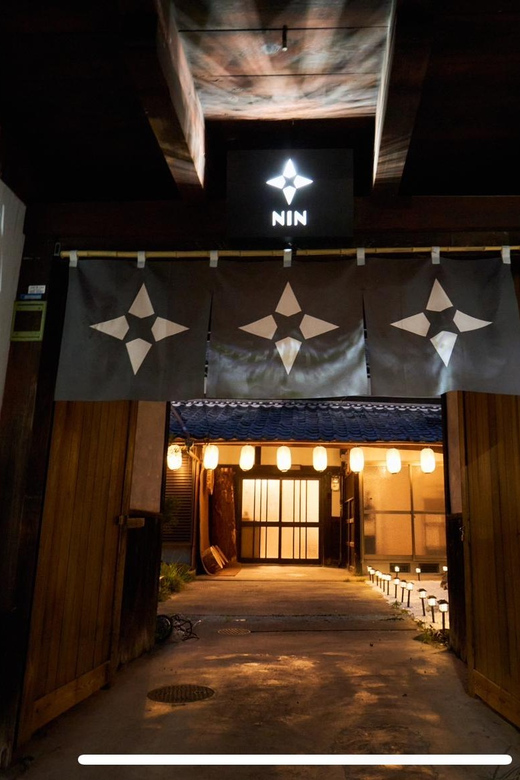
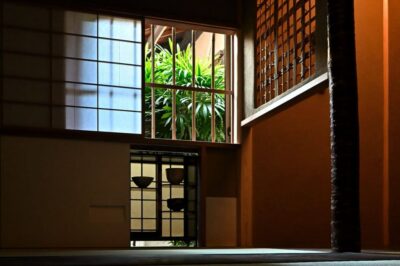
Kyoto has no shortage of history tours, but this one gives you something physical to hang the story on. Training in a machiya—an old Kyoto townhouse—puts you in a wooden, quiet space where the rules of the room matter. When you step in, you can feel the shift from sightseeing mode to training mode.
I especially like how the building changes the pace. You’re not in a showroom. You’re in a dojo setting where etiquette shows up immediately—bowing, quiet focus, and respect for the space and tools.
One practical note: the room can feel cool in colder months, and some training may happen outside in a courtyard-style area. If you’re visiting in winter, plan for warmth.
You can also read our reviews of more tours and experiences in Kyoto.



Suiting up: uniform, armor, and shoe rental that saves time (and looks great)
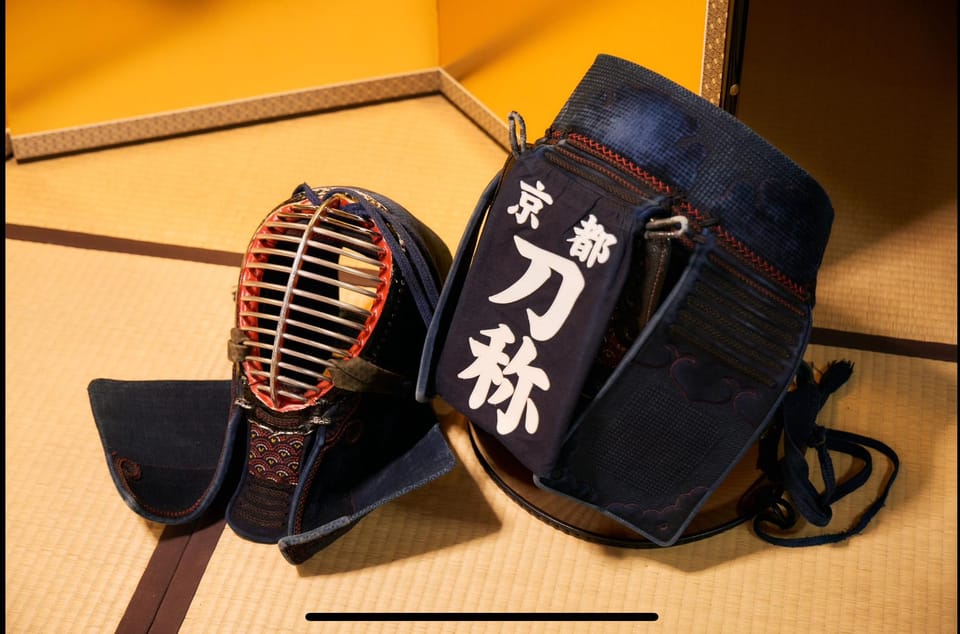
The experience starts with your transformation. You arrive, then you’re guided through getting into the training clothes and full gear. That includes uniform rental and equipment rental, plus shoe rental—so you’re not scrambling for the right footwear or a last-minute Amazon order.
From there, your instructor shows you how the gear should fit and how it affects movement. That matters because kendo isn’t only about swinging. It’s about posture, balance, and having the stance stay stable even when you’re wearing the protective layer.
If you’re a photo person, this part is a big win. Reviews often mention the cinematic look once everyone is fully dressed, and the instructor helps capture it.
Safety briefing first: grip, posture, and what you should never rush
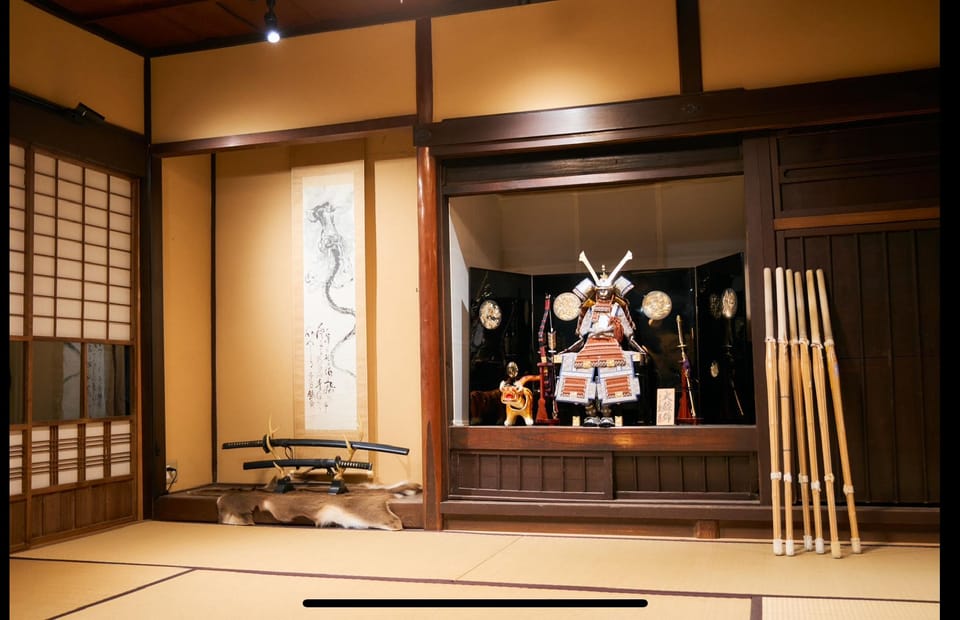
A smart thing this class does is front-load safety and basics. Before you start moving fast (or attempting anything that resembles sparring), the instructor explains how to handle the training sword safely and how to move without chaos.
You’ll also get an etiquette foundation—how you behave in the dojo, how you respond to instruction, and how to show respect to partners. Even if you don’t care about martial arts history, etiquette helps the lesson run smoothly, and you feel taken care of.
Good news: you don’t need prior experience. The class is built for first-timers who want to understand what kendo is, not just pose with a sword.
Learning the kendo fundamentals: stance, footwork, and clean technique
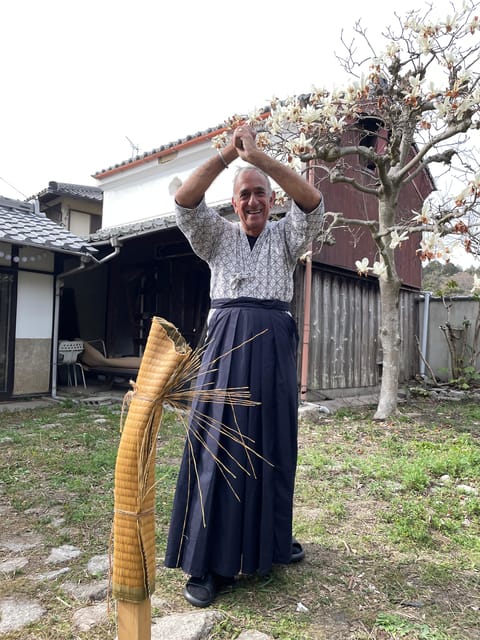
After the safety intro, you move into basic sword handling. Expect lessons focused on essentials like proper grip, posture, and foundational movements. The goal is controlled practice, not random swinging.
You’ll likely drill strikes and blocks as motion patterns you can repeat correctly. That’s where the gear and the dojo space help: the equipment guides you toward good habits—upright posture, stable feet, and a swing path that doesn’t wobble.
What I like most is the way the instruction seems built around your body, not just the sword. When someone corrects your stance, you feel it immediately in your balance. It’s the kind of feedback you can’t get from a demo video.
Partner practice and the sparring finale with foam swords
Most sessions don’t stop at solo drills. You’ll usually practice with a partner and get a taste of timing—meeting an opponent’s move with your own. That’s one reason the class feels more satisfying than a standard cultural performance.
Toward the end, many people mention a sparring or competition-style finale using foam katanas or training swords. It’s meant to be fun, but it’s still structured. You’re not thrown into a free-for-all.
One expectation to calibrate: you won’t be doing anything like tatami mat cutting. A review notes that tatami slicing doesn’t happen anymore, so don’t come hoping for that movie-style moment. This is training that stays within safe and legal boundaries.

The samurai mindset part you’ll actually remember after Kyoto
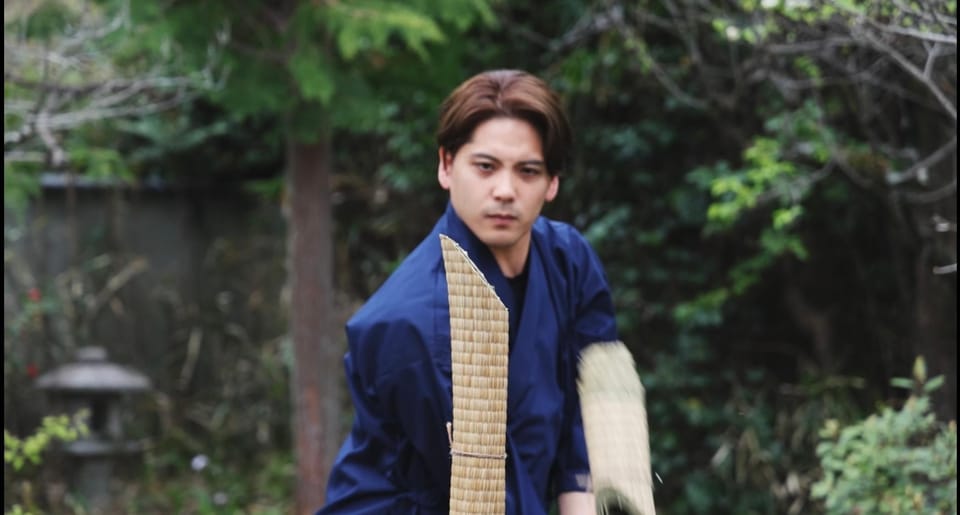
You don’t just learn movements. You get the story behind them. The instructor explains the history connected to samurai and the evolution of kendo, plus the mindset behind the practice—discipline, respect, and control.
In multiple comments, people highlight that the teaching includes cultural context, not just technique. That’s what makes this more useful on a Kyoto trip. You’ll look at other martial-arts displays later and understand what’s being referenced.
The instructor is often mentioned by name as Taka-san or Takato, and his English gets consistent praise. You can ask questions, and you don’t feel rushed.
Photos and videos while you’re fully geared up
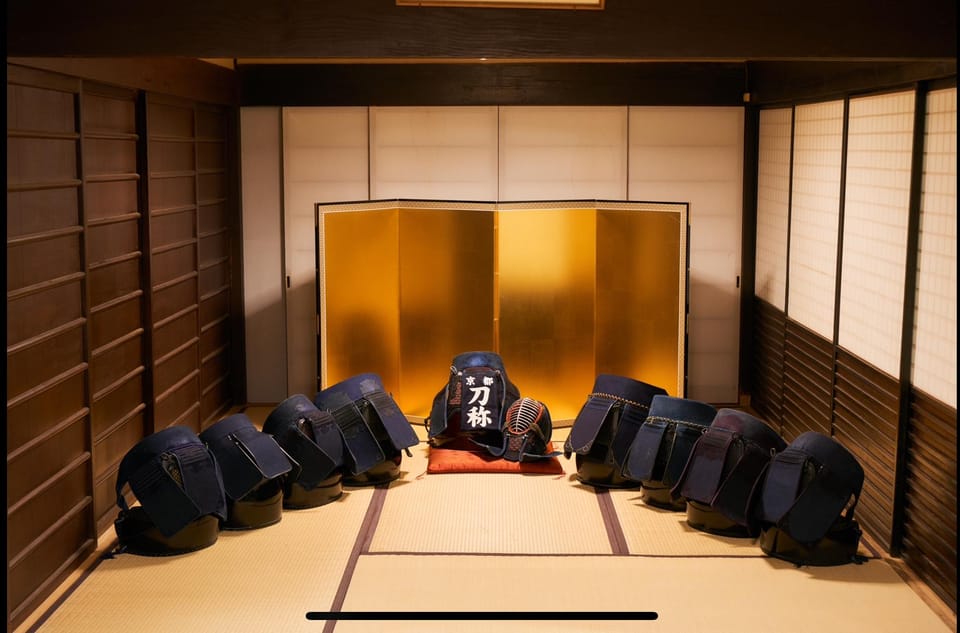
This is one of the easiest parts to love. You’re dressed in full training gear, and the instructor assists with photos and videos so you can take home more than a couple awkward snapshots.
Timing matters here. If you want a great set of images, pay attention when the instructor cues poses or angles. You’ll get better photos because you’re doing it as part of the lesson, not as an afterthought.
Bring your best friendly energy, too. The vibe in the room often comes across as playful but respectful. That combination makes the photos look less like costume play and more like you truly belonged in the training space for those two hours.
Location and arrival: the large gate meeting point is key
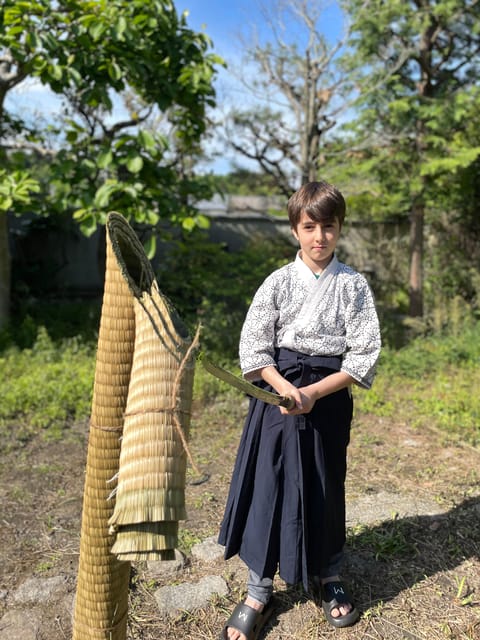
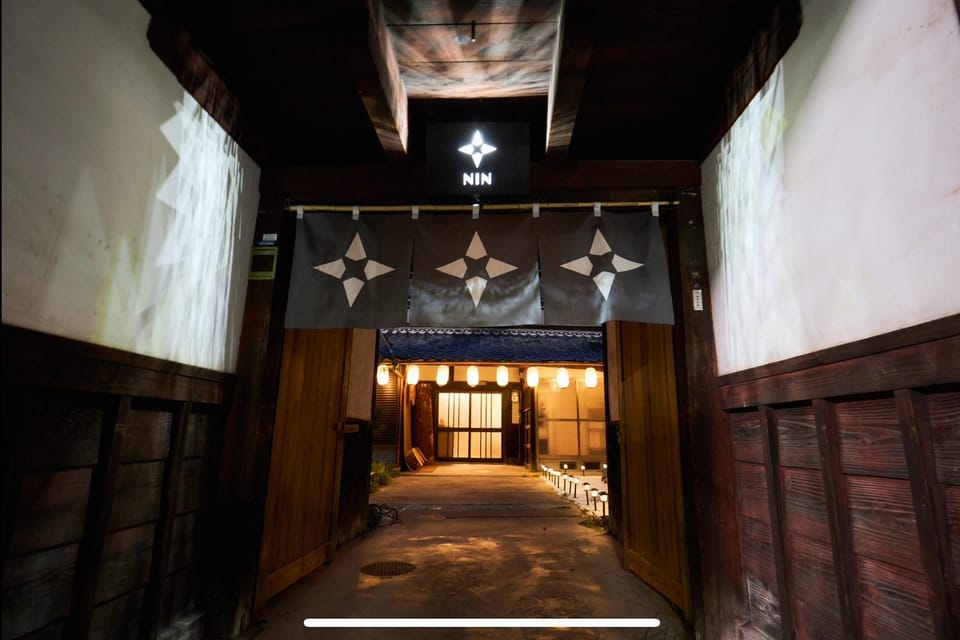
Your meeting point is an old Japanese house with a large gate. That detail matters because you’re not meeting at a famous landmark or a major hotel lobby. People note the location can be a bit far, especially if you’re relying only on train stops.
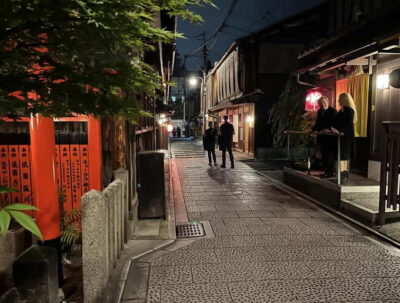
If you’re not staying nearby, consider taking a taxi from the station to get there without stress. Once you arrive, you’ll know you’re in the right place because it feels residential and quiet—exactly the kind of setting you want for a real dojo experience.
Price and value: why $103 can work out well for what you actually get
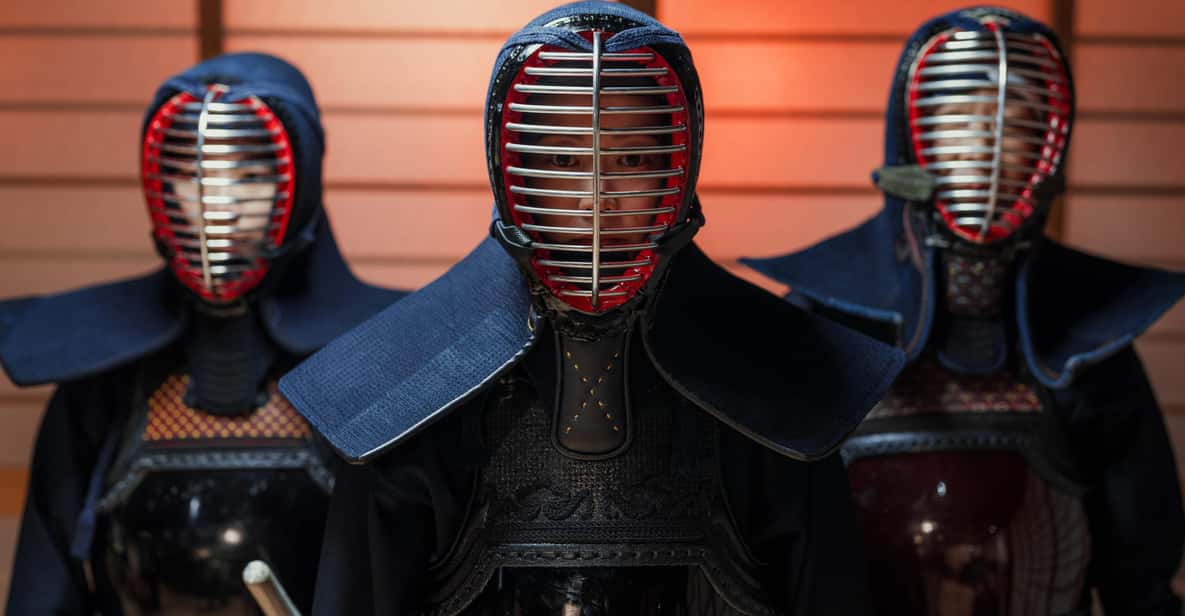
At $103 per person for about two hours, you’re not paying for a generic walking tour. You’re paying for instruction plus multiple rentals: uniform, equipment, and shoe/gear setup.
Here’s the value math I’d use if I were comparing options. A quality hands-on class is usually worth it when:
- the coaching is personalized enough to correct your form,
- you get the full gear experience (not just a rental of a single item),
- and you leave with durable memories like instructor-shot photos/videos.
This experience checks those boxes. Plus, it’s a rare chance to handle training swords in a real dojo environment rather than just watching someone demonstrate.
If you’re traveling solo, it can also be a good value because you’re guaranteed participation, not just audience time. If you’re a family or group, it can still be worth it as long as everyone fits the age requirement.
Who should book this Kyoto kendo and samurai workshop?
This fits best if you want participation. If you enjoy doing things—standing in the right stance, trying partner drills, learning etiquette—this will feel like a highlight.
You’ll also like it if you want a cultural experience with structure. The lesson includes both practice and history, so you aren’t left with only movement or only storytelling.
It’s not for young kids under 7. And if you’re looking for something purely theatrical (no training), you might find it too hands-on.
One small seasonal tip: if you’re going in colder months, plan for cool indoor training. Reviews mention it can feel chilly, and a base layer plus warm socks can make the experience more comfortable.
Should you book this Kyoto Samurai Kendo experience?
I’d book it if you want a hands-on Kyoto moment that feels grounded: real dojo atmosphere, full gear, safe sword practice, and an instructor-led explanation you can ask questions about. The photos/videos help too, since you’re capturing the real you in training gear, not a quick costume moment.
I’d pause if you’re sensitive to older buildings that feel lived-in (some spaces can look worn) or if you dislike partner practice. Also, if you only want something very passive, this isn’t that kind of class—you’ll be moving from the moment you suit up.
If you want to walk out of Kyoto with actual technique memories and a better sense of what kendo culture is about, this is a strong choice.
FAQ
How long is the Kyoto kendo and samurai experience?
The experience runs for 2 hours.
How much does it cost?
It costs $103 per person.
Where does the experience meet?
The meeting point is an old Japanese house with a large gate.
Is the instruction available in English?
Yes. The instructor teaches in English.
Do I need any prior kendo or sword experience?
No prior experience is required.
What gear is provided?
You’ll get uniform rental, equipment rental, shoe rental, and gear rental.
Will I practice with real swords?
You’ll use safe training sword options such as bamboo swords, foam swords, or refined replica blades. Replica swords are also available for purchase.
Is the experience suitable for children?
Children under 7 years are not suitable.
Are alcohol or drugs allowed?
No. Alcohol and drugs are not allowed.
Is cancellation free, and can I pay later?
Yes, you can cancel up to 24 hours in advance for a full refund, and you can reserve now and pay later.
Final decision: book it or skip it?
Book it if you want a real training session with etiquette, safe sword basics, and a high chance you’ll get both a meaningful cultural lesson and photos/videos you’ll actually use later. Skip it if you’re looking only for a passive show or you’re not comfortable with hands-on practice and partner drills.