REVIEW · KYOTO
Kyoto: Early Morning Walking Tour with Local Guide
Book on GetYourGuide →Operated by Kyoto Mikey Adventures · Bookable on GetYourGuide
Kyoto changes fast before breakfast. This tour catches the calm side of the city while you hit top sights like Kiyomizu-dera and Fushimi Inari without the worst crowds. I especially like the peaceful temple timing and how the guide, Michele, shares stories about Japanese daily life and rituals in a way that makes the places feel human. One consideration: food and drinks aren’t included, and Kiyomizudera has a small entrance fee you’ll need to budget.
You’ll walk, stop, and breathe through classic neighborhoods—Gion, Sannen-zaka, Ninen-zaka—then end with that unforgettable wall of red torii gates at Fushimi Inari Taisha. The pace stays manageable for a morning tour, and the private group format (up to 10) helps your guide adjust if you move slower, faster, or with kids.
The meeting point is at Family Mart in front of Higashiyama Fire Station near Kiyomizu, or you can request a hotel meeting in Kyoto city. With an English/Italian live guide, it’s a smart way to see Kyoto’s highlights in one focused loop, and still feel like you’re doing it at local speed rather than on a tight bus schedule.
In This Review
- Key highlights that make this tour worth your morning
- Why start at Kiyomizu-dera before the crowds?
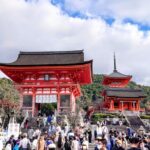
- Kiyomizu-dera Koyasunoto Pagoda: the calm views that set the tone
- Chion-in Temple: a serene reset in the middle of the morning
- Yasaka Shrine and the five-story Yasaka Pagoda in one smooth storyline
- Gion in quiet morning hours: geisha district energy, minus the chaos
- Sannen-zaka and Ninen-zaka: traditional streets that feel slow and old
- Local train hop: moving from Higashiyama to Fushimi without stress
- Fushimi Inari Taisha at the end: torii gates when it feels quiet
- Price and value: what $316 per group really means
- Who this tour fits best (and who might not love it)
- What to bring for a comfortable 6-hour Kyoto morning
- Should you book this early morning Kyoto walking tour?
- FAQ
- How long is the Kyoto early morning walking tour?
- What’s included in the tour?
- Is food or drinks included?
- Do I need to pay an entrance fee at Kiyomizudera?
- Where do I meet the guide?
- Does the tour include transportation?
- What language is the guide?
Key highlights that make this tour worth your morning
- First-light temple time that feels calm instead of rushed
- Michele’s guide style: prepared, available, and flexible with your pace
- Old Kyoto streets in Sannen-zaka and Ninen-zaka for photo-friendly strolling
- Yasaka Pagoda + Yasaka Shrine as a single morning storyline
- Fushimi Inari at the end with easy train access after the walk
Why start at Kiyomizu-dera before the crowds?
Starting early is the whole secret sauce here. Kyoto’s famous sights can get crowded fast, and the tour is built around that reality: you’re at the first temple stop while the city is still waking up. That matters because you’re not just looking at buildings—you’re also watching how people move through the space.
In practical terms, an early start helps you:
- Take pictures without constant shoulder-to-shoulder traffic
- Spend more time in the important viewpoints and less time waiting
- Keep the morning comfortable (cooler temperatures were specifically mentioned as a benefit)
I also like that this tour is structured as a walk-first day with a clear ending point. You get the best-of loop, then you’re done—set up for whatever you want next.
You can also read our reviews of more walking tours in Kyoto

Kiyomizu-dera Koyasunoto Pagoda: the calm views that set the tone
Your morning begins at the Kiyomizu-dera area, with a stop at the Koyasunoto Pagoda for about one hour. This is where you get the big-view Kyoto moment before the crowds build. The tour is designed so you can take in what you came for—views from a quieter vantage—without the frantic feel that often comes later.
A few practical tips for this part:
- Wear shoes you can walk in for hours. You’ll thank yourself at minute 30.
- Bring water and a camera, since you’ll likely want to pause often.
- Expect the Kiyomizudera entrance fee (listed as about $3 USD) to be separate, so don’t rely on your budget math being based only on the tour price.
This first segment works well because it doesn’t feel like a checklist. It feels like you’re settling into Kyoto: temples, stone paths, and that early-morning hush.
Chion-in Temple: a serene reset in the middle of the morning
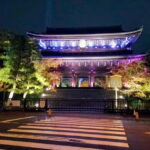
After Kiyomizu, the tour shifts to Chion-in for about 30 minutes. The big value here is the change of pace. You move from the high-energy “first stop” feeling into something calmer and more architectural. The highlight here is the temple’s impressive architecture, and the short time block helps you actually see details instead of rushing through everything.
If you’re traveling with kids or you just don’t love long temple marathons, this stop is a nice compromise. It’s long enough to feel satisfying, but short enough that you don’t end up tired before the day’s biggest walking stretches.
You’ll also get the benefit of a guide’s context—especially if you like learning how people experience these places in everyday life, not just memorizing names.
Yasaka Shrine and the five-story Yasaka Pagoda in one smooth storyline
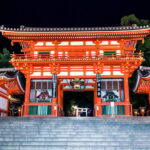
Next up is Yasaka Shrine for about 30 minutes, plus you’ll admire the iconic five-story Yasaka Pagoda as part of the morning loop. It’s a strong pairing because it gives you two different visual moods: the shrine atmosphere and the dramatic pagoda silhouette.
This is also where the timing really pays off. You’re not just checking boxes; you’re seeing the site with enough breathing room to notice how the surroundings work—pathways, viewpoints, and how people actually flow through the area.
One more reason I like this portion: it sets you up for Gion right after. If you go to Gion later in the day, it can feel like you’re walking through a performance. In the morning, it’s more like a neighborhood.
Gion in quiet morning hours: geisha district energy, minus the chaos
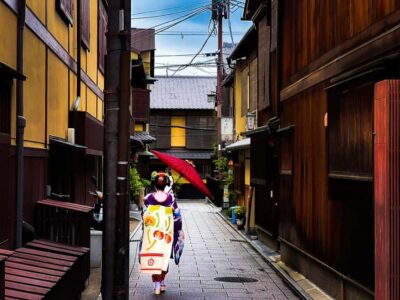
The tour includes Gion District for about one hour, and the emphasis is on quiet morning viewing of Kyoto’s famous geisha area. Even if you’re not focused on geisha culture specifically, Gion is where Kyoto’s atmosphere becomes instantly recognizable: traditional streets, old-world textures, and that sense that this is a lived-in part of the city.
The best part of doing Gion in the morning is simple: you can actually walk and look without constant stop-start interruptions. You get the vibe, and you can still enjoy the smaller details your eyes catch along the way.
And according to the experience style reported by guests, the guide may point out temple and side spots that are less packed than the most obvious tourist routes. That’s the kind of help that makes a “must-see” day feel more personal.
You can also read our reviews of more guided tours in Kyoto


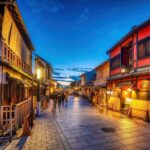
Sannen-zaka and Ninen-zaka: traditional streets that feel slow and old
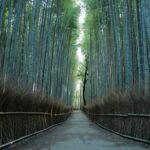
You’ll also wander through Sannen-zaka and Ninen-zaka, two of Kyoto’s classic traditional-street areas. This is the walking portion where the city starts feeling like itself—narrow lanes, old-style storefront rhythms, and a slower tempo that’s perfect after temple stops.
These streets are ideal for:
- Photos with less crowd noise
- A gentle stretch break between big sights
- Picking up a few visual souvenirs of Kyoto’s past-and-present mix
I’d treat this as your “go slow” time. Don’t force the pace. Let the guide lead, but keep your eyes open. The tour is designed to feel calm, and that works best when you’re not sprinting from point to point.
Local train hop: moving from Higashiyama to Fushimi without stress
After the morning walking sections, you take a local train for about 15 minutes. That short ride matters because it keeps the day efficient while still letting you experience Kyoto on foot for the key sightseeing moments.
Important note for planning: transportation to the meeting point and from the end point isn’t included. The tour itself does end at Fushimi Inari, with easy access to trains, so you’ll be able to connect onward without a complicated exit strategy.
This is the kind of “small logistics win” that makes guided touring feel worth it. You’re not left figuring out the pacing across neighborhoods.
Fushimi Inari Taisha at the end: torii gates when it feels quiet
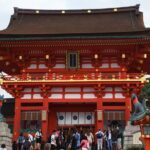
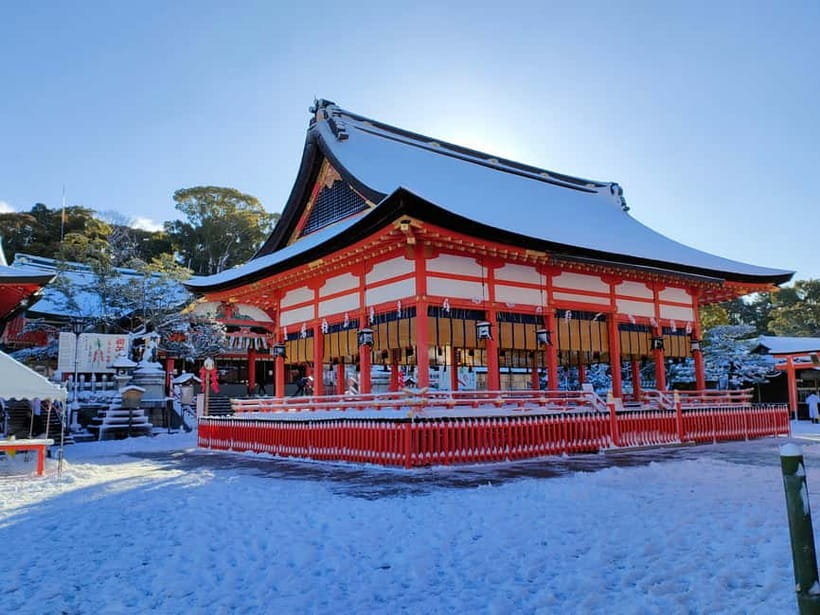
The tour finishes at Fushimi Inari Taisha for about one hour, with the star attraction: its endless red torii gates. Ending here is smart because Fushimi Inari is famous, so arriving as part of an organized morning schedule helps you enjoy the sensation of the torii “tunnel” without starting it at peak crush.
If you love photography, this is where you’ll likely spend the most time just lingering. The color contrast of the gates against the walking lines creates natural framing, and having a guide helps you avoid getting stuck in aimless loops.
Also, one-hour is a good duration. It’s long enough to feel like you experienced it, but short enough that you don’t lose the day to getting “lost in the middle,” especially if you’re tired from earlier walking.
Price and value: what $316 per group really means
The tour price is listed as $316 per group (up to 10 people), lasting about 6 hours. On paper, it can look steep if you think per-person right away. But here’s the value math you should do:
- If you’re booking as a private group and max out at 10 people, that’s roughly $31.60 per person (before any extras).
- For couples or families traveling as a small unit, it costs more per head—but the trade-off is private pacing and a guide who can adapt.
Included in the tour are guided walking and the listed temple/shrine stops: Kiyomizu-dera, Gion, Sannen-zaka and Ninen-zaka, Yasaka Pagoda, Yasaka Shrine, Chion-in, and Fushimi Inari. What’s not included is food and drinks, Kiyomizudera entrance fee (~$3 USD), transportation to/from the meeting point, and transportation from the end point.
To me, the “why it’s worth it” part is this: you’re paying for time saved and confusion avoided. You’re also paying for early-morning timing, plus a guide who can explain what you’re seeing and help you keep the day flowing.
Who this tour fits best (and who might not love it)
This tour is a strong match if you want:
- A structured morning without spending time planning transitions between neighborhoods
- A calm approach to major Kyoto sights
- A guide who shares context, not just directions
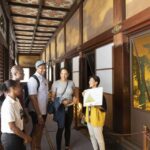
From guest experiences, it also seems like a good fit for families. One booking noted it’s doable even with children, and another mentioned the guide being flexible and adapting the route to your needs. If you’re traveling with mixed ages, that flexibility is a real value.
The main reason someone might not love it: if you hate walking (or you’re expecting a food-focused day). It’s a walking tour with temples and shrines. You’ll want to plan your morning snacks and hydration yourself since food and drinks aren’t included.
What to bring for a comfortable 6-hour Kyoto morning
This is the kind of tour where small prep decisions matter. Bring:
- Comfortable shoes (you’re on your feet for hours)
- A camera (the torii gates and early temple views are prime photo time)
- Sunscreen (morning can still be strong)
- Water (especially since food and drinks are not included)
Also, follow the simplest advice: start early to beat the crowds and enjoy cooler temperatures. The whole day is built around that rhythm.
Should you book this early morning Kyoto walking tour?
If you want a Kyoto day that feels calm, organized, and genuinely guided, this is a great choice—especially if you can split the group cost with others. The early start is the big win, and the combination of Kiyomizu-dera, Chion-in, Yasaka Shrine/pagoda, quiet Gion, traditional streets, and a final stop at Fushimi Inari hits a lot of the city’s most iconic scenes without making you fight the crowds all day.
I’d book it if you like walking with a plan, enjoy temple and shrine atmosphere, and want a guide who brings more than names and dates. Pass if you’re hoping for a food-and-drink heavy tour, or if you really prefer going entirely on your own with no guided structure.
FAQ
How long is the Kyoto early morning walking tour?
It lasts about 6 hours.
What’s included in the tour?
You get a guided walking tour with visits to Kiyomizu-dera, Gion, Sannen-zaka and Ninen-zaka streets, Yasaka Pagoda, Yasaka Shrine, Chion-in, and Fushimi Inari Shrine.
Is food or drinks included?
No. Food and drinks are not included.
Do I need to pay an entrance fee at Kiyomizudera?
Yes. The Kiyomizudera entrance fee is listed as about $3 USD and is not included.
Where do I meet the guide?
You can meet at the Family Mart in front of Higashiyama Fire Station at 4 Chome-182-18 Kiyomizu, Kyoto. You can also request to meet at your hotel in Kyoto city.
Does the tour include transportation?
Transportation to the meeting point and from the end point is not included. The tour includes taking a local train as part of the day.
What language is the guide?
The live tour guide is available in English and Italian.