REVIEW · KYOTO
Kyoto: Secrets of Gion – Geisha Culture Walking Tour
Book on GetYourGuide →Operated by Traveling Tokyo · Bookable on GetYourGuide
Gion is pretty, but the story matters more. On this 2-hour walk, you’ll get a clear sense of how Kyoto’s festivals shaped Gion and what everyday life looks like for geiko and maiko, not just pretty streets; the downside is the walking route uses older stone paths and is not built for wheelchair access.
I like that the tour starts at Starbucks Coffee Kyoto Gion Hotel, with the guide holding a Traveling Kyoto ID, so you can find the group fast and get moving without fuss. At around $25 per person, it’s a practical way to buy context for the sites you’ll likely see anyway—without spending your whole evening piecing meaning together.
One more thing I value: you’re not rushed. The pace is built around key stops (shrines, parks, and historic lanes), with photo moments and a guide who can explain what you’re looking at as you go.
In This Review
- Key moments you’ll care about in Gion
- Why Gion feels different after a guided walk
- Start Smart: Starbucks meeting point and a clean 2-hour plan
- Yasaka Shrine: the festival connection behind Gion
- Maruyama Park: a peaceful break near the shrine streets
- Nene no Michi: a named lane with preserved atmosphere
- Ninenzaka: the stone slope that makes Kyoto feel real
- Yasui-Komphira-Gu Shrine: the Power Stone archway stop
- Hanamikoji Street: where you learn geiko and maiko customs
- Price and logistics: why $25 is actually fair value
- What guides tend to do well on this route
- Who should book this Kyoto Gion tour
- Should you book? My quick decision guide
- FAQ
- Where does the tour start?
- How long is the Kyoto Gion walk?
- How much does the tour cost?
- Is the tour guided in English?
- What are the main stops on the route?
- Is it possible to see a maiko or geiko?
- Where does the tour end?
- Is the tour suitable for wheelchair users?
- Can I cancel for a full refund?
- Is there a pay-later option?
Key moments you’ll care about in Gion
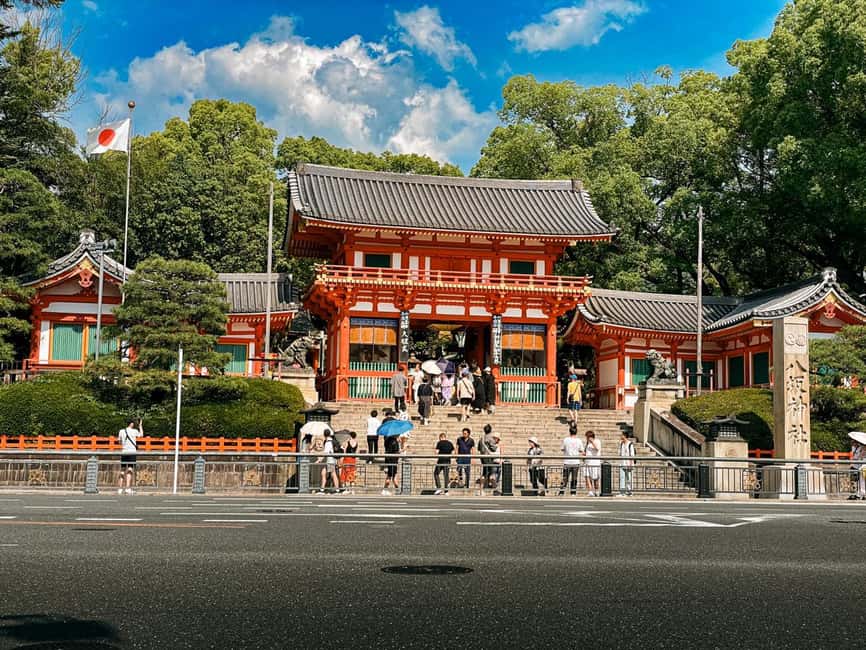
- Yasaka Shrine as the festival starting point: you’ll connect Kyoto’s spiritual roots to the world of Gion entertainment.
- Maruyama Park’s seasonal views: a calm pause near the shrine area, known for weeping cherry trees.
- Nene no Michi for preserved atmosphere: traditional architecture, small shops, and teahouses along a named historic lane.
- Ninenzaka for classic Kyoto photography: the stone-paved slope feel is why people travel here with cameras.
- Yasui-Kompira-Gu Shrine and the Power Stone archway: a local-practice stop tied to relationships and letting go.
- Hanamikoji Street and the geiko world: preserved wooden teahouses plus an explanation of maiko and geiko customs.
Why Gion feels different after a guided walk
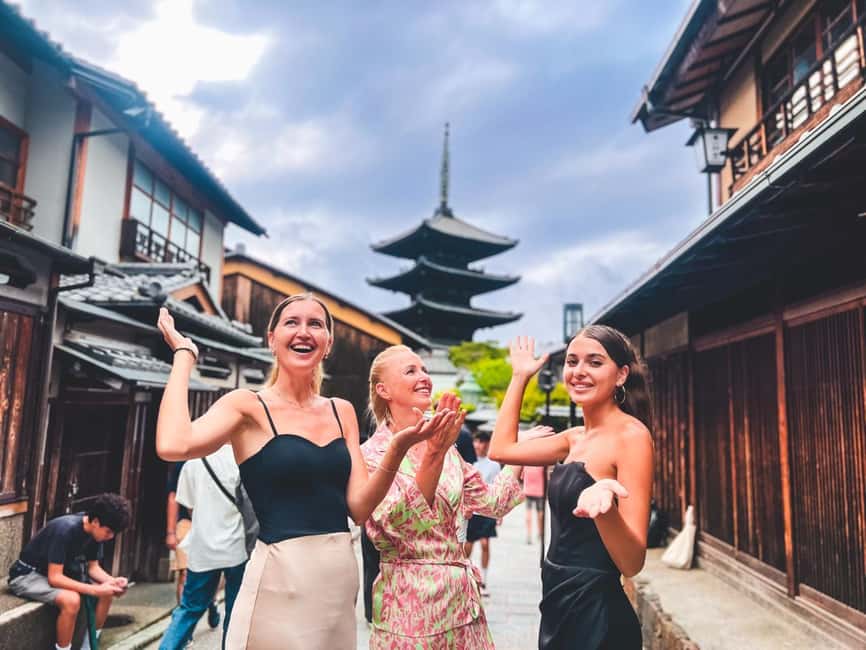
Gion can look like a postcard from the moment you step into it. The problem is that the first ten minutes don’t automatically tell you what’s behind the wood storefronts, the narrow lanes, or the shrine stops. This tour helps you read the neighborhood like a story, where each turn has a reason.
What makes the experience work is that it mixes three kinds of knowledge: spirituality (Yasaka and Yasui-Komponira-Gu), daily-life streets (Nene no Michi and Ninenzaka), and entertainment culture (Hanamikoji). That combo matters because geisha districts aren’t just about costumes and appearances—they’re tied to festivals, neighborhoods, training traditions, and local beliefs.
Also, you’re walking at an evening-friendly pace. Even if you don’t catch a maiko in motion, you still leave with names, purpose, and context you can use immediately the next time you pass these streets.
You can also read our reviews of more walking tours in Kyoto

Start Smart: Starbucks meeting point and a clean 2-hour plan
You meet at Starbucks Coffee Kyoto Gion Hotel, with your guide standing with a Traveling Kyoto ID. That’s a surprisingly useful detail in Kyoto, where intersections can look similar and landmarks can blur when you’re tired.
From there, you’re on foot for about two hours. The route is set up as a sequence of “see it, understand it, photograph it” stops. You’ll get guided time at major points, plus photo opportunities at select streets, so you’re not stuck taking pictures without knowing what you’re capturing.
This is also a good length for visitors who want a culture fix but still need time for dinner. If your Kyoto plan is already tight, this gives you a focused evening without turning it into an all-night production.
Yasaka Shrine: the festival connection behind Gion
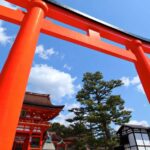
The tour starts with Yasaka Shrine, one of Kyoto’s most important spiritual sites. You’ll get a guided walkthrough here, plus time to take photos and do a bit of shopping.
What’s valuable about Yasaka Shrine for this tour isn’t just the architecture. It’s the link your guide makes between Kyoto’s festival seasons and the rise of entertainment districts like Gion. When you understand that festivals are more than parades—more like city-wide rituals—Gion starts to feel logical instead of mysterious.
Photo tip: plan for the moment you’re there. Yasaka is the kind of place where backgrounds matter. If you wait too long, you lose the angle and end up shooting through gaps and crowds. Use the photo stop time well.
Maruyama Park: a peaceful break near the shrine streets
Next is Maruyama Park, described as Kyoto’s oldest public park and known for seasonal beauty, especially the iconic weeping cherry trees. Even if you’re not there during cherry blossom season, the park offers that rare contrast: Gion’s entertainment energy, softened into something calmer.
This stop works as a reset for your eyes. After shrine sightlines and festival-focused storytelling, the park gives you breathing room. It also helps you slow down enough to notice the way Kyoto layouts work—how open space pulls the neighborhood together.
In practice, it’s a nice pause if your day has been packed. In a short tour, small breaks keep everyone from feeling like they’re sprinting.
Nene no Michi: a named lane with preserved atmosphere
Then you’ll walk Nene no Michi, a picturesque lane named after Nene, the wife of samurai warlord Toyotomi Hideyoshi. Your guide uses this street to connect history to what you can still see today.
This lane is known for preserved traditional architecture and small shops and teahouses. That’s the kind of detail that can get lost if you’re walking on your own. With a guide, you’re more likely to recognize what you’re looking at: old building styles, street alignment, and why this particular corridor feels different from the main shopping streets.
Practical note: this is a photo-friendly zone. But it can also be popular. Move with your group, and use the photo stop time rather than stopping randomly and slowing everyone down.

Ninenzaka: the stone slope that makes Kyoto feel real
You’ll descend Ninenzaka, one of those Kyoto lanes that instantly looks historic. Expect a stone-paved walkway, preserved wooden buildings, and artisan-style shops.
This stop is one of the biggest “wow” moments for most first-time visitors. The slope pulls you visually forward, and the texture of the street helps the neighborhood feel lived-in, not staged.
Drawback to consider: if you’re sensitive to uneven footing, be careful. Ninenzaka’s stone paving can be slippery or uneven depending on conditions. Good walking shoes matter more here than in the more modern parts of the city.
If you care about photography, this is the place to slow down. Even during busier hours, your guide will help you spot angles and moments worth capturing.
Yasui-Komphira-Gu Shrine: the Power Stone archway stop
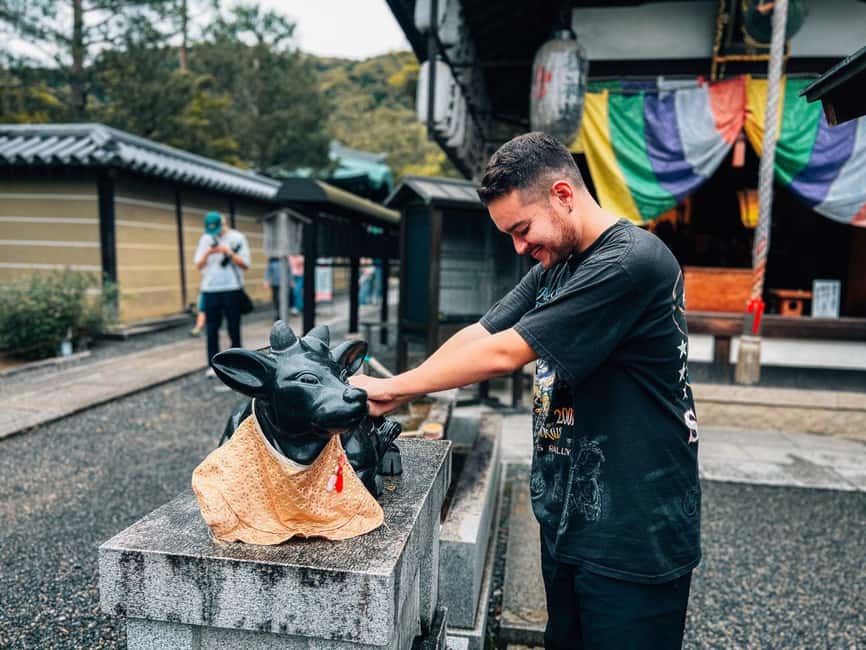
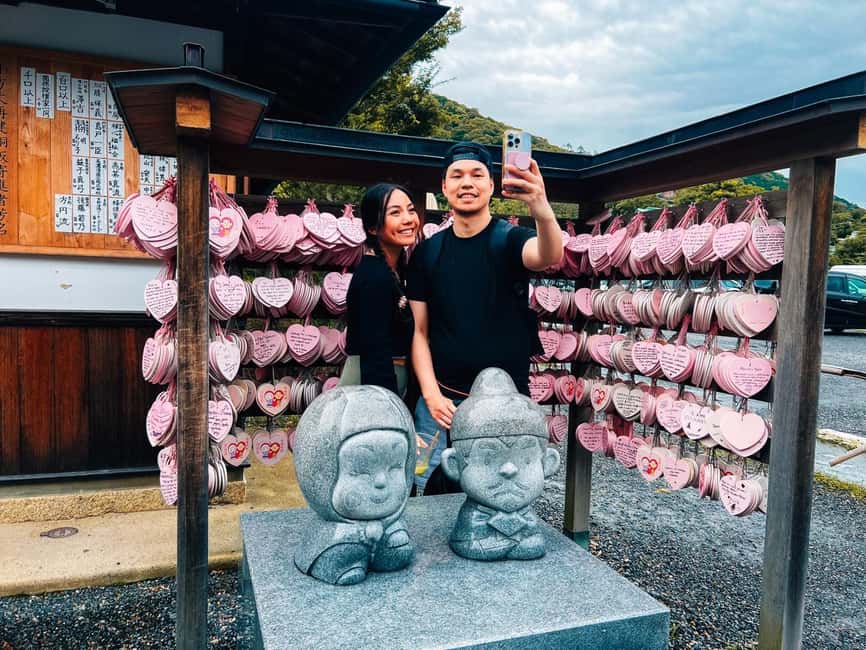
Next is Yasui-Kompira-Gu Shrine. This is famous for its “Power Stone” archway, and people crawl through it as part of local practice. Your guide explains the symbolism: praying for strong relationships, or breaking ties with the past.
This is where Kyoto culture becomes more than architecture. It turns into belief and behavior. You’ll learn what locals think the shrine helps with, and how those intentions shape what people do in real life.
It’s also a good checkpoint in the tour because it’s quieter than the busiest shopping lanes. You can take a moment to absorb what the stop means, not just what it looks like.
Hanamikoji Street: where you learn geiko and maiko customs
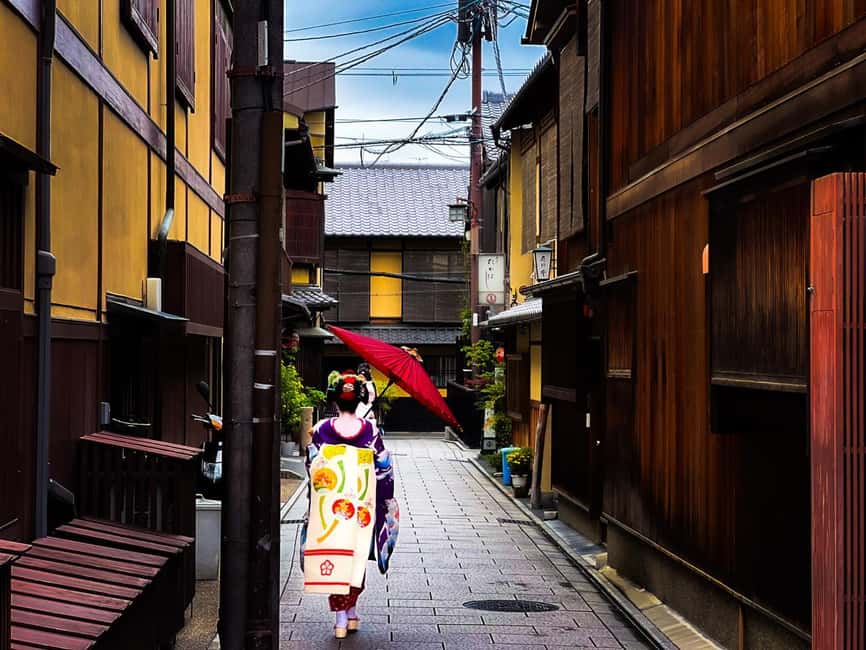
The tour ends with a stroll into the heart of Hanamikoji Street, known for preserved wooden teahouses. This is where the “secrets” part of the tour really lands, because your guide explains customs and daily life for maiko and geiko.
The guide also covers traditions and etiquette around the geiko world, and you’ll even hear about places where maiko may live and train. That matters because it adds structure to a topic many people only see through performances or entertainment stereotypes.
One more detail to watch for: if timing is right, you may catch a glimpse of a maiko in full attire heading somewhere important near the Gion-Shijo area. Don’t treat this like a guaranteed sighting. It’s more like a bonus when your timing lines up with daily life.
If you love the idea of observing respectfully, this is the right section to do it. Stay with the group, don’t block doorways, and let the street stay a street.
Price and logistics: why $25 is actually fair value
At $25 per person for about two hours, you’re paying for two things: guided navigation and cultural interpretation.
If you’re the kind of traveler who likes to wander, you could technically walk Gion on your own. But you’d miss the connections that give the places meaning—how Yasaka Shrine links to festivals, why Power Stone symbolism matters, and what Hanamikoji Street represents beyond aesthetics.
So the value here isn’t the number of stops. It’s the way the guide turns those stops into understanding. For most visitors, $25 is a reasonable price to convert a pleasant evening walk into something you can remember and explain.
What guides tend to do well on this route
Even without promising any single sighting, this tour seems built for storytelling and practical street skills. Guides are credited with connecting history to what you see right now, and they also help with photo timing—especially in the evening when lanes look more atmospheric and crowds can thin out depending on when you start.
You’ll also notice a pattern from past participants: the best tours on this route don’t just recite facts. They show you where to look and what details mean. That’s exactly what you want in a neighborhood like Gion, where the architecture is beautiful, but the context is the real payoff.
Who should book this Kyoto Gion tour
This tour fits best if you:
- Want a 2-hour structured walk through classic Higashiyama-style streets.
- Like cultural explanations tied to real places, not just a list of landmarks.
- Care about geiko and maiko culture as a lived tradition, including customs and everyday life.
- Prefer a guide to help you navigate smaller lanes without getting lost.
It’s not a great match if you’re a wheelchair user, since the route uses older stone lanes and steps around historic areas.
Should you book? My quick decision guide
Book this tour if you want a short evening where Gion makes sense. The cost is low enough to feel low-risk, and the walking structure means you won’t spend the whole time guessing what matters.
Skip it if you already know a lot about Gion and geisha history, and you mainly want to stroll for scenery at your own pace. Also reconsider if uneven stone walking would be a problem for you.
If you’re new to Kyoto—or you’ve visited a few shrines but still want to understand how culture and festivals shaped the neighborhoods—this is a smart way to spend two hours.
FAQ
Where does the tour start?
The tour starts at Starbucks Coffee Kyoto Gion Hotel. The guide will be standing with a Traveling Kyoto ID.
How long is the Kyoto Gion walk?
It lasts about 2 hours.
How much does the tour cost?
The price is $25 per person.
Is the tour guided in English?
Yes, it’s a live tour guide in English.
What are the main stops on the route?
Key stops include Yasaka Shrine, Maruyama Park, Nene no Michi, Ninenzaka, Yasui-Kompira-Gu Shrine, and Hanamikoji Street, with the tour returning near Starbucks Coffee Kyoto Gion Hotel.
Is it possible to see a maiko or geiko?
You’ll learn about geiko and maiko culture, and depending on timing you may catch a glimpse of a maiko in full attire near Gion-Shijo.
Where does the tour end?
The tour ends back at Starbucks Coffee Kyoto Gion Hotel.
Is the tour suitable for wheelchair users?
No, it’s not suitable for wheelchair users.
Can I cancel for a full refund?
Yes. You can cancel up to 24 hours in advance for a full refund.
Is there a pay-later option?
Yes. You can reserve now and pay later, so you pay nothing today.