REVIEW · KYOTO
Best of Kyoto: Gion, Geisha, Pagodas & Cobblestones
Book on GetYourGuide →Operated by Kyoto Fun · Bookable on GetYourGuide
Lanterns make Gion feel like another world. On this Gion at night walk in Kyoto, you move through quieter streets lined with wooden buildings, lit up by flickering lanterns and framed by major religious sites. I especially like how the timing matters here: you see the district when it slows down and the atmosphere turns softer.
I also like the way the guide explains geisha and maiko customs in a respectful, practical way, so the whole place starts to make sense beyond photos. One consideration: parts of the route can feel darker, so wear grippy shoes and stay alert when it’s cold and dim.
In This Review
- Key points to know before you go
- A Gion Night Walk That Actually Helps You Understand Kyoto
- Where You Meet: Yasaka Shrine Side or Gion Center
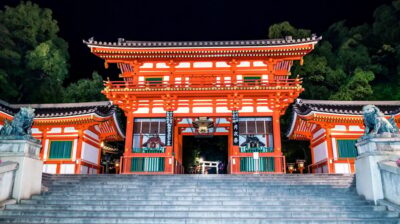
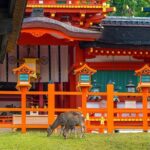
- Yasaka Shrine After Dark: A Shinto Start That Changes the Mood
- Ninenzaka’s Lanes and Slippery Cobblestones Moment
- Hōkan-ji Photo Stop and a Pagoda Lit Up
- Yasui Kompira-Gu Shrine: A Quick Visit That Resets You
- Gion Streets at Night: The Part Most People Skip
- Geisha and Maiko Insights: What the Guide Explains
- Might You See Geisha or Maiko? Here’s the Realistic Expectation
- What to Do After: Drink and Bite Recommendations
- English or French Guidance and Small-Group Energy
- Price and Value: $24 for a Guided Night Snapshot
- Timing, Weather, and Walking Comfort
- Should You Book This Best of Kyoto Night Tour?
- FAQ
- How long is the tour?
- What does the price include?
- Are food and drinks included?
- Where does the tour start?
- What languages are the tours in?
- What if I can’t find the guide or I’m late?
Key points to know before you go
- Lantern-lit Gion beats daytime crowds with a calmer, evening pace
- Shinto and Buddhist stops mix together in a single easy night route
- Geisha-maiko context is explained so sightings (if you get them) feel meaningful
- Photo moments are built in, including a pagoda view at Hōkan-ji
- You’ll get food and drink ideas for after the walk, since nothing is included
- Guides vary by departure, with names like Karim, Kevin, Jannel, Diana, Ben, Amir, Salomé, and Masu showing up in past groups
A Gion Night Walk That Actually Helps You Understand Kyoto

Kyoto is famous for temples, but at night it’s the everyday streets that grab you. This tour focuses on Gion and Higashiyama, walking through the kind of narrow lanes where the lighting turns everything more intimate. Lanterns glow on wooden façades, and the whole district feels less like a postcard and more like lived-in Kyoto.
You also get a cultural framework, not just a checklist of stops. The guide talks about what you’re seeing and why it matters, especially around the world of geisha and apprentice maiko. That matters because the details are easy to miss if you’re wandering on your own.
You can also read our reviews of more tours and experiences in Kyoto.

Where You Meet: Yasaka Shrine Side or Gion Center
Starting points can vary by which option you book, with two common choices:
- Tsuruha Drug Yasaka Shrine Store / FamilyMart
- Kyoto Gion
Either way, you’re setting yourself up for a smooth evening start. The tour is built around walking, not racing across town, so meeting location matters for your mood and energy level.
Practical tip: if you’re having trouble finding the group, use the guide’s shared phone number and call at least ten minutes before the tour begins (WhatsApp is recommended). If you arrive late or can’t locate the guide, refunds aren’t offered, so aim to be early rather than brave.
Yasaka Shrine After Dark: A Shinto Start That Changes the Mood
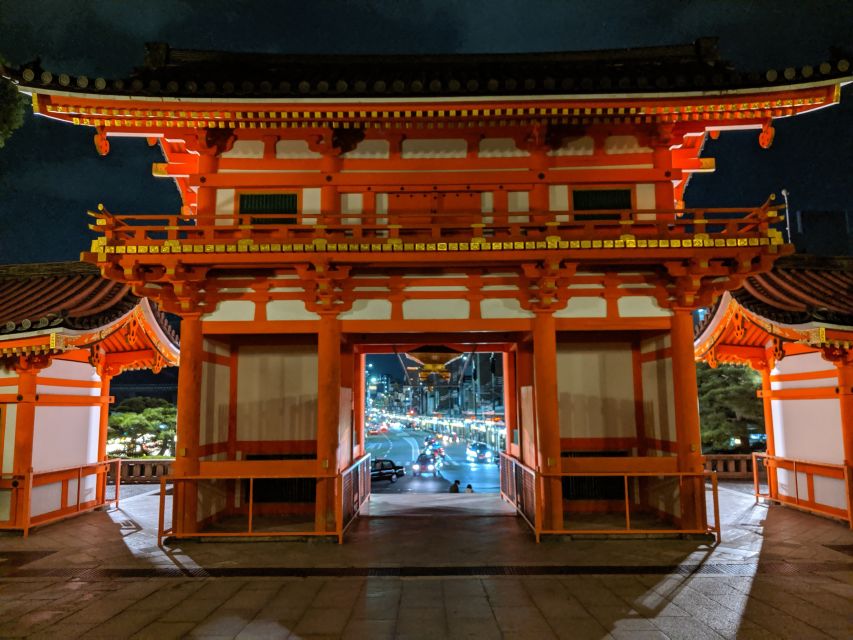
The walk kicks off with Yasaka Shrine, roughly a 20-minute guided stop. Even if you’ve seen shrine gates in daylight, night changes the feel. Lighting and quiet take over, and the visit becomes about atmosphere as much as landmarks.
This is a good first anchor point because it gives you a reference for everything else you’ll see. You’re not just walking for views—you’re walking with context, and the shrine visit sets that tone early.
A small practical note: plan on standing and looking around a bit. If you’re visiting in winter, bring a layer you’re comfortable in for a while outside.
Ninenzaka’s Lanes and Slippery Cobblestones Moment
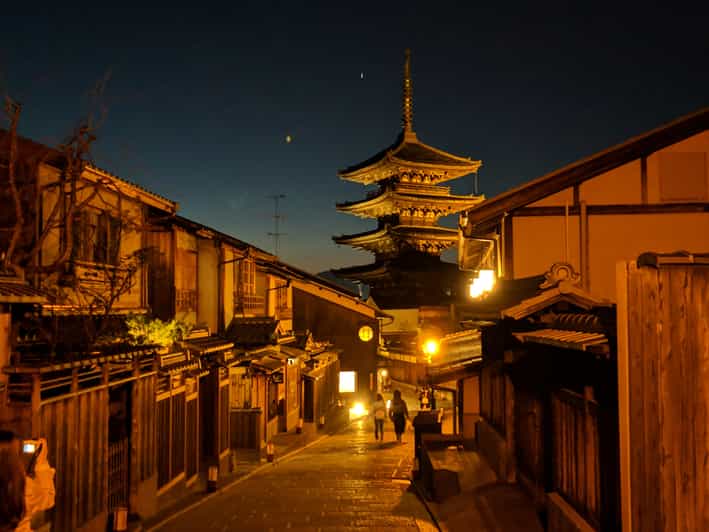
Next comes Ninenzaka (about 20 minutes guided). This is the kind of street you want to walk slowly, not power through. The route is narrow, and the lighting helps bring out texture in buildings and stone, so you’ll naturally slow down for photos and details.
This stop also works as a transition. You go from the shrine’s reflective mood into a lane-walk where you can see how the district breathes at night—quiet, but still active in that background way.
If the streets look a little dark, that’s normal. One of the real-world considerations here is simple: stay aware of uneven footing on cobblestones and worn pathways, especially when it’s cold and you’re moving cautiously.
Hōkan-ji Photo Stop and a Pagoda Lit Up
Then you get a photo stop at Hōkan-ji Temple (about 20 minutes). The big draw is the beautifully lit pagoda look you can catch from the right angle, when the glow does the work for you.
This is also where the tour’s pacing becomes helpful. You don’t get rushed through the moment, and the guide can point out what to watch for so your photos look intentional rather than accidental.
If you’re traveling with a camera, this is usually where you’ll start feeling confident about the lighting. Bring whatever you normally use, but keep a hand free for balance—night photography is fun until you’re juggling gear while walking.
Yasui Kompira-Gu Shrine: A Quick Visit That Resets You
The tour includes Yasui Kompira-Gu Shrine (around 15 minutes). It’s a shorter stop, but that’s part of its value. After temple and street time, this acts like a reset button: you pause again, look again, and let the night rhythm settle in.
Since the guide is explaining customs and how Kyoto traditions show up in daily life, shorter stops can feel more focused rather than filler. You get a feel for what people pay attention to, and how shrines fit into the wider district experience.
Gion Streets at Night: The Part Most People Skip
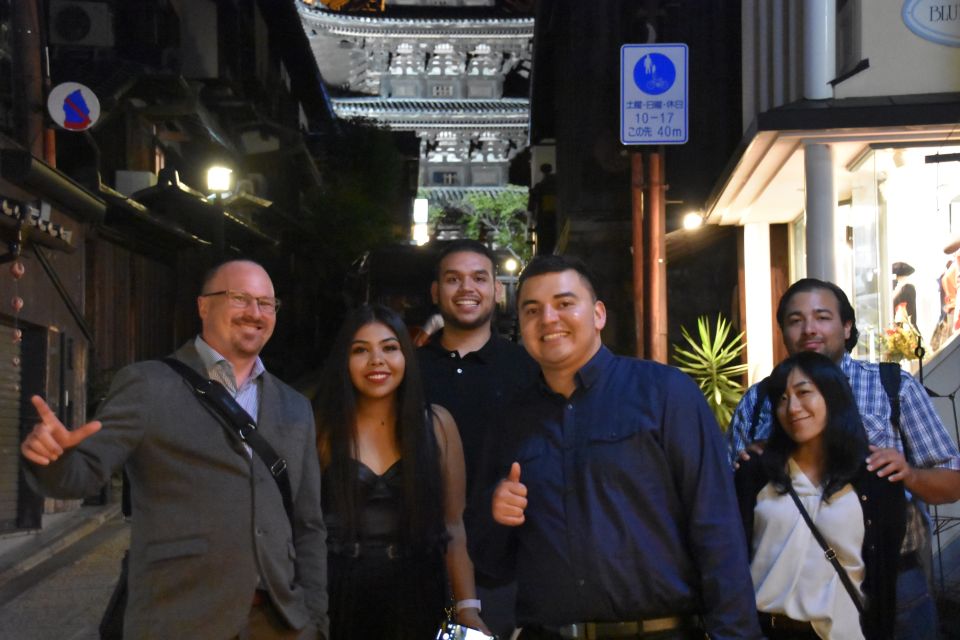
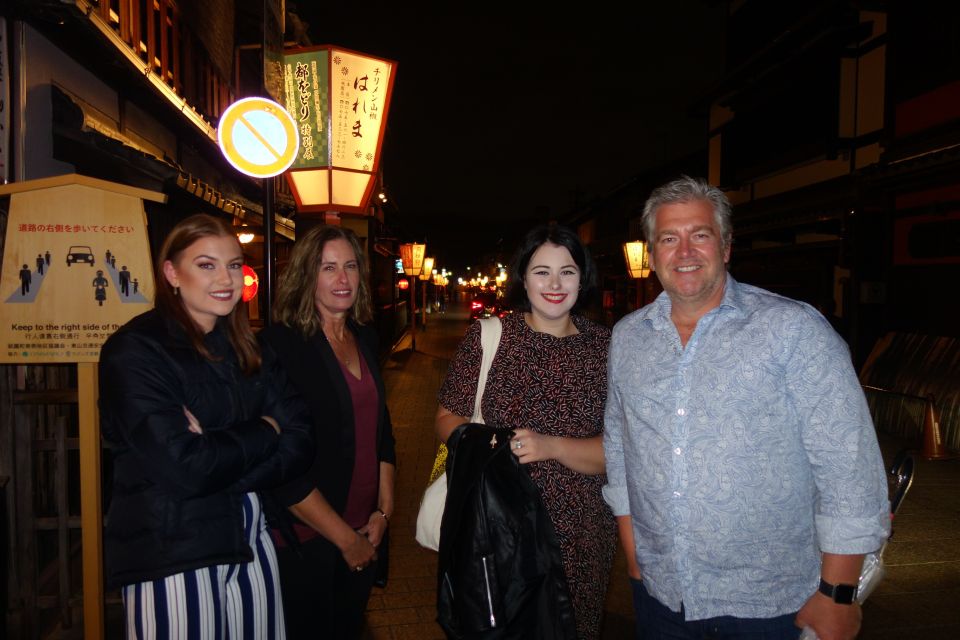
Now you hit the main show: a guided walk through Gion (about 45 minutes). This is the section many people come for, because Gion’s nighttime charm is real—lanterns, wooden storefronts, and streets that are calmer later in the evening.
What I like most is the crowd contrast. Daytime can feel packed. Night makes the district feel like it has edges again, not just endless lines of visitors. That’s why this tour is smart for a first visit: you get a snapshot that doesn’t require superhuman patience.
The guide’s job here is also practical. They point out what’s worth noticing and where to look without stepping into awkward spaces or blocking other pedestrians. It’s not just sightseeing; it’s learning how to move through the district with respect.
Geisha and Maiko Insights: What the Guide Explains
One of the biggest strengths of this tour is that it treats geisha culture with care and clarity. With your guide, you learn about the customs of the geisha world and the role of the apprentice maiko-san.
Why this matters for you: if you don’t understand the basics, it’s easy to turn this into a guessing game. With the explanations, you’ll be more likely to read what you’re seeing—timing, etiquette, and the fact that these are trained roles with traditions behind them.
The guides often mention respect in a very concrete way: how to behave if you spot women in traditional dress, and how not to treat a rare moment like a show. That tone comes up again and again with past guides such as Karim, Kevin, Jannel/Janelle, Diana, and Ben.
Might You See Geisha or Maiko? Here’s the Realistic Expectation
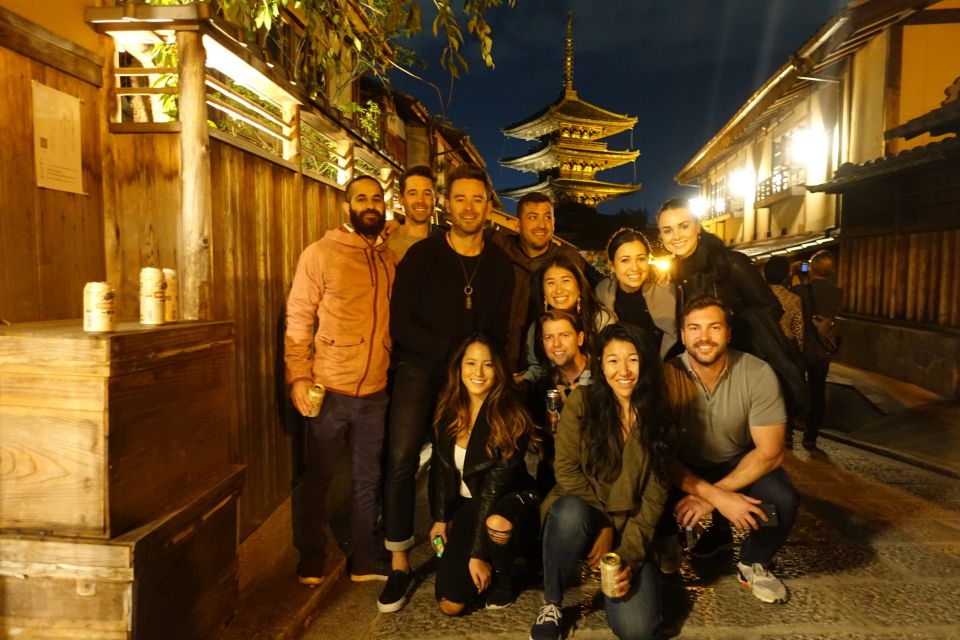
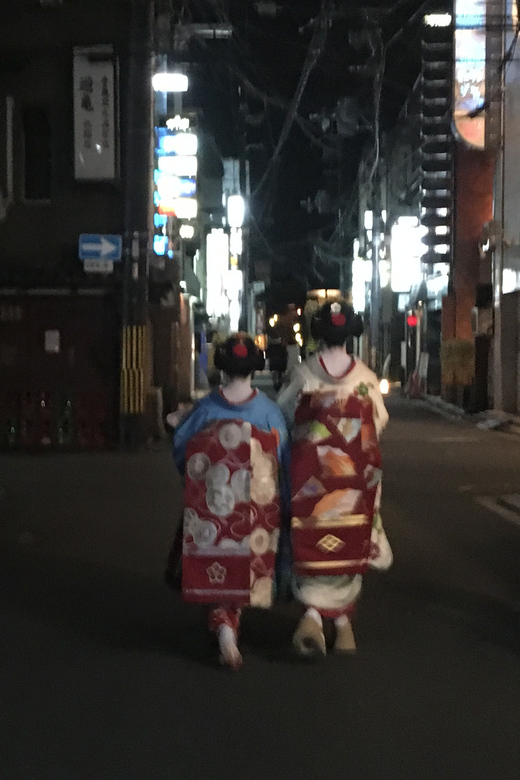
You may catch a glimpse of a few women in full costume toward the end of the tour. The key word is may—because nighttime sightings aren’t guaranteed. The value isn’t only in spotting someone; it’s in understanding what you’re looking at if you do.
If you do see a geiko or maiko, keep it simple: watch quietly, don’t rush closer, and don’t assume you’re entitled to a closer view. The guide helps you stay respectful, which is exactly what you want if this is your first time dealing with Kyoto’s most visible traditions.
What to Do After: Drink and Bite Recommendations
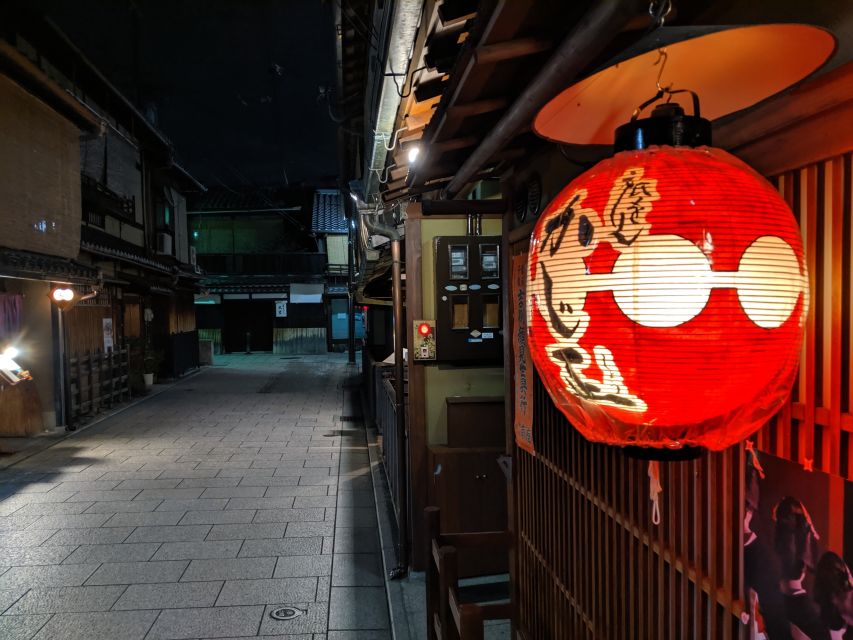
No food or drinks are included, but the tour gives you practical suggestions for where to go next. This is genuinely helpful, because after a two-hour walk your brain is tired and your legs are asking for mercy.
So plan for a follow-up stop. If you’re hungry, pick somewhere easy to reach from the area you end at, and use the guide’s recommendations as a shortcut.
English or French Guidance and Small-Group Energy
The tour is offered with a live guide in English or French. Private or small-group options are available, which tends to mean a more relaxed conversation flow—especially useful when you want to ask questions about etiquette, customs, or what’s going on behind the scenes.
From past group experiences, guides like Karim, Kevin, Jannel/Janelle, Diana, Ben, Amir, Salomé, and Masu are described as engaging and fun while still staying on topic. Even when you don’t see costumed performers, you’ll still come away with a better sense of Kyoto’s cultural logic.
Price and Value: $24 for a Guided Night Snapshot
At about $24 per person for roughly two hours, this tour is priced like a solid evening activity—not a budget bargain, but also not one of those long, expensive experiences. You’re paying for something specific: a guided walk through Gion and Higashiyama at night, plus shrine and temple moments you might not arrange easily on your first evening.
Here’s the value math that works for me:
- You get a route with built-in highlights (shrines, Ninenzaka lanes, Hōkan-ji photo time, then Gion)
- You get cultural context about geisha and maiko customs
- You avoid the worst crowd pressure by doing it later rather than earlier
If you only have time for one evening walk on your first day, this is the kind of tour that helps the rest of your trip click into place.
Timing, Weather, and Walking Comfort
It’s a night walk. That means cold can be real, and you’ll be outside for the full experience. Past groups have noted freezing conditions, so plan accordingly: wear layers you can move in, and choose shoes with good grip.
Also, expect some darker stretches while walking. It’s not unsafe by default, but it does change how you move. Slow down at street corners and keep your phone away unless you’re stopped.
The good news: the tour style is calm and paced for walking, so you’re not sprinting between stops while trying to read street signs in the dark.
Should You Book This Best of Kyoto Night Tour?
Yes, if you want your first night in Kyoto to be more than random wandering. This is a smart way to learn how Gion works after dark, see major sights in a short window, and get respectful context about geisha and maiko culture.
I’d pass or look for an alternative if you strongly dislike night walking in cold weather or you’re uncomfortable moving through darker streets. Otherwise, this is one of the better-value evening options because it mixes atmosphere, specific stops, and cultural explanations without dragging on.
FAQ
How long is the tour?
The tour lasts about 2 hours.
What does the price include?
You get a guided walk of the Gion and Higashiyama districts with a live guide.
Are food and drinks included?
No. Food and drinks are not included, though your guide can offer recommendations for after.
Where does the tour start?
Meeting points may vary depending on the option booked. Common starting points are Tsuruha Drug Yasaka Shrine Store / FamilyMart or Kyoto Gion.
What languages are the tours in?
The tour is available in English and French.
What if I can’t find the guide or I’m late?
You may be given the guide’s phone number. If you have trouble locating the meeting point, call at least ten minutes before the tour begins (WhatsApp is recommended). Late arrivals or inability to find the guide are not refunded.