REVIEW · KYOTO
Kyoto Tea Ceremony & Kiyomizu-dera Temple Walking Tour
Book on GetYourGuide →Operated by MagicalTrip · Bookable on GetYourGuide
Green tea and temple views in one walk. This guided Kyoto experience strings together Kiyomizu-dera (the famous Water Temple) with the street-energy of Kiyomizuzaka and the wish-filled stop at Yasaka Koshin-do. What makes it especially fun is that you’re not just looking at sights; you’re learning why they matter while you move through the neighborhoods.
I’m especially drawn to the contrast: the calm ceremony room later on, after walking past old teashops and sweet shops along the way. And I love the bold visuals of Yasaka Koshin-do, where colorful wish balls hang overhead and you can actually feel the place is built for making a wish. One planning note: there may be a line for the Otowa Waterfall, so your timing there can be a little unpredictable.
After temple time, the tour shifts gears into a hands-on matcha lesson with Japanese sweets, plus a few tastings from nearby eateries. It’s a tight 3-hour route, so you’ll want to go in ready to walk, look, and ask questions fast.
In This Review
- Key highlights you’ll feel right away
- Meeting at Yasaka Shrine and getting oriented fast
- Kiyomizuzaka lanes: teashops, sweets, and the Gion-style vibe
- Yasaka Koshin-do: colorful wish balls you can’t ignore
- Snack stops along the streets: tasting without over-planning
- Kiyomizu-dera: Water Temple views and the Otowa Waterfall luck sip
- Tea ceremony time: matcha, utensils, and a calm room
- What’s included (and why it matters for value)
- The guide factor: why Akiko-style context makes it click
- Practical tips to make your 3 hours feel smooth
- Who should book this Kyoto Tea Ceremony & Kiyomizu-dera walk?
- Should you book this tour?
- FAQ
- Where does the tour start and where do we end?
- What time should I arrive?
- How long is the tour?
- What is included in the price?
- Is the tea ceremony included?
- Are there extra food and drinks to buy?
- Are children allowed?
- Is this tour wheelchair or stroller accessible?
- What about allergies or dietary restrictions?
Key highlights you’ll feel right away
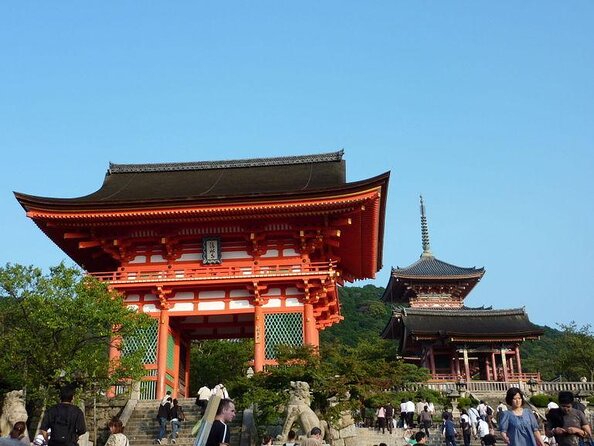
- Kiyomizu-dera on the Water Temple site: built around the Otowa Waterfall area and famous for views from the wooden platform
- Yasaka Koshin-do wish balls: a color-heavy stop that’s made for photos and meaningful pauses
- Matcha-making tea ceremony: you learn the steps and whisk your own green tea with traditional tools
- Kiyomizuzaka street stroll: teashops, sweet shops, and sun-dried food stalls along a classic Kyoto lane
- Included samplings and photos: small food tastes plus guided photo moments, without needing to hunt them down
Meeting at Yasaka Shrine and getting oriented fast
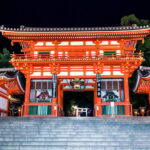
You start at the Yasaka-Jinja Shrine Nishiromon Gate, meeting in front of the statue of Yasaka Shrine. The guide will be holding a board that says MagicalTrip, and you’ll want to arrive about 10 minutes early so the group doesn’t get rushed.
This matters more than it sounds. Kyoto’s sightseeing neighborhoods move at a different speed than big-city tours, and a good first minute helps you get your bearings fast—where to look, where to walk, and which alleys are worth taking your time in.
You can also read our reviews of more walking tours in Kyoto


Kiyomizuzaka lanes: teashops, sweets, and the Gion-style vibe
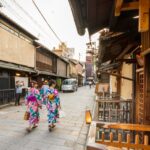
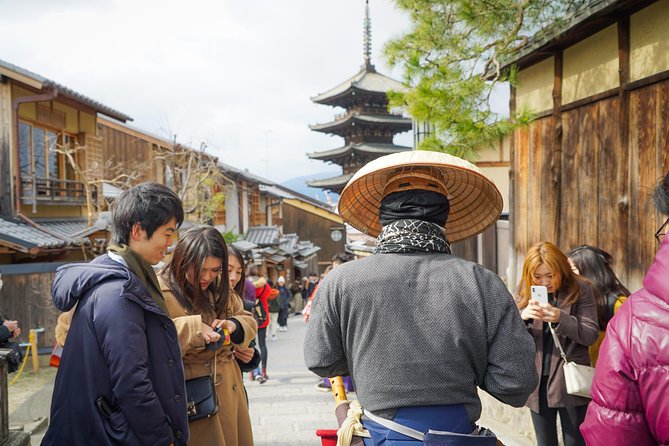
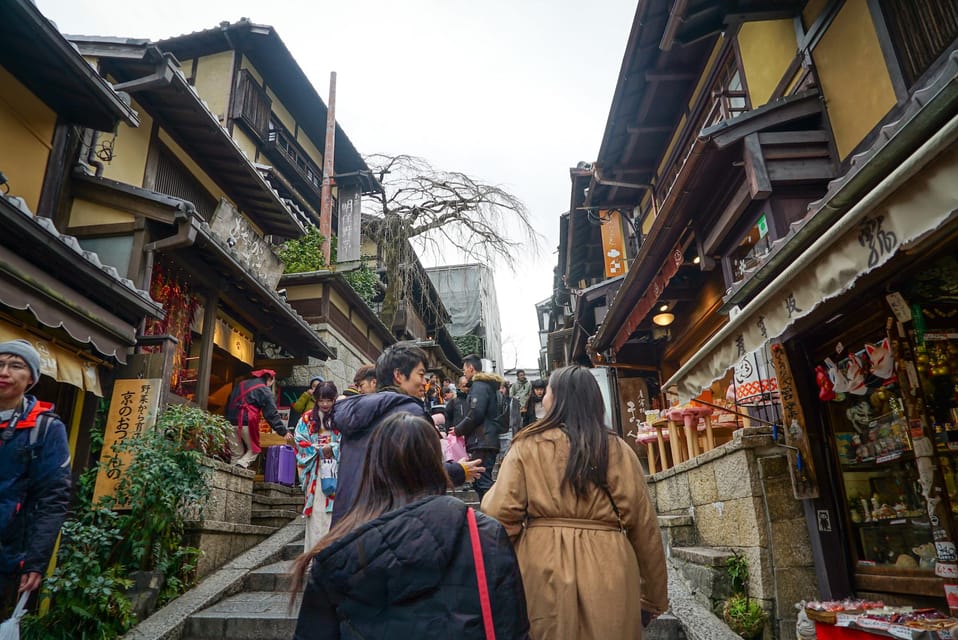
From there, you’ll explore the Kiyomizuzaka area, where the streets keep their old Kyoto feel. You’ll pass teashops and sweet shops, plus traditional sun-dried food stalls—very much the kind of street atmosphere that makes a temple visit feel lived-in, not just monumental.
As you walk, you’ll also notice the Gion-adjacent rhythm of the area. The tour route is described as one where Maiko and Geisha can be seen walking gracefully through the streets, so it’s worth keeping your eyes up—not only on the storefronts.
This is also one of the best parts of the value of the tour. You’re paying for a guided path through the “in-between” places: the side streets, snack stops, and small details that a self-guided walk can miss.
Yasaka Koshin-do: colorful wish balls you can’t ignore
Next comes Yasaka Koshin-do, described as the most colorful photogenic temple in Kyoto. The big visual here is the ceiling full of colorful balls, each with wishes written on them.
Take a minute to look slowly. Those wish balls turn the room into something more personal than a typical temple hall. Instead of only reading signs, you’re seeing a practice—people writing wishes and hanging them overhead—so the space feels active and human.
The guide will help connect what you’re seeing to Japanese religious culture, which is a big reason this stop is more than just a photo break. If you understand the why, the colors mean something beyond decoration.
Snack stops along the streets: tasting without over-planning
After Yasaka Koshin-do, you’ll stop at several eateries along the street and enjoy local snack tastings recommended by your guide. These “few samplings” are included, but extra food and drinks are available for purchase.
This is a smart setup for most people. You get enough to sample Kyoto flavors and get into the rhythm of the neighborhood, without the risk of over-ordering before your main cultural experiences.
Quick tip: bring a bit of cash for extras and souvenirs. The tour is designed around included tastes, but street stalls are often easier to pay for with cash than card.
Kiyomizu-dera: Water Temple views and the Otowa Waterfall luck sip
Then it’s time for Kiyomizu-dera, a UNESCO World Heritage Site and one of Japan’s best-known temples. It’s often called the Water Temple, and here the connection is physical: it’s built on the site of the Otowa Waterfall.
You’ll visit the wooden platform and admire views of cherry and maple trees, plus the city of Kyoto in the distance. Even if the season doesn’t match perfect postcards, the big lesson is the same: the temple’s location makes it a lookout point, not just a building.
Afterward, you’ll reach the Otowa Waterfall area. The tour description includes the chance to drink a cup of its clear water, said to bring good luck. Expect it to be a popular moment, and remember the route notes that there can be a line to visit the Otowa Waterfall.
This is the one place where your “tour pace” can feel different day to day. If there’s a line, you might spend longer in that queue area than you expected, and your photos from the platform might come in a slightly different order. If you’re the type who hates waiting, just treat this as the tradeoff for seeing one of Kyoto’s signature temple traditions.




Tea ceremony time: matcha, utensils, and a calm room
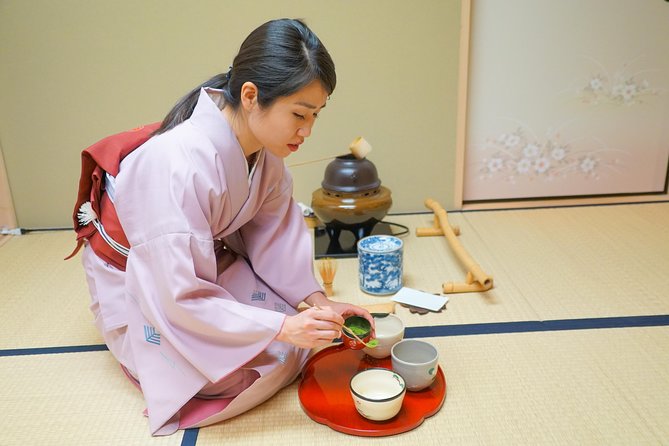
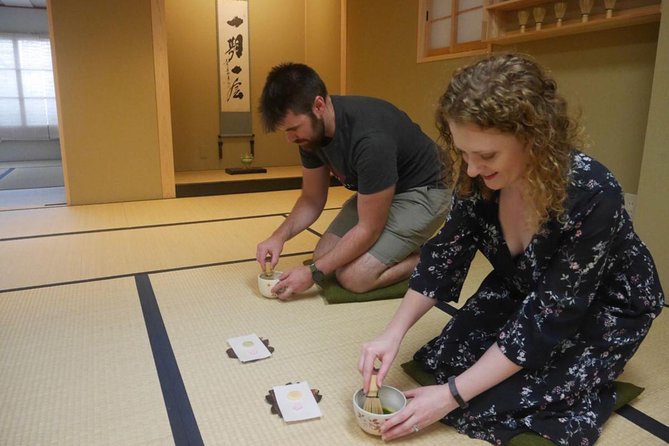
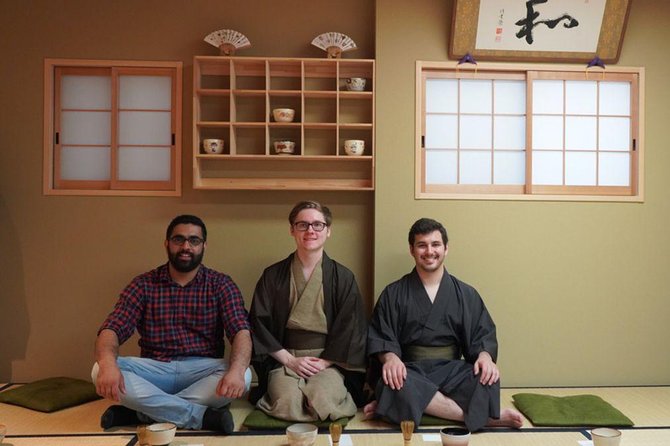
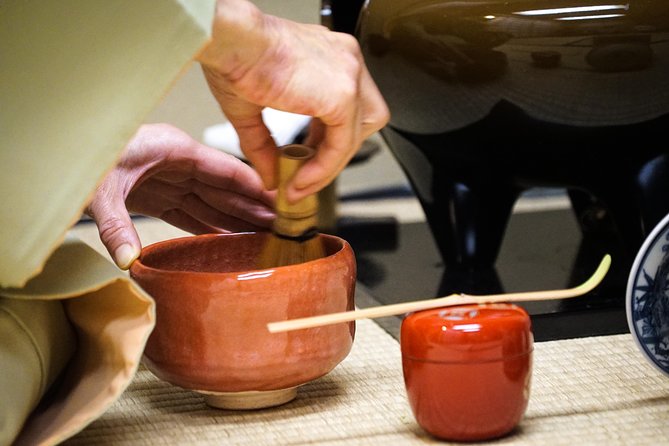
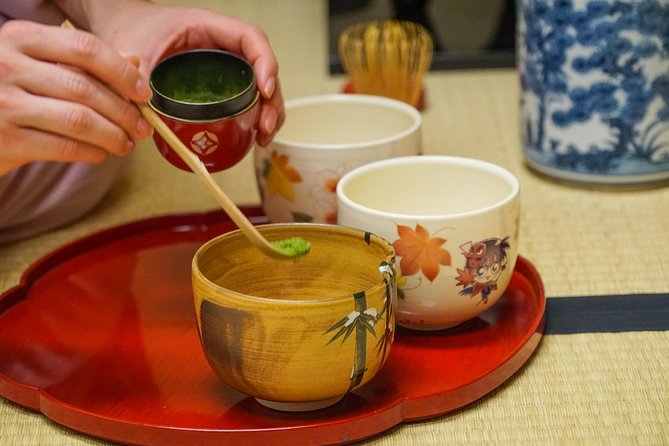
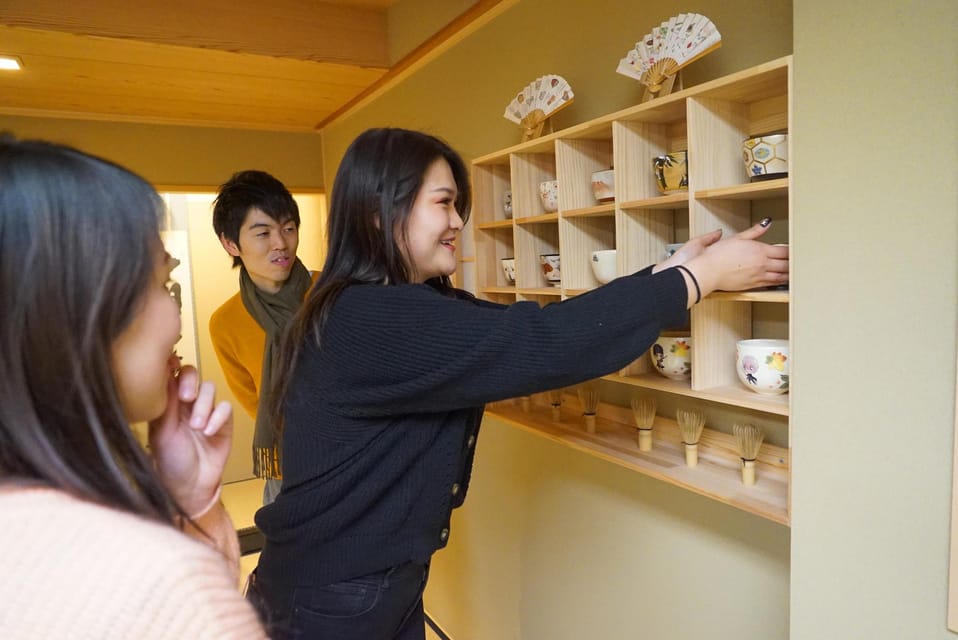
After the temple intensity, the tour shifts to something gentler: a traditional tea ceremony with Japanese sweets. The ceremony happens in a sophisticated room surrounded by tea utensils, and you’ll get to see tools such as a bamboo tea whisk and unique tea bowls.
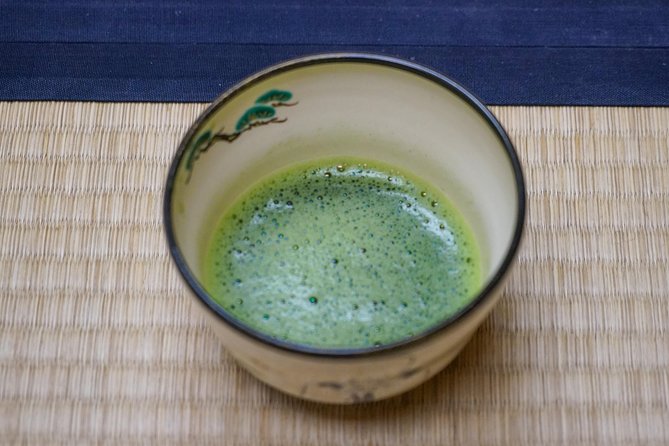
What I like about this kind of included tea class is that it gives you more than a quick explanation. You’ll learn some Japanese phrases and history related to the ceremony, and you’ll walk through the steps of making traditional matcha.
You should expect a slower mood than the street walking. This is your chance to settle your body and your attention. Even if you don’t catch every term, you’ll understand the flow: preparation, whisking, tasting, and the way the utensils create a ritual.
There’s also an important practical note from how the experience can run: timing needs to be handled carefully. In one instance, a timing misunderstanding caused the tea ceremony to be missed, and the guide worked to address it. The takeaway for you is simple—arrive on time at each point, and if your group is running late, speak up immediately so the guide can adjust.
What’s included (and why it matters for value)
The tour is priced at $63 per person for a 3-hour guided experience. That price isn’t just for walking and explanations.
Included items are:
- Kiyomizu-dera temple entrance fee
- Tea ceremony experience
- A few samplings
- Photos during the tour
- A local English-speaking guide
For Kyoto, that combination adds up quickly if you price things separately. Entrance fees, a guided path through Kiyomizuzaka, and a matcha ceremony usually aren’t cheap when booked on their own. Here, they’re packaged with snacks and guided context.
Not included:
- Extra food and drinks (you can buy them along the way)
So if you’re hungry, plan to use the tastings as a foundation, then add what you want at your own pace. That’s a good match for this kind of route because the streets give you options, but your time is limited.
The guide factor: why Akiko-style context makes it click
A guided temple and tea experience can be either “facts” or “story.” From what’s been described, the best part is when your guide connects shrines and temples to what you’re actually seeing around you.
For example, one guide named Akiko was mentioned as especially good at connecting the shrines, temples, and the surrounding history to the walk itself. That’s exactly the difference you want: the route becomes easier to follow, and your photos come with meaning.
At the same time, this is a short tour with several moments that require timing, including the tea ceremony. If a guide is new, the pace can feel slightly cautious at first while they get comfortable with the flow. That doesn’t have to be a problem, but it’s another reason to keep your schedule tight and listen when the group needs to move.
Practical tips to make your 3 hours feel smooth
This is where a little prep pays off.
- Bring water and, in summer, a hat. Japan’s summer can be very hot and humid, and the tour explicitly recommends heat-stroke prevention.
- Plan for walking and stairs. The itinerary includes locations that aren’t accessible by wheelchair or stroller. If mobility is a concern, you’ll want to rethink this route.
- Don’t rely on dietary perfection. The food is prepared in kitchens not belonging to MagicalTrip, and allergy-free or dietary guarantees aren’t provided. If you have dietary requests or allergies, you need to inform them at least one day before the tour.
- Cash helps. The tour recommends bringing some cash for additional food, drinks, and souvenirs.
Also note the tour starts promptly and is designed to keep moving. Kyoto rewards patience, but guided timing still matters when multiple experiences are stacked into 3 hours.
Who should book this Kyoto Tea Ceremony & Kiyomizu-dera walk?
This is a great pick if you:
- Want Kiyomizu-dera without feeling overwhelmed by logistics
- Like guided cultural context, not just check-the-box sights
- Enjoy hands-on activities, especially matcha preparation
- Prefer a focused route that combines temples, streets, and a tea room
You might want to skip or adjust your expectations if you:
- Hate lines and uncertainty. The Otowa Waterfall can have a line.
- Need wheelchair or stroller-friendly access. Some stops aren’t accessible.
- Have strict allergy needs that require guaranteed substitutions. The tour can’t guarantee allergy-free preparation or dietary accommodations.
If you’re traveling with kids, there’s also an age rule: children under 6 aren’t allowed on this tour.
Should you book this tour?
For many people, yes. At $63 for a 3-hour guided combo, you’re getting more than a temple visit—you’re adding a matcha tea ceremony, included tastings, and guided photo moments while someone helps connect Kiyomizuzaka street life to the religious and cultural meaning behind what you’re seeing.
Book this when you want an efficient, memorable loop: street flavors, wish balls, UNESCO temple views, then matcha whisking in a calm room. The main tradeoff is that one or two timed moments—especially around Otowa Waterfall and the tea ceremony—can be sensitive to crowd levels and pacing. If you show up on time, keep an eye on where the group is going, and treat the line as part of the experience, this tour can be a very smart use of limited Kyoto time.
FAQ
Where does the tour start and where do we end?
You meet at Yasaka-Jinja Shrine Nishiromon Gate in front of the statue of Yasaka Shrine. The tour ends back at the same meeting point.
What time should I arrive?
Please arrive about 10 minutes before the activity starts so the group can depart promptly.
How long is the tour?
The tour runs for about 3 hours.
What is included in the price?
The price includes Kiyomizu-dera entrance fee, the tea ceremony experience, a few samplings, photos during the tour, and a local guide.
Is the tea ceremony included?
Yes. The tour includes a traditional tea ceremony where you can make green tea (matcha) and enjoy Japanese sweets.
Are there extra food and drinks to buy?
Extra food and drinks are not included, but they are available for purchase at the street stops.
Are children allowed?
Children under 6 years old are not allowed on this tour.
Is this tour wheelchair or stroller accessible?
Some locations on the itinerary are not accessible by a wheelchair or stroller.
What about allergies or dietary restrictions?
Allergy-free and dietary guarantees aren’t provided because food is prepared in kitchens not belonging to the tour provider. You should inform them at least one day before if you have dietary requests or allergies to mention.