REVIEW · KYOTO
Kyoto: Early Bird E-Bike Tour with Lunch
Book on GetYourGuide →Operated by Cycle Kyoto · Bookable on GetYourGuide
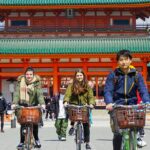
Early rides make Kyoto feel like yours. This early-bird e-bike tour hits major sights before the day crowds lock in, then ties together south and east Kyoto with a coffee stop and a sit-down lunch. It’s built for motion and good timing, with a small-group limit of just 8 people.
I especially like two parts: the chance to see Fushimi Inari at a calmer hour, and the slow, scenic drift along the Path of Philosophy after Ginkaku-ji. You get guided context at temples that can feel chaotic on your own, plus breaks that keep the day from turning into a sprint.
One thing to think about: this is still a bike tour. If you can’t ride comfortably, or you have back issues (or are pregnant), you may want a different Kyoto plan.
In This Review
- Key highlights to know before you go
- Why this early-bird e-bike plan works in Kyoto
- Getting set up at Cycle Kyoto: meet, gear up, and get oriented fast
- Fushimi Inari before it gets loud: the morning start you’ll feel in your legs
- Coffee stop power: when the local café makes the tour feel human
- Ginkaku-ji and the Path of Philosophy: UNESCO, but with room to breathe
- Nanzenji Temple grounds, gardens, and the red brick aqueduct
- Lunch that doesn’t end your day
- Heian Shrine, then Gion by bike: seeing classic Kyoto streets the practical way
- Higashi-Honganji and the ride back to base
- Price and value: what $135 buys you when time matters
- What it feels like to be with the guide (and why that matters)
- Who should book this Kyoto e-bike tour
- Should you book it? My call
- FAQ
- How long is the Kyoto early-bird e-bike tour?
- What’s included in the price?
- Is pickup from my hotel included?
- Where do I meet the group?
- Is the tour guided in English?
- What should I bring?
- Is smoking or alcohol allowed during the tour?
- Can I cancel for a refund?
Key highlights to know before you go
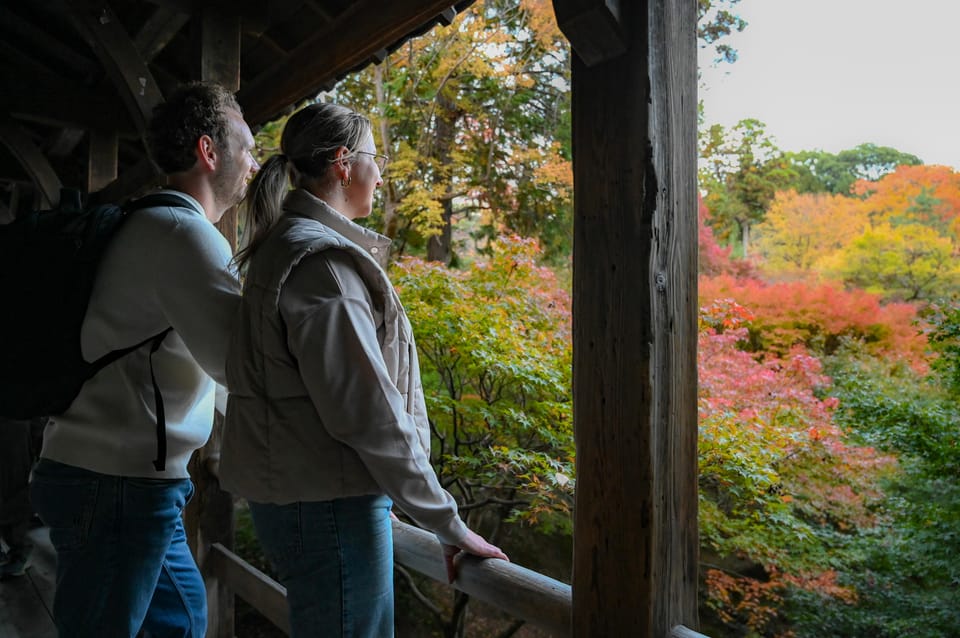
- Fushimi Inari Taisha before the crowd surge with a guided walk that keeps your footing and focus
- Ginkaku-ji and the UNESCO-listed Path of Philosophy timed for a smoother, quieter experience
- Coffee at a guide favorite local café plus water throughout, so you don’t scramble for fuel
- Nanzenji Temple grounds and gardens, including a look at the red brick aqueduct
- Shirakawa Canal and Gion streets for classic Kyoto scenes while staying on an efficient route
- Small group pacing (8 max) helps the guide manage stops and keep the day feeling doable
Why this early-bird e-bike plan works in Kyoto
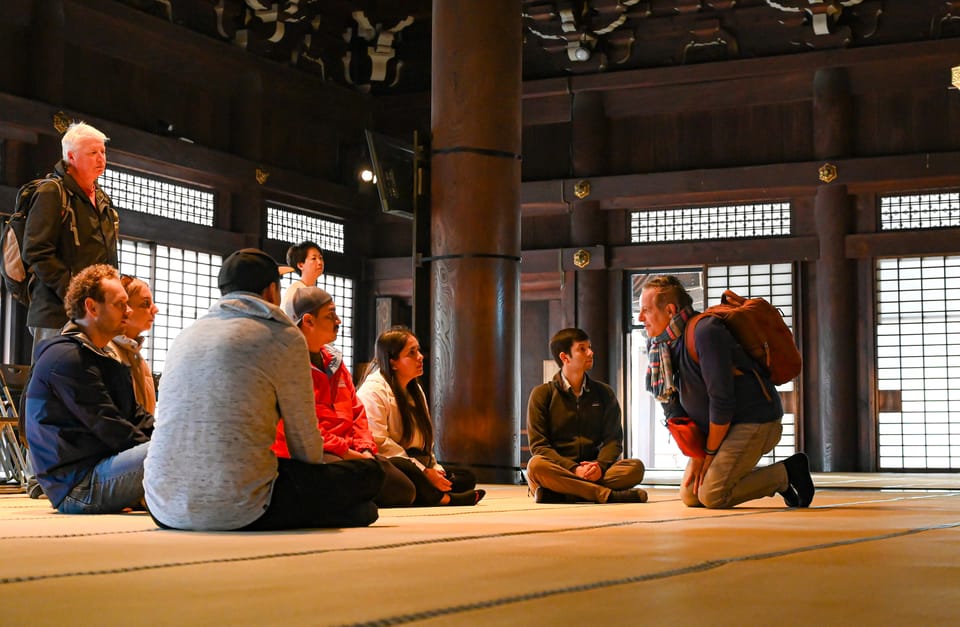
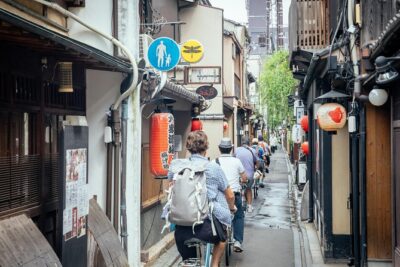
Kyoto looks best in the morning. Not because the temples are secret, but because the crowds arrive in waves and they change the entire feel of a place. Starting early lets you walk under gates, through shrines, and along temple grounds with room to breathe, rather than fighting for photo angles.
What I like here is the mix of big names and smart timing. You’re not just ticking boxes—you’re riding between areas, then getting guided time at the places that deserve your attention. The route also makes sense geographically, saving you from backtracking across the city.
The other win is how the e-bike changes your day. You still walk some parts, but you’re not spending seven hours grinding up hills on a manual bike. That matters in Kyoto, where elevation changes show up when you least expect them.
You can also read our reviews of more cycling tours in Kyoto
Getting set up at Cycle Kyoto: meet, gear up, and get oriented fast
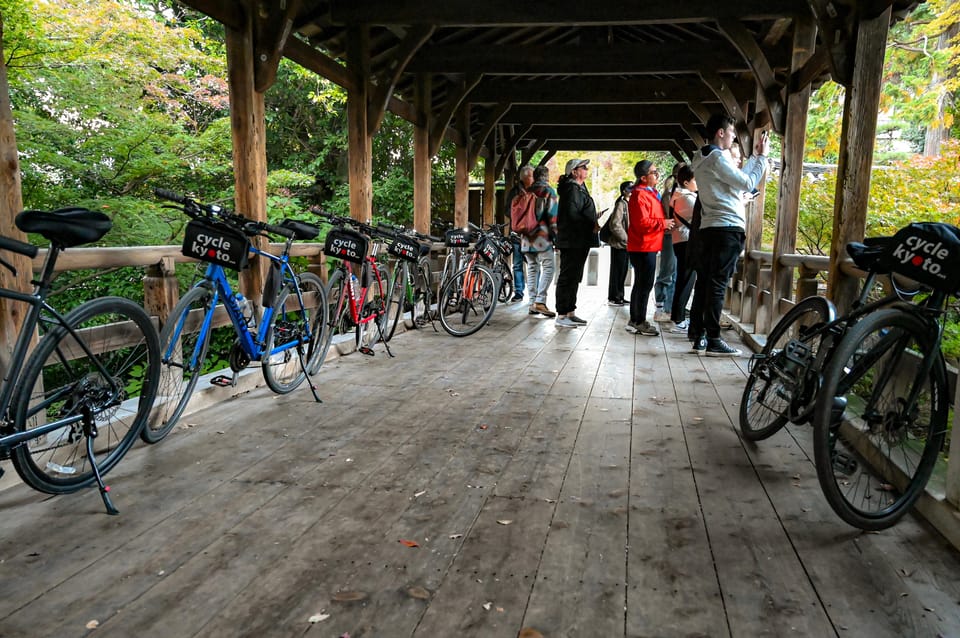
You meet at Cycle Kyoto, starting from JR Kyoto Station. The directions are straightforward: walk past Avanti, cross the traffic lights, pass the Daily Yamazaki convenience store, then take the next left. Arrive about 15 minutes early so you can get your bike set and feel ready before the safety briefing.
Plan on a short orientation and safety briefing first, then you’re on the move. Helmets and e-bikes are included, and the tour also provides water. That’s a practical combo because it removes two common problems on day tours: forgetting gear and showing up tired.
Bring comfortable shoes you don’t mind walking in, and dress for cool mornings even if Kyoto warms up later. The tour notes warm clothing, a hat, sunscreen, and even gloves. If you’ve ever regretted leaving gloves in your hotel, this is the time to remember why.
Fushimi Inari before it gets loud: the morning start you’ll feel in your legs
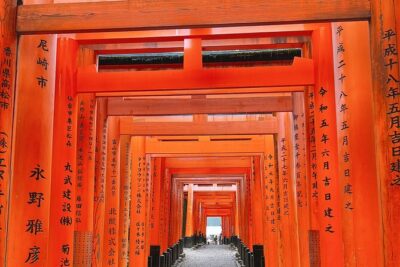
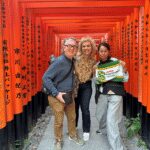
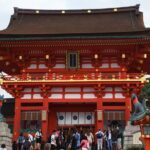
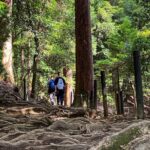
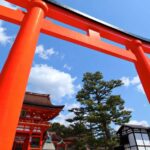
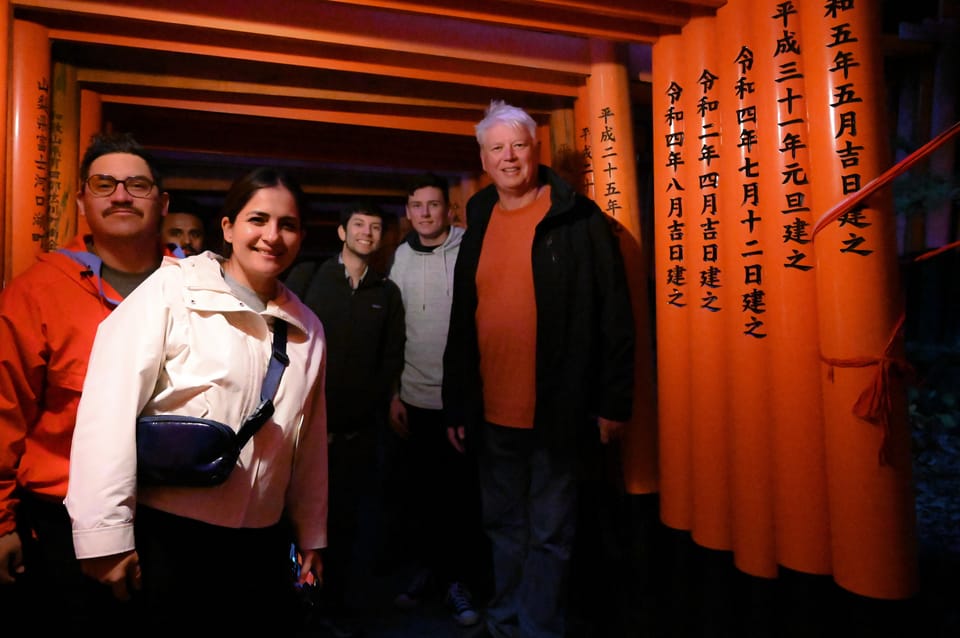
The day’s momentum starts with Fushimi Inari Taisha. You get a guided visit for about 45 minutes, and the big advantage is when you go. Early means you’re much more likely to enjoy the shrine’s rhythm without constant weaving through large groups.
You’ll also be better positioned to enjoy the walk itself. Inari’s famous lanes are photogenic, yes, but they’re also a place where flow matters. Going early helps you keep your pace, stop when something catches your eye, and get oriented without rushing.
After the shrine, the tour heads to the Kamo River area for a visit. This is a nice contrast: less temple, more open city air. It’s also a good moment to reset, since you’ll want your energy for later temple walking and riding.
One small practical note: you’ll still be biking between stops, so treat the first segments as your warm-up. By the time you reach later sights, your legs will be ready.
Coffee stop power: when the local café makes the tour feel human
Between major sights, the tour builds in a café break—about 20 minutes at a local spot, with morning coffee included. This isn’t just a perk. It’s the kind of timing that keeps you from getting that midday slump where all you want is to sit down and stop moving.
I like that the coffee stop is guided by the route. You don’t lose time hunting for a place that matches your taste and budget. Instead, you get a reliable break that fits the schedule you’re on.
This is also where the small-group format helps. With fewer people, it’s easier to keep the ride and transitions smooth. You can grab your drink, get comfortable, and then get rolling again without feeling like you’ve been left behind.
Ginkaku-ji and the Path of Philosophy: UNESCO, but with room to breathe
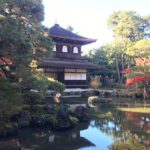
Next comes Ginkaku-ji, with about an hour of guided time. This is the part of the tour where the guide earns their fee: you get commentary that helps you read what you’re seeing, not just where to take photos. You’re not stuck trying to interpret everything alone while the crowd presses in behind you.
After Ginkaku-ji, the tour rolls slowly south along the Path of Philosophy. This is the kind of Kyoto moment that’s easier to enjoy when your timing is right. The tour’s early-bird approach helps keep the path from feeling like a packed corridor, so you can actually take in the views and the slow rhythm of walking.
You’ll get a short visit segment along the way as well, before heading into the grounds at Nanzenji Temple. That transition matters. It keeps your day connected: you move from one iconic scene to the next without large gaps where you’re wandering or guessing.
If you like structure but still want some freedom to look around, this pacing hits a sweet spot.
You can also read our reviews of more tours and experiences in Kyoto
Nanzenji Temple grounds, gardens, and the red brick aqueduct
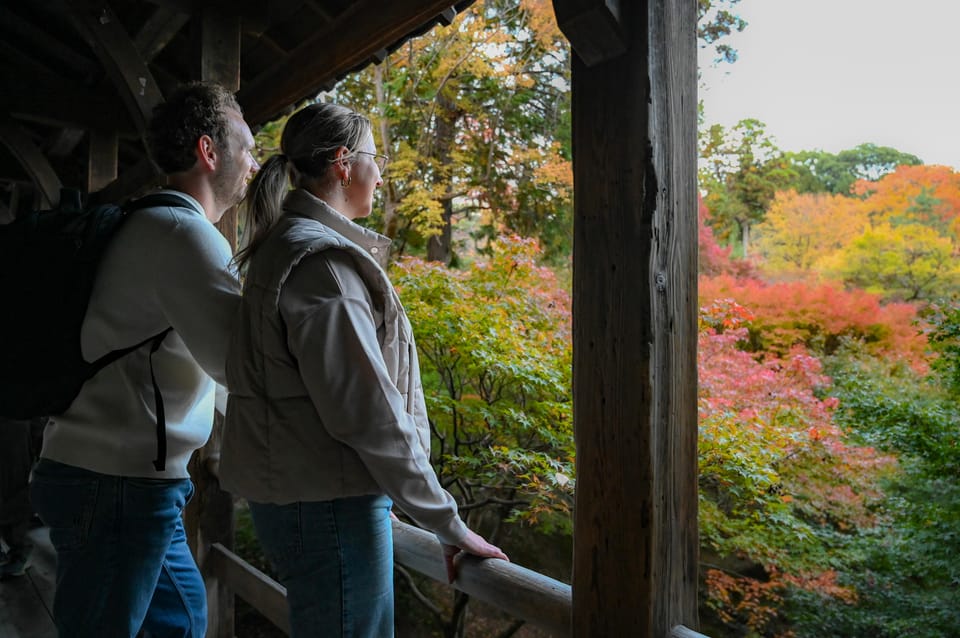
Nanzenji is one of those Kyoto stops where the architecture and the atmosphere feel separate from the most crowded areas. You get about 35 minutes with a guide here, plus time to explore the grounds and traditional gardens.
The tour specifically highlights the red brick aqueduct on-site, which is a striking visual change from the temple-only postcard look. It gives you a moment where you can pause and just look—an unusual sight mixed into a religious complex.
The best way to enjoy Nanzenji is to slow down without getting stuck. You’ll have guided direction, but you’ll also want moments to stand back, take photos, and notice how the space is laid out. Gardens in particular can reward that kind of attention, especially when you’re not fighting a crowd.
Also, consider what you’re wearing here. You’ll likely be on and off the bike and doing short walks. If your shoes are too soft or slippery, this is when you’ll feel it.
Lunch that doesn’t end your day
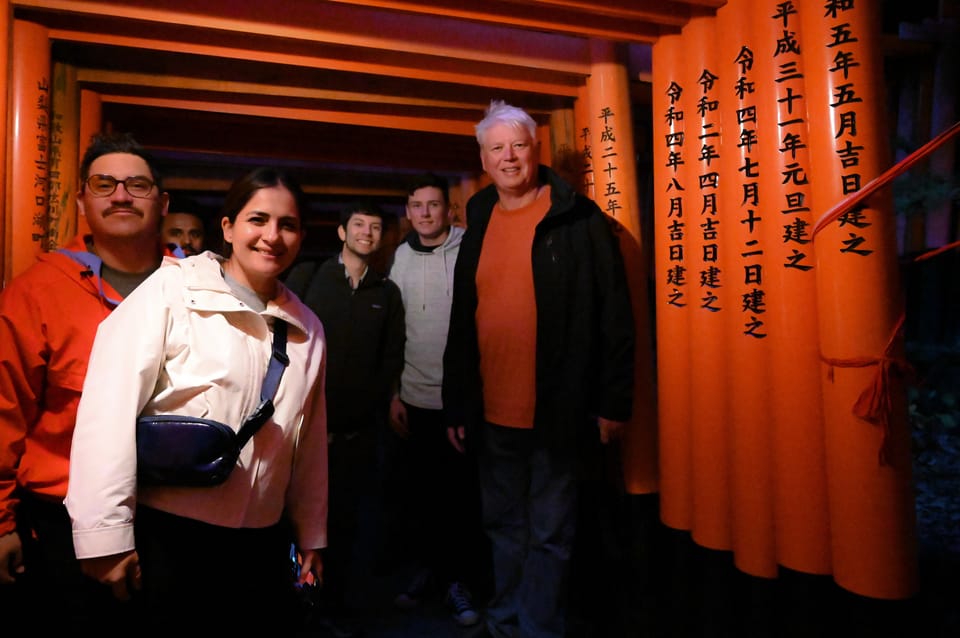
After Nanzenji, you get a sit-down lunch break for about 40 minutes at a local restaurant. Lunch is included, and it’s another key part of why this tour feels complete. In a packed sightseeing day, food becomes a time sink if you’re searching for a place on your own.
Because lunch is scheduled after a temple stop, it also works as a stamina reset. You’ll likely be ready to eat and recharge without feeling like the tour is forcing you to stop too early or too late.
The schedule is designed so lunch doesn’t kill the flow. After you eat, you still have enough time for more sights, and you won’t feel like the day is already over by the time you reach Gion.
Heian Shrine, then Gion by bike: seeing classic Kyoto streets the practical way
The tour includes a visit to Heian Shrine (about 30 minutes). This stop gives you another Kyoto setting that feels distinct from the temple clusters earlier in the day. It’s a chance to break up the “walk inside a famous complex” pattern and keep the day from feeling repetitive.
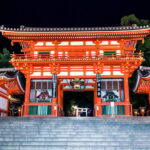
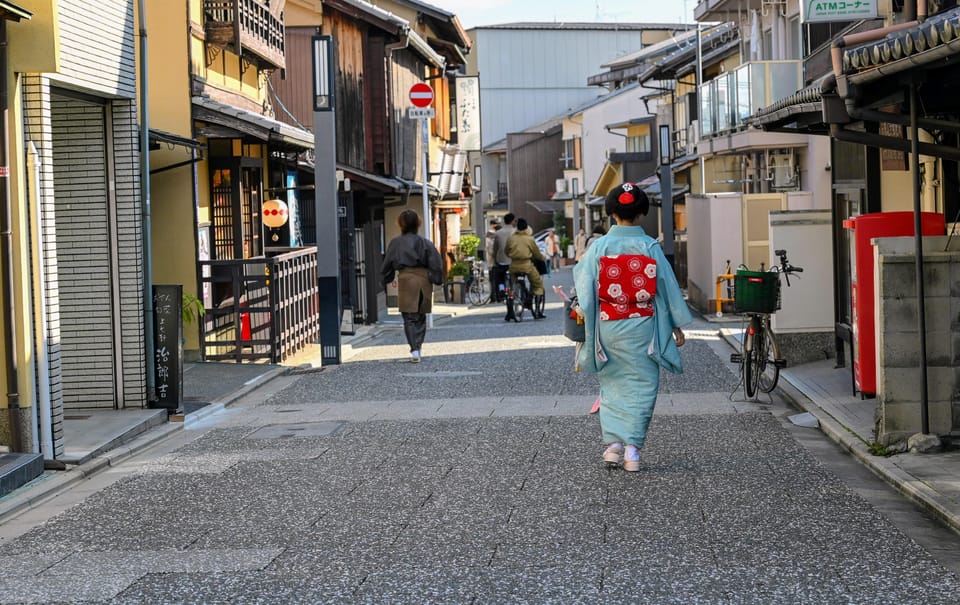
From there, you ride into Gion. You get a guided tour there for about 50 minutes, and the route also ties in a ride along the Shirakawa Canal. This combination is smart: you’re not only seeing the famous streets, you’re approaching them from the angle that Kyoto actually rewards—movement plus viewing.
Gion can be packed in the late morning and afternoon. Here, the early timing helps keep it more manageable. That means you’ll spend more time looking at details and less time sidestepping people around you.
One more thing I appreciate: the tour uses biking to connect areas efficiently, so you’re not spending your precious daylight time on transit lines and transfers.
Higashi-Honganji and the ride back to base
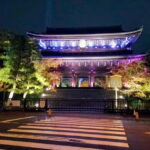
The final stretch brings you to Higashi Honganji Temple for about 50 minutes guided. You’ll arrive at the gates and then do the guided portion with time to take in the surroundings.
This ending works because it feels like a full close to the day: your final temple stop lands you back in Kyoto’s spiritual core before you head back to Cycle Kyoto. The ride itself is part of the experience—Kyoto is best experienced as a sequence, not a set of isolated points.
By the time you roll back, you’ll also have a clearer sense of where you want to spend extra time on a return visit. A well-designed tour doesn’t just show you places; it helps you decide what you want to revisit later, under your own pace.
Price and value: what $135 buys you when time matters
At $135 per person for a 7-hour tour, you’re paying for more than access to attractions. You’re paying for an e-bike rental, helmet, morning coffee, a sit-down lunch, water, and a live English guide. That bundle can be great value if you’d otherwise pay for bike rental and try to coordinate two meals and multiple transit segments yourself.
The small-group limit of 8 also changes the math. It’s not a huge crowd operation where you lose your guide every five minutes. It’s easier to ask questions, get help with pacing, and keep your day from turning into a blur.
And because the itinerary is built around morning timing—like Fushimi Inari before the crowds and the UNESCO sights earlier in the day—you’re also buying back time and comfort. In Kyoto, that’s often worth more than any single attraction.
You should still treat this as an active day. If you expect a leisurely stroll with no hills or riding at all, this won’t match your pace. But if you want a lot of Kyoto in one shot, without exhausting yourself, it’s priced like a practical solution.
What it feels like to be with the guide (and why that matters)
This tour is led by an English-speaking live guide, and the on-the-ground difference is noticeable. In the past, guides such as Julian, Indra, Carl, and Karl have been specifically mentioned for being upbeat and for sharing practical Japan context, not just site names.
That kind of guidance makes a difference at places where you’d otherwise rush. It also helps you understand what to focus on during temple time, and how to move efficiently between stops without missing the best viewpoints.
If you care about learning while sightseeing, you’ll probably appreciate how the tour blends walking and “how to look” moments rather than turning into a lecture. Short stops are timed, and your coffee and lunch are part of the rhythm, not tacked on.
Who should book this Kyoto e-bike tour
This tour makes the most sense if you want to cover a lot of famous Kyoto areas in one day and you’re comfortable riding a bike. The e-bike helps, but you should still expect real biking time and some walking at temples.
It’s a good match for:
- First-time visitors who want south and east Kyoto highlights in one coherent route
- People who want early access to Fushimi Inari and key UNESCO areas
- Travelers who prefer structured stops plus short breaks for coffee and lunch
It may not be right for:
- People who can’t ride a bike
- Anyone with back problems
- Pregnant travelers
- Anyone who expects a fully relaxed pace with minimal movement
Should you book it? My call
Yes, I’d book this if you want an efficient, early-day Kyoto plan that mixes big sights with smart pacing. The combination of Fushimi Inari early, guided time at Ginkaku-ji and Nanzenji, plus Shirakawa Canal and Gion in the same day is exactly the kind of itinerary that makes a short Kyoto stay feel longer.
Just be honest about your comfort level. If biking and hills stress you out, or you’re not comfortable on a bike, this will feel like work. If you can ride comfortably, though, you’ll get a lot of Kyoto with less hassle than trying to self-plan every leg.
If you’re the type who likes to see the city before it gets crowded, this tour fits your style.
FAQ
How long is the Kyoto early-bird e-bike tour?
The tour runs for 7 hours.
What’s included in the price?
It includes an e-bike rental, helmet, morning coffee, sit-down lunch, a live English tour guide, and water.
Is pickup from my hotel included?
No. There’s no hotel pickup or drop-off.
Where do I meet the group?
Meet at Cycle Kyoto. From JR Kyoto Station: walk past Avanti, cross the traffic lights, walk past the Daily Yamazaki convenience store, then take the next left.
Is the tour guided in English?
Yes, the live guide speaks English.
What should I bring?
Bring comfortable shoes, warm clothing, a hat, camera, sunscreen, and comfortable clothes. Gloves are also suggested.
Is smoking or alcohol allowed during the tour?
Smoking is not allowed, and alcohol and drugs are not allowed.
Can I cancel for a refund?
You can cancel up to 24 hours in advance for a full refund. The tour also offers reserve now & pay later.