REVIEW · KYOTO
Kyoto Fushimiinari:Wagashi Making & Small Group Tea Ceremony
Book on GetYourGuide →Operated by iroHa cooking studio · Bookable on GetYourGuide
Quiet tea time beats temple crowds. In the Kyoto Fushimi Inari area, this small-group class takes you out of the street noise and into a local Japanese home with garden views, where hands-on wagashi and calm tea manners go hand in hand.
What I like most is that you don’t just watch. You learn to make wagashi in a real kitchen setting, then you move into an authentic tatami room for a tea ceremony guided in clear English. The only real catch is comfort: you’ll spend time seated on the floor, and while chairs/tables exist if needed, this experience is not for wheelchair users and kids must be at least 8.
In This Review
- Kyoto’s Fushimi Inari Calm: A Local House, Not a Factory Tour
- Hands-On Wagashi Making: What You Learn in the Kitchen
- You’ll learn the steps, not just the result
- The joy part: you’ll eat what you made
- A real comfort point from the experience
- Tea Ceremony Etiquette in an Authentic Tatami Room
- How the ceremony teaches you to slow down
- Matcha with Two Bowls: One You Whisk Yourself
- You’ll drink two bowls of matcha
- The instructor model, then your turn
- What you’ll notice in the cup
- Small Group Value: 75 Minutes That Actually Feel Complete
- Price and Logistics: Is $55 Worth It in Kyoto?
- What’s not included (plan around it)
- Socks and rules affect the experience
- What to Bring, Wear, and Know Before You Go
- Who This Wagashi and Matcha Class Is Perfect For
- You might want to skip it if…
- Should You Book This Kyoto Wagashi and Tea Ceremony?
- FAQ
- How long is the Kyoto Fushimi Inari wagashi and tea ceremony experience?
- What will I learn to make during the class?
- How much matcha is included?
- Is the class taught in English?
- What should I bring and wear?
- Is hotel pickup or drop-off included?
Kyoto’s Fushimi Inari Calm: A Local House, Not a Factory Tour
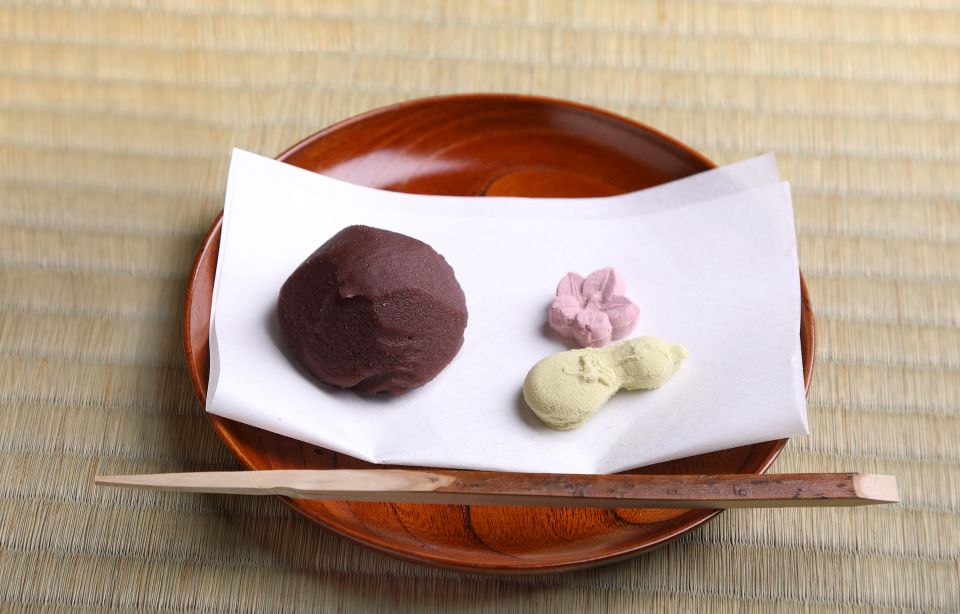
This is the kind of Kyoto experience that feels like someone invited you over—because that’s exactly the setup. You arrive at a private-style home, and an English-speaking host welcomes you and guides you toward the kitchen. Instead of a scripted, back-to-back tourist flow, the mood is quiet and personal from the first moment.
A standout detail here is the setting. You’re not in a studio with rows of stations. You’re in Japanese-style rooms with a garden view, plus a small outdoor moment built into the flow. It’s designed to help you slow down. Even if you’ve been bouncing between shrines, you’ll feel the change in pace as soon as you step inside.
Another thing that matters: the class is small. With a limit of 6 participants, you get real instruction and you can actually ask questions when something is unclear—especially useful if this is your first tea ceremony.
One more practical note: it’s set up around a short garden walk when the weather allows (the plan includes going outside when it is not raining). So you’re getting both an indoor ritual and a little bit of nature without turning it into a long hike.
Hands-On Wagashi Making: What You Learn in the Kitchen
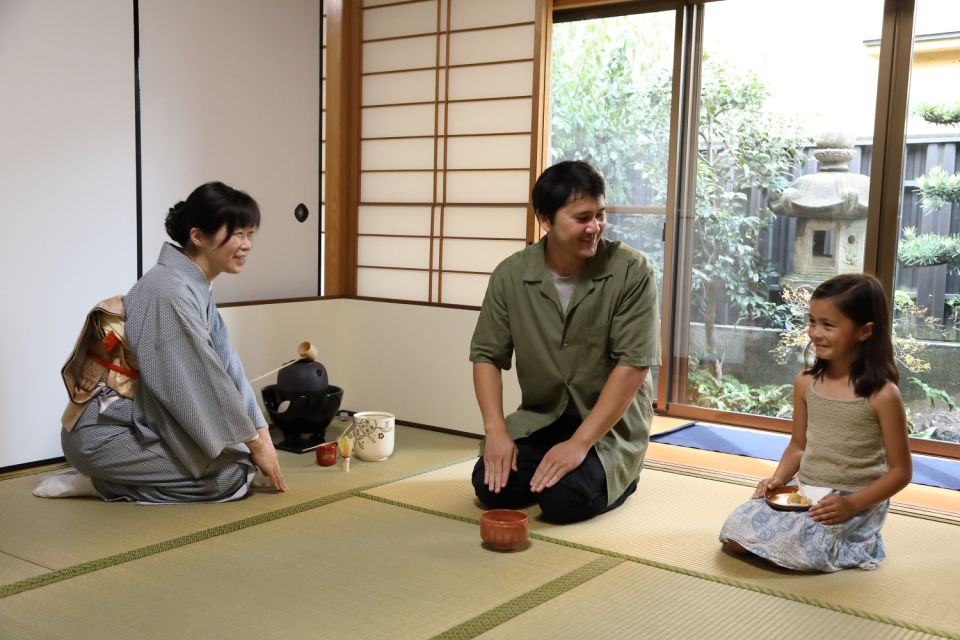
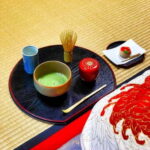
The main event starts right in the kitchen. You’ll learn how to make one kind of wagashi (Japanese sweets) there, and it’s hands-on—not a show where you just stand and watch.
You can also read our reviews of more tours and experiences in Kyoto.


You’ll learn the steps, not just the result
You’ll focus on one specific wagashi type during the class. Your workshop includes enough guidance to get the process right, even if you have zero kitchen experience. The best part is that you’re making something you can describe afterward in simple terms: ingredients, shape, and basic technique.
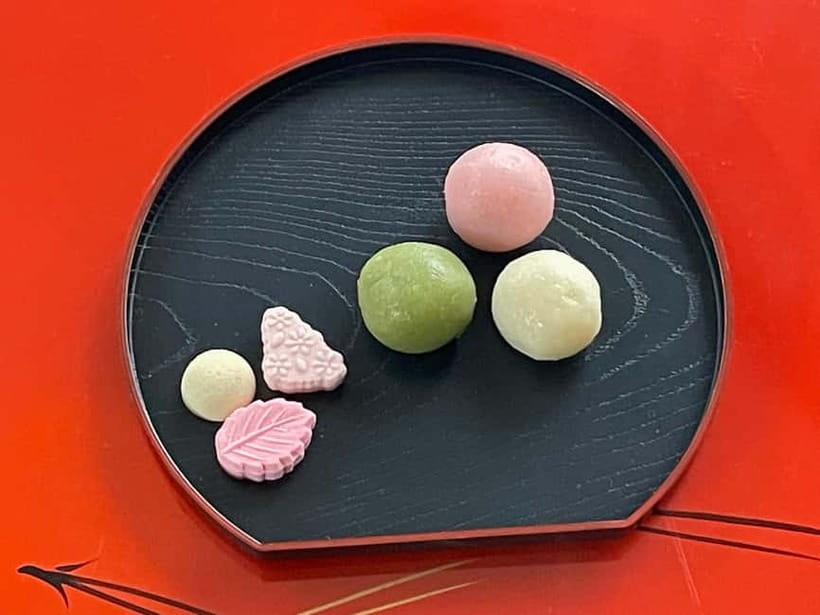
And yes, the exact sweets may vary by season. That’s normal for wagashi, and it can actually be a bonus. Different seasonal sweets can mean different textures, flavors, and presentation style—so you aren’t walking away with something mass-produced.
The joy part: you’ll eat what you made
After wagashi prep, the flow continues straight into the tea ceremony portion. You’ll savor Japanese sweets you made, while the instructor explains how to eat them properly with the tea. That pairing turns the class into more than a craft session. It becomes a small cultural experience you can actually taste.
A real comfort point from the experience
The class style is friendly and not overly strict. You’re encouraged to participate at your own pace. If you’re the type who gets nervous when rituals feel formal, this is structured to help you join without feeling like you’re being graded.
Tea Ceremony Etiquette in an Authentic Tatami Room
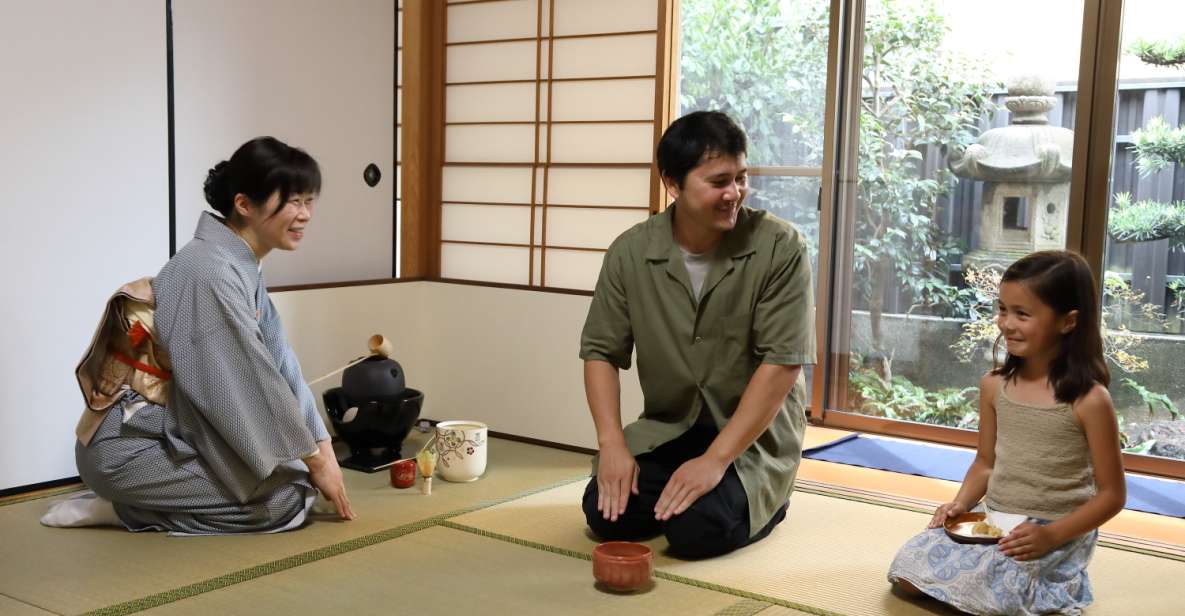
Once wagashi is done, you shift from “making” to “doing.” The tea ceremony starts with a short setup phase where the host explains how to attend and the manners you’ll use during the session.
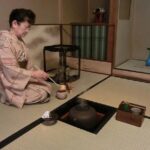
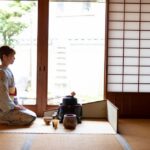
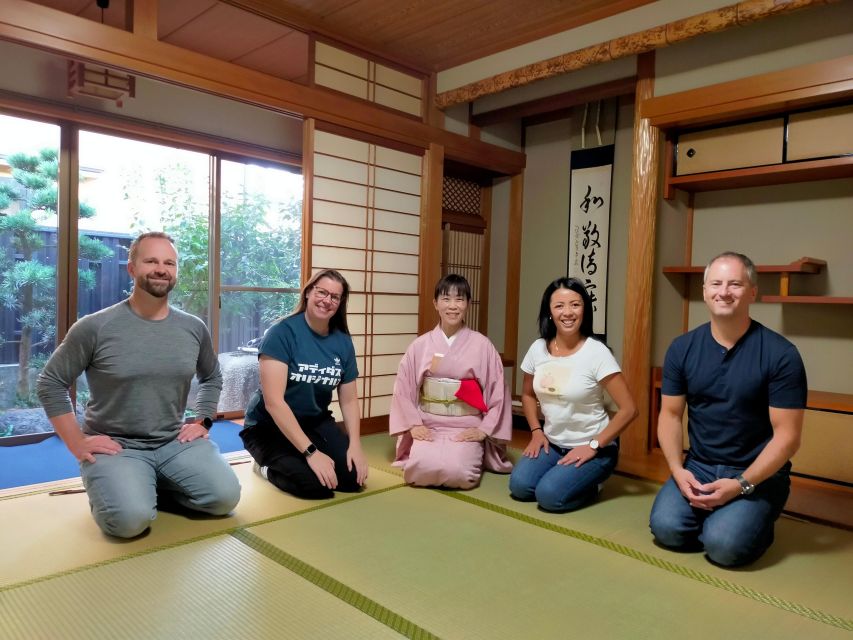
Then you’ll move outside for a brief garden walk (weather permitting) and enter an authentic Japanese-style room. After you sit on tatami floor mats, the instructor explains key context you might not get elsewhere, including:
- a quick history and meaning behind tea ceremony
- the purpose of utensils and steps in the ritual
- the meaning of the hanging scroll in the alcove (tokonoma)
That last part is worth calling out. Many visitors see the scroll and treat it as decoration. Here, you get the explanation for what it represents in that room setting. It helps you read the ceremony as a whole, not just the matcha part.
How the ceremony teaches you to slow down
The most practical value of the etiquette portion is that it gives you actions to follow. You learn when to pause, where to look, and how to handle your role in a shared ritual space. Even if you don’t memorize every detail, you’ll understand the spirit: calm attention.
And because the instruction is in English, it doesn’t turn into “guess the rules.” You can participate without feeling lost.
Matcha with Two Bowls: One You Whisk Yourself
Tea ceremony is always about matcha, but this class gives you more than one way to experience it.
You’ll drink two bowls of matcha
The included package includes 2 bowls of matcha:
- one bowl that the instructor prepares as part of the ceremony
- another bowl that you prepare yourself
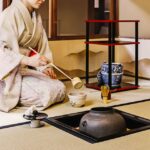
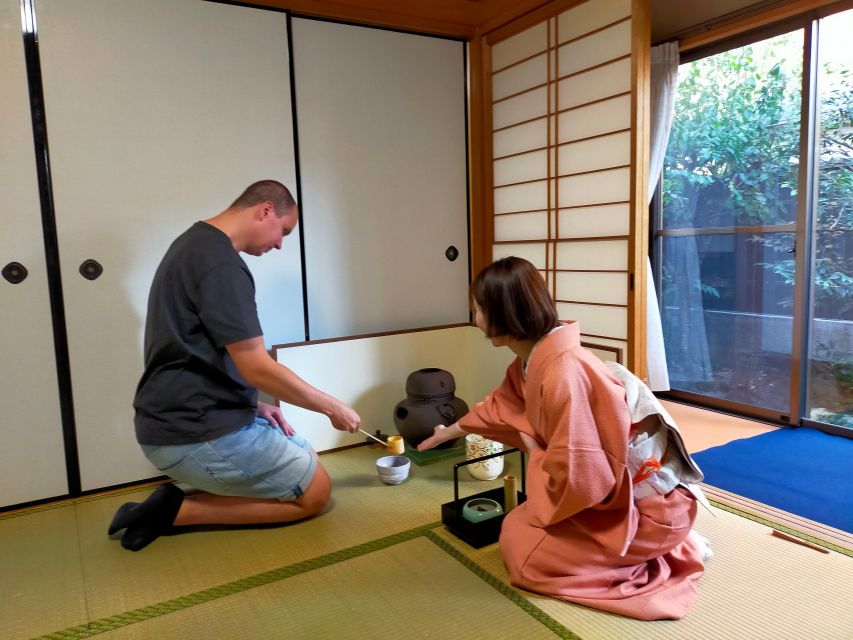
That structure matters. The first bowl lets you see the correct ceremonial preparation rhythm. The second bowl lets you practice. You don’t just get a taste; you learn the hand movements and the basic method using a bamboo tea whisk (chasen).
The instructor model, then your turn
After the sweets portion, the instructor demonstrates how to drink a bowl of matcha. Then you meet the host for a ceremonial preparation demonstration. After that, you get your own hands-on practice: you learn how to make one bowl and you whisk it yourself.
This is the part that turns the workshop into a take-home skill. You’ll leave knowing how to prepare matcha for friends or family using the right approach, not just a random recipe.
What you’ll notice in the cup
Even without getting overly technical, you can usually tell the difference between matcha that’s freshly whisked and matcha that’s made the easy way. In a guided setting like this, the focus is on getting the texture right and following the ritual flow. That’s why the two-bowl design is such good value.
Small Group Value: 75 Minutes That Actually Feel Complete
At 75 minutes, this isn’t a long “half-day Japan tour.” It’s timed to give you three connected parts without dragging:
1) wagashi making in the kitchen
2) tea ceremony explanation and sweets tasting
3) matcha demonstration and your own bowl
Because the group is limited to 6 participants, you’re not stuck waiting while someone else’s question finishes. The instructors are licensed guide interpreters, so the English instruction is tied directly to how the ritual works, not just general facts.
From the tone of the experience, I’d describe it as structured but relaxed. People have noted that the ceremony isn’t so rigid that you can’t join at your own pace. That matters if you want an authentic ritual but you don’t want to feel intimidated.
Price and Logistics: Is $55 Worth It in Kyoto?
At $55 per person for 75 minutes, you’re paying for more than ingredients. You’re paying for:
- a private-house setting
- an English-speaking host and a guided ceremony explanation
- hands-on instruction for both wagashi and matcha
- two included bowls of matcha
- the fact that it’s limited to 6 people
A lot of Kyoto classes charge similar amounts and still end up feeling like a demo. Here, the structure includes active participation, including your own matcha bowl. That turns the price into something more like a skill session plus a tasting ceremony.
What’s not included (plan around it)
Hotel pickup and drop-off are not included. There’s also no help with calling a taxi and gratuity isn’t included. So you’ll want to plan your way there on your own and budget a bit for local transport.
Socks and rules affect the experience
You’ll need socks. Bare feet are not allowed. Flash photography and video recording are not allowed, and you might be asked not to take photos during certain parts so everyone can experience the moment.
None of that is a deal-breaker, but it does shape the experience: less distraction, more focus on hands and ritual steps.
What to Bring, Wear, and Know Before You Go
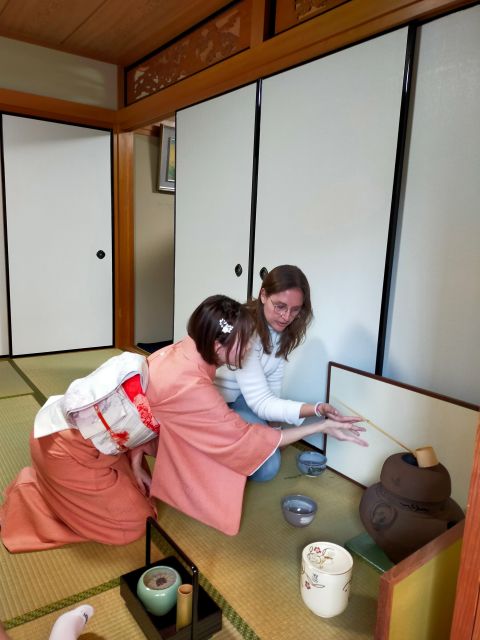
Here’s the practical checklist so you don’t get stuck at the door.
- Bring socks (required). Bare feet are not allowed.
- If you have food restrictions or allergies, tell the provider in advance.
- Wagashi may differ from the pictures depending on seasonal availability.
- You can ask in advance if you need chairs/tables instead of floor seating.
Also keep in mind: the experience is not suitable for children under 8, and wheelchair users can’t participate. If you’re traveling with mobility needs, this is worth checking before you book.
Finally, photography rules matter. Flash is prohibited, video recording isn’t allowed, and photo-taking may be paused at parts of the session. Go in expecting to watch, learn, and taste more than to shoot.
Who This Wagashi and Matcha Class Is Perfect For
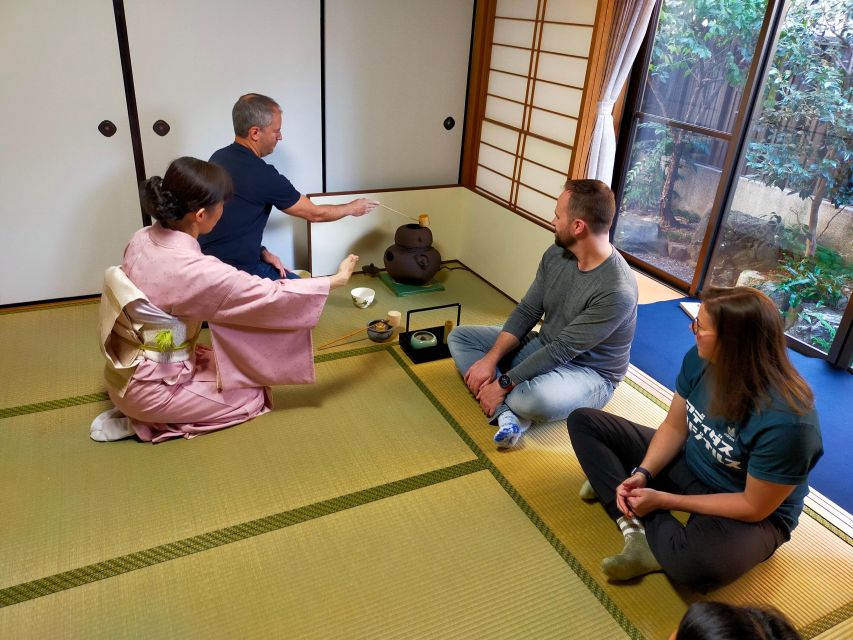
This class is a great fit if you want one of these outcomes:
- You want an authentic-feeling tea ceremony without feeling like you need to already know the ritual.
- You want a hands-on cultural experience, not a lecture.
- You like the idea of leaving Kyoto with an actual skill: how to whisk and serve matcha.
It’s also ideal if you’ve had enough of temple crowds and want a calmer window into everyday Japanese culture. The private home setting makes it easier to feel like you’re learning rather than consuming.
You might want to skip it if…
If you strongly dislike floor seating and don’t want to use the available chair/tables option, this could feel uncomfortable. And if you want a longer, multi-course explanation across an entire afternoon, 75 minutes may feel short—though it’s long enough to make sweets and prepare matcha yourself.
Should You Book This Kyoto Wagashi and Tea Ceremony?
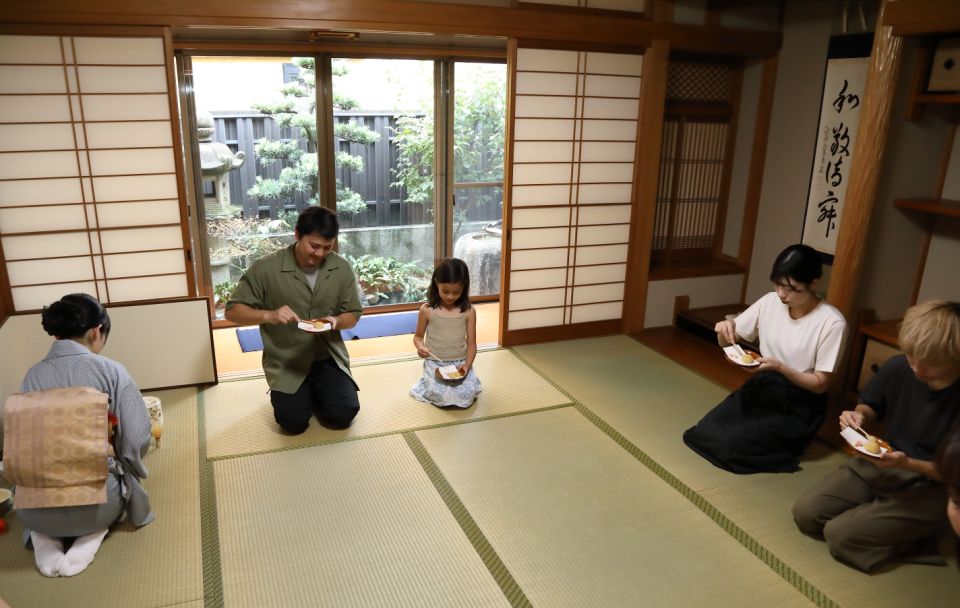
I’d book this if you want a high-quality, small-group class that combines craft and ritual in one tidy session. The value is best when you’ll actually participate: making wagashi with guidance, tasting what you make, then whisking your own bowl of matcha.
Skip it only if you know you can’t do tatami-style floor time or you don’t want any photo restrictions. Otherwise, this is a smart choice for Kyoto—especially on a day when you want to trade crowds for calm and bring home a real “I can do this” souvenir.
FAQ
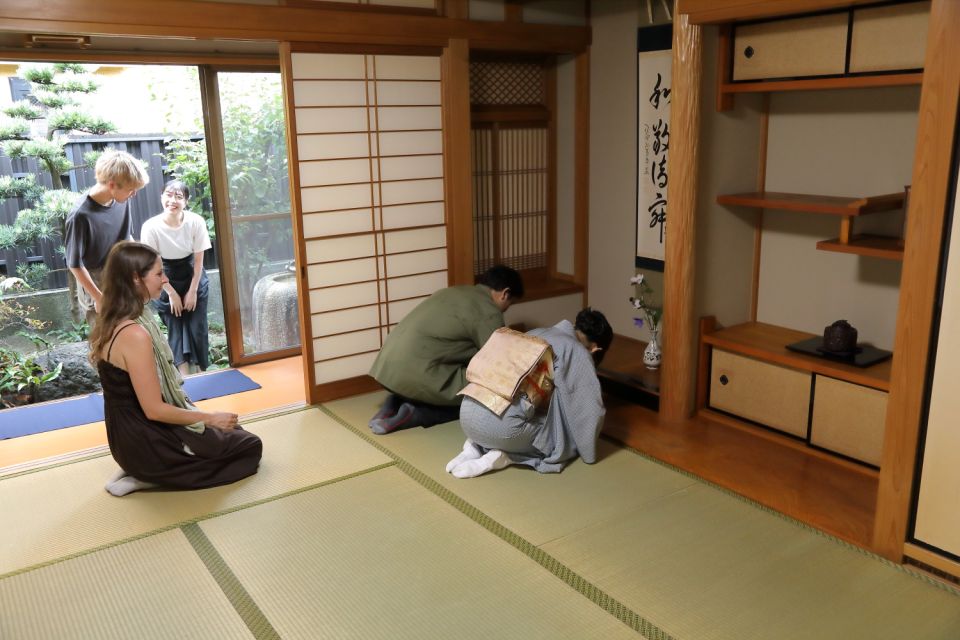
How long is the Kyoto Fushimi Inari wagashi and tea ceremony experience?
It lasts 75 minutes.
What will I learn to make during the class?
You’ll learn how to make one kind of wagashi (Japanese sweets) and you’ll also learn how to prepare a bowl of matcha yourself.
How much matcha is included?
Two bowls of matcha are included. One is prepared as part of the ceremony, and one bowl will be prepared by you.
Is the class taught in English?
Yes. The instructor is English-speaking, and the instructors are licensed guide interpreters so information is clearly explained.
What should I bring and wear?
You need to bring socks. Bare feet are not allowed.
Is hotel pickup or drop-off included?
No. Hotel pickup and drop-off are not included, and calling for a taxi is not included either.