REVIEW · KYOTO
Kyoto: Kimono Rental Traditional Experience at Wargo in Gion
Book on GetYourGuide →Operated by Kyoto Kimono Rental WARGO · Bookable on GetYourGuide
Kyoto in a kimono turns ordinary streets into a story. What makes this rental special is the on-site help that gets you dressed correctly, plus the chance to pick from kimono patterns and wear them while you walk Kyoto’s famous lanes. I also like that the experience includes the full “outfit” setup, not just a garment—though the one real catch is waiting time can run long in busy seasons.
Here’s the practical part: you choose a time slot, arrive at the store, and your kimono fitting is handled by staff. If you want extra polish, the premium plan (women only) adds hairstyling and a wider kimono selection. Plus-size options are available too, which matters because a kimono should feel good, not like a costume that’s fighting you.
I’d treat this as a half-day plan with a little buffer. Even when the fitting itself runs smoothly (often under an hour when things aren’t packed), there can be a line to get started, so plan your sightseeing around a calm, unhurried mood.
In This Review
- Key Things I’d Focus On Before You Go
- Wearing a Kimono in Gion Streets: The Whole Point of This Day
- Choosing Your Kimono and Obi: Standard vs Premium (Wargo Deluxe)
- The Dressing Room Process: Fast When It’s Quiet, Slower When It’s Not
- What’s Included in Your Outfit: It’s More Than Fabric
- Your Kyoto Stroll: Using the Kimono Time Without Feeling Rushed
- Price and Value at About $33: What You’re Really Paying For
- Who This Is Best For (and Who Should Skip It)
- Should You Book This Kimono Rental in Gion?
- FAQ
- What is included with the kimono rental?
- What’s the difference between the standard plan and the premium plan?
- Are plus-size kimonos available?
- How long does it take to get dressed?
- Where do I start and where does it end?
- What time do I need to return the kimono?
- Is this experience suitable for wheelchair users or for pregnant women?
Key Things I’d Focus On Before You Go
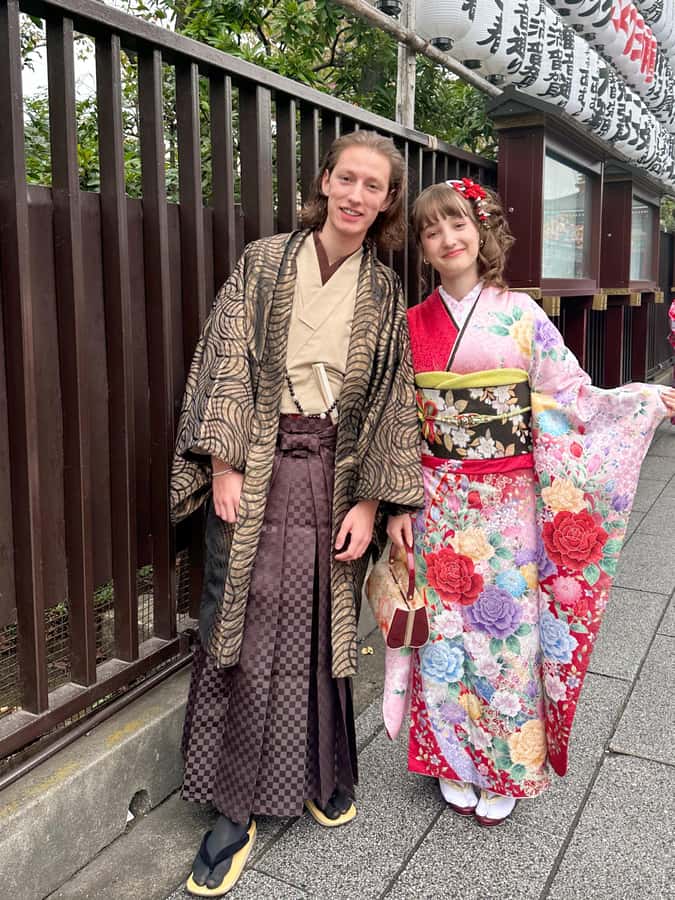
- Staff help with dressing so you’re not wrestling the obi alone
- Kimono choice is the fun part, with traditional patterns and also more modern styles
- Premium plan adds hairstyling (women only) plus more kimono options
- You get the full set: obi, sandals, socks, and a small satchel/clutch for the day
- Plan for waits if your time slot hits a busy moment
Wearing a Kimono in Gion Streets: The Whole Point of This Day
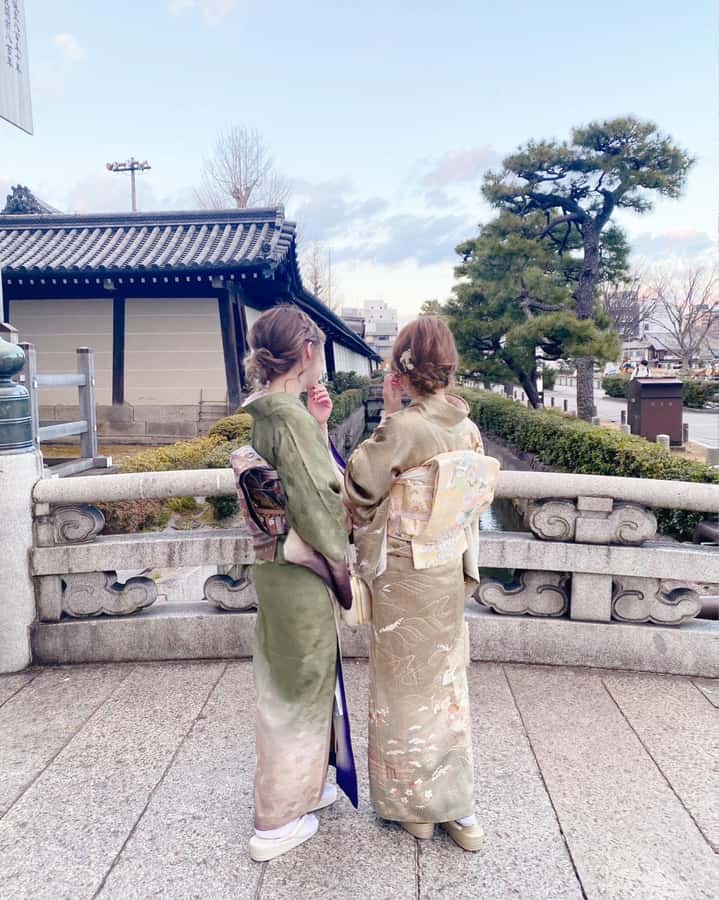
There are rental experiences, and then there’s this one: you don a full kimono look and then actually use it in Kyoto’s real street scenery. The magic is simple. You step out dressed in traditional style, and the city changes how it looks through your eyes. Side streets feel more photogenic. Doorways and lanterns feel like they belong to the moment.
I especially like how the staff help you get it right. A kimono is not “put it on and go.” The fit, the drape, and the obi placement change everything—comfort and how the outfit looks in photos. When staff do the dressing, you spend less time fussing and more time walking.
A second thing I like is the photo potential. Kyoto’s atmospheric lanes are already photogenic, but wearing a kimono turns your photos from “I was there” into “I’m part of the scene.” If you’re the kind of person who always takes one extra photo because the light is good, you’ll use this time well.
The main drawback to keep in mind: timing can be unpredictable. Some people get in quickly. Some get stuck waiting. You can still have a great time, but don’t schedule a super strict, back-to-back itinerary right at the start.
You can also read our reviews of more tours and experiences in Kyoto.



Choosing Your Kimono and Obi: Standard vs Premium (Wargo Deluxe)
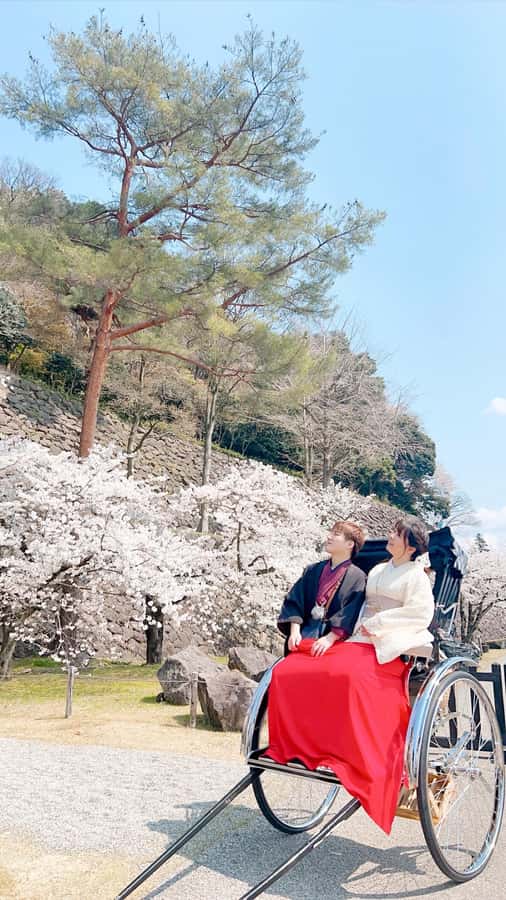
This is one of those bookings where reading the plan names matters, because the value shifts depending on what you want.
With the basic plan, you get the kimono rental plus the full outfit set: obi (belt), clutch/satchel, sandal-like footwear, and socks. The staff also help you get dressed properly. That alone is a lot, because kimono + accessories + dressing help would be a hassle to replicate on your own.
The premium option (called the Deluxe plan in the details you’ll see) is aimed at people who want more control over how they look. It gives you flexibility to upgrade the kimono and obi grade up to certain levels, and it includes a hairstyle for women. The premium plan also comes with a wider selection of kimonos, which is huge if you have a strong preference for color or pattern.
One more practical note: kimono grade options can vary by store. That’s not something you can fully predict at checkout. If you’re hoping for a specific level of fabric or a certain style, it’s worth checking with the store when you arrive.
If you’re shopping for comfort, I’m glad plus-size kimonos are available. That means you don’t have to choose between “traditional look” and “doesn’t feel good.”
The Dressing Room Process: Fast When It’s Quiet, Slower When It’s Not
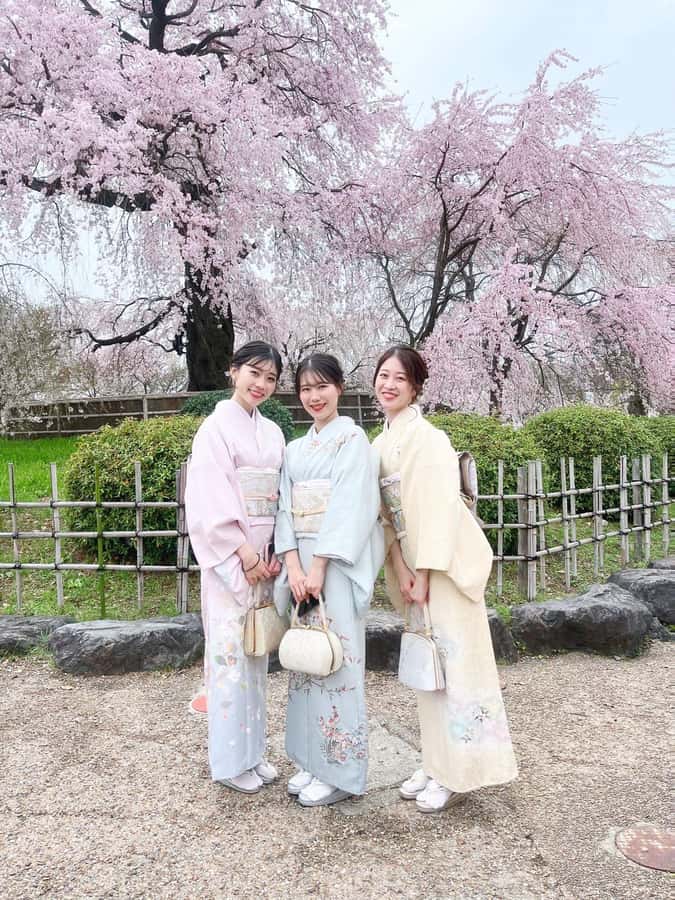
The fitting itself should be straightforward. If it’s not busy, dressing should take under an hour, and that’s a big deal because it protects your day. Staff get you into the kimono setup, and they handle the details that make it look right.
But the real-world part is waiting time. Depending on the time slot and season, expect a wait that can range roughly 30 to 90 minutes. If you reserve late in the day (after 3pm the day before), you may also have to wait a bit more at the store.
So how do you make this work? Treat your reservation time like the earliest you’ll start, not a guarantee. Arrive a few minutes early, and keep your next stop flexible. Once you’re dressed, you’ll likely feel like the wait was worth it, because the staff are efficient once they reach you.
Also, the staff don’t need to share perfect English to make it feel smooth. The experience is guided by gestures, steps, and good service. That’s what you want from a kimono shop: clear help, not stress.
What’s Included in Your Outfit: It’s More Than Fabric
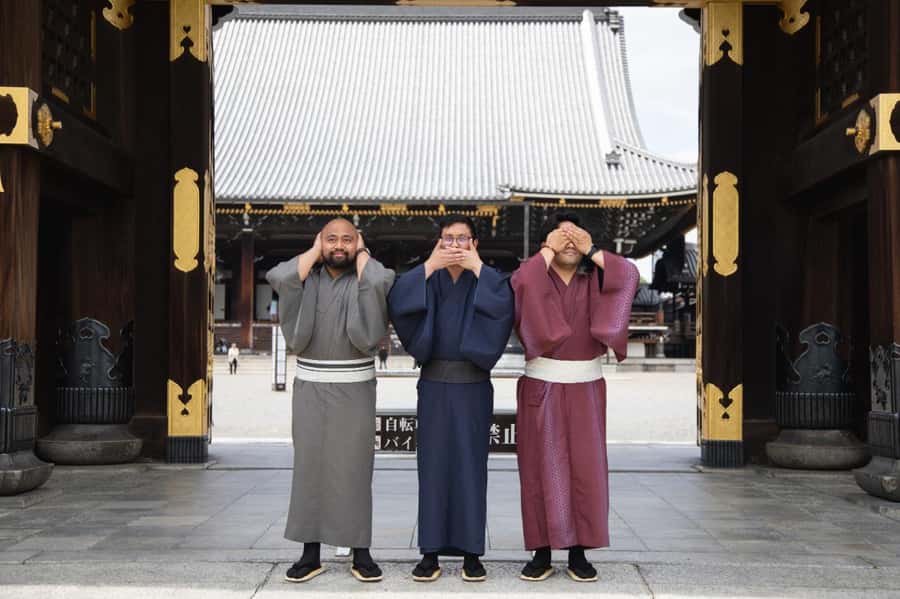
One reason this rental feels like value is that you’re not assembling the look yourself. You don’t just get a kimono and then try to improvise everything else.
With both plans, you receive:
- Kimono
- Obi (belt)
- Clutch/satchel
- Sandal-like footwear
- Socks
- Help getting dressed
- For women on the premium plan: hairstyling
If you’re going with the premium plan, you’ll also get hair set support with a simple style plus kanzashi (ornamental hairpin). That small detail matters. It’s what makes the look feel complete when you’re out walking and posing for photos.
The shoes are the one part you should respect. The sandal-like footwear is traditional, but it’s still footwear, and comfort depends on how you walk. If your day includes a lot of long distances, go slow, take breaks, and wear a practical mindset. This isn’t the time to sprint from one landmark to another.
Your Kyoto Stroll: Using the Kimono Time Without Feeling Rushed
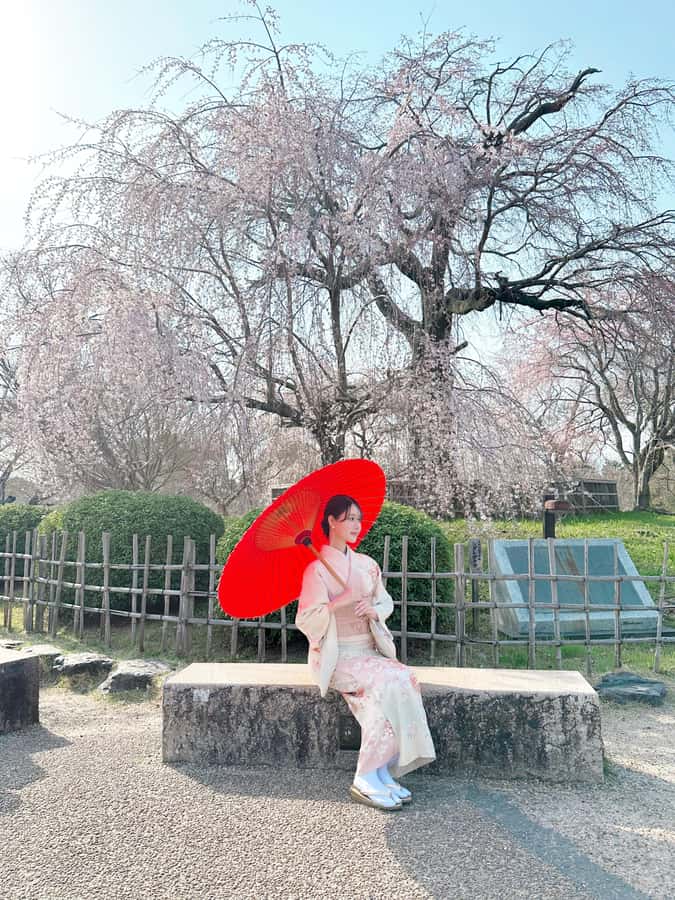
After the fitting, you’re set to explore Kyoto’s historical streets. The experience is designed around that simple idea: walk around while dressed up, then come back when your time window ends.
The time window is important. Operating hours run 10:00 AM to 5:30 PM, and the kimono should be returned by 5:30 PM for the same-day option. If you want to enjoy Kyoto in your kimono later, there’s an option for next-day return for an added onsite cost.
You’ll get the most out of this if you plan for movement that matches the outfit:
- Walk at a comfortable pace
- Build in photo stops instead of treating it like a checklist
- Choose streets where you can enjoy the scene, not just pass through
One smart tip from what people note about the location: it’s convenient near a train station, so you can connect to other parts of the city easily before or after. Some people also mention that it’s interesting to check out Kyoto Tower a bit while you’re nearby, either before you get dressed or after you return the kimono.
In other words, don’t lock yourself into one “must see” spot. Let the outfit and the streets guide your day. Kyoto rewards slow wandering.

Price and Value at About $33: What You’re Really Paying For
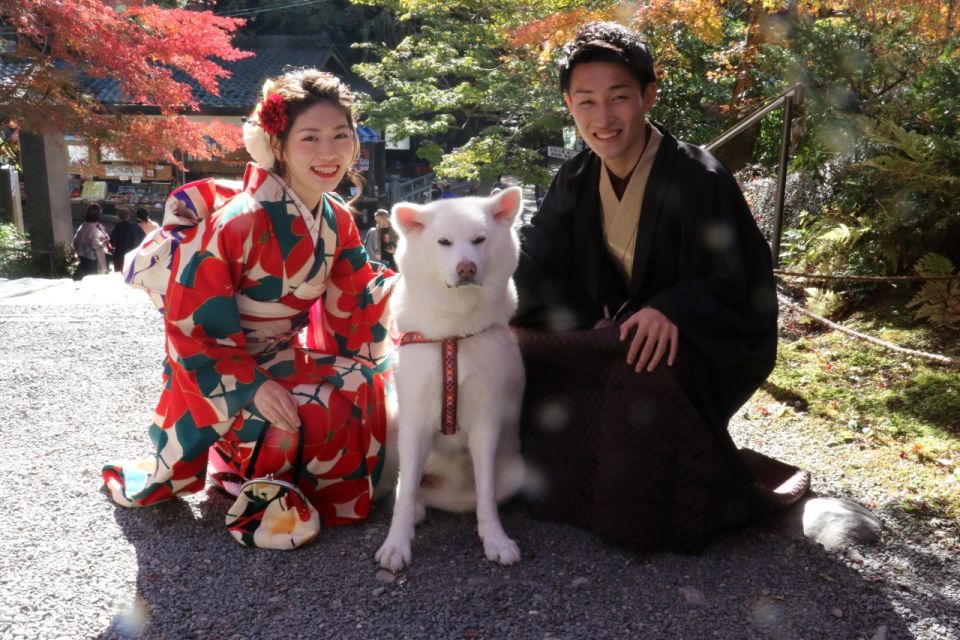
At around $33 per person, this can be great value—if you want the whole package, not just a photo prop. The price isn’t only the kimono fabric. It includes the accessories, the dressing help, and (on the premium plan) a hairstyle and upgrades.
Here’s the value logic I’d use:
- If you want the kimono look but don’t want to learn how to dress yourself, the included dressing support is a major win.
- If you’re picky about how the kimono looks in photos, premium upgrades and a wider selection help.
- If you’re just after a fun day photo session, the standard plan still gives you the core experience: a proper set, help dressing, and a time window to explore.
Compared to paying separately for a kimono plus trying to figure out the rest, the bundled setup is what makes this feel reasonable. And because it’s right in Gion, you’re not wasting time moving across town just to wear the outfit for a few minutes.
Who This Is Best For (and Who Should Skip It)
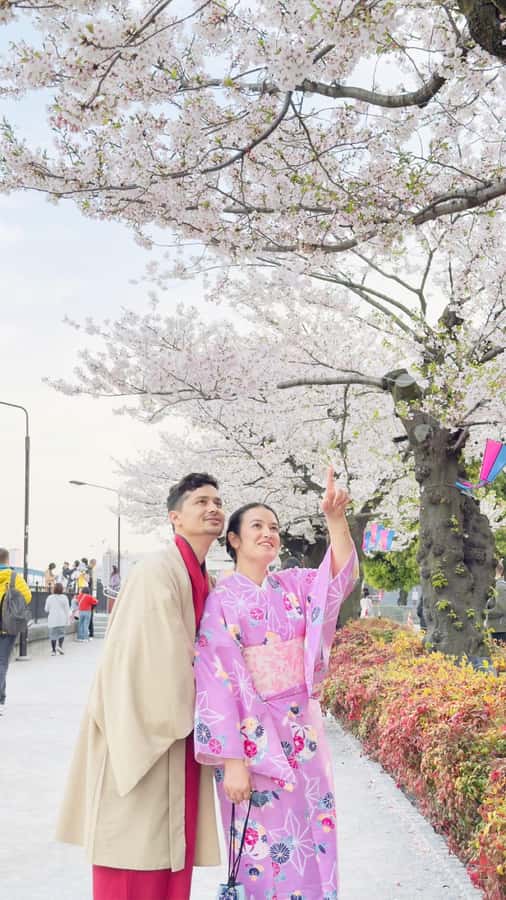
This kimono rental fits best if you want an experience that’s:
- Photo-friendly without being complicated
- Supported by staff help
- Based around a relaxed street walk in Kyoto
You’ll likely enjoy it most if you’re comfortable with the idea that the day involves dressing time plus possible waiting. If that sounds like fun, you’re in the right place.
On the other hand, it’s not for everyone. It’s not suitable for:
- Pregnant women
- People with mobility impairments
- Wheelchair users
Also, keep your expectations realistic if you need strict timing. Waiting can happen, and the fitting time itself depends on how busy the store is.
If you’re traveling with someone who wants the premium plan (women only for hairstyling), it can still work as a couple activity. Just note that styling is included only for women on the premium option.
Should You Book This Kimono Rental in Gion?
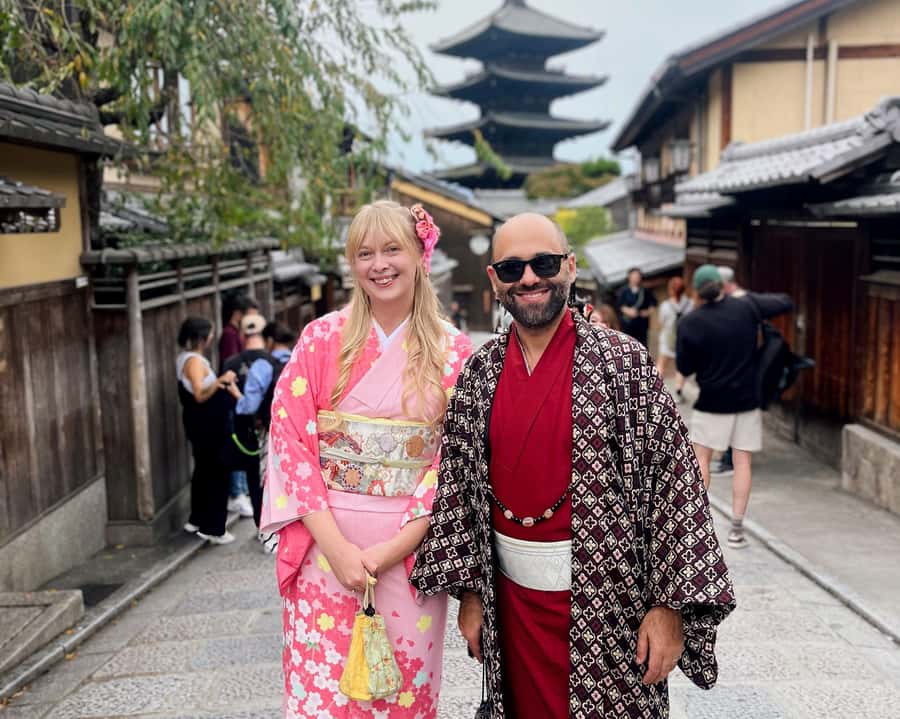
I think this is a smart booking if you want Kyoto in full visual storytelling mode and you’d rather let staff handle the dressing than stress over the details. The core strengths are the quality of the kimono, the help getting dressed, and the way the outfit instantly upgrades your street photos.
Book it if you:
- Want a traditional look with real service
- Plan a flexible schedule around a possible wait
- Care about getting the obi and overall fit right
I’d skip it if you:
- Have mobility needs that make dressing or footwear difficult
- Can’t tolerate a wait of up to about 90 minutes
- Need a tight, minute-by-minute itinerary starting right at your appointment
If you fall in the first group, this is one of those Kyoto experiences that turns your photos into memories you’ll actually remember—and it does it without making your day overly complicated.
FAQ
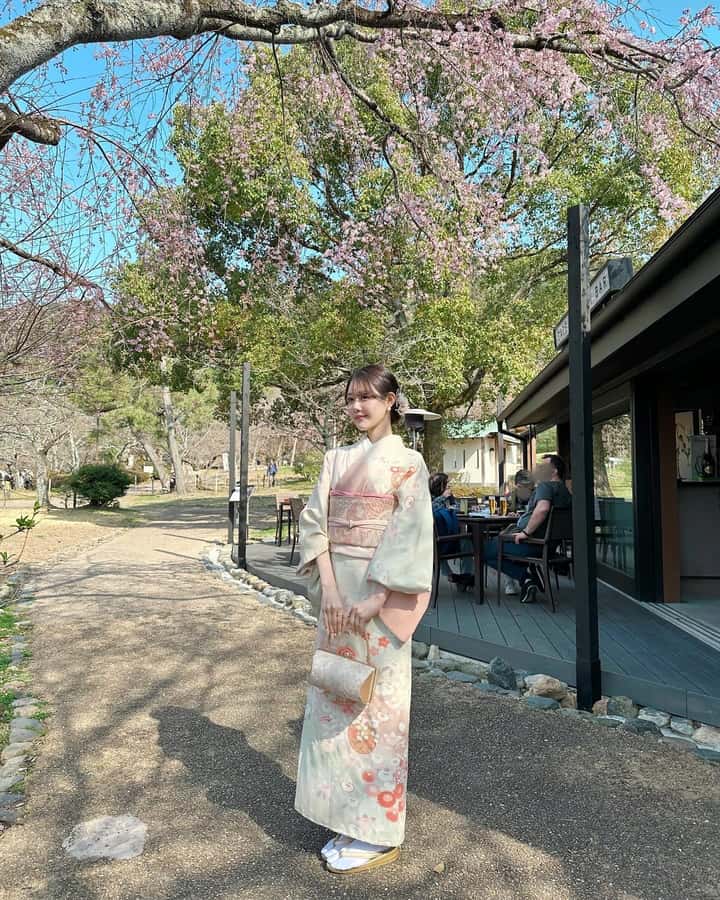
What is included with the kimono rental?
You receive a kimono, an obi (belt), a Japanese satchel/clutch, traditional sandal-like footwear, and socks for the day. You also get help getting dressed. Hairstyle is included only with the premium plan.
What’s the difference between the standard plan and the premium plan?
The premium plan offers a wider selection of kimonos and includes hairstyling for women only. It may also allow upgrades to the grade of the kimono and obi up to certain levels (options can vary by store).
Are plus-size kimonos available?
Yes, plus-size kimonos are available so everyone can enjoy the experience comfortably.
How long does it take to get dressed?
If it’s not too busy, dressing should take less than an hour. Waiting time before you’re fitted can be about 30 to 90 minutes depending on slot and season.
Where do I start and where does it end?
You’ll meet at the store, and the activity ends back at the meeting point.
What time do I need to return the kimono?
Operating hours are 10:00 AM to 5:30 PM. You should return the kimono by 5:30 PM. Next-day return is possible at an additional cost paid on site if you want an evening option.
Is this experience suitable for wheelchair users or for pregnant women?
No. It is not suitable for wheelchair users, people with mobility impairments, or pregnant women.