REVIEW · KYOTO
Kyoto: Private Flexible 3 hours tour with a local guide
Book on Viator →Operated by 合同会社Jacalize · Bookable on Viator
Kyoto in three hours, your way. This private flexible tour lets you steer the day by choosing 1 to 3 locations, with a local guide handling navigation and adding context as you walk. Instead of being locked into a rigid route, you can shape the pace around what you actually want to see, whether that’s classic shrines or old-town streets.
I love the combo of a personal guide plus real on-the-ground help—guides like Nanako, Steven, Teppei, and Toshiki are often praised for their patient explanations and adapting to your group. My only caution: you’ll do a fair bit of walking, including the uphill climb at Fushimi Inari, and the trip does not include private car and a driver or all admission fees, so factor in transit and the temple ticket (Kiyomizu-dera isn’t included).
In This Review
- Key points at a glance
- Private Kyoto in 3 Hours: Flexibility That Actually Helps
- The Local Guide: Stories, Navigation, and Small Fixes
- Who you might be paired with
- Fushimi Inari Taisha: The Red Gates and the Climb
- Kiyomizu-dera: Views, Big Temple Energy, and a Ticket Budget
- Gion at Walking Speed: Old Streets, Traditional Buildings, Real Kyoto Mood
- How to Build Your Best Route in 1–3 Stops
- Price and Value: What $131.38 Buys You
- Timing, Weather, and Footwear: The Unwritten Part
- Book It or Pass: My Honest Recommendation
- FAQ
- How long is the Kyoto private flexible tour?
- Can I choose which places to visit?
- Is pickup included?
- Are temple and shrine admission fees included?
- What’s included in the price?
- What is the cancellation policy?
Key points at a glance
- Choose 1–3 stops so your Kyoto priorities actually drive the route
- Local guide commentary makes the landmarks feel understandable, not random
- Personal-party tour means no waiting for other groups or fighting the crowd pace
- Pickup offered, with service near public transportation if you’re meeting up locally
- Built for flexibility, including practical help like taxis and even SIM guidance
Private Kyoto in 3 Hours: Flexibility That Actually Helps
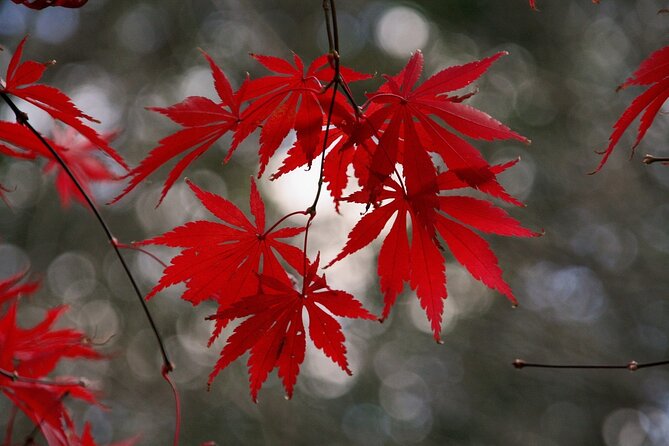
Kyoto rewards slow wandering, but not everyone has half a week. This tour is designed for the opposite problem: you have limited time, and you don’t want to waste it on a checklist you don’t care about.
The big value is control. You pick one to three locations, and your guide builds a route around that. That means you can prioritize what fits your energy level and interests—maybe you want shrines over viewpoints, or you’d rather spend extra time in Gion’s older streets than chase one more photo spot. And since it’s private, there’s no group vote, no awkward pacing compromise, and no “we only have 10 minutes” scramble to satisfy someone else’s itinerary.
Another practical win: having a guide to handle routing reduces stress. Kyoto can be confusing at street level, even when the stations make sense on a map. With a local in front of you, you can focus on what’s in front of you instead of constantly checking directions.
You can also read our reviews of more guided tours in Kyoto

The Local Guide: Stories, Navigation, and Small Fixes
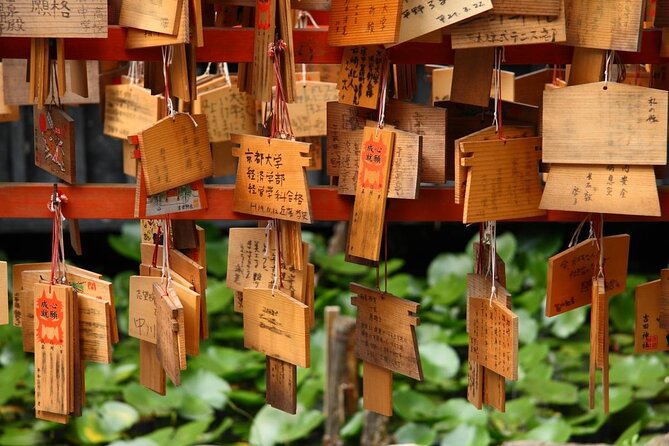
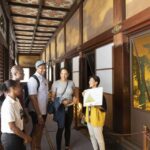
This tour lives or dies on the guide. The feedback is strongly positive across many guides—Nanako, Steven, Teppei, and Toshiki come up repeatedly—usually for being friendly, adaptable, and able to explain what you’re seeing in a way that lands fast.
What I like most is that the guide doesn’t just point. They give context. That matters in Kyoto, where a place can look similar from the outside, but the meaning changes depending on the shrine, the era, and the traditions tied to it.
You also get built-in navigation help. That’s not a small thing. Even with great transit, it’s easy to lose time moving between areas, especially if you’re trying to match trains, crowds, and walking routes. Here, the guide handles the flow so you get the experience, not the logistics headache.
And the best guides go beyond “tour script” energy. One example from feedback: on a brutal hot day (98 degrees with a heat index reported around 103), guide Kyoichi (Mark) reportedly brought cooling wipes. That kind of practical thinking is what turns a good tour into a comfortable one.
Who you might be paired with
I can’t guarantee a specific person, but names that appear in the guide feedback include Nanako, Steven, Teppei, and Toshiki. If you’re picky about communication style, this is worth noting when you book.
Fushimi Inari Taisha: The Red Gates and the Climb
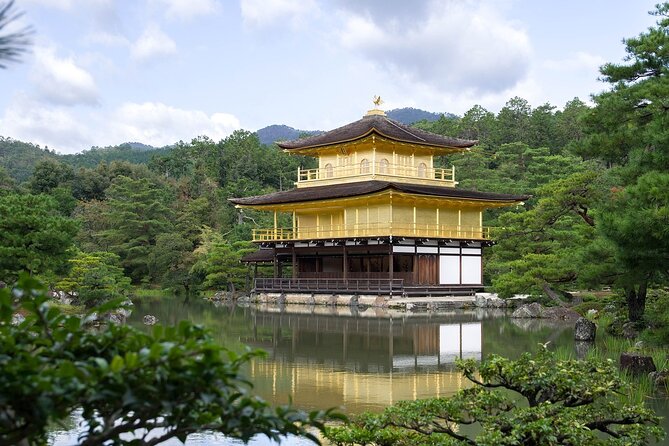
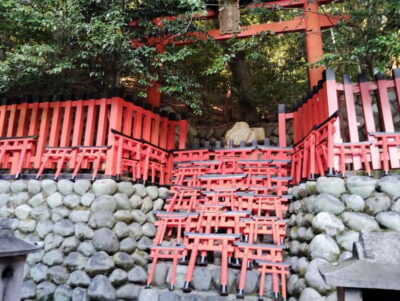
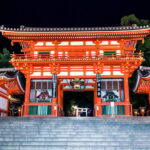
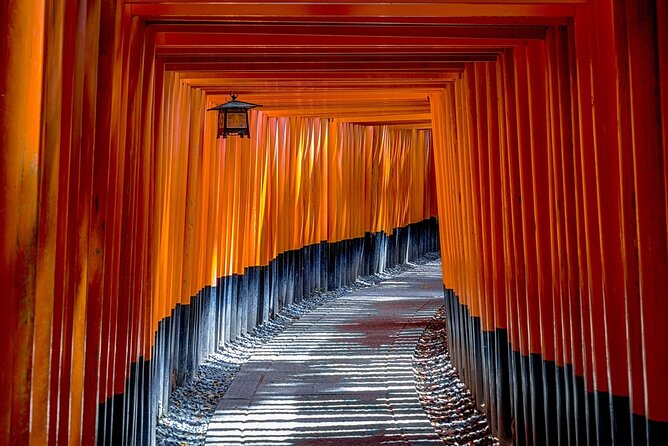
Fushimi Inari Taisha is one of Kyoto’s most famous sights—and for good reason. Expect an uphill walk through thousands of red torii gates that stack into tunnels of color. Even if you’ve seen photos, the real thing has a different feel because the path keeps going. You’re not just looking at a landmark; you’re moving through it.
Plan for effort. The shrine sits on a mountain, and the experience is basically a hike, step by step. If your legs are fresh and you enjoy walking, you’ll love it. If you’re sensitive to steep climbs, you may want to discuss how far up you want to go with your guide so the day stays fun instead of painful.
Good news: admission for this stop is free. That helps value-wise, especially if you’re combining multiple highlights in one afternoon.
One more practical note: Fushimi can be very busy. A guide can help you manage that crowd energy—like choosing the best time of day within your route and keeping you from wasting time circling when you should be moving forward.
Kiyomizu-dera: Views, Big Temple Energy, and a Ticket Budget
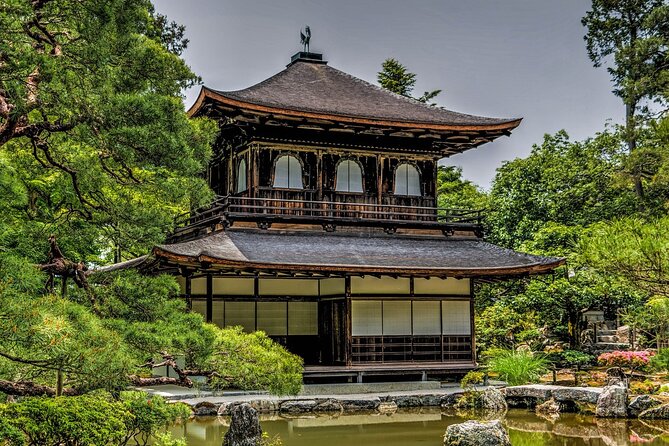
Kiyomizu-dera is the kind of place where you understand why it became a must-see. You’ll see a major temple complex with a view over Kyoto, and you’ll have time to walk around the surrounding area both before and after your main visit.
The vibe here is different from Fushimi. At Inari, you climb through gates. At Kiyomizu-dera, you slow down and look outward. It’s the best stop if you want your Kyoto to feel scenic and dramatic rather than purely symbolic.
Admission is not included for this stop, so budget for the ticket. That’s one of the few “watch this” spots in the pricing/value story. Everything else might be free, but here you should expect a paid entry fee.
If you’re the type who likes to photograph details, this is also a solid place for it. The area gives you angles before you even settle into the main viewpoint, so you don’t feel stuck waiting for one perfect angle.
You can also read our reviews of more private tours in Kyoto


Gion at Walking Speed: Old Streets, Traditional Buildings, Real Kyoto Mood
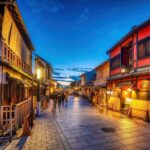
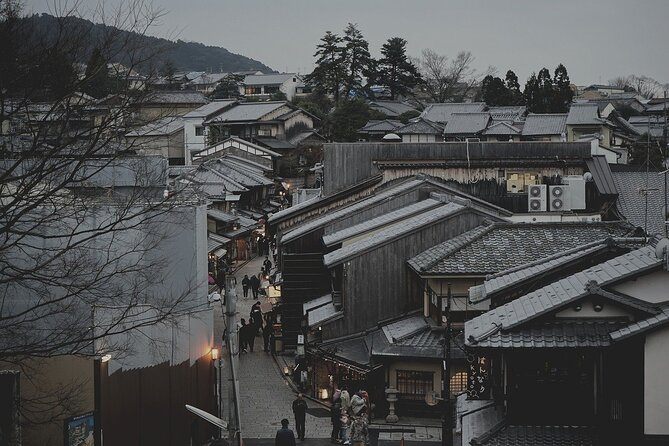
After the climbs and viewpoints, Gion gives you contrast. This is one of Kyoto’s oldest districts, and the experience is more about atmosphere than effort. You’ll walk around the historic streets, check out traditional buildings, stop for photos, and browse shops as you go.
What makes Gion work in a short tour is pacing. You don’t need to “complete” the district to enjoy it. Your guide can help you focus on the parts that match your preferences—more street wandering, more photo breaks, or more time for small shop browsing.
Admission for this stop is free, which is helpful for overall budgeting. Also, because it’s an area rather than one “single gate” attraction, it fits nicely into a flexible route. If you’ve been walking for a while, this is a good place to slow down and reset.
One caution: Gion’s popularity means crowds at certain times. A guide’s timing decisions can help you enjoy the streets instead of merely surviving them.
How to Build Your Best Route in 1–3 Stops
This is a customizable tour, so you’re not stuck with one exact order. That said, a classic mix often includes Fushimi Inari Taisha + Kiyomizu-dera + Gion because it hits three different Kyoto flavors in a tight window.
Here’s how I’d choose your route based on your travel style:
- If you love symbols and dramatic walking: prioritize Fushimi Inari first. Start early if possible, then keep your second stop closer to viewpoints and atmosphere.
- If you want the “Kyoto skyline” moment: Kiyomizu-dera should be in your top slot. Pair it with Gion so your day ends in a softer, street-level setting.
- If your priority is old-town vibe and photos: include Gion, then decide whether you want the physical challenge of Fushimi.
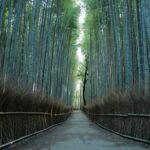
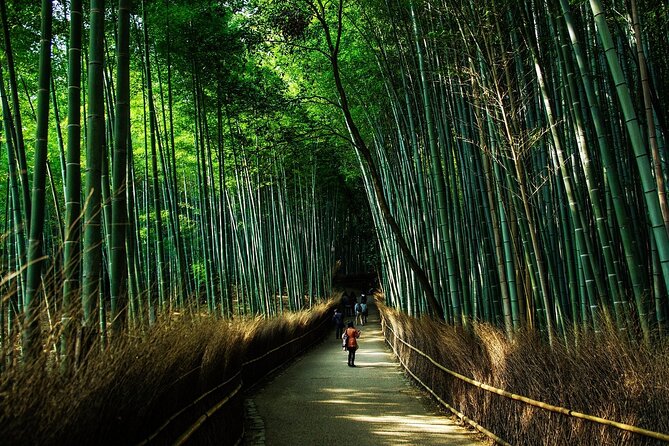
You can also request other locations like Arashiyama Bamboo Forest, since options include picking locations such as Arashiyama, Fushimi Inari Taisha, or Gion. The key is that your guide builds the route around the stops you choose, within the tour’s time window.
If you’re traveling with kids or you have mobility limits, tell your guide upfront. There’s feedback praising how guides tailored walking plans to fit children (including ages 8 and 11). You’ll get more joy when the route matches your group’s actual energy.
Price and Value: What $131.38 Buys You
At $131.38 per person for about 2 to 3 hours, this is not a “cheap and cheerful” tour. It’s better thought of as a time-saver and stress-reducer.
You’re paying for:
- A private guide (so you don’t fight crowds or waiting patterns in a group)
- Customization (so your time goes to what you want)
- Navigation help (so you don’t burn hours finding your next stop)
- Local support, including help with things like booking a taxi and guidance on getting a SIM card
What you’re not getting is:
- a private car and driver
- transportation fees (you’ll cover transit yourself)
- food and beverages (you pay those)
So the value comes down to your priorities. If you would have tried to “wing it” using trains and Google Maps, the guide cost can be money well spent—especially if you hate planning on vacation. But if you’re the type who loves DIY routing and doesn’t mind timing confusion, you might spend less on your own.
My practical take: if your Kyoto day includes one big effort stop (like Fushimi Inari) plus a second classic, a guided plan usually wins because it saves you from wasting time between areas.
Timing, Weather, and Footwear: The Unwritten Part
Because this tour can include uphill walking at Fushimi Inari, comfortable shoes matter. You’ll want footwear that can handle stairs, slopes, and lots of pavement.
Weather also matters in Kyoto. One feedback detail that stuck with me: when heat was extreme, Kyoichi (Mark) reportedly brought cooling wipes. That’s a sign of the best kind of guide—one who thinks ahead for comfort.
If you’re booking during hot months, plan for hydration and pace. Even if you feel ready at the start, you may slow down when the sun ramps up and the crowd energy rises.
Also, consider how you want your photos. If you want a lot of stopping for pictures, you may need to keep to just one or two stops so the tour doesn’t feel rushed.
Book It or Pass: My Honest Recommendation
I’d book this tour if you want a Kyoto highlights day without the stress of figuring out routes, pacing, and crowd navigation on your own. It’s especially strong when you can tell your guide your preferences clearly and you want a personalized order—like fitting a mix of shrines + viewpoints + historic streets.
I’d hesitate if you know you want a rigid, museum-style agenda with guaranteed nonstop destinations, or if you’re hoping everything is fully included for free (Kiyomizu-dera admission isn’t included, and transportation fees are on you). Also, if steep walking at Fushimi is a deal-breaker, talk with your guide about how much climb you want before you commit.
If you like the idea of spending your limited Kyoto hours in a way that feels guided, flexible, and human, this is a solid choice.
FAQ
How long is the Kyoto private flexible tour?
It runs about 2 to 3 hours.
Can I choose which places to visit?
Yes. You can customize the route by choosing one to three locations.
Is pickup included?
Pickup is offered.
Are temple and shrine admission fees included?
Admission is free for Fushimi Inari-taisha Shrine and Gion. Kiyomizu-dera Temple admission is not included.
What’s included in the price?
You get customization, any travel support (like booking a taxi or buying a SIM card), and a local tour guide.
What is the cancellation policy?
You can cancel for a full refund up to 24 hours before the experience starts. If you cancel within 24 hours, the amount paid is not refunded.